
Evolve Insight: Applied Bioinformatics Drives Discovery

Dive into the core of biological revolution. Evolution, once observed through fossils and morphology, now unfolds in digital sequences, thanks to applied bioinformatics. This discipline empowers us to decipher life's intricate tapestry, transforming raw genetic data into profound insights. We are entering an era where understanding evolutionary trajectories is not just academic; it is a strategic imperative for innovation in health, agriculture, and environmental stewardship. This article unveils the transformative applications of evolutionary bioinformatics, showcasing how it powers breakthroughs from combating disease to enhancing biodiversity. We forge a new understanding, revealing the critical role of these analytical frameworks. Discover how the advanced computational methods for comparative genomics are indispensable tools in this quest, driving our capacity to predict, prevent, and optimize biological systems. Prepare to explore the essential strategies and cutting-edge approaches that define the frontier of biological discovery.
Deciphering Life's Blueprint: Core Principles of Evolutionary Bioinformatics
We embark on understanding the foundational pillars that uphold evolutionary bioinformatics. This discipline synthesizes evolutionary theory with computational science, allowing us to reconstruct the evolutionary history of genes, proteins, genomes, and species. Our objective is clear: to leverage molecular data to infer relationships, timings, and selective pressures that have shaped life. Key concepts underpin this endeavor. We deploy sequence alignment algorithms to identify homologous regions across different organisms, revealing conserved functional elements and divergent evolutionary paths. These alignments are the bedrock for constructing phylogenetic trees, graphical representations that map out evolutionary relationships. We meticulously build these trees using methods like Maximum Likelihood or Bayesian inference, scrutinizing the branching patterns to deduce common ancestry and divergence events. Misinterpreting tree topologies is a common pitfall; always assess statistical support for nodes to avoid drawing spurious conclusions.
Furthermore, we harness the molecular clock hypothesis, which postulates a relatively constant rate of molecular evolution, to estimate divergence times. This tool, however, demands careful calibration against fossil records or known geological events to yield accurate chronological insights. Another critical aspect involves understanding gene duplication events, a primary driver of evolutionary innovation. Duplicated genes can diverge in function, leading to novel biological capabilities. Simultaneously, we meticulously track horizontal gene transfer (HGT), especially prevalent in prokaryotes, as it scrambles traditional vertical inheritance patterns and introduces immediate adaptive advantages. We identify HGT through phylogenetic incongruence or compositional biases in genomic regions. Our best practice dictates integrating multiple analytical approaches—phylogenetic, genomic, and statistical—to build robust evolutionary narratives. By mastering these core principles, we arm ourselves with the precision necessary to unlock life's deepest evolutionary secrets.
Combatting Disease: Evolutionary Insights in Health and Medicine
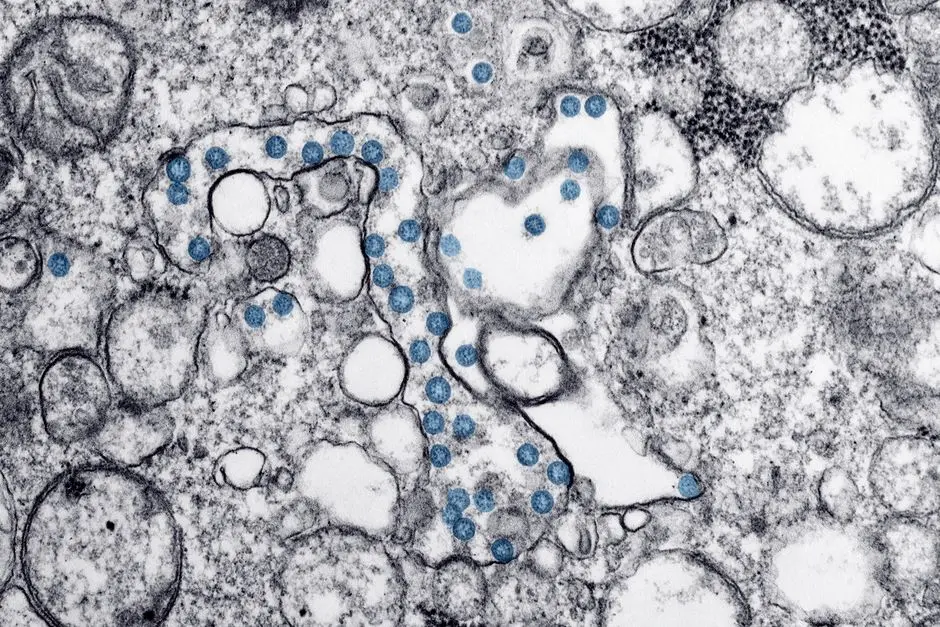
We direct the formidable power of evolutionary bioinformatics towards the critical domain of public health and medicine. Our mission is to outmaneuver pathogens and decode human diseases by understanding their evolutionary trajectories. In the arena of infectious diseases, we relentlessly track pathogen evolution. By analyzing genomic changes in viruses (e.g., SARS-CoV-2, influenza) and bacteria (e.g., MRSA, tuberculosis), we identify emerging strains, predict drug resistance acquisition, and inform real-time vaccine design. We pinpoint key mutations conferring antibiotic resistance, enabling targeted therapeutic strategies and preventing widespread treatment failures. This proactive surveillance is not merely observation; it is an active defense mechanism.
Moreover, we dissect the complex dance of host-pathogen co-evolution. Understanding how pathogens adapt to host immune responses, and vice-versa, unveils vulnerabilities for intervention. For instance, comparing pathogen genomes across outbreaks reveals transmission routes and the selective pressures driving virulence or attenuation. In cancer research, we leverage evolutionary principles to trace tumor progression. Cancer is, at its core, an evolutionary process within the body. By sequencing tumor biopsies at different stages or from different regions, we reconstruct phylogenetic trees of cancer cells, identifying clonal expansions and the emergence of drug-resistant subclones. This genomic roadmap guides personalized oncology, allowing us to anticipate treatment failures and devise adaptive therapeutic regimens. For drug discovery, pharmacogenomics, illuminated by evolutionary insights, predicts individual responses to medications based on genetic variations shaped by deep evolutionary history. We optimize drug efficacy and minimize adverse reactions by understanding these evolutionary predispositions. We underscore the necessity of robust statistical models and comprehensive population-level data to avoid over-interpreting individual genomic variations. Our focus is to transform evolutionary insights into actionable clinical strategies, enhancing patient outcomes globally.

Engineering Nature: Advancements in Agriculture and Conservation
We strategically deploy evolutionary bioinformatics to fortify our agricultural systems and safeguard Earth’s biodiversity. This represents a direct application of our analytical prowess to global challenges. In agriculture, our objective is to cultivate resilient and productive crops. We utilize marker-assisted selection (MAS) and genomic selection, guided by evolutionary principles, to identify desirable traits such as disease resistance, drought tolerance, or enhanced yield. By comparing genomes of wild relatives and cultivated species, we uncover ancestral alleles crucial for crop improvement. We proactively breed for resistance against evolving pests and pathogens, staying ahead of agricultural threats. This translates into more sustainable farming practices and food security for growing populations. Our precision in selecting genetic markers minimizes the time and resources traditionally associated with breeding programs.
For livestock, we apply similar genomic selection strategies to enhance productivity, health, and resilience, ensuring sustainable animal husbandry. This optimization benefits both economic viability and animal welfare. The realm of conservation genomics receives an unparalleled boost from our evolutionary insights. We assess the genetic diversity within endangered species, identifying populations at risk of inbreeding depression and loss of adaptive potential. By reconstructing population histories, we uncover bottlenecks and migration patterns, informing critical management decisions. We identify adaptive loci that allow species to cope with environmental changes, such as climate shifts, guiding translocation or assisted migration efforts. A common error is focusing solely on species counts; we must delve into genetic diversity as the true measure of a population’s evolutionary resilience. Furthermore, we leverage these tools to track and combat invasive species by identifying their origins and routes of dispersal, enabling targeted eradication or control. We advocate for integrating genomic data with ecological field data to construct comprehensive conservation strategies. Our work empowers conservationists to make evidence-based decisions, protecting the evolutionary heritage of our planet.
Unveiling the Unseen: Microbial Ecology and Environmental Adaptation
We pierce through the veil of microbial complexity, utilizing evolutionary bioinformatics to illuminate the unseen architects of our ecosystems. Our focus: understanding the vast, interconnected world of microorganisms and their pivotal roles in environmental processes. We initiate this exploration through metagenomics and environmental sequencing. By directly sequencing DNA from environmental samples—soil, water, air, or host-associated microbiomes—we bypass the need for culturing, revealing the full spectrum of microbial diversity and functional potential. We then apply evolutionary analyses to classify these sequences, reconstruct metabolic pathways, and infer ecological roles of uncultured organisms. This approach fundamentally reshapes our understanding of nutrient cycling, bioremediation, and the global carbon budget.
We rigorously investigate microbial community dynamics, observing how these communities evolve and adapt under varying environmental pressures, from pristine deep-sea vents to polluted industrial sites. Evolutionary bioinformatics helps us identify key species or genes driving ecosystem functions. For instance, in bioremediation, we pinpoint microbial strains with evolved capacities to degrade pollutants, informing strategies for environmental cleanup. We delve into extremophile studies, analyzing the genetic adaptations that allow life to thrive in conditions previously thought uninhabitable. These insights not only expand our understanding of life's boundaries but also offer novel enzymes and pathways with industrial applications. A critical best practice is to account for potential biases in DNA extraction and sequencing protocols; these can distort apparent community structures. We emphasize employing robust statistical frameworks to differentiate genuine evolutionary signals from technical noise. We actively pursue a holistic view, integrating genomic data with physicochemical parameters to elucidate the precise mechanisms of environmental adaptation. Through this work, we unlock the secrets of microbial resilience and harness their power for ecological benefit.
The Horizon of Bioinformatics: Future Directions and Emerging Challenges
We stand at the precipice of profound advancements, charting the future trajectory of evolutionary bioinformatics. Our forward vision compels us to integrate increasingly complex datasets and pioneer novel analytical paradigms. The era of Big Data integration demands sophisticated computational approaches. We leverage Artificial Intelligence (AI) and Machine Learning (ML) algorithms to uncover subtle evolutionary patterns previously undetectable in vast genomic, proteomic, and phenotypic datasets. These tools empower us to predict evolutionary trajectories with unprecedented accuracy, from anticipating viral antigenic drift to forecasting species responses to climate change. Our challenge lies in developing interpretable AI models that reveal biological mechanisms, not just correlations.
Furthermore, we are pushing the boundaries with single-cell evolutionary analysis. This revolutionary technique allows us to resolve evolutionary dynamics at the level of individual cells, offering unparalleled granularity in studying processes like cancer evolution, developmental biology, and microbial adaptation within heterogeneous environments. We move beyond population averages to capture the true diversity of evolutionary events. The concept of personalized evolution is gaining traction, particularly in precision medicine. By integrating an individual’s genomic, lifestyle, and historical data, we aim to predict their unique susceptibility to diseases and their response to therapies, framed within an evolutionary context. This requires meticulous data handling and stringent ethical frameworks.
A critical challenge we confront involves common pitfalls in data interpretation. Over-reliance on a single phylogenetic method, insufficient taxon sampling, or neglecting potential for horizontal gene transfer can lead to erroneous conclusions. We advocate for rigorous cross-validation and the application of diverse analytical tools. Finally, we underscore the indispensable role of cross-disciplinary collaboration. Evolutionary bioinformatics thrives at the intersection of biology, computer science, statistics, and even social sciences. Forge strong partnerships to translate complex genomic data into meaningful biological understanding and practical solutions. We drive this field forward, ensuring its continued impact on science and society.
Key Takeaways
Unlocking Evolutionary Secrets for Real-World Impact
Evolutionary bioinformatics transforms raw genomic data into actionable intelligence, driving innovation across vital sectors. We leverage foundational principles like phylogenetics and molecular clocks to reconstruct life's history, revealing the forces that shape biodiversity and adaptation.
Strategic Applications Across Domains
We deploy this discipline to combat disease by tracking pathogen evolution, informing vaccine design, and guiding personalized cancer therapies. In agriculture, we engineer resilient crops and livestock, enhancing food security. For conservation, we safeguard endangered species by assessing genetic diversity and predicting adaptive potential. In environmental science, we unveil microbial functions critical for ecosystem health and bioremediation.
Embracing Future Challenges and Opportunities
The field evolves rapidly, integrating AI/ML for predictive power and enabling single-cell resolution for unprecedented insight. We navigate challenges of big data, ethical considerations, and methodological pitfalls, emphasizing rigorous analysis and cross-disciplinary collaboration. Our relentless pursuit transforms evolutionary theory into practical solutions for a healthier, more sustainable future.
FAQ
-
How does evolutionary bioinformatics predict future pathogen outbreaks?
We predict future pathogen outbreaks by meticulously analyzing the evolutionary trajectories of viruses and bacteria. We utilize phylogenetic trees constructed from genomic sequences to track lineage diversification, mutation rates, and geographic spread. Identifying rapidly evolving clades or specific mutations conferring enhanced transmissibility or drug resistance provides early warning signals. Machine learning models, trained on historical outbreak data and genomic patterns, further enhance our predictive capabilities. We continuously monitor and analyze genomic data from pathogens to anticipate potential shifts and prepare public health responses.
-
What are the key computational challenges in applying evolutionary bioinformatics to large datasets?
Applying evolutionary bioinformatics to large datasets presents several computational hurdles. First, the sheer volume of genomic data (e.g., thousands of complete genomes) demands immense processing power and efficient storage solutions. Building accurate phylogenetic trees from such datasets is NP-hard, requiring heuristic approaches that can still be computationally intensive. Second, data heterogeneity and noise necessitate robust statistical methods and error correction algorithms. Third, developing scalable and user-friendly software for complex analyses remains a challenge. We continually optimize algorithms and leverage high-performance computing clusters to overcome these limitations, ensuring our analyses remain tractable and precise.
-
Can evolutionary bioinformatics truly enhance crop resilience in a changing climate?
Absolutely. Evolutionary bioinformatics unequivocally enhances crop resilience. We identify and introgress beneficial alleles from wild relatives or diverse landraces that confer resistance to drought, heat, salinity, or novel pests and diseases. By understanding the evolutionary history of crop adaptation, we pinpoint genes that have been under positive selection in challenging environments. Genomic selection accelerates breeding programs, allowing us to rapidly develop climate-resilient varieties. We leverage these insights to engineer crops capable of thriving under future environmental pressures, securing global food supply chains against the impacts of climate change.