
> Regulations and Bioethics > Bioethical Principles in Biomedical Research > Unmasking Ethical Risks in Advanced Biotechnology
Unmasking Ethical Risks in Advanced Biotechnology
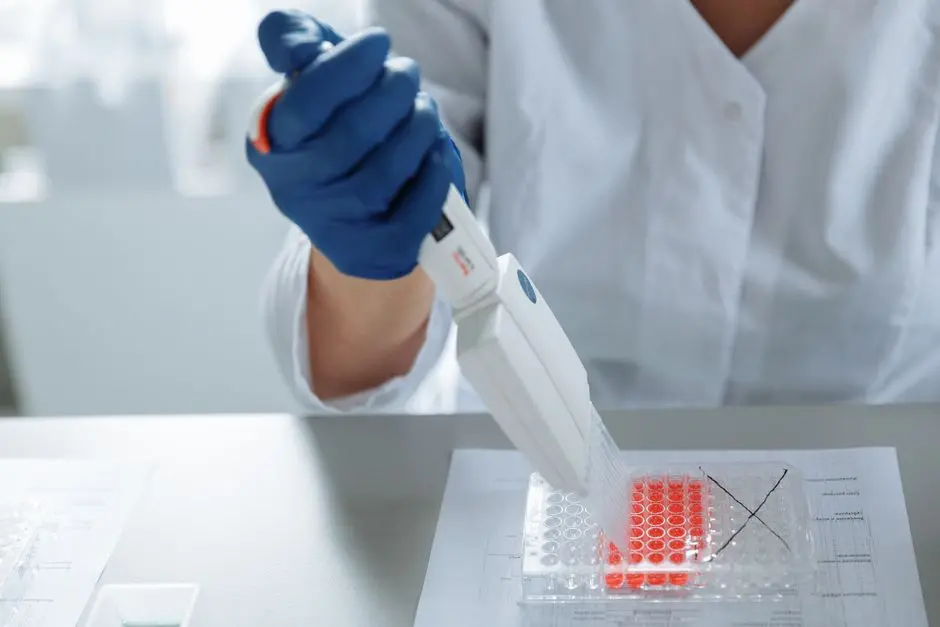
The frontier of advanced biotechnology beckons with unparalleled promise, offering transformative solutions to some of humanity's most intractable challenges, from curing genetic diseases to enhancing human capabilities. Yet, beneath this shimmering veneer of innovation lies a complex web of ethical risks that demand our immediate and rigorous attention. Ignoring these potential pitfalls is not an option; we must confront them proactively to harness biotechnology's full potential responsibly.
This deep dive dissects the core ethical dilemmas emerging from cutting-edge advancements like CRISPR gene editing, synthetic biology, and neurotechnology. We will illuminate the profound implications for human identity, societal equity, and the very fabric of life. Our objective is clear: to equip you with an expert understanding of these risks and to forge a robust framework for navigating them, grounded in the bedrock of
Prepare to explore how we can catalyze scientific progress while safeguarding fundamental human values, ensuring that our pursuit of biological mastery remains ethically sound and socially just. We embark on this critical expedition to map the ethical landscape, transforming potential threats into opportunities for responsible innovation.

The Double-Edged Helix: Unveiling Advanced Biotech's Ethical Crossroads
Advanced biotechnology represents a paradigm shift, propelling us into an era where the lines between what is natural and what is engineered blur with astonishing speed. Consider gene editing tools like CRISPR-Cas9, which offer unprecedented precision in modifying the very blueprint of life. Synthetic biology empowers us to design and construct novel biological systems, while neurotechnologies promise to bridge the human brain with artificial intelligence. These aren't merely scientific advancements; they are foundational shifts that compel a re-evaluation of our ethical compass.
The inherent tension lies in their dual nature: immense therapeutic potential juxtaposed with profound, often unforeseen, ethical challenges. Our mission is to dissect these challenges, moving beyond superficial concerns to the fundamental questions they pose about human dignity, autonomy, and justice. We identify 'ethical risks' not as abstract philosophical debates, but as concrete threats to individual well-being, societal cohesion, and ecological balance. These include the potential for unintended biological consequences, the exacerbation of social inequalities, and the erosion of privacy and informed consent. Our immediate task is to acknowledge and understand this duality, preparing us to construct robust safeguards that champion both innovation and ethical integrity.
We must operate with a proactive mindset, recognizing that reactive legislation always lags behind scientific velocity. Forgeons a collective intelligence to anticipate the ripple effects of these technologies, transforming potential hazards into opportunities for ethical foresight. This initial deep dive sets the stage, framing the urgency and complexity of the ethical landscape we are about to explore in detail, arming us with the clarity required to navigate these uncharted bioethical territories with precision and purpose.
Deconstructing the Dilemmas: Specific Ethical Battlegrounds
As we delve deeper, specific technological domains reveal distinct ethical battlegrounds. Genetic Editing, particularly germline editing (modifications passed to future generations), raises the specter of 'designer babies' – the ability to select for non-medical traits, challenging concepts of human diversity and parental obligation. The risk of unintended off-target edits or mosaicism also carries profound safety implications for individuals. Furthermore, the very concept of modifying the human germline compels us to ask: do we have the right to alter the genetic heritage of future, unconsenting generations?
Synthetic Biology, the engineering of new biological parts, devices, and systems, brings forth concerns about biosafety and biosecurity. Creating organisms with novel metabolic pathways or functionalities poses potential ecological risks if released into the environment, with unknown long-term impacts. The 'dual-use' dilemma is acutely present here: technologies designed for beneficial purposes could be weaponized, demanding stringent oversight and ethical guidelines for research. The commodification of life, the creation of entirely new life forms, also challenges our fundamental understanding of biological existence and responsibility.
AI in Biotechnology and Neurotechnology presents a different class of risks. As AI integrates into drug discovery, diagnostics, and personalized medicine, questions of algorithmic bias, data privacy, and accountability for medical errors become paramount. Neurotechnologies, bridging brains and machines, offer incredible potential for treating neurological disorders but also raise concerns about cognitive enhancement for non-medical purposes, brain data privacy, mental integrity, and even the erosion of personal identity. Who owns your thoughts when they can be read or influenced by external devices? These are not hypothetical questions; they are emerging realities we must address with strategic ethical foresight.
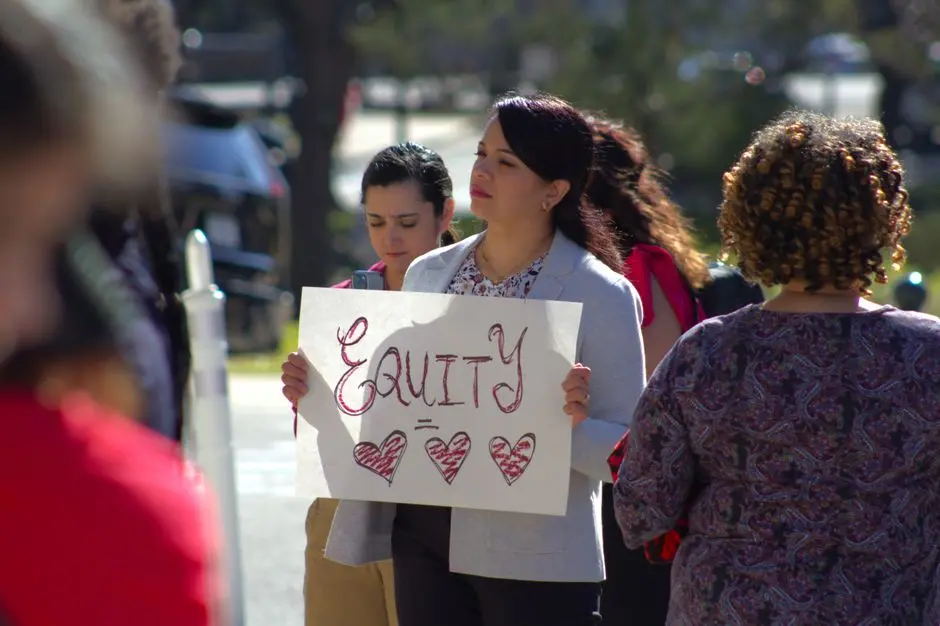
Societal Fault Lines: Equity, Access, and Public Trust in Biotech
The ethical risks of advanced biotechnology extend far beyond individual treatments, carving deep fault lines within society itself. A critical concern is equity and access. If life-altering or enhancing biotechnologies become accessible only to the wealthy, we risk exacerbating existing health disparities and creating a 'genetically privileged' class. This could deepen social stratification, leading to a future where biological advantage is bought, not earned, undermining foundational principles of justice and equal opportunity. We must actively counter the commodification of human biology and champion universal access to essential biotechnological benefits.
Public perception and trust are equally fragile, yet foundational. Sensationalized media, misinformation, or perceived ethical missteps by researchers or corporations can rapidly erode public confidence. A lack of transparent communication regarding risks, benefits, and ethical oversight fosters distrust, potentially hindering legitimate and beneficial research. Historical precedents, such as the early days of recombinant DNA technology or controversies around GMOs, teach us that public engagement and education are not optional, but essential for societal acceptance and responsible integration.
Furthermore, the rapid pace of innovation often leaves regulatory frameworks lagging. Existing laws, designed for earlier scientific paradigms, struggle to encompass the novel challenges posed by synthetic organisms, gene drives, or advanced brain interfaces. This regulatory vacuum creates zones of ethical ambiguity and potential exploitation. The challenge intensifies at the international level, where divergent ethical norms and legal systems complicate global governance and prevent a unified approach to risks that transcend national borders. We need agile, anticipatory governance models that can evolve with the science, rather than merely reacting to its consequences.
Forging a Proactive Bioethical Compass: Strategies for Responsible Innovation
To navigate these treacherous waters, we must proactively forge a robust bioethical compass, integrating ethical considerations into every stage of biotechnological development. Our strategy centers on anticipatory governance – moving beyond reactive legislation to foresight, horizon scanning, and adaptive regulatory frameworks. This involves multidisciplinary expert panels constantly evaluating emerging technologies, identifying potential risks early, and developing flexible guidelines that can evolve with scientific understanding. It's about building a system that can predict and adapt, rather than merely respond to crises.
Multi-stakeholder engagement is paramount. Ethical oversight cannot be confined to scientists alone. We must actively involve ethicists, legal experts, policymakers, industry leaders, patient advocates, and the broader public in sustained dialogue. Citizen science and deliberative democracy models offer powerful avenues for incorporating diverse perspectives, ensuring that ethical frameworks reflect societal values and concerns. This collaborative approach fosters shared responsibility and enhances the legitimacy of policy decisions.
The concept of 'Ethical by Design' must become a core principle. This means embedding ethical considerations into the research and development process from its inception, rather than appending them as an afterthought. For example, when designing a gene therapy, considering its accessibility, potential for misuse, and public perception should be as integral as its efficacy and safety. This requires training and incentivizing researchers to think critically about the broader societal implications of their work. We must cultivate a culture where ethical reflection is an intrinsic component of scientific excellence.
Finally, transparency and continuous education are non-negotiable. Empowering the public with accurate information about advanced biotechnology, its promises, and its risks is crucial for informed public discourse and trust. For researchers, ongoing ethical training and access to expert bioethical consultation are vital. By fostering open communication, integrating diverse voices, and committing to 'ethical by design,' we can steer the course of advanced biotechnology toward a future that is both innovative and profoundly humane. We seize this opportunity to champion a biology that serves all humanity, guided by unwavering ethical principles.
Key Takeaways
Core Ethical Risks of Advanced Biotechnology
Advanced biotechnology, including gene editing (CRISPR), synthetic biology, and neurotechnology, presents revolutionary potential alongside significant ethical risks. These risks span individual well-being, societal equity, and fundamental human values, demanding proactive ethical engagement.
Specific Dilemmas by Technology
- Genetic Editing: 'Designer babies,' germline editing's impact on future generations, unintended genetic consequences, and the potential for exacerbating health disparities.
- Synthetic Biology: Biosafety (ecological release), biosecurity (dual-use for harm), and the ethical implications of creating novel life forms.
- AI & Neurotechnology: Data privacy (especially brain data), algorithmic bias, accountability for AI decisions in medicine, and challenges to personal identity and autonomy through cognitive enhancement.
Societal Impact & Regulatory Gaps
Key societal fault lines include potential for inequity (access restricted to the wealthy), erosion of public trust due to misinformation or ethical missteps, and a significant regulatory lag where current laws struggle to keep pace with rapid innovation, particularly at an international level. Dual-use concerns are also paramount.
Strategies for Responsible Innovation
- Anticipatory Governance: Proactive identification of risks and flexible, adaptive regulatory frameworks.
- Multi-stakeholder Engagement: Involving diverse voices (scientists, ethicists, public) in ethical discussions and policy-making.
- Ethical by Design: Integrating ethical considerations from the earliest stages of research and development.
- Transparency & Education: Fostering informed public discourse and continuous ethical training for researchers.
FAQ
-
What are the primary ethical risks of advanced genetic editing?
The primary ethical risks involve the potential for 'designer babies' through germline editing, raising concerns about human diversity and future generations' consent. There are also risks of unintended off-target edits, mosaicism, and the potential for exacerbating health inequalities if access is limited to the privileged few.
-
How does synthetic biology pose unique ethical challenges?
Synthetic biology's unique challenges stem from the creation of novel life forms, raising questions about biosafety (unintended ecological impacts), biosecurity (potential for dual-use and weaponization), and the fundamental ethics of 'playing God' or commodifying life itself. It demands robust risk assessment and containment strategies.
-
What ethical considerations arise from AI and neurotechnology in biotech?
AI and neurotechnology introduce risks concerning data privacy (especially brain data), algorithmic bias in medical decisions, accountability for AI-driven errors, and the potential for cognitive enhancement to create new forms of social inequality. Neurotechnologies also prompt questions about mental integrity, identity, and autonomy.
-
Why is public trust crucial for advanced biotechnology, and how can it be maintained?
Public trust is vital for the societal acceptance and responsible development of biotechnology. It can be maintained through rigorous ethical oversight, transparent communication about risks and benefits, proactive public engagement, and by demonstrating that ethical considerations are integrated from the outset ('Ethical by Design'). Misinformation must be actively countered.
-
What is 'anticipatory governance' in the context of bioethics?
Anticipatory governance is a proactive approach to regulating emerging technologies. Instead of waiting for problems to arise, it involves horizon scanning, multidisciplinary foresight, and developing flexible, adaptive ethical guidelines and policies that can evolve alongside scientific advancements. It prioritizes prevention over reaction.