
> Biological Data Analysis > Omics Data Interpretation > Unravel Gene Expression: Transcriptomics Deep Dive for Biological Insights
Unravel Gene Expression: Transcriptomics Deep Dive for Biological Insights

In the intricate symphony of life, gene expression dictates every cellular function, every adaptation, and every disease state. Grasping this dynamic landscape is not merely academic curiosity; it is the cornerstone of modern biological discovery, drug development, and personalized medicine. Transcriptomics, the high-throughput study of RNA molecules, offers an unparalleled window into this hidden world, providing a quantitative snapshot of all active genes within a cell, tissue, or organism at a given moment. We embark on a journey to demystify this powerful omics discipline, transforming raw RNA data into profound biological revelations.
This article forges a path through the methodological rigor and analytical prowess required to extract maximum value from transcriptomic datasets. We arm you with the essential knowledge to decipher the subtle language of gene regulation, from identifying disease biomarkers to understanding complex cellular pathways. We explore how transcriptomics propels advancements across immunology, neuroscience, oncology, and developmental biology. For a broader perspective on how to systematically approach the vast information hidden in genetic data, consult our comprehensive resource on genomics and omics data interpretation methods. Prepare to unlock the full potential of gene expression analysis and drive forward the frontiers of biological science.
Decoding the Transcriptome: Principles and Promise
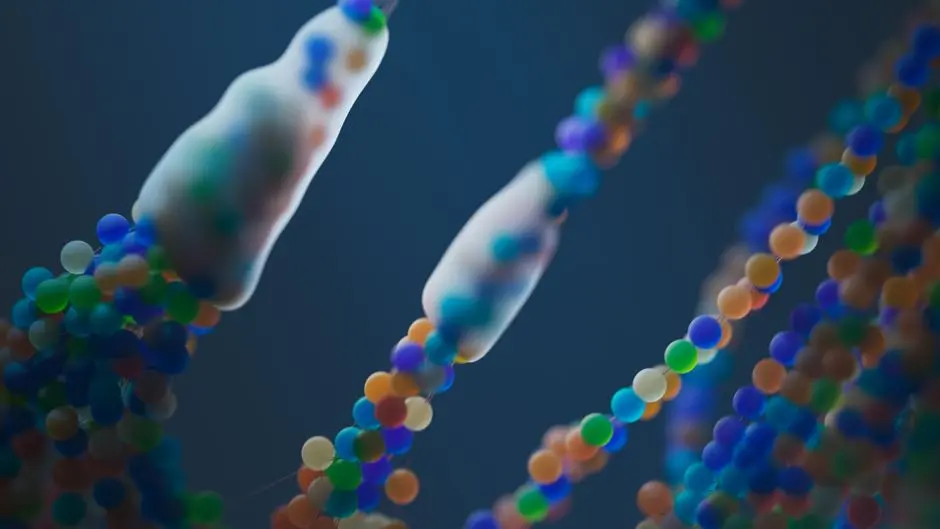
The transcriptome, a dynamic landscape of RNA molecules, serves as the operational blueprint of any cell at a given moment. Unlike the immutable genome, this collection of messenger RNA (mRNA), ribosomal RNA (rRNA), transfer RNA (tRNA), and various non-coding RNAs (ncRNAs) provides real-time insights into cellular activity, adaptation, and response to stimuli. Transcriptomics, primarily driven by high-throughput RNA sequencing (RNA-seq), empowers us to move beyond mere static genetic potential to observe the active manifestation of biological processes. We deploy this methodology to quantitatively measure gene expression, dissecting the intricate molecular mechanisms that underpin health and disease.
Our strategic deployment of transcriptomics yields critical foundational insights:
- Quantification of Gene Expression: We precisely measure the abundance of individual RNA transcripts, revealing which genes are actively transcribed and at what levels across different biological conditions. This forms the bedrock for comparative analyses.
- Identification of Differentially Expressed Genes (DEGs): By comparing transcriptomic profiles, we systematically uncover genes whose expression significantly changes. These DEGs are often direct indicators of perturbed biological pathways, disease states, or specific cellular responses to interventions. They serve as potent candidates for biomarkers or therapeutic targets.
- Discovery of Novel Transcripts and Splice Isoforms: RNA-seq is not limited to known gene annotations; it has the unparalleled ability to identify previously uncharacterized RNA species and detect alternative splicing events. This unveils hidden layers of genetic regulation and protein diversity, critical for understanding complex biological functions.
- Reconstruction of Gene Regulatory Networks: Observing how groups of genes co-express allows us to infer and map the intricate regulatory networks that govern cellular fate and function. This provides a mechanistic understanding of how molecular interactions drive phenotypes.
The inherent promise of transcriptomics lies in its capacity to generate comprehensive, quantitative data reflecting actual molecular activity. We leverage this to answer fundamental biological questions, accelerate biomarker discovery, and propel the development of novel therapeutics. The workflow, from meticulously prepared RNA samples to sophisticated bioinformatics pipelines, demands rigor. We advocate for impeccable experimental design – from initial sample collection and quality control to the chosen sequencing depth – as the non-negotiable prerequisite for generating interpretable, high-fidelity data. We forge robust methodologies to ensure that the biological signals are pristine and ready for deep analytical exploration, minimizing the noise that can obscure crucial discoveries.
Harvesting Insights: Unveiling Gene Function and Regulation
With high-quality transcriptomic data in hand, we transition from raw counts to profound biological understanding. The core of this transformation lies in robust statistical analysis and subsequent functional interpretation. We systematically identify patterns and anomalies that reveal the operational logic of biological systems. This phase demands not just computational skills but also a deep grasp of biological context.
Key analytical steps and insights we extract include:
- Differential Expression Analysis: This is our primary tool for pinpointing genes that exhibit statistically significant changes in expression between experimental groups. We deploy robust statistical models, often employing tools like DESeq2 or EdgeR, to account for variability and multiple testing. Identifying these DEGs is the first critical step toward hypothesis generation.
- Functional Enrichment Analysis: Simply listing DEGs provides a partial view. We integrate these gene lists with comprehensive databases (e.g., GO, KEGG, Reactome) to identify overrepresented biological processes, molecular functions, or cellular pathways. This reveals the collective biological impact of gene expression changes, moving beyond individual genes to systems-level understanding. For instance, an enrichment in "immune response pathways" instantly flags a potential immunomodulatory effect.
- Gene Set Enrichment Analysis (GSEA): Instead of focusing solely on individual DEGs, GSEA assesses whether predefined sets of genes (e.g., genes involved in apoptosis) are collectively enriched at the top or bottom of a ranked gene list. This powerful approach can detect subtle but coordinated changes in pathways that might be missed by simple DEG analysis, providing nuanced insights into pathway activation or suppression.
- Co-expression Network Analysis: We construct gene co-expression networks to identify modules of genes that exhibit similar expression patterns across various samples. These modules often represent functionally related genes, potentially governed by common regulatory mechanisms or involved in the same biological process. Algorithms like WGCNA empower us to discover hub genes within these networks, which can be critical regulators.
These analytical strategies empower us to transcend descriptive observations and forge mechanistic hypotheses. We translate statistical significance into biological relevance, shedding light on disease pathogenesis, drug mechanisms of action, and fundamental cellular biology. For example, identifying an activated oncogenic pathway through GSEA, coupled with specific DEGs, offers targeted therapeutic avenues. We recognize that robust biological interpretation demands iterative analysis, critical thinking, and validation against existing biological knowledge. We do not just process data; we interrogate it with biological questions, converting raw sequence information into actionable intelligence.
Precision Biology: Advanced Transcriptomic Applications
As transcriptomic technologies mature, their applications extend far beyond bulk tissue analysis, enabling unparalleled resolution into cellular heterogeneity and spatial organization. We continually push the boundaries of what these technologies can reveal, leveraging advancements to tackle increasingly complex biological questions with exquisite precision.
Consider these transformative applications:
- Single-Cell RNA Sequencing (scRNA-seq): Bulk RNA-seq averages gene expression across millions of cells, obscuring critical differences between individual cells within a heterogeneous population. scRNA-seq shatters this limitation, providing transcriptomic profiles of thousands of single cells. We deploy scRNA-seq to:
- Identify novel cell types and states: Uncover rare cell populations and transient cellular transitions previously hidden.
- Map developmental trajectories: Track how cells differentiate and mature over time, providing insights into lineage commitment.
- Dissect tumor microenvironments: Characterize the diverse immune cells, stromal cells, and cancer cells interacting within a tumor, revealing therapeutic targets.
- Spatial Transcriptomics: While scRNA-seq offers cellular resolution, it loses spatial information. Spatial transcriptomics merges gene expression data with histological context, mapping gene activity directly onto tissue sections. We use this to:
- Preserve tissue architecture: Understand how gene expression patterns correlate with specific anatomical structures.
- Identify spatially restricted biomarkers: Pinpoint genes expressed only in particular regions of a tumor or organ, critical for precision diagnostics.
- Study cell-cell interactions in situ: Investigate how neighboring cells influence each other's gene expression and function within their natural environment.
- Isoform-Specific Analysis (Long-Read Sequencing): Standard short-read RNA-seq struggles with accurately reconstructing full-length transcripts and identifying alternative splicing events. Long-read sequencing technologies (e.g., PacBio, Oxford Nanopore) overcome this by sequencing entire RNA molecules. We apply this to:
- Annotate novel splice isoforms: Discover and quantify splice variants that are critical for protein function and disease.
- Characterize gene fusions: Identify oncogenic fusion transcripts, which are crucial diagnostic and prognostic markers in cancer.
- Improve genome annotation: Provide high-quality evidence for gene structure and function, refining existing reference genomes.
These advanced techniques represent the cutting edge of transcriptomic exploration. We leverage their granular detail to unlock unprecedented insights into cellular function, tissue dynamics, and disease mechanisms, driving a new era of precision biology.

Mastering the Data Deluge: Best Practices and Pitfalls
The vast potential of transcriptomics comes with an equally vast ocean of data, demanding rigorous handling and interpretation. Navigating this "data deluge" successfully requires not just sophisticated tools but a disciplined approach to experimental design, data quality control, and statistical interpretation. We identify common pitfalls and establish best practices to ensure that the insights we extract are robust, reproducible, and biologically meaningful.
Common Pitfalls to Avoid:
- Insufficient Sample Size: A classic error. Underpowered studies lead to low statistical confidence and missed biological signals, or worse, spurious findings. We advocate for careful power analysis during experimental design.
- Poor Experimental Design: Lack of proper controls, confounding variables, or batch effects can severely compromise data integrity. We meticulously plan experiments to minimize non-biological variation.
- Inadequate RNA Quality: Degraded RNA or contaminated samples yield unreliable sequencing data. We implement stringent RNA integrity checks (e.g., RIN scores) and purity assessments before library preparation.
- Incorrect Normalization: Different sequencing depths and library sizes necessitate careful normalization to enable accurate comparisons between samples. Using inappropriate methods can lead to false positives or negatives in differential expression.
- Ignoring Multiple Testing Correction: When testing thousands of genes simultaneously, the probability of false positives (Type I errors) skyrockets. We rigorously apply multiple testing corrections (e.g., FDR, Bonferroni) to control the false discovery rate.
- Over-interpretation or Under-interpretation: Attributing biological significance solely based on statistical p-values without biological context, or conversely, dismissing statistically significant findings without thorough investigation. We demand a balanced, integrative approach.
Best Practices for Robust Analysis:
- Rigorous Quality Control (QC): Perform QC at every stage: RNA extraction, library preparation, sequencing reads. Tools like FastQC, MultiQC are indispensable for assessing read quality and potential biases.
- Reproducibility: Document every step of the bioinformatics pipeline, including software versions and parameters. Share code and raw data where appropriate to foster scientific transparency.
- Biological Replicates: Always include adequate biological replicates (not technical replicates) to capture true biological variation. Aim for at least 3-5 replicates per group for most studies.
- Appropriate Statistical Models: Select statistical models (e.g., generalized linear models) that correctly account for the distribution of count data and experimental design factors.
- Pathway-Centric Interpretation: Move beyond individual gene lists. Prioritize functional enrichment and pathway analysis to understand the broader biological implications of changes.
- Validation: Whenever possible, validate key transcriptomic findings with orthogonal methods (e.g., qPCR, Western blot, immunohistochemistry) to confirm their biological reality.
We do not just analyze data; we champion a culture of scientific rigor, transforming the challenges of transcriptomic data into opportunities for undeniable discovery. Mastering these practices ensures our insights are not just novel, but also credible and impactful.
Future Horizons: Integrating Transcriptomics for Predictive Power
The trajectory of transcriptomics points towards ever-increasing integration and sophistication, evolving from descriptive snapshots to predictive models. We are at the forefront of combining transcriptomic insights with other omics modalities and advanced computational approaches to unlock truly holistic understanding of biological systems. This synergistic approach promises to revolutionize diagnostics, drug development, and personalized health strategies.
We envision and actively forge these future directions:
- Multi-Omics Integration: The cell's reality is a complex interplay of genomics, epigenomics, transcriptomics, proteomics, and metabolomics. We develop and deploy computational frameworks to integrate these diverse data layers. For instance, combining transcriptomics with epigenomics reveals how chromatin modifications regulate gene expression, while integrating with proteomics validates RNA-level changes at the protein level. This holistic view provides a more complete and accurate picture of biological processes and disease mechanisms.
- Artificial Intelligence and Machine Learning (AI/ML): The sheer volume and complexity of transcriptomic data are perfectly suited for AI/ML algorithms. We leverage these advanced computational techniques for:
- Biomarker Discovery: Identifying subtle patterns in gene expression that predict disease onset, progression, or treatment response with high accuracy.
- Drug Repurposing: Predicting novel indications for existing drugs by matching their transcriptomic signatures to disease profiles.
- Network Inference: Constructing more accurate and predictive gene regulatory networks from vast datasets.
- Clinical Translation and Personalized Medicine: The ultimate goal is to translate foundational transcriptomic discoveries into tangible patient benefits. We drive this by:
- Developing liquid biopsy approaches: Analyzing cell-free RNA in blood or other bodily fluids for non-invasive disease monitoring and early detection.
- Pharmacogenomics: Using an individual's transcriptomic profile to predict their response to specific medications, optimizing treatment strategies and minimizing adverse effects.
- Precision Oncology: Guiding targeted therapies based on the specific gene expression patterns of a patient's tumor, moving beyond one-size-fits-all treatments.
- Spatial Multi-Omics: The next frontier combines spatial transcriptomics with spatial proteomics or metabolomics, providing an unprecedented spatially resolved, multi-layered view of cellular interactions and molecular dynamics within tissues.
Our commitment is to harness these evolving capabilities, transforming the data we generate into profound, actionable insights that redefine our understanding of life and revolutionize human health. We stand ready to explore and conquer the challenges of this exciting future, solidifying transcriptomics as a cornerstone of advanced biological exploration.
Key Takeaways
Decoding Cellular Activity
Transcriptomics, primarily via RNA-seq, provides a dynamic, quantitative snapshot of all active genes (RNA transcripts) in a cell or tissue. It moves beyond the static genome to reveal real-time cellular states and responses.
Key Insights Unlocked
We identify differentially expressed genes (DEGs), discover novel transcripts and isoforms, and reconstruct gene regulatory networks. Functional enrichment and gene set enrichment analyses translate raw gene lists into understanding of perturbed biological pathways.
Advanced Frontiers
Single-cell RNA sequencing (scRNA-seq) dissects cellular heterogeneity, revealing rare cell types and developmental trajectories. Spatial transcriptomics preserves tissue architecture, mapping gene expression directly onto anatomical locations. Long-read sequencing accurately identifies full-length transcripts and complex splice isoforms.
Rigorous Approach
We combat common pitfalls like insufficient sample size, poor RNA quality, and incorrect normalization. Best practices include meticulous quality control, robust experimental design with biological replicates, appropriate statistical models, and validation of key findings.
Future Trajectory
The field is moving towards multi-omics integration (combining transcriptomics with epigenomics, proteomics), leveraging AI/ML for predictive biomarker discovery and drug repurposing, and driving clinical translation through liquid biopsies and pharmacogenomics for personalized medicine.
FAQ
-
What is the primary advantage of RNA sequencing over microarray technology?
RNA sequencing (RNA-seq) offers several distinct advantages over older microarray technology. RNA-seq provides a far broader dynamic range for gene expression quantification, enabling the detection of both highly expressed and very lowly expressed genes. Crucially, it is not limited to predefined probes, allowing for the discovery of novel transcripts, alternative splice variants, and gene fusions. RNA-seq also offers single-nucleotide resolution, which is invaluable for identifying genetic variants and editing events, and it requires less input material while generating less background noise. These capabilities make RNA-seq a superior tool for comprehensive transcriptome profiling.
-
How do you distinguish between technical and biological replicates in transcriptomics?
In transcriptomics, it is critical to differentiate between technical and biological replicates. Technical replicates involve re-analyzing the same biological sample multiple times (e.g., sequencing the same library twice). They primarily assess the reproducibility of the assay itself. Biological replicates, on the other hand, involve analyzing independent biological samples derived from distinct individuals or experimental units that represent the population or condition of interest. Biological replicates are essential for capturing true biological variability and are crucial for statistical inference and identifying genuine biological effects. We prioritize biological replicates in experimental design to ensure the generalizability and robustness of our findings.
-
What are batch effects in transcriptomic data, and how can they be mitigated?
Batch effects are non-biological sources of variation introduced into transcriptomic data due to differences in sample processing, reagent lots, personnel, or equipment across different experimental batches. These effects can obscure genuine biological signals and lead to false discoveries. We mitigate batch effects through meticulous experimental design: randomizing samples across batches, processing control and experimental samples within the same batch whenever possible, and maintaining consistent protocols. During analysis, we employ computational methods like ComBat or remove unwanted variation (RUV) to statistically adjust for identified batch effects, ensuring that our comparisons reflect true biological differences.