
> Regulations and Bioethics > Ethical Governance in Biomedical Innovation > Confronting Biotechnology's Uncharted Ethical Horizons
Confronting Biotechnology's Uncharted Ethical Horizons
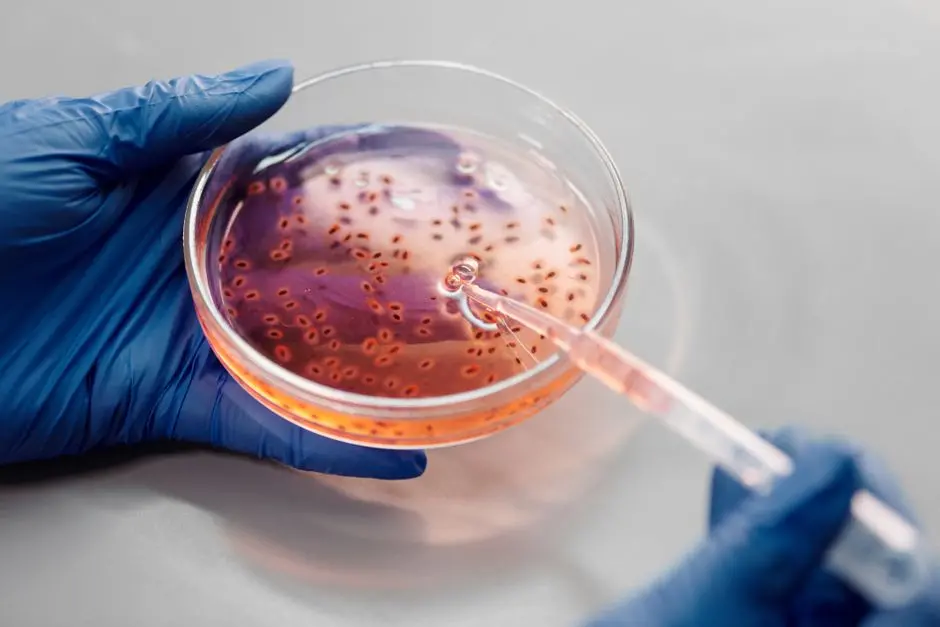
The relentless march of biotechnology propels humanity towards unprecedented capabilities, promising cures for intractable diseases, enhanced human capacities, and sustainable solutions. Yet, this profound power also unveils a labyrinth of ethical dilemmas, demanding our immediate and rigorous attention. We stand at the precipice of a new biological era, where scientific breakthroughs outpace our societal capacity to govern them responsibly. Failing to anticipate and proactively address these challenges risks undermining public trust, exacerbating inequalities, and even threatening our collective future. This article dissects the most pressing future ethical challenges facing biotechnology, from the genetic blueprint of life to the very fabric of human consciousness. We illuminate the complex interplay between innovation, regulation, and moral philosophy, equipping you with the critical foresight needed to navigate this evolving landscape. We champion robust ethical oversight and governance for biomedical innovation to ensure progress serves humanity's highest good, not its potential for harm. Prepare to confront the dilemmas that will define our biological destiny.

The Accelerating Pace of Biotech: A Moral Imperative
The relentless acceleration of biotechnological innovation is not merely a scientific triumph; it is a profound societal provocation. We witness an exponential surge in capabilities, from precision gene editing to the synthesis of novel life forms, propelling us into realms once confined to science fiction. This rapid advancement, however, creates an undeniable ethical lag, where our capacity for scientific creation outpaces our collective wisdom to govern its implications. Forgeons a proactive stance: waiting for crises to emerge is a dereliction of our moral duty. We must initiate robust, forward-thinking dialogues that bridge scientific discovery with ethical foresight. The sheer speed of development means that yesterday's theoretical concerns are today's practical dilemmas, demanding immediate, rigorous attention and a dynamic ethical framework that can evolve with the science. Consider the rapid deployment of gene drives for pest control or the swift development of mRNA vaccines; each leap forward requires an equally agile and well-considered ethical response, often with global implications.
Our challenge is multifaceted. It demands more than reactive legislation; it necessitates the cultivation of a deeply ingrained ethical culture within the scientific community itself. We must champion the precautionary principle, not as an inhibitor of progress, but as an intelligent compass guiding our exploration. This principle compels us to anticipate potential harms before they manifest, fostering responsible innovation. Ignoring this risks irreversible consequences, from unforeseen ecological disruptions to profound societal inequalities, eroding public trust in science. We must actively identify and mitigate the risks of unintended consequences, which grow exponentially with the complexity of biological manipulation and interconnected global systems. Optimisons our approach by integrating diverse perspectives—scientists, ethicists, policymakers, patient advocates, and the public—into every stage of development. This interdisciplinary dialogue is not a luxury; it is the bedrock of legitimate and sustainable progress. We must dismantle the silos that historically separate scientific ambition from ethical reflection, understanding that true innovation is inherently values-driven. We empower ourselves, and future generations, by embedding ethical consideration at the very core of biotechnology's vibrant future. Our failure to act with urgency will leave us perpetually playing catch-up, reacting to ethical breaches rather than proactively shaping a responsible future. We must cultivate a foresight-driven approach to navigate these uncharted waters, ensuring that innovation remains tethered to humanity's best interests.

Genetic Engineering: Reshaping Life's Blueprint
Genetic engineering, epitomized by the revolutionary CRISPR-Cas9 system, empowers us to edit life's fundamental code with unprecedented precision and accessibility. This capability unleashes a torrent of ethical considerations, particularly concerning germline editing. While somatic gene therapy, targeting non-reproductive cells, addresses disease in an individual without affecting their offspring, germline editing alters DNA in reproductive cells, making changes heritable across generations. This distinction is critical: germline modifications forever reshape humanity's genetic legacy, raising profound questions about consent from future, unborn individuals, the potential for unforeseen long-term effects, and the very definition of human identity. We confront the responsibility of making irreversible changes to the human gene pool without the full understanding of future implications.
The specter of "designer babies" is no longer purely speculative. The ability to select or engineer embryos for specific traits—intelligence, athletic prowess, disease resistance—introduces a new frontier of ethical peril. We confront the potential for exacerbated social inequalities, where access to such technologies could create a genetically stratified society, deepening divides between the "enhanced" and the "unenhanced." Who decides which traits are desirable? What constitutes an enhancement versus a therapeutic intervention? The lines blur, demanding meticulous ethical scrutiny and clear societal consensus. We must also grapple with the complex concept of reproductive autonomy. While individuals have rights concerning their reproductive choices, these rights must be balanced against societal responsibilities, the welfare of future generations, and the potential for commercial exploitation. We forge policies that prevent coercive practices and safeguard individuals from market pressures that might promote genetic optimization. Our mission is to ensure genetic technologies serve to alleviate suffering and promote health universally, rather than becoming tools for genetic determinism or the perpetuation of privilege. The ethical path forward requires transparent public debate, robust international consensus, and a commitment to humility when altering the blueprint of life itself, prioritizing human flourishing over genetic perfection.

Neurotechnologies & AI: Mind, Machine, and Morality
The fusion of neurobiology and technology propels us into the ultimate ethical frontier: the human mind. Neurotechnologies, encompassing brain-computer interfaces (BCIs), neural implants, and advanced neuro-stimulation, promise revolutionary treatments for neurological disorders and unparalleled cognitive enhancement. Yet, these innovations ignite a complex web of ethical challenges. Consider the erosion of mental privacy: if our thoughts, intentions, or even memories can be decoded, manipulated, or exploited by external entities, where does the sanctuary of the individual mind reside? We must establish robust frameworks to protect cognitive liberty, ensuring individuals retain complete control over their mental data and processes. The very concept of personal identity could be profoundly challenged as the boundaries between natural cognition and technological augmentation blur, raising questions about authenticity and agency.
Furthermore, the rapid integration of Artificial Intelligence (AI) into biomedical research and clinical practice introduces a new layer of complexity. AI-driven diagnostics, drug discovery platforms, and personalized medicine algorithms hold immense promise for optimizing healthcare. However, their ethical pitfalls are significant. Algorithmic bias, stemming from unrepresentative or historically skewed training data, can lead to diagnostic errors, inequitable treatment recommendations, and exacerbated health disparities, particularly for marginalized or underserved populations. We must rigorously audit AI systems for fairness, transparency, and accountability, ensuring they augment human judgment rather than supplanting ethical responsibility or perpetuating systemic injustices. Data security and the responsible, consent-driven use of vast patient datasets are paramount, requiring advanced encryption and strict access controls. We optimize these technologies by embedding ethical considerations from conception to deployment, requiring ongoing human oversight and ensuring that the pursuit of efficiency never compromises patient autonomy, informed consent, or the fundamental principles of justice. Our objective is to harness the immense power of neurotechnology and AI to advance health, not to inadvertently compromise our most fundamental human rights and dignities or create new forms of control.
Synthetic Biology & Biosecurity: Creating Life, Controlling Risk
Synthetic biology, the deliberate design and construction of novel biological components, devices, and systems, pushes the boundaries of creation itself. From synthesizing entire genomes to engineering "xenobots" – living machines built from biological cells – this field holds transformative potential for medicine, energy, and environmental remediation. However, with the power to create life comes an immense responsibility to manage its inherent risks. The ethical challenges here are profound: what constitutes "life" when it is engineered from scratch? What are our moral obligations to these novel biological entities, particularly if they exhibit emergent properties? What are the potential ecological consequences of their release into natural environments, including unintended impacts on biodiversity or ecosystem stability? We must establish clear ethical guidelines for the creation, containment, and responsible deployment of synthetic organisms, prioritizing biosafety and environmental stewardship above all else.
A paramount concern is biosecurity and the dual-use dilemma. Many synthetic biology tools and techniques, while developed for benevolent purposes, could be weaponized or misused by malicious actors. The increasing ease of access to DNA synthesis technologies, combined with escalating computational power and sophisticated bioinformatics, raises the risk of accidental release or deliberate creation of novel pathogens or toxins with devastating potential. We must implement rigorous safeguards, including comprehensive screening mechanisms for gene synthesis orders, robust risk assessment protocols for dual-use research (DURC), and secure data management practices. International cooperation is crucial to establishing harmonized standards and intelligence sharing to prevent the proliferation of dangerous capabilities. Furthermore, equitable access to the benefits of synthetic biology, particularly in addressing urgent global challenges like disease outbreaks or climate change, must be a core ethical principle, preventing a technological divide. We optimize this revolutionary field by fostering a culture of responsibility, transparency, and global collaboration, ensuring that the creation of new life forms serves the collective good while rigorously mitigating potential catastrophic harms. Our vigilance is the ultimate safeguard against the misuse of this powerful science and its profound implications.

Equitable Access, Commercialization, and Global Governance
The ethical dilemmas in biotechnology extend far beyond the laboratory bench; they permeate the global socioeconomic fabric. A critical future challenge revolves around equitable access to life-saving and life-enhancing biotechnologies. As innovations like advanced gene therapies, CRISPR-based diagnostics, or personalized medicines become available, the stark reality of their often exorbitant costs threatens to exacerbate existing health disparities on a global scale. Will these groundbreaking treatments become luxuries reserved for the wealthy, creating a "two-tiered" healthcare system within and across nations? We must confront this head-on, forging innovative mechanisms to ensure that the benefits of biomedical progress reach all populations, regardless of economic status, geographical location, or social standing. This requires innovative funding models, transparent pricing strategies, compulsory licensing mechanisms where appropriate, and strong commitments from governments, philanthropic organizations, and pharmaceutical companies to prioritize global health equity.
The intersection of biotechnology and commerce further complicates the ethical landscape. Issues of commercialization and intellectual property, such as gene patenting or exclusive licensing agreements, can stifle innovation in developing regions and limit access to essential technologies for populations most in need. The pursuit of profit must be balanced with the imperative of public health and the moral obligation to share life-saving discoveries. We need robust regulatory oversight to prevent exploitative practices, speculative markets, and ensure that commercial interests do not override ethical considerations or public good. Furthermore, the inherently global nature of biotechnology demands equally robust global governance frameworks. National regulations alone are insufficient to address challenges like cross-border genetic tourism, the international flow of biological materials, biosecurity threats, or the global implications of germline editing. We must foster sustained international cooperation, harmonize ethical guidelines, and establish shared norms and enforcement mechanisms to manage these complex issues effectively. We optimize the future of biotechnology by actively building bridges between scientific advancement, ethical deliberation, and global solidarity, ensuring that our collective biological future is one of shared prosperity and justice, not deepening divides or unchecked commercial exploitation.
Key Takeaways
The Unfolding Ethical Labyrinth of Biotechnology
Biotechnology’s rapid evolution, particularly in gene editing, neurotechnologies, synthetic biology, and AI, presents an unprecedented array of ethical dilemmas that demand proactive engagement. The 'ethical lag' between scientific capability and societal governance is a critical challenge.
Genetic Frontiers: Navigating Heritable Changes
Germline gene editing, with its capacity for heritable changes, poses profound questions about consent for future generations, potential societal stratification through "designer babies," and the very definition of human identity. Reproductive autonomy must be balanced with collective societal responsibility.
Mind and Machine: Protecting Cognitive Integrity
Neurotechnologies raise concerns about mental privacy, cognitive liberty, and altered personal identity. AI in medicine requires strict oversight to mitigate algorithmic bias, ensure data security, and maintain human accountability, preventing new forms of discrimination or control.
Creating Life Responsibly: Biosecurity and Ecosystems
Synthetic biology's power to create novel life forms necessitates robust biosafety protocols to prevent ecological harm and rigorous biosecurity measures to counter dual-use threats. Global collaboration is crucial to prevent the misuse of powerful biological tools.
Global Equity and Governance: Sharing Innovation's Promise
Ensuring equitable access to costly biotechnologies is a major ethical imperative. Commercialization, intellectual property, and profit motives must be balanced with public health. Comprehensive global governance frameworks are essential to manage cross-border ethical challenges and ensure shared benefits.
The Imperative of Proactive Ethical Governance
We must move beyond reactive measures to establish interdisciplinary dialogues, champion the precautionary principle, and embed ethical foresight into every stage of biotechnological development. This ensures innovation serves humanity's highest good, fostering trust and sustainable progress.
FAQ
-
What is the primary difference between somatic and germline gene editing in terms of ethical implications?
Somatic gene editing targets non-reproductive cells, with effects limited to the treated individual and not passed to offspring. Ethically, it's akin to other medical treatments, focusing on patient safety and informed consent. Germline editing, however, alters DNA in reproductive cells, making changes heritable. This raises profound ethical concerns regarding consent of future generations, potential unforeseen long-term impacts on the human gene pool, and the moral permissibility of altering the fundamental human blueprint without full understanding.
-
How does the concept of "dual-use research" apply to synthetic biology?
Dual-use research in synthetic biology refers to innovations that, while developed for beneficial purposes (e.g., vaccine development, biofuel production), could also be misused to cause harm (e.g., creating novel bioweapons or toxins). The ethical challenge lies in maximizing the benefits of this powerful technology while rigorously mitigating the risks of accidental release or deliberate malicious application. This necessitates strict biosecurity protocols, researcher training, and international oversight.
-
What role does public engagement play in navigating future biotech ethics?
Public engagement is crucial. Biotechnological advancements affect all of humanity, and ethical frameworks must reflect societal values, not just scientific aspirations. Engaging diverse public groups, patient advocates, and ethicists ensures that concerns about equity, human dignity, and societal impact are heard and integrated into policy development. This fosters public trust, aids in anticipating unintended consequences, and builds consensus for responsible innovation.
-
Can AI truly be "unbiased" in biomedical applications, and what are the ethical safeguards?
Achieving truly "unbiased" AI in biomedical applications is an ongoing challenge. AI systems learn from data, and if that data reflects historical biases or underrepresents certain populations, the AI will perpetuate and even amplify those biases. Ethical safeguards include: rigorous auditing of training data for representativeness; developing AI models with transparency and explainability; implementing fairness metrics during development; continuous monitoring of AI performance in diverse populations; and maintaining robust human oversight to override biased AI recommendations and ensure accountability.
-
What is the "ethical lag" in biotechnology, and why is it problematic?
The "ethical lag" describes the phenomenon where the pace of scientific and technological advancement in biotechnology outstrips society's capacity to develop adequate ethical guidelines, regulatory frameworks, and societal consensus for its responsible application. This lag is problematic because it can lead to technologies being deployed without sufficient foresight into their long-term consequences, potentially causing irreversible harm, eroding public trust, and exacerbating inequalities before ethical considerations can catch up. Proactive dialogue and interdisciplinary collaboration are essential to bridge this gap.