
> Regulations and Bioethics > Ethical Governance in Biomedical Innovation > Redefining Morality: How Emerging Bio-Tech Shapes Our Future
Redefining Morality: How Emerging Bio-Tech Shapes Our Future

The landscape of biological innovation evolves at a breakneck pace, consistently pushing the boundaries of what is possible and, crucially, what is permissible. We stand at a pivotal moment where nascent biotechnologies are not just advancing medicine but fundamentally challenging our core ethical frameworks. This article dissects the intricate nexus where scientific breakthroughs intersect with human values, societal norms, and regulatory imperatives.
We confront the profound bioethical dilemmas sparked by gene editing, artificial intelligence in healthcare, synthetic biology, and neurotechnologies. Understanding these shifts is paramount for anyone navigating the future of life sciences, from researchers and policymakers to innovators and concerned citizens. We equip you with critical insights to comprehend the challenges, anticipate the trajectories, and actively participate in forging a responsible future. Explore how new frontiers compel a re-evaluation of established principles, demanding robust strategies for ethical governance in biomedical innovation. We illuminate the crucial dialogue around the meticulous oversight and governance required for ethical biomedical innovation, ensuring progress aligns with human dignity and collective well-being.

The Genetic Revolution: CRISPR's Ethical Frontier
We dissect the seismic impact of CRISPR-Cas9 and other gene-editing technologies, a force fundamentally altering our interaction with the very blueprint of life. This revolution offers unprecedented power to correct genetic diseases, yet it simultaneously ignites profound bioethical questions. We confront the distinction between somatic cell gene therapy, largely accepted for its therapeutic potential in individuals, and germline editing, which impacts future generations and raises concerns about 'designer babies' and irreversible alterations to the human gene pool. The potential for therapeutic breakthroughs is immense, from curing sickle cell anemia to combating cancer, yet the specter of enhancement rather than therapy looms large. We acknowledge the critical need for global consensus on permissible uses, establishing clear red lines to prevent unintended consequences and avoid exacerbating existing social inequalities. Forge precise ethical frameworks that prioritize patient safety, informed consent, and equitable access, steering this powerful technology towards human benefit rather than unintended harm. We must avoid the common pitfall of technological enthusiasm overshadowing careful ethical deliberation.
Navigating AI's Ethical Labyrinth in Healthcare
Artificial intelligence is rapidly integrating into every facet of healthcare, from diagnostic imaging and personalized medicine to drug discovery and autonomous surgical systems. While AI promises unparalleled efficiency, accuracy, and access, it concurrently introduces a complex web of ethical challenges. We confront issues of data privacy and security, as vast datasets containing sensitive patient information fuel AI algorithms. Algorithmic bias represents another critical concern; if training data reflects existing health disparities or demographic prejudices, AI systems risk perpetuating or even amplifying these inequalities in clinical outcomes. Who bears responsibility when an AI misdiagnoses or makes a flawed treatment recommendation? We demand clear accountability frameworks for autonomous AI systems. Furthermore, the erosion of human connection in care and the potential for 'black box' decision-making processes, where AI rationales are opaque, challenge patient trust and informed consent. We must proactively design AI systems with built-in ethical guardrails, transparency, and human oversight, ensuring they augment rather than diminish human agency and empathy in healthcare delivery. We champion explainable AI and robust regulatory sandboxes to test and refine ethical implementation.
Synthetic Biology: Crafting Life, Confronting Morality
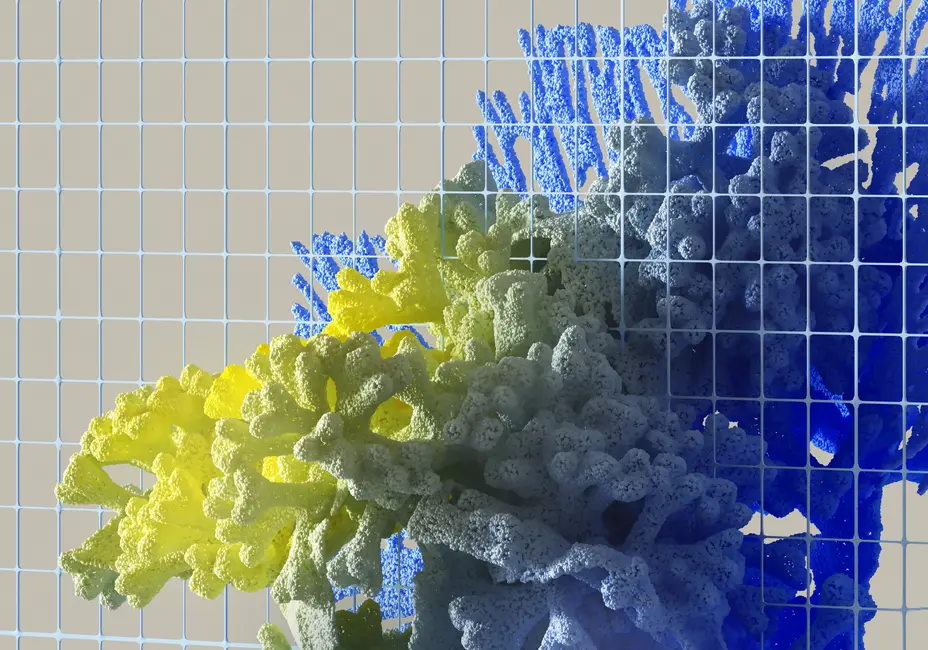
Synthetic biology, the design and construction of new biological parts, devices, and systems, or the redesign of existing natural biological systems, opens up unprecedented possibilities – and equally unprecedented ethical quandaries. We explore the creation of synthetic genomes, de novo life forms, and engineered organisms for purposes ranging from biofuel production and novel therapeutics to bioremediation. The core ethical question revolves around our responsibility as creators of life. What are the implications of designing organisms that do not exist in nature? We face dilemmas regarding the 'playing God' argument, the potential for unintended ecological consequences if synthetic organisms escape containment, and the dual-use potential for bioweapon development. The ease with which genetic constructs can be synthesized and shared globally necessitates vigilant oversight. We advocate for robust biosafety and biosecurity protocols, comprehensive risk assessment methodologies, and public engagement to foster informed dialogue. We must anticipate and mitigate risks before deployment, establishing clear lines of accountability for environmental release or misuse. We forge a proactive stance on governance, prioritizing responsible innovation over unbridled experimentation.

Unlocking the Mind: Neurotechnology's Bioethical Paradox
Neurotechnologies, encompassing brain-computer interfaces (BCIs), deep brain stimulation, and neuro-enhancement tools, promise to revolutionize treatment for neurological disorders and enhance human cognitive capabilities. Yet, these advancements bring us face-to-face with the very essence of human identity and autonomy. We confront the ethical paradox of augmenting the brain: BCIs can restore motor function to paralyzed individuals, but what are the implications of 'mind reading' or direct brain-to-brain communication? The ability to manipulate memories, emotions, or cognitive function raises profound questions about personal identity, free will, and mental privacy. Who owns the data generated by our brains, and who controls access to our neural pathways? We demand the establishment of 'neurorights' – rights to mental privacy, cognitive liberty, and psychological continuity – to protect individuals in an increasingly connected neuro-digital world. The potential for social stratification based on access to cognitive enhancements is a serious concern. We must design neurotechnologies with inherent ethical principles, ensuring they empower rather than exploit, protect rather than invade, and foster equitable access rather than widen divides. We champion interdisciplinary collaboration to navigate these uncharted territories with foresight and wisdom.

Reproductive Futures: Ethical Contours of New Beginnings
Advanced reproductive technologies are continually pushing the boundaries of human procreation, offering hope to many but also introducing complex ethical considerations. We examine innovations such as artificial gametes, which could allow individuals of the same sex or infertile individuals to have genetically related children, and ectogenesis – the development of a fetus entirely outside the womb. These technologies challenge traditional definitions of parenthood, family structures, and even the biological necessity of human gestation. The potential for 'three-parent babies' (mitochondrial donation) already demonstrates our capacity to alter the genetic contributions to offspring. We must meticulously consider the welfare of future children conceived through these methods, ensuring their rights and well-being are paramount. Questions of commodification of life, genetic selection for non-medical traits, and the societal impact on adoption and surrogacy demand careful deliberation. We advocate for transparent regulatory frameworks, robust ethical review processes, and public discourse to guide responsible development. We champion approaches that uphold human dignity, prevent exploitation, and ensure equitable access, always prioritizing the profound implications for future generations. We optimize our policies to embrace progress while safeguarding fundamental ethical tenets.

The Imperative of Global Bioethical Harmonization
The transnational nature of emerging biotechnologies renders isolated national regulations increasingly insufficient. We assert that ethical challenges, from gene editing to AI deployment, demand a harmonized global approach. Scientific innovation transcends borders, and disparate regulatory landscapes risk creating 'ethics shopping' or 'bioethical havens' where less stringent rules attract controversial research. This fragmentation undermines universal ethical standards and could lead to inequitable access to life-saving technologies. We must forge international dialogues, establish common principles, and develop adaptable governance models that can respond to rapid technological advancements. Key components include shared frameworks for data governance, principles for equitable access to emerging therapies, and mechanisms for international collaboration on risk assessment and oversight. We advocate for multilateral agreements, expert commissions, and public-private partnerships to build a cohesive global bioethical infrastructure. Our objective is to ensure that scientific progress serves all humanity, guided by shared values of justice, autonomy, beneficence, and non-maleficence. We ignite a collaborative spirit to overcome geopolitical divides and collectively shape a future where innovation is ethically stewarded for global well-being, avoiding a race to the bottom in ethical standards.
Key Takeaways
CRISPR's Dual Edge
Gene editing offers cures but demands strict ethical lines between therapy and enhancement, especially for heritable changes. We must prioritize global consensus and equitable access to avoid irreversible societal impacts.
Navigating AI's Ethical Imperatives
AI in healthcare brings efficiency but requires vigilant attention to data privacy, algorithmic bias, and clear accountability for autonomous systems. Transparency and human oversight are non-negotiable.
Synthetic Biology's Creative Responsibility
Crafting new life forms necessitates robust biosafety, biosecurity, and risk assessment to prevent unintended ecological consequences or dual-use misuse. We must act as responsible creators.
Neurotechnology and Identity
Advancements in brain-computer interfaces challenge our understanding of identity, autonomy, and mental privacy. The establishment of 'neurorights' is vital to protect individuals from cognitive manipulation or surveillance.
Redefining Reproduction Ethically
Emerging reproductive technologies redefine parenthood. Ethical frameworks must prioritize the welfare of future children, prevent commodification, and ensure equitable access without exploitation.
Global Bioethical Imperative
The global nature of biotech innovation demands harmonized international regulations to prevent 'ethics shopping' and ensure equitable access to progress. Collaboration is key to shared ethical governance.
FAQ
-
What is the primary ethical challenge posed by germline gene editing?
The primary ethical challenge of germline gene editing lies in its potential to introduce heritable changes into the human genome, affecting future generations without their consent. This raises concerns about irreversible alterations, unintended consequences, and the slippery slope towards 'designer babies' or genetic enhancement, exacerbating social inequalities.
-
How does AI impact patient autonomy and privacy in healthcare?
AI impacts patient autonomy through its 'black box' decision-making, where patients may not understand the rationale for recommendations, challenging informed consent. Privacy is threatened by AI's reliance on vast datasets of sensitive patient information, increasing the risk of data breaches and potential misuse.
-
What are 'neurorights' and why are they becoming important?
'Neurorights' are proposed human rights to protect mental privacy, cognitive liberty (freedom over one's own mind), and psychological continuity in the face of advancing neurotechnologies. They are crucial to safeguard individual identity and autonomy as brain-computer interfaces and neural manipulation become more sophisticated.