
Deciphering Epigenetic Gene Regulation

We are forging our understanding of the fundamental mechanisms of life, and few fields are as dynamic and influential as gene expression regulation. Beyond the very sequence of our DNA, an invisible yet powerful orchestrator, epigenetics, dictates the fate of our genes. It is a dimension where environment, development, and disease actively sculpt genomic function, without ever altering the underlying structure of the genetic code.
Explore with us the workings of this sophisticated system that manages cellular plasticity and adaptive responses. In this article, we decode what epigenetic regulation of gene expression is, unveiling its key mechanisms and its profound impact on cell biology, health, and disease. Prepare to dive into the heart of the processes that define life, grasping how our genome adapts and responds to challenges. This is an essential exploration for mastering the molecular control of gene expression in living systems, a quest that will allow us to unlock new frontiers in medicine and biotechnology.

Unveiling the Core Principles of Epigenetic Regulation
We initiate our journey into the fascinating realm of epigenetics, a field that profoundly influences gene expression without altering the underlying DNA sequence. This is a critical distinction: while genetics investigates the blueprint (the DNA sequence), epigenetics examines the annotations on that blueprint, dictating when, where, and how much of a gene is expressed. We understand epigenetics as heritable changes in gene function that do not involve changes in the DNA nucleotide sequence itself. These modifications are crucial for cellular differentiation, allowing a single genome to produce a multitude of cell types, each with its specialized function and gene expression profile.
Our exploration reveals three primary mechanisms that collectively orchestrate this intricate regulation: DNA methylation, histone modifications, and the action of non-coding RNAs. Together, these elements form a dynamic 'epigenetic landscape' that dictates gene accessibility and transcriptional activity. A common pitfall is to confuse epigenetic changes with genetic mutations; remember, epigenetics deals with gene 'readability,' not 'spelling.' By mastering these foundational concepts, we establish a robust framework for understanding how cells respond to internal cues and external stimuli, forging adaptive mechanisms essential for development and survival. This dynamic interplay underscores the profound plasticity of our genomic machinery.

DNA Methylation: The Genomic Silence Strategist
We delve into DNA methylation, a foundational epigenetic mechanism akin to a precise genomic bookmark that often signals gene silencing. This process involves the covalent addition of a methyl group (CH₃) to the fifth carbon position of a cytosine base, predominantly occurring at cytosine-guanine (CpG) dinucleotides. These CpG sites are not evenly distributed across the genome but tend to cluster in regions known as CpG islands, frequently found in gene promoter regions. Unmethylated CpG islands are generally associated with active gene transcription, providing open access for transcription factors.
The methylation machinery comprises a family of enzymes called DNA methyltransferases (DNMTs). Specifically, DNMT3A and DNMT3B are responsible for de novo methylation, establishing new methylation patterns during development. DNMT1, on the other hand, is a 'maintenance' methyltransferase, accurately copying existing methylation patterns to the newly synthesized DNA strand during replication, ensuring epigenetic memory across cell divisions. The functional impact of DNA methylation is profound: it is a primary driver of gene silencing, particularly in promoter regions, contributing to essential biological processes such as genomic imprinting, where only one parental allele is expressed, and X-chromosome inactivation in females. We recognize that approximately 70-80% of CpG sites in the mammalian genome are methylated, underscoring its ubiquitous regulatory power. A key insight: tissue-specific methylation patterns are crucial for maintaining cellular identity.

Histone Modifications: Orchestrating Chromatin Accessibility
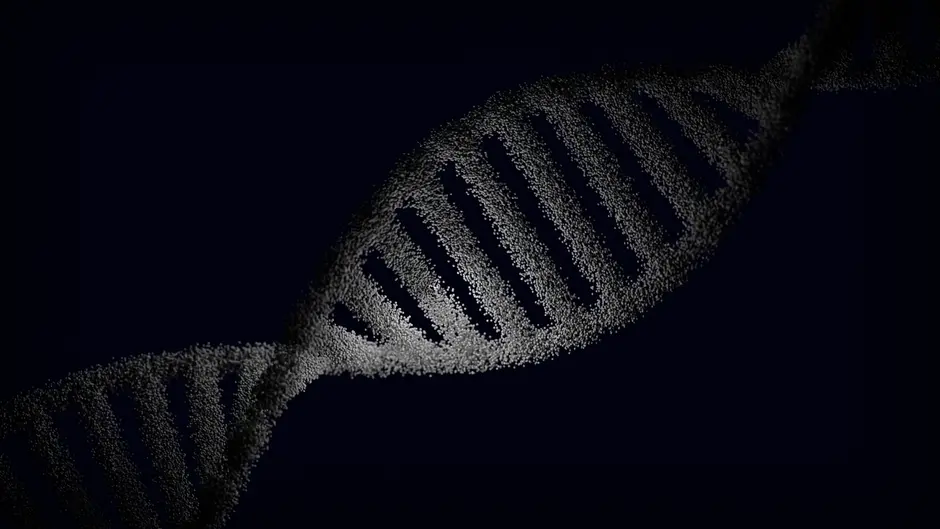
We now illuminate histone modifications, a complex layer of epigenetic regulation that profoundly influences chromatin structure and, consequently, gene accessibility. Our DNA is meticulously packaged around proteins called histones, forming nucleosomes – the fundamental units of chromatin. The N-terminal tails of these histone proteins are subject to a myriad of post-translational modifications, creating a sophisticated 'histone code' that dictates whether DNA is loosely packed (euchromatin, transcriptionally active) or tightly condensed (heterochromatin, transcriptionally repressed).
Key modifications include acetylation, methylation, phosphorylation, and ubiquitination. Each modification, and often combinations thereof, carries specific functional implications. For instance, histone acetylation, primarily by histone acetyltransferases (HATs), reduces the positive charge of histones, loosening their grip on the negatively charged DNA. This 'opening' of chromatin facilitates access for transcriptional machinery, promoting gene expression. Conversely, histone deacetylases (HDACs) remove acetyl groups, leading to chromatin condensation and gene repression. Similarly, histone methylation, catalyzed by histone methyltransferases (HMTs) and removed by lysine demethylases (KDMs), can either activate or repress transcription depending on the specific lysine residue and the number of methyl groups. We identify that H3K4me3 often marks active promoters, while H3K27me3 is a hallmark of repressive regions. Understanding the specific 'language' of these marks is paramount for deciphering gene regulation.
Non-coding RNAs & Chromatin Remodelers: Guiding Epigenetic Machinery
We extend our focus to the crucial roles of non-coding RNAs (ncRNAs) and chromatin remodeling complexes, which act as sophisticated guides and architects of the epigenetic landscape. Beyond the well-known protein-coding genes, a vast universe of ncRNAs directly influences gene expression. Among these, microRNAs (miRNAs) are small (typically 20-22 nucleotides) molecules that primarily regulate gene expression post-transcriptionally by binding to complementary sequences in target messenger RNAs (mRNAs), leading to mRNA degradation or translational repression. However, it's the long non-coding RNAs (lncRNAs), greater than 200 nucleotides in length, that exhibit remarkable versatility in epigenetic regulation. Many lncRNAs act as molecular scaffolds, recruiting epigenetic modifying enzymes (like DNMTs or histone modifiers) to specific genomic loci, thereby establishing or maintaining repressive or active chromatin states. For example, XIST lncRNA is critical for X-chromosome inactivation, coating one X chromosome and guiding its epigenetic silencing.
Complementing these RNA-based mechanisms are the ATP-dependent chromatin remodeling complexes. These molecular machines, including the SWI/SNF, ISWI, and CHD families, utilize the energy from ATP hydrolysis to reposition, evict, or exchange nucleosomes. By altering the precise positioning of nucleosomes along the DNA, these remodelers directly impact the accessibility of DNA to transcription factors and RNA polymerase. This dynamic restructuring allows for rapid and precise changes in gene expression in response to cellular needs. Insider tip: The highly tissue-specific expression of many lncRNAs positions them as potent, yet complex, targets for therapeutic intervention.
Epigenetics in Health, Disease, and Therapeutic Frontiers
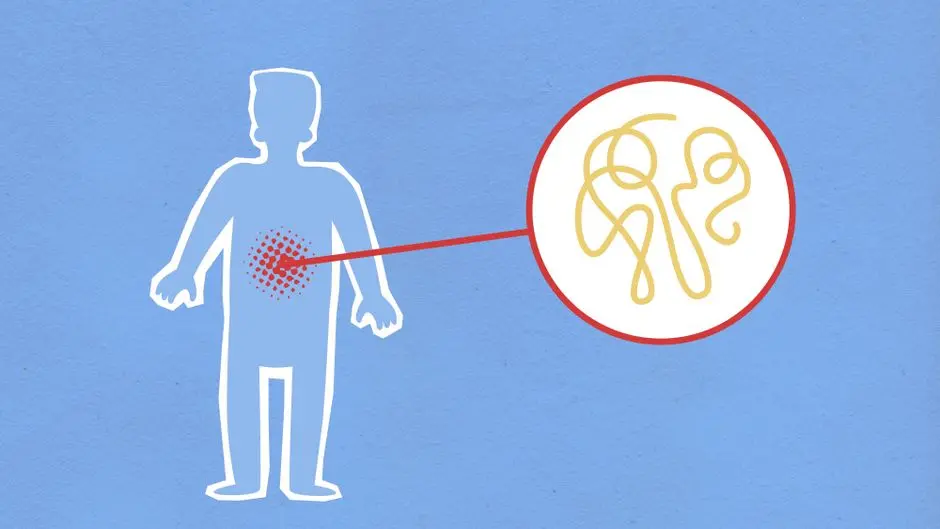
We culminate our exploration by examining the profound implications of epigenetic regulation for human health, disease, and the burgeoning landscape of therapeutic interventions. Epigenetic mechanisms are pivotal throughout development, orchestrating cell fate determination and maintaining cell identity. They serve as a crucial interface between our genome and the environment, demonstrating how factors like diet, stress, and exposure to toxins can induce long-lasting epigenetic changes, sometimes even transgenerationally. Studies on famine and maternal care vividly illustrate this developmental plasticity.
However, dysregulation of these finely tuned processes is a hallmark of numerous pathologies. In cancer, for instance, we observe aberrant DNA methylation (e.g., hypermethylation of tumor suppressor gene promoters leading to their silencing, or global hypomethylation promoting genomic instability) and altered histone modification patterns. Epigenetic abnormalities are also increasingly implicated in neurological disorders such as Alzheimer's, schizophrenia, and depression, as well as in the process of aging, where 'epigenetic drift' contributes to cellular dysfunction. This understanding has propelled the development of epigenetic drugs. We recognize clinically approved agents like DNMT inhibitors (e.g., Azacitidine, Decitabine) and HDAC inhibitors (e.g., Vorinostat, Romidepsin), primarily used in oncology to reactivate silenced tumor suppressor genes. Looking ahead, advanced strategies include targeted epigenetic editing using CRISPR-based systems, offering unparalleled precision to correct specific epigenetic errors. We face the challenge of understanding the intricate context-dependency of epigenetic marks, a hurdle we are actively conquering to unlock the full therapeutic potential of epigenetics for personalized medicine.
Key Takeaways
Epigenetic Regulation: Beyond the DNA Sequence
We define epigenetic regulation as heritable changes in gene function not involving DNA sequence alterations. This system dictates gene 'readability' rather than the blueprint itself, crucial for cell differentiation and environmental adaptation. Key mechanisms include DNA methylation, histone modifications, and non-coding RNAs, forming a dynamic landscape that governs gene accessibility.
DNA Methylation: The Gene Silencer
DNA methylation involves adding a methyl group to cytosine, predominantly at CpG sites, particularly in gene promoter regions. DNMTs establish (de novo) and maintain these patterns, often leading to gene silencing. This process is vital for genomic imprinting and X-chromosome inactivation, underscoring its role in establishing stable, tissue-specific gene expression patterns.
Histone Modifications: Chromatin's Code
Histone modifications are post-translational changes to histone tails, such as acetylation, methylation, and phosphorylation. These modifications alter chromatin structure, influencing DNA accessibility. Acetylation typically 'opens' chromatin for transcription, while methylation can activate or repress depending on the site. The 'histone code' hypothesis posits that combinations of these marks dictate specific transcriptional outcomes.
Non-coding RNAs & Chromatin Remodelers: Dynamic Orchestrators
Non-coding RNAs, including miRNAs (post-transcriptional repression) and lncRNAs (scaffolds for epigenetic enzymes), guide specific epigenetic modifications. ATP-dependent chromatin remodeling complexes (e.g., SWI/SNF) actively reposition nucleosomes, altering DNA accessibility. These elements work in concert to dynamically regulate gene expression and maintain genomic plasticity.
Epigenetics: Disease Links & Therapeutic Promise
Epigenetic dysregulation is linked to numerous diseases, including cancer (aberrant methylation, histone marks), neurological disorders, and aging. Environmental factors significantly influence epigenetic profiles. Therapeutic strategies, like DNMT and HDAC inhibitors, are emerging to target these changes, with future advancements pointing towards precise CRISPR-based epigenetic editing to restore healthy gene expression.
FAQ
-
How do epigenetic changes differ from genetic mutations?
Epigenetic changes modify gene expression without altering the underlying DNA sequence, focusing on how genes are read. Genetic mutations, conversely, involve permanent alterations to the DNA sequence itself. We can think of epigenetic changes as altering the 'software' (how the genes are used), while mutations alter the 'hardware' (the genetic code itself).
-
Are epigenetic marks reversible?
Absolutely. Unlike genetic mutations, many epigenetic marks are highly dynamic and reversible. We observe enzymes actively adding and removing methyl groups (demethylases) and acetyl groups (HDACs), allowing cells to rapidly adjust gene expression in response to developmental cues or environmental stimuli. This reversibility is a key aspect we are leveraging in epigenetic therapies.
-
Can environmental factors influence epigenetic regulation?
Indeed. We have robust evidence demonstrating that environmental factors such as diet, stress, exposure to toxins, and even social interactions can induce significant and lasting epigenetic changes. These influences can alter DNA methylation patterns or histone modifications, impacting gene expression and contributing to disease susceptibility or resilience across an individual's lifetime and potentially across generations.