
> Advanced Molecular Biology > Gene Regulation Mechanisms > Unravel Epigenetics: Shaping Gene Regulation Beyond the DNA Code
Unravel Epigenetics: Shaping Gene Regulation Beyond the DNA Code
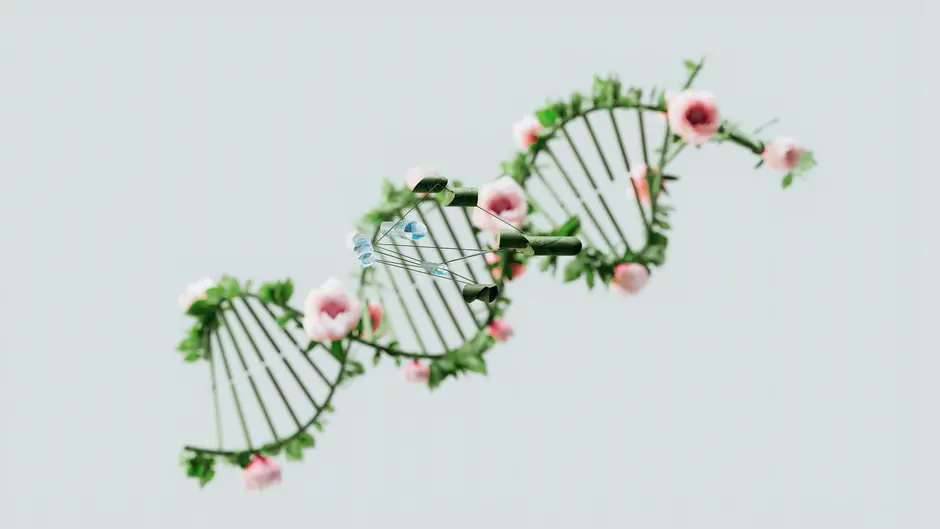
We stand at the precipice of a profound biological revolution, where the genome is no longer the sole arbiter of cellular destiny. Beyond the sequence of adenine, guanine, cytosine, and thymine lies a complex, dynamic layer of control: epigenetics. This intricate system orchestrates which genes are active and which remain silent, profoundly influencing everything from our development and health to our susceptibility to disease. Understanding why epigenetics matters in gene regulation is not merely an academic exercise; it is a critical endeavor that unlocks new frontiers in medicine, biotechnology, and our fundamental grasp of life itself.
We embark on an expedition into the molecular mechanisms that dictate gene expression without altering the underlying DNA sequence. We will dissect the core epigenetic machinery – DNA methylation, histone modifications, and non-coding RNAs – and reveal how these elements form an intricate regulatory network. This journey empowers us to comprehend the adaptability of biological systems and the profound implications for human health. Grasping these regulatory nuances is essential for anyone seeking a deep comprehension of the molecular control of gene expression in living systems. Forge a deep understanding of these powerful, often reversible, modifications that determine cellular identity and function. Prepare to challenge conventional thinking and embrace a holistic view of genomic control.
Foundations: The Epigenetic Paradigm Shift
For decades, our understanding of heredity centered on the immutable DNA sequence. The central dogma of molecular biology posited that information flows from DNA to RNA to protein, with DNA as the master blueprint. However, the advent of epigenetics has initiated a paradigm shift, revealing that the genomic blueprint is not a fixed instruction manual but a dynamic, annotatable text. We define epigenetics as the study of heritable changes in gene expression that occur without alterations to the primary DNA sequence itself. These modifications act as an additional layer of information, dictating when and where genes are turned on or off. Consider the staggering complexity: every cell in our body contains nearly identical DNA, yet a neuron functions distinctly from a liver cell. Epigenetics provides the critical explanation, establishing unique gene expression profiles that define cellular identity and specialized functions.
This fundamental concept extends beyond cellular differentiation, encompassing developmental programming, adaptation to environmental cues, and even transgenerational inheritance. We recognize that the epigenome is profoundly responsive, sculpted by internal signals and external stimuli throughout an organism's lifespan. Unlike genetic mutations, epigenetic changes are often reversible, presenting extraordinary opportunities for therapeutic intervention. We are not merely uncovering molecular mechanisms; we are revealing the very essence of biological adaptability and phenotypic plasticity. Embrace this expanded view of genetic information, where the 'how' and 'when' of gene expression are as crucial as the 'what' of the DNA code.
Architects of Regulation: Key Epigenetic Mechanisms
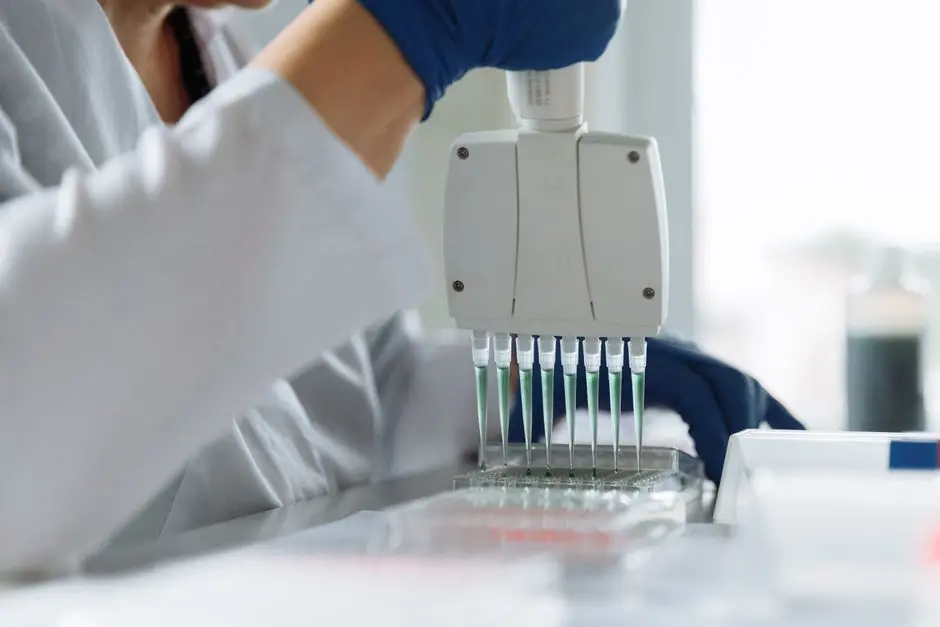
We now dive into the core molecular machinery that orchestrates epigenetic regulation. Three primary mechanisms stand as the pillars of this control system: DNA methylation, histone modifications, and non-coding RNAs. Each mechanism employs distinct strategies to influence chromatin structure and gene accessibility, but they frequently interact in a synergistic fashion to fine-tune gene expression.
DNA Methylation: This process involves the covalent addition of a methyl group (CH3) to the fifth carbon of a cytosine base, primarily occurring at CpG dinucleotides. In mammals, dense CpG methylation in gene promoter regions typically correlates with gene silencing. This modification acts as a critical repressive mark, often blocking transcription factor binding or recruiting methyl-CpG-binding proteins that further compact chromatin. The enzymes responsible, DNA methyltransferases (DNMTs), are essential for establishing and maintaining these patterns, crucial for embryogenesis and cellular identity.
Histone Modifications: DNA in eukaryotic cells is wrapped around histone proteins, forming nucleosomes, the fundamental units of chromatin. The N-terminal tails of histones are subject to a myriad of post-translational modifications, including acetylation, methylation, phosphorylation, ubiquitylation, and sumoylation. These modifications alter the charge and shape of histones, influencing how tightly DNA is wound around them. For instance, histone acetylation (mediated by HATs) generally loosens chromatin structure, promoting gene activation, while deacetylation (by HDACs) often leads to condensation and repression. Histone methylation, while more complex, can be both activating or repressive depending on the specific residue and number of methyl groups. We interpret these modifications as a 'histone code,' where specific combinations dictate the local chromatin state and subsequent gene activity.
Non-coding RNAs (ncRNAs): Beyond their roles in translation, a vast array of RNA molecules do not encode proteins but play direct regulatory roles. MicroRNAs (miRNAs) are small (approx. 22 nucleotides) ncRNAs that typically repress gene expression by binding to complementary sequences in target messenger RNAs (mRNAs), leading to their degradation or translational inhibition. Long non-coding RNAs (lncRNAs), exceeding 200 nucleotides, exhibit remarkable functional diversity. They can act as scaffolds, guides, decoys, or enhancers, influencing chromatin structure, recruiting epigenetic modifying enzymes, or regulating transcription factor activity. This intricate network of ncRNAs adds another layer of sophisticated control, demonstrating the multifaceted nature of epigenetic regulation.

Epigenetic Dynamics: Development, Disease, and Environmental Impact
The dynamic nature of the epigenome is fundamentally critical for orchestrating life's most complex processes, from embryonic development to cellular responses to environmental stressors, and unfortunately, in the etiology of numerous diseases. We observe that epigenetic modifications are not static; they are highly plastic, undergoing extensive reprogramming during crucial developmental windows and continuously adapting throughout an organism's lifespan.
Development and Cellular Differentiation: Epigenetics is the silent architect of development. During embryogenesis, a totipotent zygote gives rise to diverse cell types, each with a unique epigenetic landscape that dictates its specialized function. We witness massive epigenetic reprogramming events, such as the erasure and re-establishment of methylation patterns, essential for resetting cellular identity. This intricate ballet ensures that muscle cells express muscle-specific genes while neuronal cells activate their distinct genetic programs, all from the same foundational DNA sequence. Errors in these precise epigenetic programs can lead to developmental abnormalities and diseases.
Disease Etiology: We unequivocally link aberrant epigenetic regulation to a spectrum of human diseases, most notably cancer. In malignant transformation, we frequently observe widespread changes in DNA methylation (hypomethylation of oncogenes and hypermethylation of tumor suppressor genes), altered histone modification patterns, and dysregulated ncRNA expression. These epigenetic dysregulations contribute directly to uncontrolled cell proliferation, impaired DNA repair, and metastatic potential. Beyond cancer, epigenetics is implicated in neurological disorders (e.g., Alzheimer's, Parkinson's), metabolic syndromes, cardiovascular disease, and autoimmune conditions. We recognize that these epigenetic misconfigurations often precede or co-occur with genetic mutations, forming a complex disease landscape.
Environmental Responsiveness: The epigenome serves as a crucial interface between our genes and the environment. We have compelling evidence that diet, stress, exposure to toxins, and even social interactions can induce stable epigenetic changes that influence gene expression and phenotype. These environmentally induced modifications can have lasting impacts on health and disease susceptibility, not only for the exposed individual but potentially for subsequent generations (transgenerational epigenetic inheritance). This plasticity highlights epigenetics as a key mechanism for adaptation and underscores the profound influence of lifestyle on our biological destiny. We are leveraging this understanding to develop strategies for personalized health and disease prevention.

Interventions & Innovations: Harnessing Epigenetic Control
The reversibility of many epigenetic modifications presents an extraordinary opportunity for therapeutic intervention. Unlike irreversible genetic mutations, epigenetic changes offer promising targets for novel drug development. We are actively exploring and developing compounds designed to modulate the activity of epigenetic enzymes, aiming to correct aberrant gene expression patterns associated with various diseases. This emerging field of 'epigenetic therapy' is rapidly transforming the landscape of precision medicine.
Targeting Epigenetic Enzymes: Our focus primarily includes inhibitors of DNA methyltransferases (DNMTs) and histone deacetylases (HDACs). DNMT inhibitors, such as azacytidine and decitabine, are already approved for the treatment of myelodysplastic syndromes and certain leukemias. These drugs work by incorporating into DNA, leading to passive demethylation and reactivation of silenced tumor suppressor genes. Similarly, HDAC inhibitors like vorinostat and romidepsin are utilized in certain lymphomas, promoting histone acetylation and restoring gene expression that suppresses cell growth. We are witnessing a surge in the development of more specific and potent inhibitors for a broader range of epigenetic targets, including histone methyltransferases (HMTs) and demethylases (HDMs).
Beyond Enzyme Inhibition: Our innovation extends beyond small molecule inhibitors. We explore strategies that leverage non-coding RNAs, particularly miRNAs, as therapeutic agents or targets. Modulating miRNA expression or activity can rebalance gene networks implicated in disease. Furthermore, emerging gene-editing technologies, like CRISPR-Cas9, are being adapted for epigenetic engineering (CRISPR-Epigenome Editing). These tools allow us to precisely target specific genomic loci to activate or repress gene expression through targeted delivery of epigenetic modifiers, without altering the underlying DNA sequence. This represents a monumental leap towards highly specific and reversible gene control.
Challenges and Opportunities: While the potential is immense, we recognize the challenges: achieving target specificity, minimizing off-target effects, and understanding the complex interplay between different epigenetic marks. However, the continuous refinement of drug design, advanced delivery systems, and sophisticated diagnostic tools for epigenetic profiling are rapidly overcoming these hurdles. We are forging a future where personalized epigenetic interventions will restore healthy gene expression, offering novel solutions for previously intractable diseases and optimizing human biological potential.
Mapping the Epigenome: Technologies and Future Frontiers
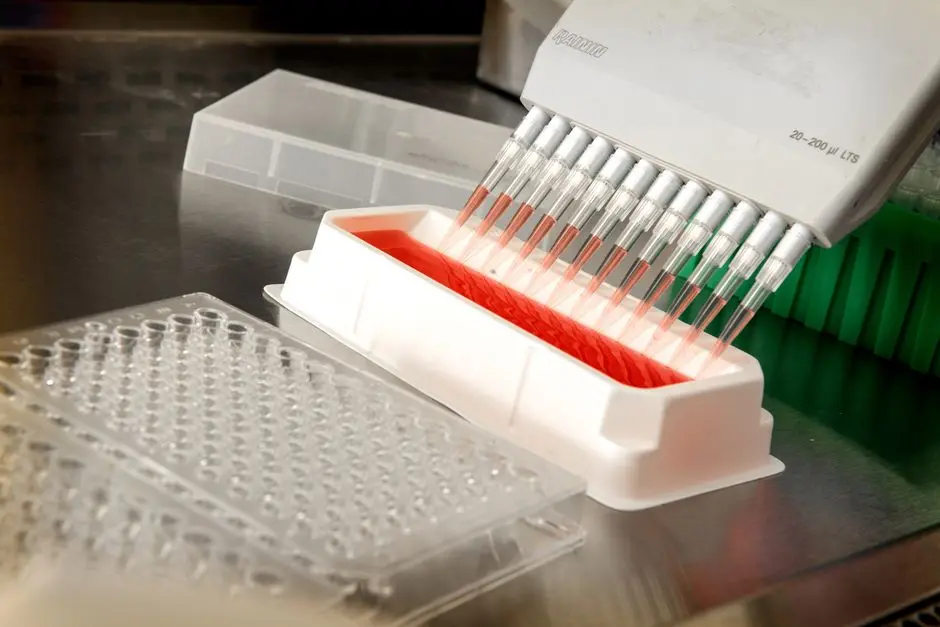
To truly harness the power of epigenetics, we must accurately map and understand the complex landscape of epigenetic marks across the genome. We employ a sophisticated arsenal of high-throughput technologies that allow us to profile DNA methylation, histone modifications, and non-coding RNA expression with unprecedented resolution and scale. These methodologies are foundational for both basic research and the development of clinical diagnostics and therapeutics.
DNA Methylation Profiling: We primarily utilize bisulfite sequencing, the gold standard for methylation analysis. Bisulfite treatment converts unmethylated cytosines to uracil, while methylated cytosines remain unchanged. Subsequent sequencing reveals the methylation status of individual CpG sites across the genome (Whole-Genome Bisulfite Sequencing, WGBS) or targeted regions (Reduced Representation Bisulfite Sequencing, RRBS). Immunoprecipitation-based methods (MeDIP-seq) also provide valuable insights into methylation patterns. These techniques allow us to identify precise regions of hyper- or hypomethylation that correlate with disease states or developmental stages.
Histone Modification Analysis: Chromatin Immunoprecipitation Sequencing (ChIP-seq) is our go-to method for mapping histone modifications and transcription factor binding sites. In ChIP-seq, specific antibodies are used to enrich DNA fragments associated with a particular histone mark or protein. High-throughput sequencing of these fragments then reveals their genomic locations. Assay for Transposase-Accessible Chromatin using sequencing (ATAC-seq) provides a genome-wide map of chromatin accessibility, identifying regions of open chromatin indicative of active regulatory elements. These tools allow us to decipher the intricate histone code and its impact on gene regulation.
Non-coding RNA Analysis: We rely on advanced RNA sequencing (RNA-seq) to quantify and identify novel non-coding RNAs, including miRNAs and lncRNAs. Specialized small RNA sequencing protocols are crucial for accurately profiling miRNAs due to their small size. Beyond expression levels, techniques like CLIP-seq (Cross-Linking Immunoprecipitation) enable us to map the precise binding sites of RNA-binding proteins and non-coding RNAs on their target transcripts. These comprehensive approaches provide a holistic view of the ncRNA regulatory network.
Future Frontiers: The future of epigenetic research is rapidly evolving towards single-cell epigenomics, allowing us to characterize epigenetic heterogeneity within complex tissues. We envision increasingly integrated multi-omics approaches, combining epigenetic, genetic, transcriptomic, and proteomic data to build comprehensive models of gene regulation. The ultimate frontier is the development of robust, non-invasive epigenetic biomarkers for early disease detection, prognosis, and monitoring therapeutic responses. We are forging a path where epigenetic insights unlock the full potential of personalized and predictive medicine, revolutionizing our approach to health and disease management.
Key Takeaways
Epigenetics: Beyond the DNA Code
Epigenetics involves heritable changes in gene expression without altering the DNA sequence. It explains how cells with identical DNA differentiate into specialized tissues and functions, acting as a crucial regulatory layer that determines which genes are active or silent. This dynamic system is fundamental for development, cellular identity, and environmental adaptation.
Core Epigenetic Mechanisms
Key mechanisms include DNA Methylation (adding methyl groups to cytosines, usually silencing genes), Histone Modifications (post-translational changes to histones like acetylation or methylation, altering chromatin structure and gene accessibility), and Non-coding RNAs (miRNAs and lncRNAs that regulate gene expression by targeting mRNAs or modulating chromatin). These mechanisms often interact to form complex regulatory networks.
Impact on Development and Disease
Epigenetics is vital for development and cellular differentiation, orchestrating cell-specific gene expression. Aberrant epigenetic regulation is a hallmark of many diseases, particularly cancer (e.g., altered methylation of tumor suppressors) and neurological disorders. The environment (diet, stress, toxins) can induce stable epigenetic changes, influencing health and disease susceptibility across an individual's lifespan and potentially across generations.
Therapeutic Potential and Future Directions
The reversibility of epigenetic marks makes them attractive therapeutic targets. Current epigenetic therapies include DNMT and HDAC inhibitors, particularly for cancers. Emerging strategies involve modulating non-coding RNAs and using CRISPR-based tools for epigenetic editing. Future research aims at single-cell epigenomics, multi-omics integration, and developing non-invasive epigenetic biomarkers for personalized medicine and early disease detection.
FAQ
-
What is the primary difference between genetics and epigenetics?
Genetics refers to the study of heritable traits encoded within the DNA sequence itself, including mutations or variations in the sequence. Epigenetics, in contrast, investigates heritable changes in gene expression that occur without altering the underlying DNA sequence. Essentially, genetics is about the 'letters' of the genomic instruction manual, while epigenetics is about the 'annotations' or 'bookmarks' that tell the cell which parts of the manual to read and when.
-
Are epigenetic changes permanent or reversible?
Most epigenetic changes are remarkably dynamic and reversible. While they can be stable enough to be inherited through cell divisions (and sometimes across generations), they can also be modified by environmental factors, lifestyle changes, and specific therapeutic interventions. This reversibility makes epigenetics an attractive target for novel drug development aimed at correcting aberrant gene expression patterns in diseases like cancer.
-
How do environmental factors influence epigenetics?
Environmental factors, including diet, stress, exercise, exposure to toxins, and even social interactions, can profoundly influence the epigenome. These external stimuli can trigger changes in DNA methylation patterns, histone modifications, or non-coding RNA expression. Such modifications can lead to stable alterations in gene expression, impacting health, disease susceptibility, and phenotypic traits throughout an individual's life and potentially even across generations.
-
Can epigenetics be passed down to offspring?
Yes, while the primary focus of inheritance is typically genetic, there is increasing evidence for transgenerational epigenetic inheritance. This occurs when epigenetic marks acquired by a parent are passed on to their offspring, influencing the offspring's phenotype or disease risk, without any change in the DNA sequence. This phenomenon is still an active area of research, particularly in mammals, but it highlights another layer of hereditary information.