
> Advanced Molecular Biology > Gene Regulation Mechanisms > Master Long-Range DNA Regulation: Unveiling Genome Architecture
Master Long-Range DNA Regulation: Unveiling Genome Architecture
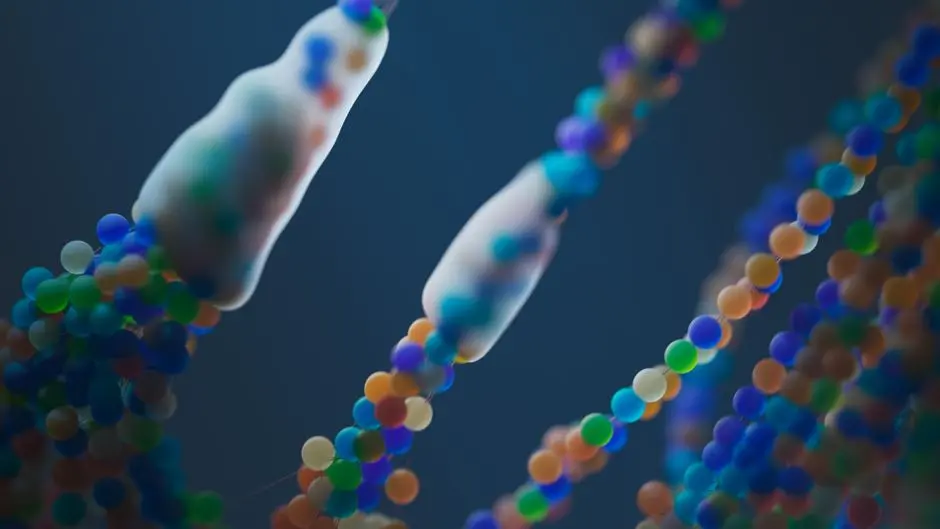
The genome, far from a simple linear code, orchestrates life through intricate regulatory networks of unparalleled complexity. Gene expression, the fundamental process dictating cellular identity and function, relies on a sophisticated ballet of interactions that extend far beyond immediate promoter regions. How does a single DNA sequence, millions of base pairs away, dictate whether a gene is active or silent? We embark on a journey to precisely decode these long-range DNA regulation mechanisms, exploring with surgical precision how distant genomic elements communicate across vast nuclear distances to finely tune gene activity.
This deep dive illuminates the critical strategies living systems employ for the molecular control of gene expression, revealing the profound implications for development, disease progression, and the frontier of therapeutic intervention. Understanding these complex, three-dimensional genomic dialogues is no longer a niche pursuit; it is a foundational pillar for any true bio-strategist aiming to optimize biological outcomes. We must collectively master this intricate architectural language to unlock unprecedented insights into the dynamism of the eukaryotic genome. Prepare to dissect the hidden connections that govern our genetic destiny and forge new pathways in biomedical discovery.

Deconstruct Genomic Architecture: Beyond Linear Control
Long-range DNA regulation fundamentally transcends the traditional, linear view of gene control, where regulatory elements reside immediately adjacent to their target genes. For decades, our understanding of gene expression focused predominantly on proximal promoters and their direct interaction with basal transcription machinery. However, the sheer complexity of eukaryotic gene regulation, particularly in multicellular organisms, demands a far more sophisticated and dynamic model. We now unequivocally recognize that genomic regions separated by tens, hundreds, or even millions of base pairs frequently communicate across vast nuclear distances to orchestrate precise spatio-temporal gene expression.
This architectural imperative arises from the cellular need for exquisitely finely tuned control across diverse cell types, developmental stages, and environmental responses. Consider the classic example of the beta-globin locus: its robust expression during erythroid development is critically governed by a powerful Locus Control Region (LCR) located more than 50 kilobases upstream of the globin genes. This is a stark, undeniable example of distant command, illustrating the profound influence exerted by elements far removed in linear sequence.
This paradigm shift compels us to envision the genome not as a static, linear string of information, but as a dynamic, three-dimensional entity where spatial proximity, rather than mere linear distance, dictates functional interaction. The nucleus is not a random soup; it is a highly organized organelle, actively shaping chromatin. Embracing this 3D genome concept is the first, indispensable step in mastering the true extent of genetic regulation. We confront the challenge of deciphering the molecular mechanisms that bridge these vast distances, a critical inquiry for advancing our molecular understanding and forging new pathways in genomic engineering.
Insider Tip: Never underestimate the power of seemingly 'empty' genomic regions. Many contain crucial, yet unannotated, long-range regulatory elements. A significant portion of GWAS hits associated with disease risk fall into non-coding regions, underscoring the functional importance of these distant regulatory landscapes. We must actively seek to characterize these dark matter elements of the genome.

Unleash Enhancers and Insulators: The Looping Symphony
The core players in long-range regulation are distinct DNA elements: enhancers, silencers, and insulators. Enhancers are short DNA sequences, often thousands to millions of base pairs away from their target gene, that significantly boost transcription rates. Silencers, conversely, dampen gene expression. Insulators act as genomic boundaries, preventing regulatory elements from influencing genes in adjacent domains, thus maintaining transcriptional autonomy. The crucial mechanism that brings these distant elements into functional proximity is chromatin looping. This dynamic process forms physical bridges between enhancers and promoters, enabling direct molecular communication.
The formation of these loops is primarily mediated by specific architectural proteins, most notably CTCF (CCCTC-binding factor) and the cohesin complex. CTCF binding sites often demarcate the boundaries of topologically associating domains (TADs), which are self-interacting genomic regions that confine enhancer-promoter interactions. Cohesin then stabilizes these loops by holding distant DNA segments together. The precise positioning of CTCF sites and the dynamic loading and unloading of cohesin are critical for establishing and regulating these genomic loops. Errors in this looping architecture can lead to misexpression of genes, often with severe pathological consequences.
Best Practice: When analyzing genomic regions, always consider the impact of TAD boundaries and potential enhancer-promoter loops. A gene's expression is not solely determined by its local promoter; it is profoundly influenced by its entire 3D chromatin neighborhood. We must move beyond linear maps and visualize the genome in its true spatial dimension to comprehend its regulatory logic.
This looping symphony is a finely tuned process, susceptible to disruption. Understanding its conductors and instruments is paramount for any intervention strategy.

Command Gene Expression: Molecular Conductors and Orchestrators
The communication across chromatin loops involves a complex molecular orchestra. At the heart of this orchestration are transcription factors (TFs), proteins that bind to specific DNA sequences within enhancers and promoters. These TFs are not solitary actors; they recruit a cadre of co-regulatory proteins that mediate the actual changes in chromatin state and transcriptional activity. These co-regulators include co-activators, which promote gene expression, and co-repressors, which inhibit it.
A critical class of co-regulators comprises enzymes that modify histones, the proteins around which DNA is wrapped to form chromatin. Histone Acetyltransferases (HATs) add acetyl groups to histones, generally opening chromatin and facilitating gene access. Conversely, Histone Deacetylases (HDACs) remove these groups, leading to condensed, transcriptionally repressed chromatin. Other modifications, such as methylation, phosphorylation, and ubiquitination, add further layers of complexity to this epigenetic code. Chromatin remodelers, like the SWI/SNF complex, physically move or evict nucleosomes, altering DNA accessibility without modifying histones directly.
The combinatorial binding of specific TFs to enhancer regions, coupled with the recruitment of distinct sets of co-activators or co-repressors, dictates the precise output of gene expression. This intricate interplay allows for highly specific and context-dependent gene regulation, ensuring that each cell type expresses the correct repertoire of genes at the right time. We must dissect these intricate molecular partnerships to truly understand the switches and dimmers of our genetic programs. An error in any of these components can lead to profound cellular dysfunction.
Common Pitfall: Overlooking the dynamic nature of TF binding and co-regulator recruitment. These interactions are not static; they fluctuate based on cellular signals, developmental cues, and environmental stimuli. Focusing only on static binding sites misses the crucial temporal dimension of gene regulation.

Decipher the Distant Dialogue: Cutting-Edge Genomic Techniques
To truly master long-range DNA regulation, we must employ advanced tools capable of mapping these intricate interactions. The advent of Chromosome Conformation Capture (3C) technologies and their derivatives has revolutionized our understanding of 3D genome architecture. The flagship technique, Hi-C, allows us to globally map all pairwise interactions between DNA regions across the entire genome, generating comprehensive interaction matrices. These matrices reveal TADs, chromatin loops, and even higher-order chromatin organization.
More targeted approaches include ChIA-PET (Chromatin Interaction Analysis with Paired-End Tag Sequencing), which identifies interactions anchored by specific proteins (e.g., RNA polymerase II or CTCF), offering a protein-centric view of looping. 4C (Circularized Chromosome Conformation Capture) and 5C (Chromosome Conformation Capture Carbon Copy) provide high-resolution insights into interactions involving a specific locus of interest. The latest frontier includes CRISPR-based approaches, such as CRISPR-mediated genome editing to perturb specific enhancer-promoter contacts, or CRISPR-imaging to visualize chromatin dynamics in live cells.
The Challenge: Distinguishing functional, stable interactions from transient, random encounters within the crowded nuclear environment remains a critical hurdle. Interpreting Hi-C data requires sophisticated computational biology and careful validation. We must apply rigorous experimental design to avoid drawing false correlations from complex datasets.
These techniques empower us to experimentally probe and validate the theories of long-range regulation. We must continuously refine our methodological arsenal to keep pace with the genome's inherent complexity, pushing the boundaries of what is observable and quantifiable.
Propel Discovery: Clinical Frontiers and Future Trajectories
The implications of understanding long-range DNA regulation extend directly into clinical practice and our comprehension of disease pathogenesis. Dysregulated enhancer-promoter interactions are increasingly implicated in a spectrum of human diseases. In cancer, for example, aberrant chromatin looping can bring oncogenes under the control of powerful enhancers, driving uncontrolled cell proliferation. Conversely, essential tumor suppressor genes can be silenced if their enhancers are aberrantly insulated or their promoters are sequestered. Developmental disorders often trace back to mutations in non-coding regions that disrupt critical long-range regulatory contacts, leading to misexpression of genes essential for normal development.
The insights gleaned from mapping 3D genome architecture are forging new avenues for therapeutic intervention. Strategies are emerging to correct aberrant chromatin loops, manipulate enhancer activity, or restore proper insulator function. This could involve small molecules targeting chromatin modifying enzymes, or even precision genome editing tools like CRISPR to correct specific regulatory element dysfunctions. We are poised to develop targeted therapies that address the root causes of disease at the genomic architectural level.
Future Trajectories: The field is rapidly advancing towards single-cell Hi-C and other single-cell conformation capture techniques, enabling us to observe 3D genome dynamics in heterogeneous cell populations. Artificial intelligence and machine learning are becoming indispensable for predicting functional interactions from vast genomic datasets, moving us beyond purely experimental approaches. We must embrace these technological convergences to unlock the full potential of personalized and precision medicine. Our mission is to transform theoretical knowledge into tangible health solutions, driving forward a future where genomic architecture is a direct therapeutic target.
Key Takeaways
3D Genome Architecture is Paramount
Gene regulation extends beyond linear DNA sequence to a dynamic, 3D organization within the nucleus. Distant enhancers, silencers, and insulators communicate with promoters via chromatin loops, orchestrated by architectural proteins like CTCF and cohesin.
Molecular Players Orchestrate Expression
Transcription factors bind to regulatory elements, recruiting co-activators, co-repressors, histone modifying enzymes (e.g., HATs, HDACs), and chromatin remodelers. This combinatorial molecular interplay dictates precise gene activation or repression.
Advanced Techniques Decipher Interactions
Technologies like Hi-C, ChIA-PET, 4C/5C, and CRISPR-based tools are essential for mapping and perturbing long-range DNA interactions, providing critical insights into genomic architecture and its functional consequences.
Clinical Relevance and Future Impact
Dysregulated long-range interactions are central to diseases like cancer and developmental disorders. Understanding these mechanisms opens new avenues for therapeutic interventions, including targeting aberrant loops and leveraging single-cell genomics and AI for precision medicine.
FAQ
-
What is the primary difference between long-range and proximal DNA regulation?
Proximal regulation involves DNA elements directly adjacent to a gene's promoter, typically within a few hundred base pairs, interacting with basal transcription machinery. Long-range regulation, conversely, involves DNA elements located thousands to millions of base pairs away, communicating via chromatin looping to influence gene expression. The key distinction lies in the architectural complexity and the reliance on 3D genome organization for distant elements to physically interact and exert their control.
-
How do Enhancers located far from a gene actually activate its transcription?
Enhancers activate transcription by forming physical loops with their target gene's promoter. These loops, stabilized by architectural proteins like CTCF and cohesin, bring the enhancer into spatial proximity with the promoter. Transcription factors bound to the enhancer then recruit co-activators, chromatin remodelers, and histone modifying enzymes. This molecular complex interacts directly with the promoter-bound transcription machinery, facilitating the assembly of the pre-initiation complex and initiating transcription efficiently.
-
What is a Topologically Associating Domain (TAD) and why is it important?
A Topologically Associating Domain (TAD) is a genomic region characterized by a high frequency of internal DNA-DNA interactions, while interactions across its boundaries are significantly less frequent. TADs are typically delimited by CTCF binding sites and are thought to function as regulatory units, confining enhancer-promoter interactions within their boundaries. This compartmentalization is crucial for preventing promiscuous gene activation and ensuring proper gene expression patterns, acting as a fundamental organizational principle of the 3D genome.