
> Advanced Molecular Biology > Gene Regulation Mechanisms > Master Gene Activity: Transcription Complex Control Explained
Master Gene Activity: Transcription Complex Control Explained

Imagine a vast biological orchestra, where every instrument—each gene—must play its part at precisely the right moment, with the perfect intensity. The conductors of this intricate symphony are the transcription complexes, molecular maestros that dictate whether a gene bursts into activity or remains silent. Understanding their formidable power is not just an academic pursuit; it is the bedrock for deciphering disease mechanisms, pioneering gene therapies, and fundamentally comprehending life itself. This deep dive will dissect the sophisticated machinery and intricate regulatory layers by which these complexes exert their precise control. We will embark on an exploration of the fundamental mechanisms that underpin the molecular control of gene expression in living systems, revealing the strategic interventions that unlock or repress genetic programs. Prepare to master the genomic choreography that defines cellular identity and function.
Unveiling the Core Orchestrators: RNA Polymerase and General Transcription Factors
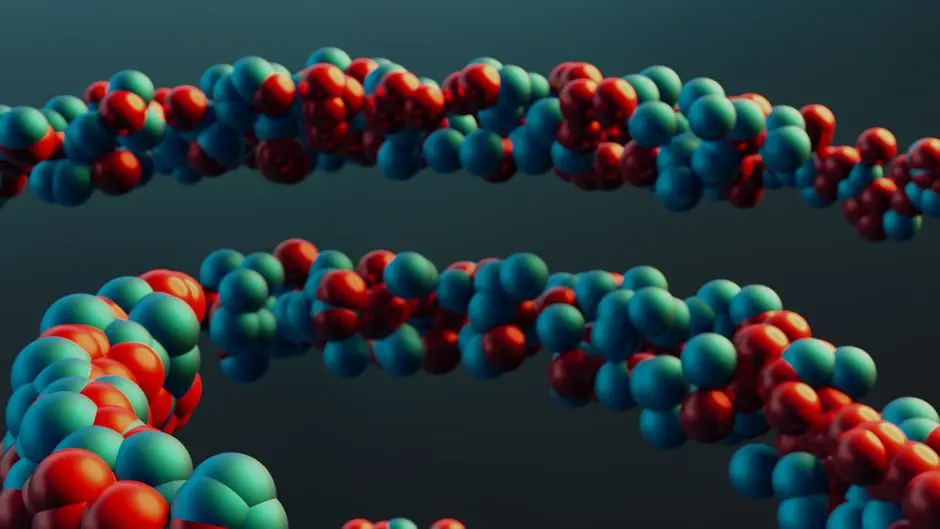
At the heart of gene activity lies the formidable task of transcribing DNA into RNA, a process catalyzed by RNA polymerase (RNAP). Yet, this enzyme alone is insufficient to initiate transcription with precision and efficiency in eukaryotes. It requires a formidable coalition: the General Transcription Factors (GTFs). This multi-protein complex assembles at the gene’s promoter region, forming the pre-initiation complex (PIC), the critical launchpad for transcription.
We dissect the assembly of the PIC, a meticulously choreographed sequence. First, TFIID, containing the TATA-binding protein (TBP) and TBP-associated factors (TAFs), recognizes and binds to the core promoter elements, particularly the TATA box. This initial binding event serves as an essential anchor, recruiting other GTFs. Next, TFIIA and TFIIB join, stabilizing TFIID’s interaction with the promoter and facilitating the subsequent recruitment of RNA polymerase II (RNAPII) along with TFIIF. The entry of TFIIE and TFIIH completes the PIC, transforming it into a fully competent transcriptional machine.
Key GTFs and Their Indispensable Roles:
- TFIID (TBP + TAFs): Initiates promoter recognition, acts as a scaffold for PIC assembly, and integrates regulatory signals. TBP's precise interaction with the minor groove of the TATA box induces a critical DNA bend, serving as an architectural cue.
- TFIIB: Bridges TFIID and RNAPII, positioning RNAPII correctly at the transcription start site. It also plays a pivotal role in determining the direction of transcription.
- TFIIH: A multi-functional complex boasting helicase and kinase activities. Its helicase activity unwinds the DNA helix, creating the transcription bubble, while its kinase activity phosphorylates the C-terminal domain (CTD) of RNAPII, a crucial step for promoter clearance and elongation. This phosphorylation acts as a molecular switch, transitioning RNAPII from initiation to elongation phase.
The collective action of these GTFs ensures that RNAPII is correctly positioned, the DNA is unwound, and the enzyme is released from the promoter to synthesize RNA. Without this intricate dance of molecular recognition and enzymatic activity, the genome would remain largely silent. We acknowledge that the PIC formation is not a rigid, static process but a dynamic interplay influenced by various co-activators and chromatin states, setting the stage for more complex layers of regulation we will explore. Errors in GTF function, even subtle ones, can lead to devastating transcriptional dysregulation, highlighting their irreplaceable role in maintaining cellular homeostasis and preventing disease.

Strategic Commanders: Enhancers, Silencers, and Specific Transcription Factors
While GTFs and RNAPII form the foundational machinery, specific gene activity requires far more nuanced control. This precision is wielded by specific transcription factors (TFs), molecular sentinels that bind to regulatory DNA sequences—enhancers and silencers—often located hundreds or even thousands of base pairs away from the promoter. These distant elements act as strategic command centers, dictating the tempo and amplitude of gene expression.
Enhancers are DNA sequences that, when bound by specific activator TFs, dramatically boost the transcription rate of associated genes. They operate irrespective of their orientation and position relative to the gene. This remarkable flexibility is achieved through DNA looping, a process where the enhancer-bound TFs physically interact with the promoter-bound PIC and RNAPII, often through intermediary co-activator complexes. This looping brings distant regulatory elements into close proximity with the basal transcription machinery, forming an 'enhanceosome' that synergistically amplifies the transcriptional signal. Consider the β-globin locus control region (LCR) as a classic example, where its remote enhancers ensure robust and tissue-specific expression of globin genes.
Conversely, silencers are regulatory elements that, when bound by specific repressor TFs, actively diminish or completely shut down gene transcription. Repressors can achieve this through various mechanisms:
- Competitive Binding: Repressors can bind to the same DNA sequence as activators, physically blocking their access.
- Masking the Activation Domain: A repressor might bind to an activator, preventing its activation domain from interacting with the PIC.
- Direct Interaction with GTFs: Repressors can directly interact with and inhibit GTFs or RNAPII.
- Recruitment of Chromatin Modifiers: Perhaps the most potent repressive mechanism involves recruiting enzymes that modify chromatin, such as histone deacetylases (HDACs) or histone methyltransferases, leading to condensed, transcriptionally inaccessible chromatin.
The specificity of gene regulation stems from the unique combination of TFs expressed in a particular cell type or under specific physiological conditions. Each TF recognizes a distinct DNA motif. The combinatorial assembly of different activators and repressors on multiple regulatory elements within a gene's regulatory landscape creates an exquisite, cell-type specific gene expression program. Errors in TF binding or function are implicated in a vast array of human diseases, from developmental disorders to cancer, underscoring their critical role as master regulators of cell fate and function. We embrace the complexity, understanding that this intricate interplay of TFs, enhancers, and silencers forms the true language of genomic control.
Sculpting the Genome: Chromatin Remodeling and Epigenetic Control
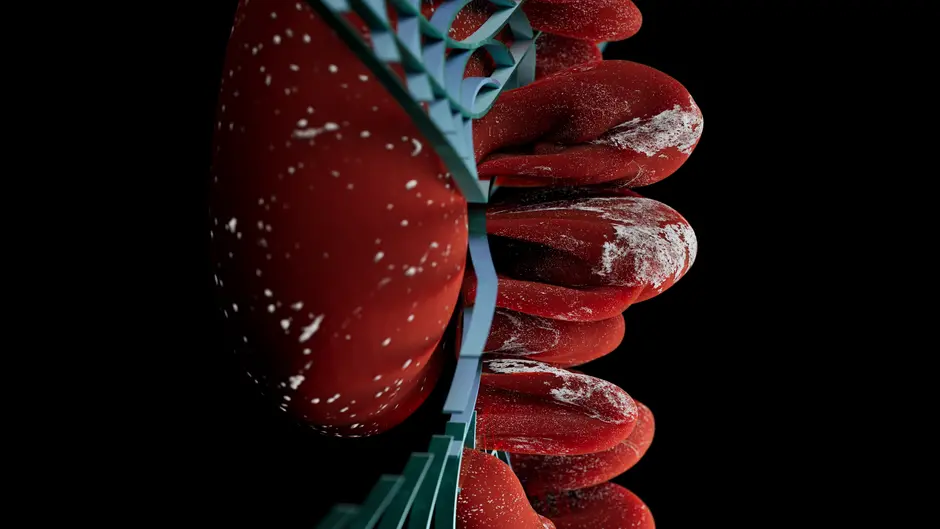
The double helix of DNA is not naked within the nucleus; it is intricately packaged with histone proteins into a highly organized structure called chromatin. This packaging profoundly impacts gene accessibility. Transcription complexes cannot simply bind to DNA if it is tightly wound and condensed; they require access to the underlying sequences. This is where chromatin remodeling and epigenetic modifications emerge as indispensable layers of transcriptional control, acting as gatekeepers to the genome.
Chromatin remodeling complexes are ATP-dependent molecular machines that physically alter the structure of nucleosomes—the fundamental repeating units of chromatin. These complexes can:
- Slide Nucleosomes: Repositioning nucleosomes along the DNA to expose or hide specific regulatory sequences.
- Eject Nucleosomes: Removing nucleosomes entirely from a region, making the DNA fully accessible.
- Exchange Histone Variants: Replacing canonical histones with specialized variants (e.g., H2A.Z or CENP-A) that can alter chromatin stability or function.
These actions can transform a transcriptionally silent, condensed chromatin state (heterochromatin) into an active, open state (euchromatin), thereby making promoter and enhancer regions available for transcription factor binding and PIC assembly. For example, SWI/SNF complexes are frequently recruited by activator TFs to open chromatin at target gene promoters.
Beyond physical remodeling, epigenetic modifications chemically tag DNA and histones without altering the underlying DNA sequence, yet profoundly influencing gene expression. Key modifications include:
- DNA Methylation: The addition of a methyl group to cytosine bases, typically in CpG dinucleotides. High levels of methylation in promoter regions generally correlate with gene silencing, acting as a direct impediment to TF binding and recruiting methyl-binding proteins that further condense chromatin.
- Histone Modifications: Covalent modifications to the N-terminal tails of histones, such as acetylation, methylation, phosphorylation, and ubiquitination.
- Histone Acetylation: Typically associated with active transcription. Acetylation of lysine residues by histone acetyltransferases (HATs) neutralizes the positive charge of histones, weakening their interaction with negatively charged DNA, leading to a more open chromatin structure.
- Histone Methylation: Can be activating or repressing, depending on the specific lysine residue and the number of methyl groups. For example, H3K4 methylation is linked to active genes, while H3K9 and H3K27 methylation are associated with repression.
These modifications are dynamic and reversible, catalyzed by specific 'writer' enzymes (e.g., HATs, methyltransferases) and removed by 'eraser' enzymes (e.g., HDACs, demethylases). 'Reader' proteins recognize these marks and recruit further effector complexes. Together, chromatin remodeling and epigenetic modifications establish a complex, multi-layered regulatory code—the 'histone code'—that dictates gene accessibility and, ultimately, transcriptional output. A failure in maintaining this epigenetic landscape often manifests as developmental defects and various pathologies, including cancer, underscoring the critical precision required in these processes.
Integrated Control: Signal Transduction and Therapeutic Horizons
Gene activity is rarely a static event; it is a highly dynamic response to cellular needs, developmental cues, and environmental stimuli. The sophistication of transcriptional control arises from the integration of these signals, orchestrated by complex networks involving signal transduction pathways, co-activators, and co-repressors. These elements form the final frontier of transcriptional fine-tuning, translating extracellular messages into precise genomic responses.
Signal Transduction and TF Activation: Cells perceive external signals (hormones, growth factors, stress) through receptors on their surface. These signals are then relayed intracellularly via cascades of protein phosphorylations and other modifications, collectively known as signal transduction pathways. Crucially, these pathways often culminate in the activation or deactivation of specific transcription factors. For instance, in response to inflammatory signals, the NF-κB pathway phosphorylates and releases NF-κB, allowing it to translocate to the nucleus and activate pro-inflammatory genes. Similarly, steroid hormones bind to nuclear receptors, which then act directly as TFs upon ligand binding. This direct link between external cues and TF activity ensures that gene expression is meticulously responsive to the cellular environment.
Co-activators and Co-repressors: The Bridge Builders: Many specific TFs do not directly interact with RNAPII or GTFs. Instead, they recruit large multi-subunit complexes known as co-activators or co-repressors. These molecular bridges serve several vital functions:
- Co-activators: Often possess enzymatic activities that promote active chromatin states, such as histone acetyltransferase (HAT) activity (e.g., p300/CBP) or chromatin remodeling activity (e.g., Mediator complex). They facilitate DNA looping, stabilize the PIC, and enhance RNAPII processivity. The Mediator complex, for instance, acts as a crucial intermediary between enhancer-bound activators and the PIC.
- Co-repressors: Conversely, co-repressors (e.g., NuRD complex) typically recruit enzymes that promote repressive chromatin states, such as histone deacetylases (HDACs) or DNA methyltransferases, leading to gene silencing. They can also physically interfere with activator function.
The interplay between TFs, co-activators, co-repressors, and chromatin modifiers creates an extraordinarily flexible and robust regulatory system. The final output of a gene—its expression level and timing—is a sum total of all these integrated inputs.
Therapeutic Horizons and Future Directions: A profound understanding of transcription complex control opens immense therapeutic avenues. Many diseases, particularly cancers and metabolic disorders, involve dysregulated gene expression driven by aberrant TF activity or compromised co-factor recruitment.
Common Errors & Best Practices:
- Oversimplification: Never view transcription as a linear "on/off" switch. It's a gradient, a highly integrated network.
- Context is King: A TF's effect is entirely dependent on cellular context, chromatin state, and co-factor availability. Always consider the wider regulatory landscape.
- Dynamic Systems: Remember that all these interactions are dynamic, involving constant assembly, disassembly, and modification.
Pioneering efforts in drug discovery now target specific TFs or their co-factors to modulate disease-related gene expression. For example, inhibitors of HDACs (HDACi) are used in cancer therapy to re-activate silenced tumor suppressor genes. Gene editing technologies like CRISPR-Cas9 are being adapted to precisely manipulate regulatory elements and TF binding sites, offering unprecedented control over gene activity. The journey to fully deciphering and harnessing the power of transcription complexes is ongoing, promising revolutionary advances in medicine and biotechnology. We push the boundaries, transforming this knowledge into actionable strategies for biological optimization.
Key Takeaways
Core Transcriptional Machinery
RNA Polymerase II (RNAPII) forms the Pre-Initiation Complex (PIC) with General Transcription Factors (GTFs like TFIID, TFIIB, TFIIH) at the gene promoter. TFIIH's helicase unwinds DNA, and its kinase activity phosphorylates RNAPII's C-terminal domain (CTD), transitioning it to the elongation phase.
Specific Gene Control Elements
Specific Transcription Factors (TFs) bind to regulatory DNA sequences: enhancers (activators) and silencers (repressors), often located distantly. DNA looping is critical for bringing enhancer-bound TFs into contact with the promoter-bound machinery, orchestrating precise gene activation or repression.
Chromatin and Epigenetic Regulation
Chromatin remodeling complexes (e.g., SWI/SNF) physically reposition or eject nucleosomes to expose DNA. Epigenetic modifications, such as DNA methylation and histone modifications (e.g., acetylation by HATs for open chromatin; methylation for varied effects, often repression by HDACs), chemically alter chromatin accessibility, dictating gene expression.
Integrated Signal Processing and Co-factors
Signal transduction pathways activate or deactivate TFs, integrating cellular responses. Co-activators (e.g., Mediator, p300/CBP) and co-repressors (e.g., NuRD) act as molecular bridges between TFs and the basal machinery, often possessing enzymatic activities that modify chromatin to fine-tune transcriptional output.
Therapeutic Relevance
Dysregulation of transcription complexes is central to many diseases, particularly cancer. A deep understanding enables the development of targeted therapies, such as HDAC inhibitors or advanced gene editing, to modulate aberrant gene expression for clinical benefit.
FAQ
-
What is the primary difference between general and specific transcription factors?
General Transcription Factors (GTFs) are essential components of the basal transcription machinery, forming the pre-initiation complex (PIC) at the promoter to enable RNA polymerase to initiate transcription on nearly any protein-coding gene. In contrast, specific transcription factors (TFs) bind to regulatory elements like enhancers and silencers, often at considerable distances from the promoter. They determine which genes are activated or repressed, and to what extent, typically in a cell-type specific or condition-dependent manner, thereby providing the fine-tuned control over gene expression.
-
How does DNA looping contribute to gene regulation?
DNA looping is a crucial mechanism that physically brings distant regulatory DNA sequences—such as enhancers bound by specific transcription factors and co-activators—into close proximity with the gene's promoter region, where the general transcription machinery (PIC and RNA polymerase) is assembled. This spatial reorganization facilitates essential protein-protein interactions between the enhancer-bound complexes and the promoter-bound machinery, stabilizing the PIC, enhancing promoter clearance, and ultimately boosting the efficiency and specificity of gene transcription.
-
Can epigenetic modifications be reversed?
Absolutely. Epigenetic marks, including DNA methylation and various histone modifications (e.g., acetylation, methylation, phosphorylation), are dynamic and reversible. The cell possesses specific 'eraser' enzymes, such as DNA demethylases, histone deacetylases (HDACs), and histone demethylases, which actively remove these chemical tags. This reversibility allows for rapid and precise adjustments in chromatin structure and gene accessibility, enabling cells to adapt their gene expression profiles in response to developmental cues, environmental changes, and physiological signals.