
> Advanced Molecular Biology > Gene Regulation Mechanisms > Unraveling Transcription Initiation: Blueprint for Gene Control
Unraveling Transcription Initiation: Blueprint for Gene Control
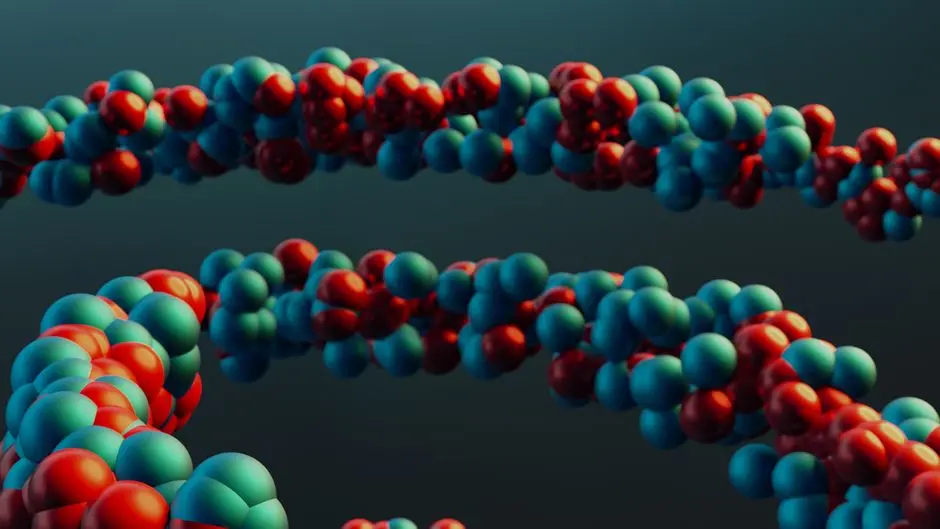
Embark on a profound journey into the very genesis of genetic information. We unlock the intricate universe of transcription initiation, the pivotal moment where DNA’s coded instructions burst into life. This process, far from a simple switch, is a meticulously orchestrated symphony of molecular players, dictating cellular identity and function with breathtaking precision. For any aspiring expert in advanced molecular biology, mastering these foundational mechanisms is non-negotiable. We delve deep into the core strategies employed by biological systems to precisely control which genes are expressed and when, an essential component of the molecular control of gene expression in living systems. We challenge the conventional understanding, providing you with actionable insights into the regulatory networks that govern cellular fate. Prepare to dissect the fundamental blueprints of life, transforming complex theories into concrete, strategic knowledge. We illuminate the precise levers and pulleys that determine cellular destiny, empowering you to navigate the forefront of genomic regulation.
The Core Machinery: Prokaryotic and Eukaryotic RNA Polymerases and Promoters
We commence our exploration by dissecting the fundamental protagonists: RNA Polymerases (RNAPs) and promoters. In prokaryotes, a single RNAP complex, associated with a sigma (σ) factor, is sufficient for transcription initiation. The σ factor is a master architect, recognizing specific DNA sequences within the promoter region (the -35 and -10 boxes), enabling the RNAP to bind stably and form the closed promoter complex. This is a critical step, as it determines the precise start site and efficiency of transcription for each gene. A common pitfall for aspiring experts is underestimating the sophisticated yet streamlined nature of prokaryotic initiation; while seemingly simpler than its eukaryotic counterpart, its efficiency and adaptability are paramount for bacterial survival. The σ factor's ability to dissociate after initiation marks a crucial regulatory point, allowing the core enzyme to elongate and a new σ factor to bind to another RNAP for fresh initiation events. We must grasp that this prokaryotic system, though elegant, operates within a more condensed genome, demanding rapid and direct responses to environmental cues.
Eukaryotic initiation, conversely, unveils a landscape of astonishing complexity. We encounter three distinct RNA Polymerases (RNAP I, II, and III), each specialized for different classes of RNA. Our focus here, RNAP II, is the architect of messenger RNAs (mRNAs), microRNAs (miRNAs), and small nuclear RNAs (snRNAs). RNAP II does not directly recognize promoter sequences. Instead, it relies on a battery of auxiliary proteins known as General Transcription Factors (GTFs). These GTFs assemble sequentially at the core promoter, forming the Pre-Initiation Complex (PIC). The core promoter, often containing a TATA box, is just one component. Additional promoter elements, such as initiator (Inr) sequences, downstream promoter elements (DPE), and GC-rich sequences, collaborate to establish a robust initiation platform. We emphasize that this multi-component assembly ensures a high degree of regulation, preventing spurious transcription and allowing for fine-tuned control over gene expression. The logical progression of GTF binding, culminating in the recruitment of RNAP II, represents a strategic bottleneck for gene activation, a prime target for cellular regulatory mechanisms.

Eukaryotic Sophistication: Distal Elements, Co-Activators, and Chromatin Architects
Beyond the core promoter, eukaryotic gene regulation introduces layers of distal control. Enhancers and silencers are regulatory DNA sequences that can be located thousands of base pairs away, either upstream, downstream, or even within introns of the target gene. These elements act as docking stations for sequence-specific transcription factors (TFs) – activators binding to enhancers and repressors to silencers. The remarkable ability of these distal elements to influence promoter activity relies on DNA looping, bringing the bound TFs into physical proximity with the PIC. This spatial rearrangement is not random; it is often facilitated by architectural proteins that bend DNA and stabilize loops. A pivotal player in this intricate communication network is the Mediator complex. Consider Mediator as the grand central station of transcriptional regulation; it acts as a crucial bridge, integrating signals from activators and repressors bound to enhancers/silencers and transmitting them directly to the RNAP II and GTFs at the core promoter. Without this critical co-activator, the signals from distant enhancers would often fail to reach their target effectively. This strategic hub is not merely a passive conduit; it can actively modulate RNAP II activity.
Furthermore, we must confront the towering challenge of chromatin structure. Eukaryotic DNA is not naked; it is meticulously packaged into chromatin, a dynamic complex of DNA and histone proteins. This packaging can restrict access for RNAP II and GTFs, effectively silencing genes. Thus, the battle for transcription initiation often begins with reshaping chromatin. We encounter various epigenetic mechanisms: histone modifications (acetylation, methylation, phosphorylation) alter the charge and shape of histones, influencing DNA accessibility. For instance, histone acetylation generally loosens chromatin, making genes more accessible. Conversely, DNA methylation, typically at CpG islands, often correlates with gene silencing. Chromatin remodelers are ATP-dependent complexes that slide, eject, or restructure nucleosomes, physically repositioning the DNA to expose or hide promoter regions. These remodelers work in concert with histone-modifying enzymes, creating a dynamic landscape of gene accessibility. Insider tip: Understanding the interplay between sequence-specific TFs, co-activators like Mediator, and chromatin-modifying/remodeling complexes is paramount for grasping the true depth of eukaryotic gene regulation. We forge ahead, recognizing that transcriptional control is a multi-dimensional challenge, engaging both sequence-specific recognition and global chromatin architecture.

The Specificity Code: Transcription Factor Networks and Signal Transduction Integration
The precision of gene expression hinges on the exquisite specificity of transcription factors (TFs). TFs are proteins characterized by distinct DNA binding domains (DBDs), such as helix-turn-helix, zinc fingers, and leucine zippers, which recognize and bind to specific DNA sequences (consensus sequences or motifs) within promoters, enhancers, or silencers. This sequence-specific recognition is the initial layer of discrimination. However, binding alone is often insufficient. TFs also possess activation domains (ADs) or repression domains (RDs), which interact with GTFs, co-activators (like Mediator), or chromatin-modifying enzymes to either promote or inhibit transcription. We must internalize that the sheer number of distinct TFs and their specific binding sites creates a vast regulatory language, dictating which genes are switched on or off under specific cellular conditions. The concept of combinatorial control is critical: multiple TFs often bind to a regulatory region, and their collective presence and interactions determine the final transcriptional outcome. A single TF might have minimal effect, but in combination with others, it can trigger a powerful regulatory switch. This synergistic or antagonistic interplay creates a sophisticated regulatory logic, far beyond simple on/off switches.
The activity of TFs themselves is under dynamic control, often integrated with cellular signaling pathways. Cells constantly receive external and internal signals – hormones, growth factors, stress – which trigger cascades of molecular events. These signal transduction pathways frequently converge on TFs, modulating their activity. For example, phosphorylation, mediated by kinases, can activate or inactivate a TF, alter its subcellular localization, or promote its interaction with co-factors. Similarly, ubiquitination can target TFs for degradation, rapidly reducing their cellular concentration, or it can serve as a non-proteolytic signal to alter TF activity or localization. These post-translational modifications provide a rapid and reversible means of fine-tuning TF function in response to environmental changes. Consider NF-κB, a master regulator of inflammation; its activity is precisely controlled by phosphorylation and subsequent nuclear translocation in response to immune signals. This integration ensures that gene expression is not a static program but a highly adaptable response system. We challenge you to envision these TF networks not as isolated events but as nodes within a vast, interconnected cellular communication grid, where signals propagate to orchestrate precise transcriptional outcomes. The logical steps of signal reception, transduction, and TF modulation underscore the dynamic nature of gene regulation, allowing cells to adapt and survive.
Dynamic Layering: Epigenetic Modulators and Non-Coding RNA Regulators
Our journey into transcription initiation deepens as we confront the dynamic influence of epigenetic modulators and non-coding RNAs, which add further layers of precision and plasticity. Beyond the classical histone modifications and DNA methylation already discussed, specific histone variants (e.g., H2A.Z, CENP-A) can be incorporated into nucleosomes, altering chromatin structure and transcriptional potential. These variants are not mere substitutes; they establish distinct chromatin states, marking regions for active transcription or repression. We must grasp that the epigenetic landscape is constantly being written, erased, and re-written by 'writer,' 'eraser,' and 'reader' protein complexes. This dynamic remodeling of the epigenome is not merely a static blueprint but an active regulatory process directly influencing the accessibility of promoters and enhancers to the transcription machinery. For instance, the Polycomb and Trithorax protein complexes operate antagonistic roles in maintaining gene silencing or activation through distinct histone modifications across cell divisions. Recognizing these active epigenetic mechanisms is crucial; they provide memory to cellular states and contribute significantly to cell differentiation and development.
The realm of non-coding RNAs (ncRNAs) has emerged as a formidable player in modulating transcription initiation. While traditionally seen as mere genetic byproducts, we now understand that long non-coding RNAs (lncRNAs), often hundreds to thousands of nucleotides long, can directly impact transcriptional control. LncRNAs can act as scaffolds, bringing together chromatin-modifying enzymes or transcription factors to specific genomic loci, thereby facilitating or inhibiting PIC assembly. Some lncRNAs guide repressive complexes to gene promoters, inducing heterochromatin formation and gene silencing, while others promote activation by recruiting activators or preventing repressor binding. Similarly, microRNAs (miRNAs), though primarily known for post-transcriptional gene silencing, can also exert transcriptional control, albeit less directly, by influencing the expression levels of transcription factors themselves. We also observe the phenomenon of promoter-proximal pausing, where RNAP II initiates transcription but then stalls shortly after synthesizing a short RNA transcript. This pausing, regulated by negative elongation factors, creates a 'primed' state, allowing for rapid gene activation upon receiving the appropriate signal. This strategy offers a quick response mechanism, essentially having the engine idling before it speeds away. Insider tip: The sheer diversity of lncRNA mechanisms highlights a vast, underexplored frontier in gene regulation, challenging us to look beyond protein-centric views. Understanding these ncRNA layers is paramount for a holistic grasp of how transcriptional control orchestrates cellular functions and responses.
Ensuring Fidelity and Navigating Regulatory Frontiers
The intricate orchestration of transcription initiation demands not only robust regulatory control but also mechanisms to ensure fidelity. Spurious or inaccurate transcription initiation can have catastrophic consequences for cellular function. Biological systems employ several strategies to prevent illegitimate initiation. One critical mechanism involves the precise positioning of nucleosomes over promoter regions, physically obstructing access to non-canonical start sites. Furthermore, the precise interaction networks between GTFs, TFs, and co-activators ensure that RNAP II is only recruited and activated at legitimate promoter sequences. Any disruption in this carefully balanced interaction can lead to aberrant transcription. We must also consider the energetic cost and cellular resources allocated to gene expression; minimizing errors at the initiation stage is a highly conserved evolutionary strategy. Abortive initiation, where RNAP II repeatedly synthesizes short RNA transcripts (less than 10 nucleotides) before successfully transitioning to productive elongation, is often viewed as a proofreading mechanism. It allows the RNAP II to test the stability of its interaction with the DNA template and the growing RNA transcript, ensuring a stable elongation complex is formed before committing to full transcript synthesis. This iterative process, though seemingly inefficient, is a crucial quality control step, ensuring high-fidelity gene expression.
As we navigate the frontiers of advanced molecular biology, the insights gained into transcription initiation are not merely academic; they unlock profound therapeutic potential. Aberrant transcription initiation is a hallmark of numerous diseases, including cancers, developmental disorders, and autoimmune conditions. Understanding the precise molecular mechanisms that go awry provides strategic targets for novel interventions. For instance, drugs designed to modulate chromatin remodelers, inhibit specific transcription factors, or disrupt activator-Mediator interactions are actively being explored. The ability to precisely tune gene expression, whether to activate a silenced tumor suppressor gene or repress an oncogene, represents a powerful therapeutic avenue. We challenge you to consider the ethical and technical complexities of such interventions, pushing the boundaries of what is biologically possible. Common errors in this field often stem from oversimplifying regulatory cascades or viewing individual components in isolation. We must always strive for a holistic, integrated perspective, recognizing that transcription initiation is a highly interconnected biological process. We forge ahead, equipped with a comprehensive understanding of these mechanisms, ready to decode the intricate language of life and engineer future biological solutions. The journey of understanding transcription initiation is a continuous exploration, revealing ever more refined layers of control that ultimately shape the blueprint of life itself. We are not just learning; we are strategizing for biological mastery.
Key Takeaways
RNA Polymerases & Promoters
Prokaryotes: Single RNAP, σ factor for promoter recognition (-35/-10 boxes). Rapid, direct.
Eukaryotes: RNAP II for mRNA. Relies on General Transcription Factors (GTFs) to form Pre-Initiation Complex (PIC) at core promoter (e.g., TATA box). Multi-component, highly regulated.
Eukaryotic Regulatory Elements
Enhancers/Silencers: Distal DNA sequences binding activators/repressors.
DNA Looping: Brings distal elements into contact with promoter.
Mediator Complex: Crucial co-activator bridging activators/repressors to RNAP II/GTFs.
Chromatin & Epigenetics
Chromatin Structure: DNA packaged with histones, restricting access.
Histone Modifications: Acetylation (open), methylation (variable), phosphorylation.
DNA Methylation: CpG islands, typically gene silencing.
Chromatin Remodelers: ATP-dependent enzymes that reposition nucleosomes, altering accessibility.
Histone Variants: Specialized histones that define chromatin states.
Transcription Factors (TFs) & Signaling
DBDs (DNA Binding Domains): Sequence-specific DNA recognition (e.g., zinc fingers).
ADs (Activation Domains): Interact with co-factors.
Combinatorial Control: Multiple TFs cooperating for precise gene regulation.
Signal Transduction: Pathways (e.g., phosphorylation, ubiquitination) modulate TF activity, localization, and stability in response to cellular signals.
Non-Coding RNAs & Fidelity
LncRNAs: Act as scaffolds, guide chromatin modifiers, or interact with TFs to modulate initiation.
miRNAs: Can indirectly affect initiation by regulating TF expression.
Promoter-Proximal Pausing: RNAP II stalls after short transcript, 'priming' for rapid activation.
Fidelity Mechanisms: Nucleosome positioning, precise TF/GTF interactions, abortive initiation as proofreading.
FAQ
-
What is the primary difference in transcription initiation between prokaryotes and eukaryotes?
The primary difference lies in complexity and directness. In prokaryotes, a single RNA Polymerase (RNAP) directly recognizes promoter sequences with the help of a sigma (σ) factor. This system is streamlined and rapid. In eukaryotes, RNAP II (for mRNA synthesis) cannot directly recognize promoters. Instead, it relies on a large assembly of General Transcription Factors (GTFs) to form a Pre-Initiation Complex (PIC) at the promoter. Furthermore, eukaryotic initiation involves extensive chromatin remodeling and communication with distant regulatory elements (enhancers/silencers) via architectural proteins and co-activators like the Mediator complex, layers of regulation largely absent in prokaryotes.
-
How do enhancers influence transcription initiation despite being far from the promoter?
Enhancers influence transcription initiation by acting as binding sites for sequence-specific activator proteins. These activators, once bound to the enhancer, interact with the core promoter machinery (RNAP II, GTFs) and co-activators (like the Mediator complex) through DNA looping. This looping brings the enhancer-bound activators into physical proximity with the promoter, allowing them to stabilize the PIC, recruit chromatin-modifying enzymes, and ultimately boost the rate of transcription initiation. Architectural proteins can further facilitate and stabilize these long-range DNA interactions.
-
What role does chromatin play in eukaryotic transcription initiation?
Chromatin plays a profound, dynamic role in eukaryotic transcription initiation. DNA is packaged into nucleosomes, forming chromatin, which can physically obstruct the access of RNA Polymerase II and General Transcription Factors to gene promoters. To initiate transcription, chromatin must be actively remodeled and modified. This involves: Histone Modifications (e.g., acetylation by HATs to open chromatin, methylation to mark active/inactive regions), DNA Methylation (typically at CpG islands, leading to gene silencing), and ATP-dependent Chromatin Remodelers (which slide, eject, or restructure nucleosomes to expose or hide promoter regions). Essentially, chromatin acts as a crucial gatekeeper, and its dynamic state determines gene accessibility and thus, transcriptional potential.