
> Biological Data Analysis > Biological Data Processing Workflows > Unleash the Power of Biological Data Tools
Unleash the Power of Biological Data Tools

The explosion of biological data—from high-throughput sequencing to advanced imaging—presents both an unprecedented opportunity and a formidable challenge. We stand at the precipice of a new era in biological discovery, where insights into health, disease, and the fundamental mechanisms of life are hidden within petabytes of complex information. Yet, without the right infrastructure and strategic tools, this wealth of data can quickly become an overwhelming deluge, rather than a wellspring of knowledge.
This article embarks on a critical mission: to dissect and illuminate the essential tools and platforms empowering scientists to not just store, but to effectively manage, process, and extract meaningful insights from vast biological datasets. We will navigate the intricate landscape of data management solutions, from foundational storage systems to advanced analytical engines. Understanding these powerful instruments is no longer optional; it is fundamental to accelerating research and innovation. Master these tools, and we transform raw biological signals into actionable intelligence, forging a path towards breakthroughs. Our journey will particularly emphasize how effective pipelines for processing experimental biological data are integral to this endeavor, streamlining complex analytical tasks and ensuring reproducibility across diverse datasets.
Confronting the Data Deluge: Understanding the Biological Big Data Landscape
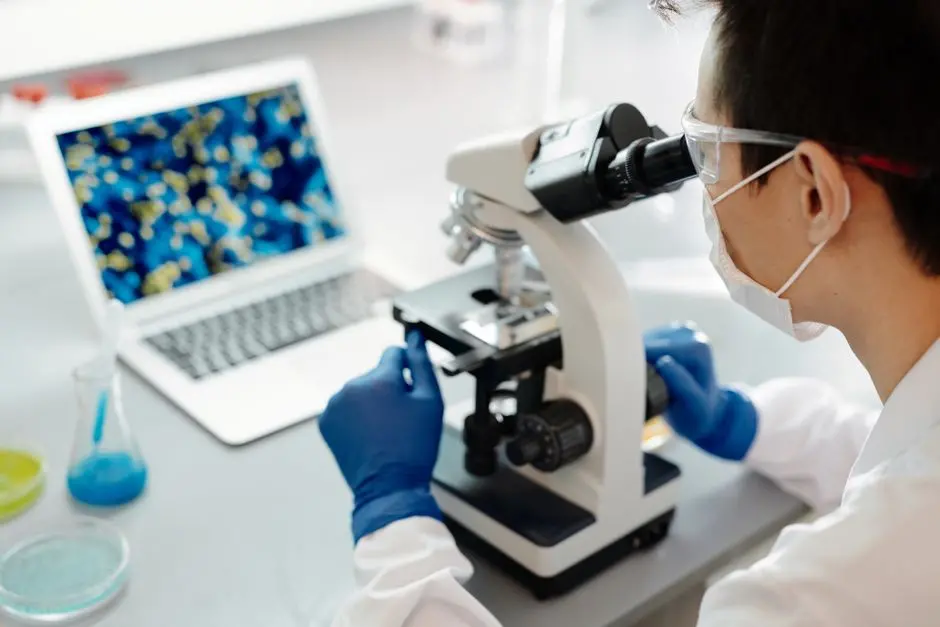
The volume, velocity, and variety of biological data have reached astronomical scales. Genomics projects generate terabytes of raw sequence data per experiment. Proteomics yields intricate spectral patterns. Advanced microscopy produces gigabytes of image data per scan. This isn't merely more data; it's inherently complex, often unstructured, and diverse, originating from disparate instruments and experimental designs. We confront not just size, but dimensionality and heterogeneity. Neglecting these inherent challenges leads to bottlenecks, data integrity issues, and missed discoveries.
We must categorize the types of data we manage: raw sequencing reads (FASTQ), aligned sequences (BAM/CRAM), variant calls (VCF), gene expression matrices, mass spectrometry raw files, high-resolution images, and clinical metadata. Each type carries specific storage, indexing, and processing requirements. A single human genome can be 100-200 GB for raw reads, but aggregate this across thousands of samples, and we quickly ascend to petabytes. Consider the rate of generation: next-generation sequencers can produce multiple terabytes per day. This necessitates solutions that are not just scalable but also agile and performant. We must move beyond rudimentary file systems and embrace sophisticated architectures designed for this unique biological data ecosystem. Our strategic approach involves understanding the data's lifecycle, from acquisition and quality control to analysis and archiving, ensuring each stage is equipped with fit-for-purpose tools.
The common pitfalls in this initial phase include underestimating storage growth, failing to implement robust metadata standards, and neglecting data versioning. Without a clear data governance strategy, we risk data silos and irreproducible research. Our goal is to establish a robust foundation, enabling efficient data access and downstream analysis.
Fortifying Our Foundations: Robust Storage & Management Systems
Effective management of large biological datasets begins with a solid storage and retrieval infrastructure. We differentiate between local storage solutions, network-attached storage (NAS), storage area networks (SAN), and cloud-based platforms. For individual labs, high-performance NAS can suffice, offering shared access and decent speeds. However, for institutional or collaborative projects, SANs provide higher throughput and lower latency, essential for I/O-intensive bioinformatics tasks.
The true game-changer for petabyte-scale data is often cloud storage solutions like Amazon S3, Google Cloud Storage, and Microsoft Azure Blob Storage. These offer unparalleled scalability, durability, and global accessibility, often with tiered storage options (e.g., hot data for immediate access, cold archive for long-term retention) that optimize cost. We actively leverage their API-driven access for programmatic data handling, a critical feature for automated workflows. Furthermore, cloud providers offer data locality controls, ensuring compliance with data privacy regulations.
Beyond raw storage, we implement specialized data lakes and data warehouses. Data lakes, built on distributed file systems like HDFS or object storage, store raw data in its native format, providing immense flexibility for future analyses. Data warehouses, conversely, structure processed and curated data for efficient querying and reporting. For biological data, a hybrid approach often proves optimal, using a data lake for initial raw data ingestion and a data warehouse for aggregated, harmonized experimental results. We must meticulously plan data indexing and metadata tagging from the outset to avoid creating 'data swamps'. Best practice dictates comprehensive metadata schemas using ontologies (e.g., ENA, NCBI BioSample) to make data discoverable and interoperable. Overlooking robust indexing makes data effectively lost within vast storage pools.
Orchestrating Complexity: Workflow Management & Pipeline Tools
Managing the computational steps involved in biological data analysis—from raw read alignment to variant calling, differential expression analysis, or protein identification—is inherently complex. These analyses are rarely single-step processes; they are multi-stage pipelines requiring numerous tools, specific software versions, and extensive computational resources. Without robust workflow management systems (WMS), reproducibility suffers, errors become rampant, and efficiency plummets. We deploy specialized tools to orchestrate these intricate workflows.
Nextflow, Snakemake, and Common Workflow Language (CWL) are our preferred instruments for building and executing reproducible bioinformatics pipelines. These WMS offer declarative syntax to define computational tasks, manage dependencies, handle parallelization across different computing environments (local, cluster, cloud), and provide robust error handling. For instance, Nextflow's ability to seamlessly integrate with Docker/Singularity containers ensures environment consistency, eliminating 'it works on my machine' scenarios. Snakemake's Pythonic syntax often appeals to bioinformaticians already proficient in Python, offering flexibility and extensive integration capabilities.
We also utilize enterprise-level platforms like Galaxy, which provides a user-friendly graphical interface for non-programmers to construct and execute complex workflows. While offering accessibility, Galaxy also provides the underlying computational power and tool integration necessary for large-scale analyses. For highly specialized tasks, we integrate custom scripts and tools within these frameworks, ensuring every step, from quality control to final visualization, is automated, documented, and traceable. A critical best practice is versioning our pipelines alongside our data, ensuring that analyses can be rerun identically years later. Neglecting proper pipeline versioning is a common pitfall that compromises scientific rigor.
Igniting Discovery: Advanced Tools for Analysis & Visualization
Beyond storage and workflow orchestration, the true value of biological big data is unlocked through sophisticated analysis and visualization tools. We leverage a diverse toolkit to transform raw data into biological insights. For statistical analysis and data manipulation, R and Python remain foundational. Libraries such as Bioconductor (for R) and Biopython (for Python) provide extensive packages tailored for genomic, proteomic, and other biological data types, enabling everything from differential gene expression to phylogenetic analysis. Python's pandas and numpy are indispensable for data wrangling, while scikit-learn and TensorFlow/PyTorch power machine learning applications for biomarker discovery or predictive modeling.
For large-scale variant analysis and genome browsers, we rely on tools like GATK (Genome Analysis Toolkit) for robust variant calling and filtration, and IGV (Integrative Genomics Viewer) or UCSC Genome Browser for interactive visualization of genomic alignments and annotations. For proteomics, software suites like Proteome Discoverer or open-source alternatives like MaxQuant and OpenMS facilitate protein identification, quantification, and post-translational modification analysis. For complex single-cell RNA sequencing data, specific R packages such as Seurat and Scanpy (Python) have emerged as industry standards, enabling clustering, dimensionality reduction, and trajectory inference.
Data visualization is paramount for interpreting complex results and communicating findings. Plotly, ggplot2 (R), and Matplotlib/Seaborn (Python) allow us to create high-quality, interactive plots—heatmaps, volcano plots, scatter plots, network graphs—that illuminate patterns and relationships within the data. We also explore specialized tools like Cytoscape for network visualization in systems biology. The critical lesson here: the best analysis tool is one that not only processes data efficiently but also clearly presents its biological meaning. Avoid generic tools when specialized bioinformatics solutions offer greater precision and interpretability.

Optimizing Our Ecosystem: Best Practices & Future Trajectories
To truly master large biological datasets, we must transcend individual tools and cultivate an optimized ecosystem built on best practices. First, containerization technologies like Docker and Singularity are non-negotiable. They encapsulate applications and their dependencies, ensuring portability and reproducibility across diverse computing environments, from local workstations to high-performance computing clusters and the cloud. This solves the perennial 'dependency hell' problem.
Second, we champion the adoption of FAIR data principles (Findable, Accessible, Interoperable, Reusable). This involves rigorous metadata annotation, standardized data formats (e.g., h5ad for single-cell, AnVIL for genomics), and making data publicly available in recognized repositories (e.g., NCBI GEO, SRA, ArrayExpress). This not only fosters collaboration but also maximizes the long-term impact and value of our research. A common error is neglecting FAIR principles early on, leading to data that is difficult to integrate or reuse later.
Third, we continuously evaluate cloud-native bioinformatics platforms (e.g., Terra.bio, DNAnexus, Seven Bridges Genomics). These platforms offer integrated environments for data storage, workflow execution, and collaborative analysis, often bundling essential tools and providing robust infrastructure management. They abstract away much of the computational overhead, allowing researchers to focus on biological questions. While powerful, we must critically assess their cost models and ensure vendor lock-in does not compromise our long-term flexibility.
The future of biological data management points towards increased automation, AI-driven insights, and federated learning across distributed datasets without centralizing raw data. We anticipate greater integration of multi-modal data (genomics, proteomics, imaging, clinical records) into unified analytical frameworks. Our proactive stance ensures we remain at the forefront, ready to adapt and deploy the next generation of powerful tools to unlock biological secrets.
Key Takeaways
Biological Data Challenges: Volume, Velocity, Variety
We confront petabyte-scale data from genomics, proteomics, and imaging, necessitating specialized tools beyond traditional data management. Raw reads, aligned sequences, variants, and images each present unique handling requirements, demanding scalable and agile solutions. Neglecting metadata and versioning leads to data silos and irreproducibility.
Foundational Storage: On-Premise to Cloud
Robust storage is critical. NAS/SAN suit individual labs/institutions, but cloud platforms (AWS S3, Google Cloud) offer unmatched scalability, durability, and accessibility for petabyte data. We build data lakes for raw ingestion and data warehouses for structured, curated data. Comprehensive metadata and indexing are non-negotiable for discoverability and interoperability, preventing 'data swamps'.
Workflow Orchestration: Nextflow, Snakemake, Galaxy
Complex biological analyses demand workflow management systems (WMS) like Nextflow, Snakemake, and CWL for reproducibility, dependency management, parallelization, and error handling. These declarative tools, often integrated with containers, automate multi-step pipelines. Galaxy provides a user-friendly GUI. Meticulous pipeline versioning is crucial for scientific rigor.
Analysis & Visualization: R, Python, GATK, Seurat
Advanced insights stem from tools like R (Bioconductor) and Python (Biopython, pandas, scikit-learn) for statistical and ML analysis. GATK handles variant calling, while IGV/UCSC visualize genomes. Proteomics uses MaxQuant/OpenMS. Single-cell data relies on Seurat/Scanpy. Visualization tools (Plotly, ggplot2) are vital for interpreting and communicating complex biological patterns. Prioritize specialized bioinformatics tools for precision.
Ecosystem Optimization: Containers & FAIR Principles
Optimal management hinges on containerization (Docker, Singularity) for portability and reproducibility, solving dependency issues. We adhere to FAIR data principles (Findable, Accessible, Interoperable, Reusable) through metadata, standardized formats, and public repositories to maximize data value. Cloud-native platforms (Terra.bio) offer integrated environments. Future trends include greater automation, AI, and multi-modal data integration.
FAQ
-
What is the primary challenge in managing large biological datasets?
The primary challenge stems from the '3 Vs': the immense Volume of data generated (terabytes to petabytes), the high Velocity at which it is produced (daily throughput from sequencers), and the extreme Variety and complexity of biological data types (sequences, images, spectra, clinical metadata). This complexity requires specialized tools for storage, processing, and analysis that go beyond conventional data management.
-
Why are workflow management systems crucial for bioinformatics?
Workflow management systems (e.g., Nextflow, Snakemake) are crucial because biological data analysis involves multi-step processes, often requiring dozens of tools and specific software versions. These systems ensure reproducibility by defining steps, managing dependencies, handling errors, and facilitating parallel execution across different computing environments. They automate complex pipelines, reduce manual errors, and free up researchers to focus on interpretation.
-
How do cloud solutions benefit large biological data management?
Cloud solutions (e.g., AWS S3, Google Cloud Storage) offer unparalleled scalability for storing petabytes of data, durability through redundant storage, and global accessibility for collaborative projects. They provide flexible computing resources on demand, allowing researchers to scale analyses up or down as needed, and often include tiered storage options to optimize costs for both active and archived data.
-
What are FAIR data principles and why are they important?
FAIR stands for Findable, Accessible, Interoperable, and Reusable. These principles are crucial for maximizing the value of biological data by promoting robust metadata annotation, standardized data formats, and open data sharing. Adhering to FAIR principles ensures that data is discoverable by others, can be accessed with appropriate authorization, can be integrated with other datasets, and is well-documented for future reuse, thereby accelerating scientific discovery.
-
What role do containerization technologies play in managing biological data analyses?
Containerization technologies like Docker and Singularity are essential for ensuring reproducibility and portability of bioinformatics analyses. They package applications, their dependencies, and the operating environment into isolated, self-contained units. This guarantees that an analysis will run identically across different machines and computing environments, eliminating common issues related to software version conflicts or missing dependencies, a frequent bottleneck in collaborative biological research.