
> Laboratory Techniques > Laboratory Data Processing and Experiment Analysis > Forge Precision: Mastering Data Recording in Biological Research
Forge Precision: Mastering Data Recording in Biological Research

The bedrock of groundbreaking biological research is not just brilliant hypothesis or cutting-edge technology; it is the unwavering commitment to accurate data recording. In the complex world of laboratory techniques, where variables intertwine and discoveries hinge on minute details, the integrity of every observation, measurement, and experimental parameter is paramount. We challenge you to elevate your research practice, moving beyond mere documentation to a strategic commitment that safeguards scientific validity and accelerates discovery. This article dissects the critical imperative of meticulous data recording, revealing its profound impact on scientific reproducibility, ethical standards, and the ultimate success of your investigations. We will arm you with expert insights and practical strategies to transform your data logging from a chore into a powerful asset, ensuring your findings stand robust against scrutiny and contribute meaningfully to the scientific discourse. Understand how precise data collection directly empowers the process of analyzing and interpreting experimental data in biology labs, forming the bedrock for valid conclusions and future innovation. Unlock the secrets to data integrity that propels biological science forward.

The Indispensable Foundation: Why Meticulous Data Recording Underpins All Science
Every groundbreaking discovery, every validated hypothesis, and every advancement in biological understanding begins with a single, irrefutable truth: accurately recorded data. We establish this as the non-negotiable cornerstone of scientific endeavor. Without precise, comprehensive, and traceable data, even the most innovative experimental design collapses into anecdotal speculation, rendering countless hours of work futile. Consider the pervasive
reproducibility crisis
currently challenging scientific credibility; a significant, often overlooked, contributor is directly traced back to inconsistencies or omissions in initial data recording. When researchers globally cannot replicate findings due to missing methodological details, vague observational notes, unrecorded environmental parameters, or even unstandardized unit measurements, trust in the scientific process erodes, and the cumulative nature of knowledge grinds to a halt.Our commitment to rigorous data recording transcends mere compliance; it is an active defense against ambiguity, a safeguard for intellectual honesty, and a powerful accelerator of discovery. We forge a transparent audit trail, detailing every step, every variable, every calibration, and every outcome with forensic precision. This meticulous documentation allows future scientists – including our future selves – to understand, verify, and confidently build upon our work, fostering true scientific progress. It is the silent language of scientific truth, communicated across labs, disciplines, and generations, ensuring that each data point speaks volumes. We must embed this principle into our daily workflow, recognizing that each measurement, observation, and parameter logged is a critical puzzle piece in the larger scientific tapestry. Ignorance or negligence regarding this foundational element jeopardizes not only individual projects and careers but the collective progress of biological science. By embracing meticulous recording, we empower verifiable results, facilitate seamless collaboration, and ultimately, validate the scientific method itself, cementing our contribution to an expanding body of reliable knowledge. This is not a bureaucratic hurdle; it is the very essence of reliable, impactful research.
The Hidden Costs of Imprecision: Unmasking the Fallout of Flawed Data
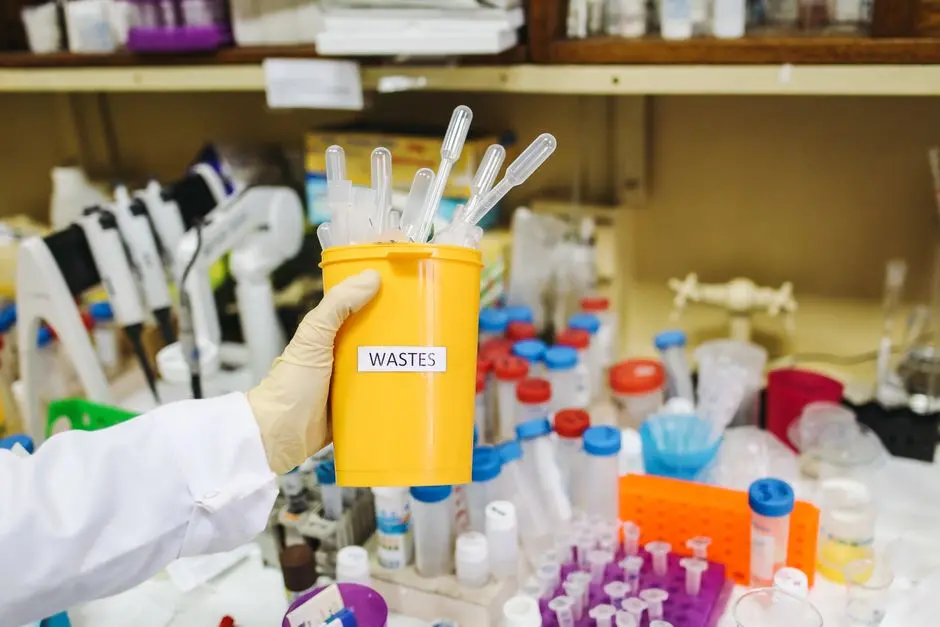
The allure of a quick result or the pressure of deadlines can sometimes tempt us to overlook the meticulous detail required in data recording. Yet, we must confront the stark realities: imprecise or incomplete data is not merely an inconvenience; it is a vector for catastrophic scientific, ethical, and financial consequences that ripple far beyond a single experiment. Firstly, it robustly fuels the engine of
research waste
. Experiments meticulously planned, funded, and executed over weeks or months become nullified if the data supporting them is unreliable or untraceable. This translates directly into squandered resources – exorbitant costs for reagents, precious equipment time, and, most critically, invaluable human intellectual and labor effort. Imagine the frustration and despair of discovering weeks of cell culture work rendered useless because a critical incubation temperature was not logged, or a batch of samples was mislabeled, making differentiation impossible. Such scenarios lead to costly repetitions, delays in project timelines, and ultimately, a significant drain on research budgets.Beyond the financial drain, the ethical ramifications are profound and far-reaching. Flawed data can lead to misleading conclusions, potentially impacting critical public health decisions, misguiding pharmaceutical drug development, or underpinning flawed environmental policies. In extreme cases, it can necessitate painful
retractions
from high-impact scientific journals, severely damaging a researcher's reputation, eroding public trust in science, and casting a shadow over their institution's credibility. The very foundation of scientific progress, built on cumulative, verified knowledge, fractures under the weight of unreliable information. Moreover, we risk propagating errors: a flawed dataset, if not identified and rigorously corrected, can become the erroneous basis for subsequent experiments or analyses, leading to a cascade of invalid findings that actively misdirect future research. Our imperative is clear: identify and eliminate sources of imprecision at the earliest stage. We must actively safeguard not just our own projects, but the integrity and forward momentum of the entire scientific community by committing unequivocally to flawless data capture. This demands unyielding vigilance, unwavering discipline, and a profound understanding of the long-term reverberations of every recorded (or unrecorded) detail.
Architecting Meticulous Data Capture: Strategies for Unassailable Records
To effectively combat the pervasive threat of imprecision and fortify our research, we must proactively architect robust systems that inherently enforce meticulous data recording. This means moving beyond passive, sporadic note-taking to active, structured data governance. Our first strategic weapon is the
Electronic Lab Notebook (ELN)
. ELNs are far more than just digital diaries; they are comprehensive, dynamic platforms specifically designed for structured data entry, automatic timestamping, integrated version control, and often, direct interoperability with laboratory instruments. We embrace ELNs as indispensable tools that systematically minimize human transcription errors, standardize data formats across all experiments, and create secure, searchable, and fully auditable records. This digital transformation not only streamlines workflow but also provides an impenetrable defense against data loss or alteration.Complementing ELNs, we champion the development and rigorous adherence to
Standard Operating Procedures (SOPs)
. SOPs are granular, step-by-step guides for every experimental protocol, detailing not only how to perform an experiment but also precisely what data to record, in what format, using which units, and under what conditions. They ensure consistency regardless of the operator, mitigating variability that could compromise data integrity. We must treat SOPs as living documents, subject to regular review and proactive updates based on evolving best practices, instrument upgrades, or new scientific insights.Furthermore, we insist on comprehensive
metadata recording
. Metadata – data about data – is the crucial contextual information that transforms raw numbers into meaningful scientific insights. This includes who performed the experiment, when (date/time), what specific reagents were used (with lot numbers), instrument calibration data, precise environmental conditions, and any deviations from the established SOP. This contextual richness is paramount for reproducibility and detailed analysis. We also deploy rigorous, ongoing training programs for all lab personnel, emphasizing not just technical proficiency but the critical importance of data integrity, the proper use of ELNs, and the strict adherence to SOPs. By implementing these integrated strategies, we forge a robust, resilient framework for unassailable data capture, ensuring that every data point contributes authentically and powerfully to our scientific quest.
From Raw Inputs to Revelatory Insights: Fueling Analysis and Innovation with Pristine Data
The ultimate payoff of accurate data recording materializes during the critical analysis phase. We recognize that
pristine data is the indispensable fuel for robust analysis
and groundbreaking innovation, acting as the bedrock upon which reliable conclusions are built. When our data is clean, complete, consistently formatted, and fully contextualized with metadata, statistical analyses become not just possible but genuinely straightforward and, crucially, reliable. We proactively mitigate the insidious risk of GIGO (Garbage In, Garbage Out), ensuring that statistical tests, whether simple t-tests or complex ANOVAs, yield genuinely meaningful results, not statistical noise or misleading correlations. This direct correlation between data quality and analytical power underscores the absolute necessity of precision at the recording stage.Accurate data profoundly empowers us to leverage advanced analytical techniques that are increasingly central to modern biology, from sophisticated bioinformatics pipelines for omics data to cutting-edge machine learning algorithms for pattern recognition. These powerful computational tools demand high-quality input; their immense potential for extracting complex biological patterns, identifying novel biomarkers, and generating groundbreaking hypotheses is severely hampered by inconsistencies, missing values, or ambiguities in the raw data. Imagine attempting to feed imprecise gene expression data into a machine learning model designed to predict disease outcomes – the insights derived would be, at best, suspect and, at worst, actively misleading, potentially leading to erroneous clinical or biological conclusions.
Beyond individual projects, meticulously recorded data strategically facilitates
data sharing and collaborative research
on a global scale. When external collaborators, interdisciplinary teams, or future researchers access our datasets, comprehensive metadata and standardized formats ensure immediate interpretability and usability without extensive back-and-forth clarification. This dramatically reduces friction, accelerates knowledge exchange, and prevents costly redundant experiments by allowing others to seamlessly build upon our findings. We foster a culture where our data is not just an endpoint for our own conclusions, but a valuable, shareable asset for the broader scientific community, catalyzing further discovery and accelerating the pace of biological innovation. By elevating our data recording practices, we transform raw observations into a powerful, verifiable engine for scientific progress, driving us towards more reliable discoveries and fundamentally transforming the landscape of biological research.
Fortifying Data Defenses: Navigating Pitfalls and Cultivating a Culture of Precision
Even with robust best practices and advanced tools in place, the journey to flawless data recording is fraught with potential pitfalls that demand our constant vigilance. We must proactively identify and strategically fortify our data defenses against these insidious threats. A common, yet often subtle, error stems from
cognitive biases
: confirmation bias can unconsciously lead researchers to selectively record data that supports their prevailing hypothesis, while observation bias might subtly skew interpretations of ambiguous results. We actively counter this by fostering objective data collection protocols, encouraging blinding where feasible, and promoting independent verification or peer review of initial data points.Another significant challenge lies in
training gaps
and inconsistent adherence to established protocols. It is insufficient to merely have well-written SOPs; we must ensure every team member is not only thoroughly trained in their application but also deeply understands the 'why' behind each step, the scientific rationale for meticulous recording, and is empowered to flag any deviations or anomalies without fear of reprisal. Regular refresher training, hands-on competency assessments, and a system for continuous feedback are critical to maintaining high standards across the lab.We must also rigorously address
data security and version control
. Accidental deletion, data corruption due to technical failures, or unauthorized modifications can be as damaging as initial inaccuracies, potentially erasing weeks or months of work. Implementing robust, multi-layered backup systems (both local and cloud-based), strict access controls, and leveraging the sophisticated versioning capabilities inherent in ELNs ensures the integrity, traceability, and recoverability of every dataset iteration. This creates an unalterable audit trail.Finally, we recognize that technology and protocols are only as effective as the environment in which they operate. We must cultivate a
culture of precision
and unwavering data integrity. This means making data meticulousness a non-negotiable core value, celebrating and rewarding attention to detail, and encouraging open, non-judgmental discussions about potential errors, challenges, or inconsistencies. We foster an environment where questioning data anomalies is seen as a strength, a commitment to truth, rather than a weakness. By addressing these pitfalls head-on and embedding a proactive, vigilant mindset throughout our research endeavors, we not only secure our data but profoundly elevate the entire research ecosystem, paving the way for unimpeachable biological insights and accelerated discovery.Key Takeaways
Core Principle: Accuracy is Non-Negotiable
Accurate data recording forms the indispensable bedrock of scientific integrity, ensuring the validity, reproducibility, and trustworthiness of all biological research outcomes. It is the fundamental commitment that underpins every credible discovery.
Consequences: High Cost of Imprecision
Flawed or incomplete data leads to significant research waste (time, resources), invalid scientific conclusions, potential ethical breaches (e.g., misleading public health info), and risks severe reputational damage through retractions and irreproducible findings.
Best Practices: Architecting for Precision
Implement Electronic Lab Notebooks (ELNs) for structured, timestamped records, enforce rigorous Standard Operating Procedures (SOPs), meticulously document metadata, and provide comprehensive training to standardize and secure data capture processes.
Impact: Fueling Robust Analysis and Innovation
Pristine data is essential for reliable statistical analysis, effective bioinformatics, and powerful machine learning applications. It enables accurate data-driven decisions, fosters seamless collaborative research, and accelerates genuine scientific innovation by providing verifiable inputs.
Defense: Proactive Pitfall Navigation
Actively combat cognitive biases, address training gaps, and implement robust data security measures (backups, access control, versioning) to safeguard data integrity. Cultivate a lab culture that values precision and encourages open discussion about data anomalies and errors.
FAQ
-
What is the 'reproducibility crisis' and how does data recording impact it?
The 'reproducibility crisis' refers to the inability of researchers to replicate findings from published studies. Poor data recording significantly impacts this by leading to missing methodological details, vague observational notes, or unrecorded variables, making it impossible for others to precisely repeat an experiment and verify its results. Accurate recording ensures transparency and verifiability. -
What are the essential elements of an effective laboratory notebook (digital or physical)?
An effective laboratory notebook must include: detailed experimental procedures (even for minor steps), precise dates and times, complete identification of reagents and samples (including lot numbers), instrument calibration data, raw data readings, clear observations, unexpected events or deviations, and the identity of the experimenter. It should be easily understandable by another trained scientist. -
How can digital tools like ELNs enhance data recording accuracy?
Digital tools like Electronic Lab Notebooks (ELNs) enhance accuracy by providing structured templates for data entry, automating timestamps, enabling direct integration with lab instruments to reduce manual transcription errors, offering robust search functionalities, implementing version control, and facilitating secure storage and sharing of data, all of which reduce human error and improve data traceability. -
What are the ethical implications of poor data recording in biological research?
Poor data recording has serious ethical implications. It can lead to misleading conclusions that impact public health, invalidate clinical trials, or misdirect public funds. It can also result in scientific retractions, damaging the trust between the scientific community and the public, and misrepresenting research findings, which undermines the integrity of science itself. -
How often should data recording protocols and SOPs be reviewed and updated?
Data recording protocols and SOPs should be reviewed and updated regularly, ideally annually or whenever there are significant changes in experimental techniques, equipment, or regulatory requirements. Continuous improvement ensures that these documents remain relevant, effective, and align with the latest best practices in data management and scientific rigor.