
> Laboratory Techniques > Laboratory Data Processing and Experiment Analysis > Mastering Quality Control in Biology Labs: A Strategic Imperative
Mastering Quality Control in Biology Labs: A Strategic Imperative
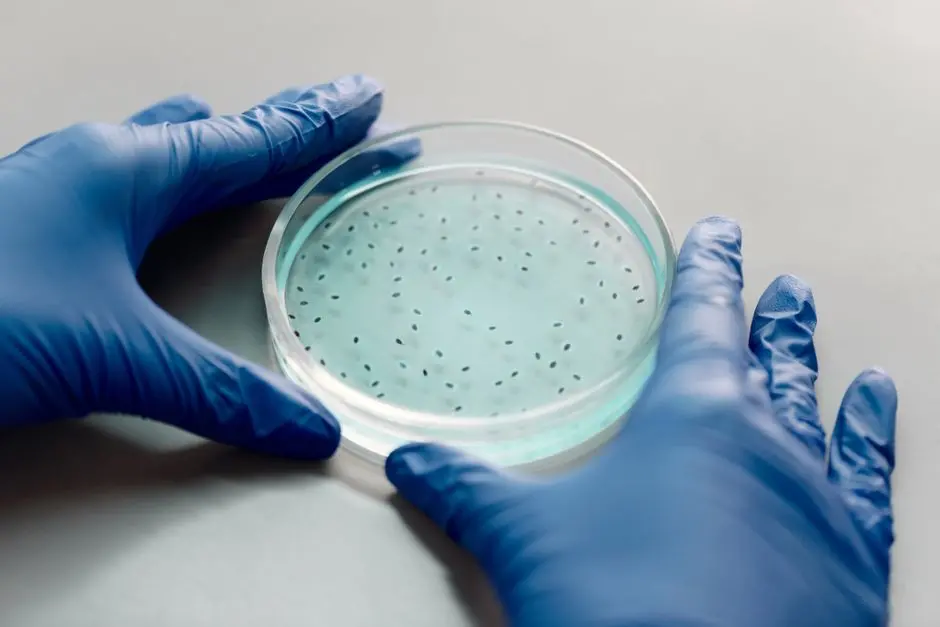
In the high-stakes arena of biological research, the integrity of our data is paramount. Every breakthrough, every therapeutic advance, hinges on the unwavering reliability of our experimental results. Yet, beneath the gleaming surfaces of our lab benches, hidden pitfalls — from reagent degradation to instrument drift — constantly threaten to compromise our findings. Unchecked, these silent saboteurs can invalidate months of meticulous work, erode trust, and even misdirect crucial scientific endeavors. We must confront these challenges head-on, not as mere technicians, but as strategists committed to scientific excellence.
This resource illuminates the critical quality control (QC) procedures essential for safeguarding the fidelity of biological laboratory operations. We will dissect the foundational elements, advanced strategies, and common pitfalls, equipping you with the actionable intelligence to forge an unimpeachable QC framework. By implementing rigorous quality protocols, we not only ensure the reproducibility of our experiments but also elevate the credibility of our entire scientific output. Prepare to transform your lab's operational efficiency and data trustworthiness, laying a robust foundation for groundbreaking discoveries, and enabling us to confidently push the boundaries when analyzing and interpreting experimental data.
Establishing the Unyielding Foundations of Quality Control
We initiate our journey by establishing the bedrock principles of quality control in biological laboratories. QC is not an afterthought; it is an intrinsic component of every experimental design, a proactive shield against variability and error. Our objective is clear: to ensure that all generated data is accurate, reliable, and reproducible. This begins with an understanding of the primary sources of variation in a biological lab. These include human factors (technique inconsistencies), reagent quality (expiration, storage, batch variability), equipment performance (calibration, maintenance), and environmental conditions (temperature, humidity).
A robust QC system mandates the implementation of Standard Operating Procedures (SOPs) for every critical task. We don't just write SOPs; we meticulously craft them, ensuring they are unambiguous, actionable, and regularly reviewed. Think of SOPs as the DNA of our lab's operations – precise instructions dictating every cellular process for optimal function. We must implement training programs that go beyond basic instruction, instilling a culture of precision and critical self-assessment among our personnel. Furthermore, we mandate the use of control samples – positive, negative, and internal standards – in every assay. These controls act as our internal compass, immediately indicating if an assay has veered off course. We forge a system where deviations are not simply noted but are immediately investigated, root causes identified, and corrective actions rigorously implemented, thereby ensuring continuous improvement and unparalleled data integrity.
Mastering Reagent and Equipment Vetting: Precision at the Core
The integrity of our results is inextricably linked to the quality of our reagents and the reliability of our equipment. We cannot expect precise outcomes from imprecise inputs. Therefore, we must implement stringent vetting processes for all incoming reagents. This includes verifying Certificates of Analysis (CoA) from suppliers, performing functionality tests on critical batches (e.g., enzymes, antibodies, cell culture media), and maintaining meticulous inventory records detailing lot numbers, expiration dates, and storage conditions. We segregate reagents based on their stability and usage frequency, minimizing degradation and contamination risks. For sensitive reagents, we often aliquot them into single-use portions, preventing repetitive freeze-thaw cycles that compromise activity.
Concurrently, our equipment requires surgical attention. Regular calibration, preventative maintenance, and performance verification are non-negotiable. For example, pipettes must undergo calibration checks quarterly, balances annually, and spectrophotometers should have their linearity and absorbance verified with certified standards. We log every maintenance event, every calibration certificate, creating a transparent audit trail. Automated systems require specific attention to their internal QC checks and software validation. We establish clear acceptance criteria for all equipment performance checks; any deviation outside these predefined limits triggers immediate troubleshooting and potential service intervention. We don't simply use equipment; we master its operational integrity, ensuring every measurement is trustworthy and every assay performs optimally.

Validating Methods and Implementing In-Process Quality Checks
Beyond the foundational elements, we delve into the rigorous validation of our experimental methods and the integration of in-process quality checks. Method validation is the crucible in which we test the robustness, sensitivity, specificity, accuracy, and precision of our assays. We don't just assume a protocol works; we systematically prove its fitness for purpose across its intended range. This involves defining clear performance specifications and employing statistical methods to demonstrate that these specifications are consistently met. For quantitative assays, we determine limits of detection (LOD) and quantification (LOQ), linearity, and dynamic range. For qualitative assays, we establish sensitivity and specificity parameters.
Crucially, we integrate a suite of in-process quality control (IPQC) checks throughout our experimental workflows. These are checkpoints designed to catch potential issues before they propagate downstream, saving valuable time and resources. For instance, in PCR, we check DNA concentration and purity before amplification. In western blots, we verify protein loading consistency. In cell culture, we routinely monitor cell viability and morphology. Each IPQC step has predefined acceptance criteria, and any failure triggers an immediate pause and investigation. We leverage internal standards and spike-in controls to monitor matrix effects and extraction efficiencies. This proactive, granular approach to QC allows us to intercept errors early, ensuring that only high-fidelity samples progress to the next stage, thereby optimizing our resource allocation and accelerating reliable discovery.

Navigating Data Integrity, Documentation, and Audit Readiness
The ultimate goal of our quality control efforts is to ensure unimpeachable data integrity. This extends beyond the bench to how we record, store, and manage our experimental results. We mandate comprehensive and contemporaneous documentation for every experiment. This means recording all raw data, experimental conditions, reagent lot numbers, equipment used, and observations precisely when they occur. Electronic Lab Notebooks (ELNs) and Laboratory Information Management Systems (LIMS) are powerful allies in this endeavor, providing structured frameworks for data capture, version control, and audit trails. We implement robust data backup strategies, safeguarding against loss and ensuring long-term accessibility.
Our documentation must be 'ALCOA+' compliant: Attributable, Legible, Contemporaneous, Original, Accurate, and complete, consistent, enduring, available. This standard elevates our documentation from mere record-keeping to a cornerstone of scientific accountability. We conduct internal audits regularly, proactively identifying non-conformances and areas for improvement before external scrutiny demands it. Corrective and Preventive Actions (CAPAs) are not just forms; they are dynamic processes that drive systemic improvements, addressing root causes rather than just symptoms. This meticulous approach to documentation and data governance not only fosters an environment of transparency and reproducibility but also fortifies our position for any regulatory inspection or external collaboration, cementing our reputation for scientific rigor and trustworthiness.
Advancing QC: From Automation Integration to Continuous Optimization
As biological science evolves, so too must our quality control strategies. We continually seek to optimize our QC framework by integrating advanced technologies and embracing a culture of continuous improvement. Automation in the lab, while introducing efficiency, also necessitates specific QC considerations. We must validate automated liquid handlers for precision and accuracy, verify robotic arm repeatability, and implement software validation protocols to ensure the integrity of automated workflows. The data deluge from high-throughput experiments, such as next-generation sequencing or mass spectrometry, demands sophisticated bioinformatics QC pipelines, identifying aberrant samples, assessing read quality, and flagging potential biases.
We actively leverage statistical process control (SPC) charts, such as Levey-Jennings charts, to monitor assay performance over time. These visual tools allow us to detect subtle shifts or trends in assay parameters before they lead to outright failures, enabling proactive intervention. We embrace inter-laboratory comparisons and participation in external quality assurance (EQA) schemes, benchmarking our performance against industry standards and identifying areas for enhancement. Furthermore, we recognize that QC is not a static state but an ongoing expedition. We routinely review our QC procedures, incorporating feedback, adapting to new technologies, and learning from every successful experiment and every detected deviation. This relentless pursuit of optimization ensures our biological labs operate at the apex of reliability, delivering data that consistently drives scientific progress.
Key Takeaways
Non-Negotiable Imperative of QC
Quality control is fundamental for accurate, reliable, and reproducible biological data, protecting against variability from human error, reagents, equipment, and environment. We must integrate it into every experimental design.
Pillars of Robust QC Frameworks
We establish SOPs, implement rigorous training, and mandate the use of control samples (positive, negative, internal standards) in all assays. Deviations trigger immediate root cause analysis and corrective actions.
Vetting Reagents and Equipment
Stringent vetting processes for reagents include CoA verification, functional testing, and meticulous inventory. Equipment requires regular calibration, preventative maintenance, and performance verification with clear acceptance criteria and audit trails.
Method Validation and In-Process Checks
Systematically validate assay robustness, sensitivity, specificity, accuracy, and precision. Integrate In-Process Quality Control (IPQC) checks at critical workflow stages to catch issues early, using internal standards and spike-in controls.
Data Integrity and Documentation
Ensure comprehensive, contemporaneous, and ALCOA+ compliant documentation using ELNs and LIMS. Implement robust data backup and conduct regular internal audits with CAPA processes to drive systemic improvements.
Continuous Optimization & Advanced Strategies
Embrace automation QC (validation of liquid handlers, software), bioinformatics QC pipelines, and Statistical Process Control (SPC) charts. Participate in external quality assurance (EQA) schemes and continuously review/adapt QC procedures for peak reliability.
FAQ
-
Why is quality control so critical in biological experiments?
Quality control is critical because biological experiments are inherently complex and susceptible to numerous variables – from biological sample variability to human error, reagent quality, and equipment performance. Without rigorous QC, experimental results can be inaccurate, irreproducible, and misleading, wasting resources and potentially derailing scientific progress. It ensures the trustworthiness and validity of all generated data.
-
What is the 'ALCOA+' principle in documentation?
ALCOA+ is a regulatory standard for data integrity and documentation. It stands for: Attributable (who performed the action), Legible (readable and understandable), Contemporaneous (recorded at the time of the action), Original (first capture of the record), Accurate (correct and truthful). The '+' adds: Complete, Consistent, Enduring, and Available throughout the data lifecycle.
-
How often should lab equipment be calibrated?
The frequency of equipment calibration depends on the specific instrument, its usage frequency, manufacturer recommendations, and regulatory requirements. Critical instruments like pipettes might be calibrated quarterly or semi-annually, balances annually, and spectrophotometers might require daily checks with internal standards and annual external calibration. It is crucial to establish and adhere to a documented calibration schedule based on risk assessment and performance monitoring.