
Architecting Bioactive Excellence: High-Performance Strategies for Molecular Optimization
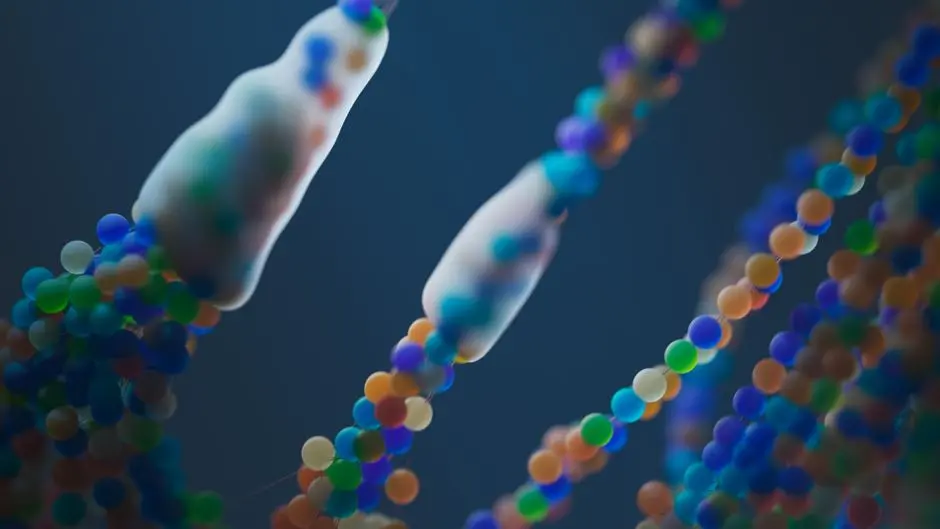
We stand at the precipice of a new era in therapeutic engineering where the bridge between a raw hit and a life-saving drug depends entirely on the precision of molecular refinement. The journey from a basic chemical entity to a potent, selective, and safe pharmacological agent requires more than just discovery; it demands a surgical approach to optimization. This article decodes the high-stakes world of biological activity improvement, where we transform molecular potential into clinical reality. By mastering the intricate dance between structural architecture and physiological response, we eliminate off-target risks and maximize therapeutic index. The stakes are immense: a single structural modification determines the difference between a failed experiment and a multi-billion dollar medical breakthrough. We explore the essential methodologies, from SAR analysis to pharmacokinetic tuning, that allow scientists to forge compounds with unparalleled efficacy. Whether you are an industry veteran or a rising bio-entrepreneur, understanding these strategic pillars is non-negotiable for success in modern drug development. We invite you to master the rigorous workflows that turn chemical intuition into biological power, ensuring that every molecule we design fulfills its ultimate mission of healing.
The Strategic Foundation of Molecular Refinement
We initiate the process by defining the boundaries of our molecular battlefield. The transition from identifying a starting hit to creating a viable clinical candidate marks the most critical phase in the discovery pipeline. We call this phase the crucible of pharmaceutical potential. Understanding the comprehensive nature of lead optimization allows us to visualize the complex interplay between chemical structure and biological function. This is not a simple linear progression but a multidimensional challenge where we must balance conflicting properties simultaneously.
We execute rigorous protocols to refine these early discoveries. We analyze the sophisticated methodologies that experts employ to enhance chemical hits, focusing on reducing molecular weight while increasing specific interactions. Our goal remains clear: transform a crude lead into a high-precision instrument. This transformation requires us to monitor specific performance indicators that dictate the compound's future success. We prioritize the essential metrics that define a high-quality lead candidate, including potency, solubility, and metabolic resistance.
Tactical Priorities in Early Optimization:
- Ligand Efficiency: We maximize the binding energy per heavy atom to maintain molecular leanness.
- Lipophilicity Control: We engineer the LogP to ensure the compound crosses membranes without sacrificing solubility.
- Molecular Weight Management: We resist the urge to add unnecessary complexity, keeping the scaffold agile and bioavailable.
We forge these molecules by stripping away non-essential fragments and reinforcing the core pharmacophore. This surgical focus ensures that we do not merely create a molecule that works in a test tube, but one that survives the harsh environment of the human body. We reject mediocrity; we demand high-performance candidates that exhibit exceptional promise from the very first screening round.

Precision Engineering through SAR Analysis
We decode the molecular language by mapping structural features to biological outcomes. This is the heart of our engineering process. We utilize a systematic approach where SAR principles provide a blueprint for molecular evolution. By correlating every change in the molecule to its effect on the target, we eliminate guesswork. We implement standardized SAR analysis protocols to identify the exact atoms responsible for target engagement and those that trigger unwanted side effects.
Our strategy hinges on the meticulous assessment of how structural shifts influence pharmacological response. When we add a methyl group or substitute a halogen, we observe the ripple effect across the entire protein-ligand complex. This feedback loop allows us to deploy tactics designed to lock the molecule into its target binding pocket while simultaneously avoiding similar proteins in the body. We do not settle for broad-spectrum activity; we engineer surgical precision.
Core SAR Optimization Tactics:
- Bioisosteric Replacement: We substitute unstable groups with robust alternatives that mimic the original electronic properties.
- Rigidification: We constrain the molecule into its bioactive conformation to reduce the entropic cost of binding.
- Electronic Tuning: We modulate the electron density around aromatic rings to optimize pi-stacking and hydrogen bonding.
By applying these rigorous design rules, we forge a path toward unparalleled selectivity. We transform a promiscuous binder into a highly specific modulator. Every data point generated in our assays serves as a coordinate on our map, guiding us toward the ultimate structural configuration that yields maximum therapeutic benefit with minimal toxicity.
Accelerating Discovery with SAR Insights
We accelerate the pace of discovery by leveraging historical data and modern analytical tools. Efficiency is our primary weapon against the high cost of drug development. We examine proven instances where structural insights led to breakthrough treatments, using these success stories to inform our current workflows. These case studies prove that the fastest route to a drug is a smart, data-driven optimization cycle rather than brute-force screening.
We recognize the strategic importance of SAR in shortening the development timeline. By understanding which parts of the molecule are 'tolerant' of change, we can rapidly introduce modifications that improve properties without losing the core activity. This intelligence prevents us from wasting resources on dead-end chemical series. We focus our synthesis efforts only on the most promising analogs, ensuring that every hour in the lab contributes directly to the final goal.
Advantages of SAR-Driven Acceleration:
- Reduced Synthetic Load: We synthesize fewer molecules but gain more information from each one.
- Early Liability Identification: We spot metabolic or toxicological red flags before they become expensive failures.
- Intellectual Property Strength: We map the chemical space comprehensively, allowing us to build robust patent fences around our discoveries.
We treat every SAR campaign as a battle for clarity. By stripping away the noise of random variations, we reveal the signal of biological truth. This clarity allows us to move with speed and confidence through the development phases, transforming an abstract hit into a tangible asset for clinical trials.
Navigating the Physiological Barrier: ADME and PK
Biology serves as the ultimate filter for our chemical creations. A molecule that binds perfectly in a cell-free assay is worthless if it cannot reach its target in a living organism. We master the invisible forces of the body by understanding the profound impact of PK profiles on molecular design. We prioritize the four pillars of absorption, distribution, metabolism, and excretion from the earliest stages of design. Without these considerations, we are simply creating high-affinity poisons or ineffective compounds.
Our engineering team focuses on optimizing the survival of our leads in the metabolic furnace. We tackle issues like low solubility and rapid first-pass metabolism by incorporating structural features that enhance systemic exposure. Whether we are adding polar groups to boost solubility or fluorinating metabolic hotspots to block degradation, every choice is deliberate. We emphasize the non-negotiable requirement for a drug to maintain therapeutic levels in the bloodstream.
Critical ADME Checkpoints:
- Caco-2 Permeability: We ensure the molecule can traverse the intestinal wall.
- Microsomal Stability: We test against liver enzymes to ensure a viable half-life.
- Plasma Protein Binding: We balance the free drug concentration to ensure effective tissue distribution.
We do not hope for good PK; we engineer it. By aligning our chemical modifications with physiological requirements, we ensure that our molecules possess the 'drug-like' qualities necessary for human success. We view ADME not as a hurdle, but as a design specification that defines our molecular architecture.
The Chemist’s Toolkit: Structural Interventions
We wield a sophisticated arsenal of chemical transformations to reshape our leads. The ability to manipulate atoms with precision allows us to fine-tune every aspect of a molecule's behavior. We deploy standard yet powerful synthetic interventions to overcome specific liabilities. We investigate the technical maneuvers used to optimize binding and reduce toxicity. Every atom is a lever that we can pull to adjust the molecule's performance.
We identify and utilize specific functional groups that enhance the pharmacological profile of our scaffolds. For instance, the introduction of a sulfonamide can improve binding in certain protease inhibitors, while a cyclopropyl group might boost potency and metabolic stability. We also implement tactics to fortify the chemical structure against enzymatic attack. This involves identifying vulnerable bonds and replacing them with more resilient bioisosteres.
Tactical Chemical Tools:
- Fluorine Scanning: We use fluorine to modulate pKa and improve metabolic resistance without significantly increasing size.
- Homologation: We vary carbon chain lengths to perfectly fill hydrophobic pockets in the target protein.
- Chirality Management: We optimize the stereochemistry to ensure only the most active isomer is produced, reducing off-target effects.
We treat the molecule as a dynamic machine. By swapping parts and reinforcing the chassis, we create a high-performance therapeutic engine. Our surgical precision at the atomic level ensures that the final compound is both robust and lethal to the disease target.
Evolution through Iterative Design Cycles
Excellence is an emergent property of repetition and refinement. We do not expect perfection in a single step; we achieve it through a relentless cycle of 'Design-Make-Test-Analyze'. We focus on synthesizing a series of related structures to explore the chemical space. Each analog provides a vital piece of the puzzle. We observe the gradual evolution of a lead into a clinical superstar through successive generations of synthesis.
The complexity of biological systems explains the necessity of a cyclic approach to solving molecular problems. A change that improves potency might unintentionally ruin solubility. We must constantly re-evaluate and re-optimize. This is the fundamental reality of creating a balanced pharmaceutical agent. We embrace this feedback loop, using it to prune away ineffective chemical lineages and double down on successful structural motifs.
The Iterative Workflow:
- Hypothesis Generation: We use current data to predict the next best modification.
- Rapid Synthesis: We build the new analogs using high-efficiency chemistry.
- Biological Profiling: We test the analogs in a battery of assays.
- Refinement: We integrate the results to refine our molecular model.
Through this Darwinian process of selection and modification, we ensure that only the most fit molecules survive. We forge candidates that have been battle-tested against multiple criteria, resulting in a robust and reliable therapeutic lead ready for the ultimate test in the clinic.
Integrating Computational and Practical Workflows
We merge the power of silicon with the reality of the wet lab to push the boundaries of what is possible. In the modern era, the synergy between in silico modeling and organic synthesis is our greatest advantage. We use molecular docking and molecular dynamics to visualize the interaction between our candidate and the target at a sub-atomic level. This allows us to predict the outcome of a modification before we even touch a flask, saving months of laboratory effort.
We implement streamlined systematic frameworks that integrate high-throughput screening and AI-driven design. These workflows allow us to process thousands of data points and identify subtle trends that a human chemist might miss. We look to real-world success stories where computational power accelerated breakthroughs as our North Star. These examples demonstrate that the future of medicine lies in the seamless integration of digital intelligence and physical execution.
Future-Proofing our Optimization:
- AI-Driven Predictive ADME: We use machine learning to predict pharmacokinetic liabilities early.
- Virtual Libraries: We screen millions of virtual compounds to find the best starting points for synthesis.
- Automated Synthesis: We leverage robotic platforms to accelerate the 'Make' phase of our cycle.
We are not just chemists; we are architects of biological change. By utilizing every tool at our disposal—computational, chemical, and biological—we engineer molecules that are not just improvements, but revolutionary steps forward in human health. Our mission is to transform the frontier of biology into a territory we have fully mastered and optimized for the benefit of all.
Key Takeaways
The Essence of Molecular Optimization
Molecular optimization is the surgical process of refining a chemical 'hit' into a clinical 'lead'. It requires balancing potency, selectivity, and pharmacokinetic properties simultaneously. Success is achieved through iterative 'Design-Make-Test-Analyze' cycles, leveraging SAR (Structure-Activity Relationship) data to guide every atomic modification. Key goals include improving ligand efficiency, ensuring metabolic stability, and minimizing off-target toxicity.
Strategic Pillars for Success
1. SAR Analysis: Mapping how structural changes impact biological response. 2. ADME Tuning: Engineering molecules to survive and thrive in the physiological environment. 3. Bioisosteric Replacement: Using chemical mimics to solve stability and toxicity issues. 4. Computational Synergy: Integrating AI and molecular modeling to predict and accelerate design outcomes. 5. Iterative Refinement: Embracing repetitive testing to evolve the most robust clinical candidate.
FAQ
-
What is the primary goal of improving chemical compounds for biological activity?
The primary goal is to maximize the therapeutic index, which involves increasing the potency against a specific target while minimizing toxic side effects and ensuring the molecule has drug-like properties for human use. -
How does SAR analysis help in the drug discovery process?
SAR analysis provides a map that correlates chemical structures with biological effects. It helps scientists understand which parts of a molecule are essential for activity and which can be modified to improve safety or stability. -
Why is pharmacokinetic optimization often considered the hardest part of drug design?
Because it requires the molecule to survive complex biological systems, including stomach acid, liver enzymes, and cellular barriers, while still reaching its target in the correct concentration. -
What is bioisosteric replacement?
It is a strategy where one chemical group is replaced by another with similar physical or chemical properties, used to improve a compound's stability, reduce toxicity, or bypass intellectual property constraints.