
> New Molecule Discovery > Molecular Optimization Strategies > Optimize Potency and Selectivity: Core Strategies for New Molecule Discovery
Optimize Potency and Selectivity: Core Strategies for New Molecule Discovery
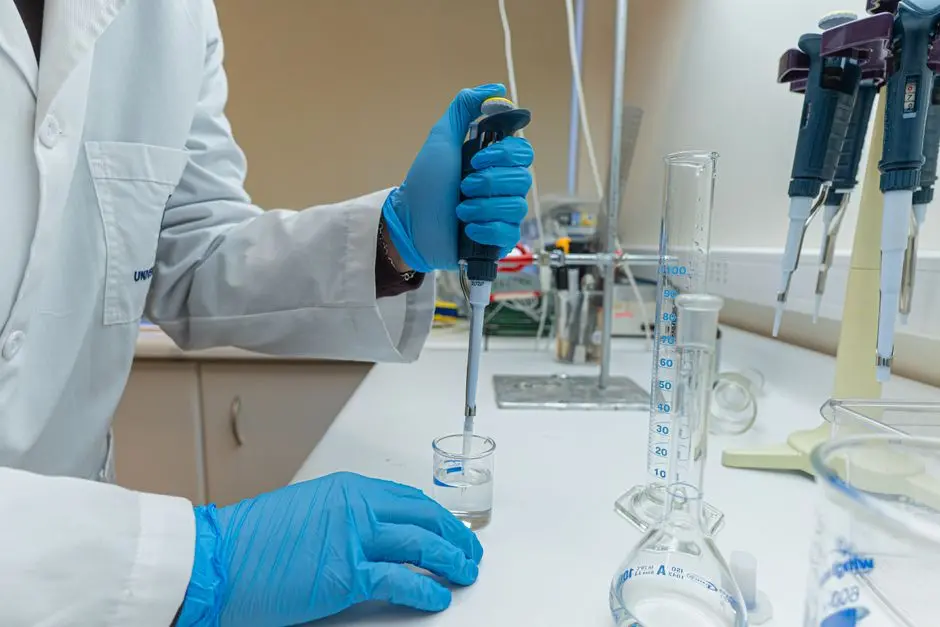
The quest for groundbreaking therapeutics pivots on a critical challenge: developing molecules that are not only potent but exquisitely selective. In the intricate dance of biology, a drug’s ability to elicit a desired effect at minimal concentration, coupled with its precision in targeting only the intended biological machinery, dictates its therapeutic success and safety profile. Without optimized potency, higher doses are required, amplifying potential side effects. Without selectivity, off-target interactions can lead to severe adverse events, derailing even the most promising compounds. This article forges a comprehensive path through the advanced strategies essential for refining nascent molecular entities into highly effective and targeted therapeutic agents. We dissect the fundamental principles, cutting-edge methodologies, and crucial considerations that empower drug developers to surmount these formidable hurdles.
We commit to an exhaustive exploration, guiding you through the iterative processes, the computational insights, and the medicinal chemistry acumen required to sculpt compounds with unparalleled biological activity. Prepare to unearth the secrets to improving chemical compounds for biological activity, moving beyond mere hit identification to true lead optimization. By mastering these strategies, we unlock the potential to deliver safer, more efficacious medicines, transforming the landscape of disease treatment. Join us as we chart the course toward precision pharmacology, ensuring every molecule we design makes a profound and targeted impact.

Forge Precision: Understanding Potency and Selectivity Fundamentals
In the relentless pursuit of novel therapeutics, our initial focus converges on two paramount metrics: potency and selectivity. Potency quantifies a molecule’s ability to elicit a biological response at a given concentration. A highly potent compound achieves its desired effect with minimal dose, a crucial factor in reducing systemic exposure and mitigating dose-dependent side effects. We measure this through metrics like IC50 (inhibitory concentration 50%) or EC50 (effective concentration 50%), which represent the concentration required to achieve 50% of the maximum effect or inhibition, respectively. Lower values denote higher potency, reflecting greater binding affinity or catalytic efficiency. Achieving nanomolar or even picomolar potency is often the benchmark for successful drug candidates.
Selectivity, conversely, defines a molecule’s preferential interaction with its intended biological target over other off-target proteins or pathways. A compound lacking selectivity might bind to multiple receptors, enzymes, or ion channels, leading to a cascade of undesirable side effects, often unrelated to the disease mechanism. We quantify selectivity through ratios, comparing IC50 or EC50 values across different targets. For instance, a compound with an IC50 of 10 nM against its primary target and 1000 nM against an off-target demonstrates a 100-fold selectivity. Our ultimate goal is to maximize this ratio, ensuring a 'clean' pharmacological profile that minimizes collateral damage to healthy tissues or essential physiological functions.
Understanding these foundational principles from the earliest stages of drug discovery is non-negotiable. Early consideration allows us to design screening assays that not only identify potent hits but also provide preliminary selectivity data against relevant counter-targets or panels of receptors known to cause adverse events. Ignoring selectivity early often leads to significant resource expenditure on compounds later discarded due to unacceptable toxicity or lack of specificity. We must establish clear potency and selectivity thresholds for lead compounds, integrating these objectives into our multi-parameter optimization (MPO) strategy from day one. This holistic approach ensures we balance potency and selectivity with other critical attributes like ADMET (Absorption, Distribution, Metabolism, Excretion, Toxicity) properties, solubility, and synthetic accessibility, preventing the development of a highly potent, yet ultimately undeliverable, molecule. Early diligence in profiling is our strongest defense against late-stage attrition.
Sculpting Specificity: Medicinal Chemistry and SAR Strategies
With foundational principles established, we dive into the core of molecular transformation: Structure-Activity Relationship (SAR) elucidation and strategic medicinal chemistry. SAR studies are the bedrock of optimization, revealing how subtle changes to a molecule's structure impact its biological activity. We systematically modify different parts of a lead compound – known as the scaffold – to map regions critical for binding, potency, and selectivity. This iterative process of "design-make-test-analyze" (DMTA) is our compass, guiding every modification.
Key medicinal chemistry strategies we deploy include:
- Bioisosteric Replacement: We swap functional groups with others of similar size, shape, and electronic properties to modulate potency, selectivity, metabolic stability, or permeability without drastically altering the pharmacological profile. For example, replacing a carboxylate with a tetrazole can improve metabolic stability while maintaining acidity.
- Scaffold Hopping: When a lead scaffold presents liabilities (e.g., poor solubility, toxicity, patent issues), we explore novel chemical frameworks that maintain critical pharmacophoric elements but introduce a new structural core. This demands creativity and often involves computational approaches like shape-matching and pharmacophore modeling.
- Fragment-Based Drug Discovery (FBDD): We identify small, low-molecular-weight fragments that bind weakly but specifically to a target. These fragments are then grown or linked to improve potency and occupy more of the binding site, offering a unique path to high selectivity by building from specific, weak interactions.
- Chiral Resolution/Synthesis: For compounds with chiral centers, one enantiomer often possesses superior potency and selectivity, while the other might be inactive or even harmful. We isolate or synthesize the active enantiomer, refining the molecule's interaction with its biological target.
Beyond these, strategic placement of hydrogen bond donors/acceptors, introduction of steric bulk, or alteration of lipophilicity precisely fine-tunes interactions with amino acid residues in the binding pocket. We leverage computational tools like molecular docking and molecular dynamics simulations to predict how modifications might affect binding, guiding our synthetic efforts and reducing empirical trial-and-error. The challenge lies in balancing potency gains with the preservation or enhancement of selectivity, often a delicate tightrope walk where a potency-enhancing modification might inadvertently reduce selectivity or introduce new off-target binding. Rigorous parallel screening against related targets is non-negotiable to track these subtle shifts.
Unleashing Precision: Advanced Techniques for Enhanced Selectivity
Achieving absolute selectivity remains a formidable, yet essential, challenge. Beyond direct binding pocket interactions, we leverage advanced techniques to enhance a molecule's precision, minimizing off-target effects and avoiding polypharmacology where unintended. Our quest is to sculpt a drug that acts with surgical precision, impacting only the intended biological machinery.
Consider these advanced strategies:
- Allosteric Modulation: Instead of binding to the orthosteric (active) site, allosteric modulators bind to a distinct site on the target protein, inducing a conformational change that alters the protein's activity. This approach often confers superior selectivity because allosteric sites are typically less conserved across protein families than active sites. An allosteric drug can fine-tune the natural physiological response, offering a safer and more precise therapeutic window.
- Prodrug Design: We engineer prodrugs – inactive compounds that undergo metabolic or enzymatic transformation in vivo to release the active drug. This strategy is particularly powerful for targeted delivery, where the prodrug is activated specifically at the disease site (e.g., within a tumor microenvironment or by an enzyme overexpressed in diseased tissue). This local activation minimizes systemic exposure to the active compound, thereby enhancing selectivity and reducing side effects.
- Targeted Delivery Systems: For systemic administration, we can encapsulate drugs within nanoparticles, liposomes, or conjugate them to antibodies or peptides that specifically recognize disease-associated biomarkers. This physical targeting ensures a higher concentration of the drug reaches the diseased cells, dramatically improving the therapeutic index by sparing healthy tissues. Examples include antibody-drug conjugates (ADCs) that deliver cytotoxic agents directly to cancer cells.
- Exploiting Differential Expression: We design molecules that selectively interact with isoforms or variants of a target protein that are differentially expressed in diseased versus healthy tissues. For instance, inhibiting a specific kinase isoform present only in cancer cells can offer high selectivity and reduce systemic toxicity compared to pan-kinase inhibitors.
Each of these techniques demands a deep understanding of disease biology and pharmacology. We must validate the mechanism of action rigorously, employing orthogonal assays to confirm target engagement and assess off-target liabilities across diverse biological systems. The integration of advanced in vitro models, such as organoids or humanized cell lines, becomes indispensable for predicting in vivo selectivity with greater accuracy, ensuring our molecules are not just potent, but profoundly precise.

Conquer Complexities: Best Practices in Potency & Selectivity Optimization
The journey of molecular optimization is fraught with complexities. Even with meticulous design, challenges inevitably emerge. A common pitfall is prioritizing potency at the expense of other crucial properties, leading to compounds with excellent in vitro activity but poor in vivo performance due to metabolic instability, low solubility, or high off-target toxicity. We must avoid the "potency trap," where we chase ever-lower IC50s without a holistic view of the molecule's ADMET profile and selectivity landscape.
Our approach must embrace multi-parameter optimization (MPO) as a core philosophy. MPO tools, often leveraging scoring functions or desirability indices, allow us to simultaneously evaluate compounds against multiple criteria: potency, selectivity, metabolic stability, permeability, solubility, and even synthetic accessibility. This prevents isolated optimization of a single parameter that could compromise the overall drug-like properties. For example, a compound might be highly potent but metabolically labile; modifying it for stability might reduce potency. MPO guides us to the optimal balance, identifying compounds with the best overall profile rather than just the most potent.
Best Practices for Success:
- Early and Comprehensive Profiling: Initiate ADMET and off-target screening as early as hit-to-lead. This includes assays for microsomal stability, Caco-2 permeability, hERG inhibition (for cardiac safety), and a broad selectivity panel against known promiscuous targets.
- Orthogonal Assays: Employ multiple assay formats (e.g., biochemical, cellular, biophysical) to confirm target engagement and activity. This reduces false positives and provides a more robust understanding of a molecule's interaction with its target and potential off-targets.
- Iterative Design-Make-Test-Analyze (DMTA) Cycle: Maintain a rapid and efficient DMTA cycle. Each round of synthesis and testing provides critical SAR data, refining our hypotheses and guiding subsequent modifications. Rapid feedback loops accelerate optimization.
- Leverage Computational Chemistry: Integrate in silico predictions (docking, QSAR, molecular dynamics) throughout the process. These tools can prioritize synthetic targets, predict binding modes, and rationalise SAR, significantly increasing the efficiency of our experimental efforts.
- Collaborative Environment: Foster seamless collaboration between medicinal chemists, biologists, computational chemists, and ADMET scientists. Diverse expertise ensures a holistic perspective and rapid problem-solving.
Errors often arise from siloed thinking or an overreliance on a single data point. We must view each molecule as a delicate balance of properties, meticulously tuning each aspect to forge a truly effective and safe therapeutic agent. This demands vigilance, adaptability, and an unwavering commitment to data-driven decision-making.

Future-Proofing Molecules: Integrating ADMET and Emerging Strategies
Our journey to optimized potency and selectivity is inextricably linked with the pharmacokinetic and safety profiles of our molecules. An exquisitely potent and selective compound remains an academic curiosity if it cannot reach its target in sufficient concentrations, persists too long, or exhibits unforeseen toxicity in vivo. We must proactively integrate ADMET (Absorption, Distribution, Metabolism, Excretion, Toxicity) considerations into every optimization cycle, rather than addressing them as afterthoughts. This fusion of pharmacokinetic insight with targeted biological activity defines a truly developable drug candidate.
Strategic ADMET Integration:
- Absorption & Permeability: We assess oral bioavailability early using in vitro models like Caco-2 cell permeability assays. Poor permeability necessitates modifications to improve lipophilicity or introduce polar groups strategically, always mindful of the impact on target binding.
- Metabolism & Stability: Metabolic stability in liver microsomes or hepatocytes is crucial. Highly labile compounds require scaffold modifications or bioisosteric replacements to block susceptible metabolic sites (e.g., oxidation, glucuronidation), extending their in vivo half-life and reducing dosing frequency.
- Distribution: We evaluate plasma protein binding (PPB) to ensure a sufficient free drug concentration is available at the target site. Excessive PPB can reduce efficacy. For CNS targets, we specifically design for blood-brain barrier penetration.
- Excretion: Understanding excretion pathways (renal, biliary) helps predict clearance rates and potential for drug accumulation. Modifications can fine-tune these properties to avoid toxicity.
- Toxicity: Beyond target-mediated toxicity (addressed by selectivity), we rigorously screen for off-target liabilities like hERG channel inhibition (cardiac safety), genotoxicity, and cytotoxicity in a panel of cell lines. Early identification of these issues allows for prompt structural modification or compound discontinuation.
Looking ahead, emerging strategies continue to reshape our capabilities. Artificial Intelligence (AI) and Machine Learning (ML) are revolutionizing SAR analysis, predicting ADMET properties, and generating novel chemical structures with optimized profiles. Techniques like DNA-encoded library (DEL) technology enable rapid screening of billions of compounds for hit identification, providing an unprecedented starting point for optimization. Furthermore, understanding complex biological systems through multi-omics data allows us to identify novel, highly selective targets and design molecules that exploit subtle differences in disease pathology. We are not just optimizing molecules; we are architecting health, driven by data, precision, and an unyielding commitment to therapeutic innovation. The fusion of computational power with advanced experimental techniques empowers us to forge a new era of highly potent and selective medicines.
Key Takeaways
Potency and Selectivity: Core Definitions
Potency quantifies a molecule's effect at a given concentration (e.g., IC50, EC50). Selectivity defines its preferential binding to the intended target over off-targets. Both are crucial for efficacy and safety, requiring early integration into drug design with defined thresholds.
Medicinal Chemistry and SAR Approaches
Structure-Activity Relationship (SAR) studies are foundational, guiding iterative modifications through the Design-Make-Test-Analyze (DMTA) cycle. Key strategies include Bioisosteric Replacement (modifying functional groups), Scaffold Hopping (exploring new core structures), Fragment-Based Drug Discovery (FBDD) (building from weak binders), and Chiral Resolution (isolating active enantiomers).
Advanced Strategies for Enhanced Precision
To achieve surgical precision, we utilize Allosteric Modulation (binding to non-active sites), Prodrug Design (site-specific activation), Targeted Delivery Systems (e.g., nanoparticles, ADCs), and exploiting Differential Expression of targets in disease states. These techniques minimize off-target effects and systemic toxicity.
Overcoming Challenges and Best Practices
Avoid the "potency trap" by embracing Multi-Parameter Optimization (MPO), balancing potency with ADMET and other drug-like properties. Best practices include Early & Comprehensive Profiling, using Orthogonal Assays, maintaining a rapid DMTA Cycle, leveraging Computational Chemistry, and fostering Collaborative Environments to navigate complexities effectively.
Integrating ADMET and Future Outlook
ADMET (Absorption, Distribution, Metabolism, Excretion, Toxicity) integration is crucial from early stages to ensure developability. Future innovations like Artificial Intelligence/Machine Learning (AI/ML), DNA-Encoded Libraries (DEL), and multi-omics data are accelerating SAR analysis, predicting properties, and identifying new targets, pushing the boundaries of precision pharmacology.
FAQ
-
What is the primary difference between potency and selectivity?
Potency measures how much of a drug is needed to produce an effect (lower concentration for effect = higher potency). Selectivity measures a drug's preference for its intended biological target over other off-target proteins. A potent drug might not be selective, and vice versa. Our goal is to achieve both optimally.
-
Why is multi-parameter optimization (MPO) critical in drug discovery?
MPO is critical because drug candidates require a balance of many properties beyond just potency and selectivity, including ADMET characteristics and synthetic accessibility. Focusing on only one parameter often compromises others. MPO ensures we identify compounds with the best overall profile for development, minimizing late-stage attrition.
-
How do computational tools aid in improving potency and selectivity?
Computational tools like molecular docking, molecular dynamics, QSAR, and AI/ML algorithms predict how structural changes impact binding affinity, selectivity, and ADMET properties. They guide synthetic efforts, prioritize experiments, rationalize SAR, and even generate novel structures, significantly accelerating the iterative design-make-test-analyze (DMTA) cycle and reducing empirical trial-and-error.
-
What are some advanced strategies to enhance drug selectivity beyond direct binding to the active site?
Advanced strategies include allosteric modulation (binding to a non-active site to subtly alter protein function), prodrug design (inactive compounds activated specifically at the target site), targeted delivery systems (e.g., nanoparticles, ADCs), and exploiting differential expression of target isoforms in diseased tissues. These approaches aim to achieve precision by minimizing systemic exposure and off-target interactions.