
> New Molecule Discovery > Molecular Optimization Strategies > Optimize Compound Activity: Strategies for Medicinal Chemists
Optimize Compound Activity: Strategies for Medicinal Chemists
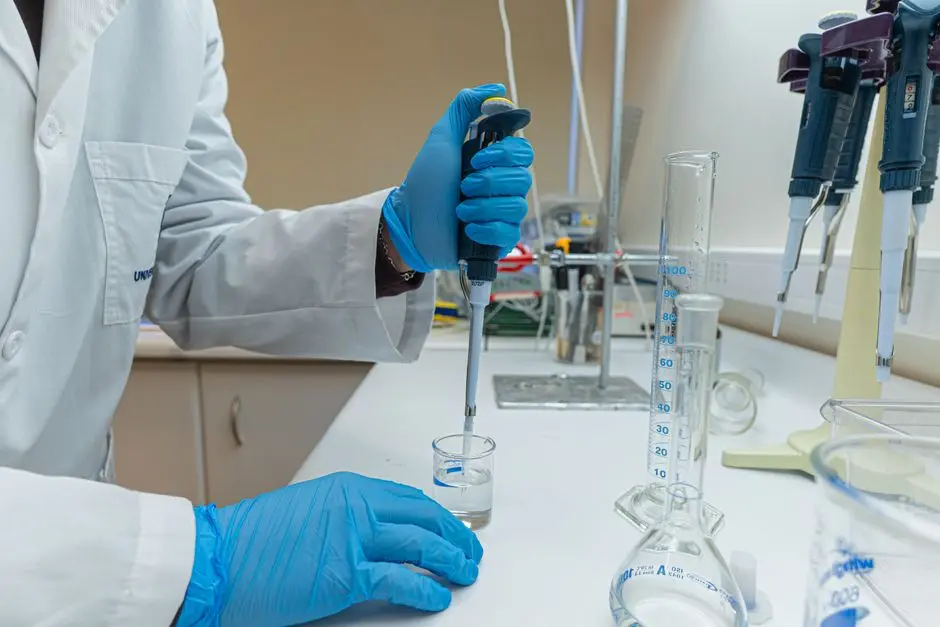
Embark on a strategic journey into the heart of drug discovery, where every molecule holds the promise of a breakthrough. The quest for novel therapeutics is fundamentally an iterative process of design, synthesis, and biological evaluation, demanding profound expertise from medicinal chemists. We don't just find molecules; we sculpt them, fine-tuning their intricate structures to unlock optimal therapeutic potential. This article peels back the layers of this critical discipline, revealing the systematic methodologies employed to transform promising lead compounds into effective, safe, and viable drug candidates. We confront the inherent challenges of pharmacology head-on, from absorption and distribution to metabolism and excretion, ensuring our modifications drive superior performance. Join us as we explore the essential techniques for improving chemical compounds for biological activity, providing an unparalleled look at the strategic decisions that redefine disease treatment. Prepare to master the art and science of molecular optimization, forging the future of medicine.
Forging Potent Therapeutics: Initial Lead Optimization
In the relentless pursuit of new drugs, identifying a “hit” compound is merely the first stride. The true challenge commences with lead optimization, a meticulous phase where medicinal chemists transform a biologically active but often imperfect molecule into a viable drug candidate. We embark on this mission by first understanding the initial hit’s strengths and weaknesses through comprehensive Structure-Activity Relationship (SAR) studies. This involves systematically synthesizing and testing analogues to pinpoint the pharmacophore – the essential structural features responsible for biological activity. We scrutinize every functional group, every bond, and every stereocenter, asking: Which parts are crucial for binding? Which are merely scaffolding? Which are liabilities causing undesired effects? This data-driven approach is paramount; it prevents blind modifications and guides our strategies with precision. We forge a molecular map of activity.
Key initial assessments drive our optimization:
- Potency: We must quantify how strongly the compound binds to its target or emits a biological response. Our goal is to push towards picomolar to low nanomolar affinity, reducing the dose required and minimizing potential side effects.
- Selectivity: Does the compound act specifically on the intended biological target, or does it interact promiscuously with other proteins or receptors? High selectivity is not just desirable; it is a critical safety parameter, minimizing off-target adverse effects.
- Preliminary ADME Profile: We perform early assays to gauge its Absorption, Distribution, Metabolism, and Excretion characteristics. Initial insights into aqueous solubility, cell permeability, and metabolic stability (e.g., liver microsome stability) can flag critical developability issues before significant resources are committed to a flawed lead.
A common pitfall is to solely pursue potency without considering these fundamental parameters. A highly potent compound with poor solubility or rapid metabolism in the liver is a therapeutic dead end, regardless of its in vitro efficacy. Our strategic modifications are initiated with a holistic view, balancing the delicate interplay between intrinsic activity, selectivity, and essential developability attributes. We leverage early in vitro and in silico tools to predict in vivo behavior, enabling rapid iteration and refinement of the lead series. This foundational work lays the groundwork for all subsequent optimization, demanding a surgical precision in our design choices to conquer biological challenges.

Sculpting Potency: Strategic Modifications for Enhanced Activity
Once the foundational SAR is established, medicinal chemists pivot to targeted structural modifications aimed at amplifying potency and refining selectivity. This phase is less about brute force and more about elegant chemical transformations, driven by a deep understanding of molecular interactions. We employ several powerful strategies:
- Bioisosteric Replacement: This involves swapping a functional group with another that possesses similar physiochemical properties (size, shape, electronic distribution) but potentially superior pharmacological or pharmacokinetic attributes. For instance, replacing a carbonyl with a sulfonyl group, or a methyl with a fluorine, can alter metabolic stability, acidity, or receptor binding without drastic changes to the overall structure. This is a subtle yet profound tool for fine-tuning.
- Conformational Restriction/Rigidification: Flexible molecules can adopt many conformations, only a few of which are active at the binding site. By introducing rigid elements (e.g., rings, double bonds) or constraints, we lock the molecule into its bioactive conformation, often leading to a significant increase in potency and selectivity. This reduces the entropic penalty upon binding, making the interaction more favorable.
- Substitution Pattern Exploration: The precise positioning and electronic nature of substituents on aromatic rings or aliphatic chains profoundly impact activity. We systematically vary groups (e.g., halogens, alkyls, electron-donating/withdrawing groups) at different positions, often guided by Hammett constants or QSAR models, to optimize interactions with the target protein. This is about precision engineering at the atomic level.
- Chirality Management: Many biological targets are chiral, meaning one enantiomer of a compound may be significantly more active (eutomer) and less toxic than its mirror image (distomer). We isolate or synthesize pure enantiomers to maximize therapeutic benefit and minimize side effects, transforming a racemic mixture into a targeted, single-entity drug.
Each modification is a hypothesis to be tested, designed to enhance specific interactions (e.g., hydrogen bonding, hydrophobic packing, electrostatic interactions) with the target while minimizing off-target binding. We relentlessly pursue the optimal molecular architecture, turning chemical intuition into tangible therapeutic gains.
Conquering Pharmacokinetics: Engineering Optimal ADME Profiles
A compound's journey through the body—its ADME profile—is as critical as its intrinsic activity. Potency alone is insufficient; a drug must reach its target in adequate concentrations and persist long enough to exert its effect, then be safely eliminated. Medicinal chemists proactively engineer these pharmacokinetic properties, understanding that poor ADME is a leading cause of drug candidate failure. We attack these challenges directly:
- Improving Aqueous Solubility: Many potent compounds are poorly soluble, hindering absorption. We introduce polar functional groups (e.g., hydroxyls, amines, carboxylates), create salt forms, or reduce molecular weight to enhance solubility. Balancing this with lipophilicity (often measured by logP) is key; excessive polarity can impede cell penetration. This requires delicate molecular titration.
- Enhancing Permeability: For oral drugs, compounds must traverse cell membranes. We optimize lipophilicity to achieve the right balance for passive diffusion. The classic "Lipinski's Rule of Five" serves as a guiding principle, though we acknowledge its limitations. Modifications might include reducing polar surface area (PSA) or introducing groups that are substrates for active transporters.
- Increasing Metabolic Stability: Rapid metabolism, particularly by cytochrome P450 enzymes (CYPs) in the liver, shortens a drug's half-life. We combat this by replacing metabolically labile groups (e.g., benzylic hydrogens, esters) with bioisosteric, more robust alternatives like fluorine or cyclopropyl rings. Introducing steric bulk near metabolic hotspots can also shield them. Prodrug strategies, where an inactive precursor is metabolized into the active drug, offer another pathway to control metabolic fate.
- Optimizing Excretion: We consider how the body eliminates the drug, aiming for a balanced excretion profile that avoids accumulation or excessively rapid clearance. This involves modulating features that influence renal or biliary excretion, often tied to polarity and molecular weight.
Each ADME modification is a strategic maneuver, often requiring compromises with potency or selectivity. The most effective approach involves iterative design cycles, using high-throughput ADME assays to guide structural changes, ensuring the molecule not only acts effectively but also behaves predictably and safely within the biological system. We strive for a drug that is not just active, but also "drug-like" in its complete profile.
Mitigating Risk: Eliminating Toxicity and Off-Target Liabilities
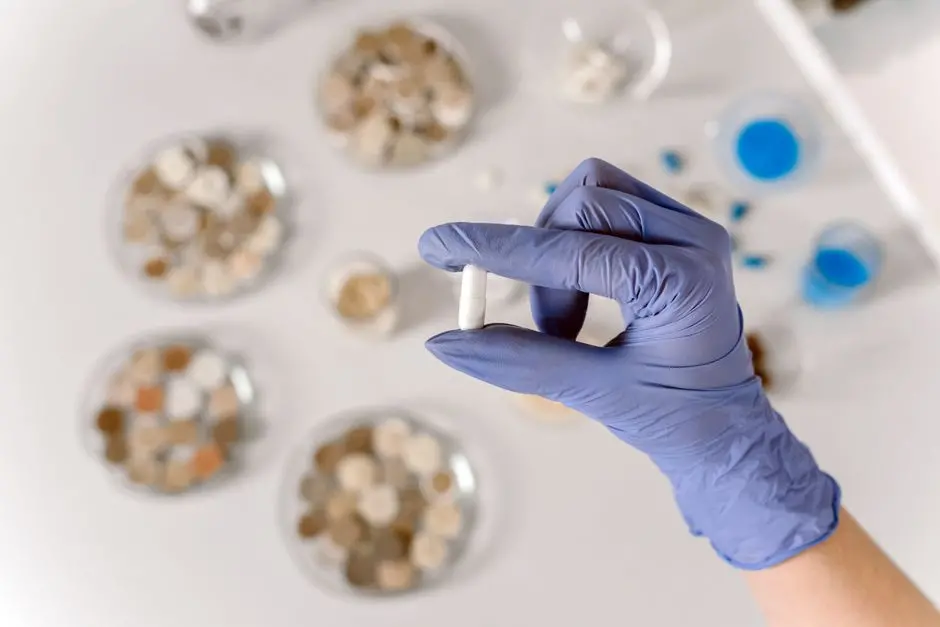
Drug safety is paramount. Even a highly potent and well-behaved pharmacokinetic profile means little if the compound carries inherent toxic liabilities or engages in undesirable off-target interactions. Medicinal chemists systematically identify and mitigate these risks early in the optimization process. This demands a proactive, rather than reactive, approach to molecular design.
- Identifying Structural Alerts: Certain chemical motifs are known to be associated with toxicity (e.g., DNA reactivity, hERG channel blockage, mitochondrial toxicity). We actively avoid or remove these "alerts" through judicious modifications, often employing bioisosteric replacements or masking reactive functionalities. A classic example involves avoiding Michael acceptors or electrophilic centers unless absolutely essential and rigorously tested.
- Minimizing Off-Target Activity: Non-specific binding to a multitude of biological targets can lead to a plethora of side effects. We screen against panels of common off-targets (e.g., GPCRs, ion channels, kinases) early on. When off-target binding is detected, we analyze the SAR for that interaction and design modifications to disrupt it, often by introducing steric bulk or altering electronic properties in regions not critical for on-target binding. This is a crucial aspect of improving selectivity.
- Addressing Reactive Metabolites: Some compounds are metabolically converted into highly reactive species that can covalently bind to cellular macromolecules, leading to toxicity. We identify potential metabolic hotspots prone to forming these electrophilic intermediates and design modifications to block or divert these pathways. For example, replacing a susceptible carbon with a nitrogen or fluorinating an aromatic ring can prevent the formation of reactive epoxides or quinone imines.
- Improving Therapeutic Index: The ultimate goal is a wide therapeutic window – a large margin between the effective dose and the toxic dose. Every modification for potency, selectivity, and ADME contributes to this goal. We constantly balance efficacy with safety, striving for compounds that deliver maximum therapeutic benefit with minimal risk to the patient.
This phase is not just about avoiding harm; it is about actively designing safety into the molecule. We leverage predictive toxicology tools and extensive in vitro screening data to sculpt compounds that are not only effective but also inherently safer, transforming potential hazards into well-tolerated therapeutics.
Accelerating Discovery: Modern Tools and Iterative Optimization
The pace of drug discovery has accelerated dramatically, fueled by the integration of advanced technologies and a truly iterative, data-driven optimization cycle. Medicinal chemists now harness sophisticated tools to design, synthesize, and evaluate compounds with unprecedented efficiency and insight. This is where innovation truly catalyzes progress.
- High-Throughput Screening (HTS) and High-Throughput Synthesis (HTS): While HTS identifies initial hits, High-Throughput Synthesis (often using automated platforms and parallel synthesis techniques) allows for the rapid generation of diverse analogue libraries. This dramatically speeds up SAR exploration, enabling the synthesis and testing of hundreds or thousands of compounds in a fraction of the time previously required. We generate vast datasets for informed decisions.
- Computational Chemistry and Structure-Based Drug Design (SBDD): We leverage powerful computational methods, including molecular docking, molecular dynamics simulations, and Free Energy Perturbation (FEP) calculations, to predict binding affinities, understand ligand-protein interactions at an atomic level, and guide rational design. SBDD, which uses the 3D structure of the target protein, allows us to visualize binding pockets and design complementary molecules with exquisite precision. This isn't guesswork; it's informed prediction.
- Artificial Intelligence (AI) and Machine Learning (ML): These transformative technologies are revolutionizing lead optimization. AI/ML models can predict ADME properties, toxicity, and even synthesize novel chemical structures with desired properties. They analyze complex SAR data to identify non-obvious patterns, accelerating the hypothesis generation and testing cycle. We employ these algorithms as powerful co-pilots in our discovery journey.
- Fragment-Based Drug Discovery (FBDD): FBDD involves screening small, low-affinity fragments that bind to discrete sites on a target protein. These fragments are then grown or linked to create larger, more potent compounds. This approach often leads to novel chemical scaffolds and more efficient optimization, as fragments typically have better ligand efficiency and reduced complexity.
The modern medicinal chemist operates at the intersection of traditional organic synthesis, advanced analytical techniques, and cutting-edge computational power. The process is a continuous feedback loop: design a molecule, synthesize it, test it, analyze the data, and refine the design. This iterative cycle, powered by innovation, ensures we consistently push the boundaries of what is chemically possible to deliver optimal therapeutic agents to patients.
Key Takeaways
Lead Optimization: Beyond the "Hit"
Medicinal chemists systematically transform initial biologically active "hits" into viable drug candidates. This begins with rigorous Structure-Activity Relationship (SAR) studies to map crucial pharmacophores, balancing intrinsic potency and selectivity with initial ADME (Absorption, Distribution, Metabolism, Excretion) considerations. A holistic view is critical from the outset, avoiding the pitfall of pursuing potency without developability.
Precision Molecular Sculpting: Enhancing Activity & Selectivity
To boost potency and selectivity, chemists employ targeted modifications. Key strategies include bioisosteric replacement (swapping groups with similar properties for improved profiles), conformational restriction (locking molecules into active shapes), systematic exploration of substituent patterns, and judicious management of chirality to isolate optimal enantiomers. Each change is a carefully calculated hypothesis.
Engineering ADME: Conquering Pharmacokinetic Hurdles
Drug success hinges on its journey through the body. Chemists proactively modify compounds to enhance aqueous solubility (adding polar groups, forming salts), optimize permeability (balancing lipophilicity, adhering to principles like Lipinski's Rule), increase metabolic stability (replacing labile groups, introducing steric bulk), and fine-tune excretion. This creates a "drug-like" profile that reaches its target effectively and persists appropriately.
Proactive Risk Mitigation: Designing for Safety
Safety is non-negotiable. Medicinal chemists actively mitigate toxicity and off-target effects by identifying and eliminating structural alerts (e.g., reactive functionalities), screening against common off-targets, designing strategies to prevent the formation of reactive metabolites, and continuously improving the therapeutic index. The goal is to build inherent safety into the molecular structure.
Modern Discovery: Accelerating with Advanced Technologies
The drug discovery landscape is transformed by advanced tools. High-Throughput Synthesis (HTS) speeds analogue creation, while computational chemistry (SBDD, molecular docking, FEP) provides atomic-level insights for rational design. Artificial Intelligence (AI) and Machine Learning (ML) analyze complex data and predict properties, acting as powerful accelerators. Fragment-Based Drug Discovery (FBDD) offers novel scaffolds, fostering an iterative, data-driven cycle for unprecedented efficiency.
FAQ
-
What is the primary goal of medicinal chemistry in drug discovery?
The primary goal is to discover and design new therapeutic agents, transforming initial biologically active compounds (hits) into safe, effective, and developable drugs. This involves optimizing potency, selectivity, pharmacokinetics (ADME), and reducing toxicity through precise chemical modifications.
-
How does Structure-Activity Relationship (SAR) guide compound modification?
SAR is fundamental. It systematically correlates specific chemical structures with their biological activities. By synthesizing and testing analogues, medicinal chemists identify which parts of a molecule are essential for activity, which contribute to side effects, and which can be modified to improve drug-like properties. This provides a blueprint for targeted optimization.
-
What are bioisosteres and why are they used in medicinal chemistry?
Bioisosteres are functional groups or atoms that have similar physical and chemical properties (like shape, size, and electronic distribution) and produce broadly similar biological effects. They are crucial for improving ADME profiles, enhancing potency, increasing selectivity, or reducing toxicity without drastically altering the compound's core activity.
-
What is the "Lipinski's Rule of Five" and its relevance?
Lipinski's Rule of Five provides a set of guidelines for predicting the oral bioavailability of a compound, especially its permeability and solubility. It suggests that poor absorption is likely if a compound violates more than one of these rules: Molecular weight > 500, logP > 5, more than 5 hydrogen bond donors, and more than 10 hydrogen bond acceptors. While not absolute, it is a valuable early filter for drug-like properties.
-
How do computational chemistry tools assist medicinal chemists?
Computational chemistry tools like molecular docking, molecular dynamics, and QSAR models are invaluable. They predict how molecules interact with biological targets, model ADME properties, and guide the design of new compounds by simulating their behavior at an atomic level. They reduce the need for extensive experimental synthesis and testing, accelerating the entire discovery process.