
> New Molecule Discovery > Molecular Optimization Strategies > Forge Iterative Workflows: Accelerating Drug Molecule Development
Forge Iterative Workflows: Accelerating Drug Molecule Development

Let's unlock accelerated drug discovery together. Innovation in biology no longer relies on isolated discoveries; it demands a systemic and evolutionary approach. This surgically precise article dissects the iterative workflows of drug molecule development, an indispensable strategy for navigating the complexity of molecular design.
We explore the fundamental Design-Make-Test-Analyze (DMTA) cycles, demonstrating how each iteration refines our understanding and propels our candidates toward success. Gone are the days of linear paths and costly dead ends; we embrace a dynamic process where every piece of data fuels continuous improvement.
Understand the mechanisms for optimizing chemical compounds for biological activity, reduce timelines, and maximize therapeutic impact. Dive into concrete strategies, pitfalls to avoid, and best practices for transforming hypotheses into life-saving molecules. Your lab is about to embrace unprecedented agility.
The Imperative of Iteration in Drug Discovery
We must confront the profound complexity inherent in discovering new drug molecules. The vastness of chemical space, coupled with the intricate, often unpredictable, nature of biological systems, renders a linear, 'one-shot' approach to drug development largely ineffective and cost-prohibitive. Iterative workflows are not merely an option; they are an absolute necessity, the bedrock upon which successful therapeutic candidates are built.
We define iterative drug development as a cyclical process of progressive refinement. At its core lies the Design-Make-Test-Analyze (DMTA) cycle, a robust framework that drives continuous learning and optimization. Each turn of this cycle generates critical data, informs the next set of hypotheses, and systematically narrows down the chemical landscape towards optimal properties. This dynamic approach ensures that every step contributes meaningfully to the understanding of structure-activity relationships (SAR) and structure-property relationships (SPR).
Our objective is clear: navigate the multi-objective optimization challenge—balancing potency, selectivity, pharmacokinetics, and safety—with unparalleled efficiency. We eradicate the misconception that discovery is a series of isolated experiments; instead, we forge a cohesive, data-driven continuum. This systemic perspective eradicates siloed efforts, transforming our teams into integrated units of biological conquest.
Devising the Next Generation: The Design Phase
The Design phase is where our intellectual prowess converges with computational precision, transforming initial insights into actionable molecular blueprints. Following the identification of initial hits, we strategically guide compound design, focusing on enhancing key attributes while mitigating liabilities. This phase is a crucible where hypotheses are forged, not just tested.
We rigorously deploy computational strategies. Molecular docking and molecular dynamics simulations unveil ligand-target interactions at an atomic level, guiding targeted modifications. Quantitative Structure-Activity Relationship (QSAR) models predict biological activity based on chemical structure, allowing us to prioritize synthetic efforts. Increasingly, we leverage AI/Machine Learning algorithms for sophisticated property prediction – assessing ADMET (Absorption, Distribution, Metabolism, Excretion, Toxicity) profiles, potency, and off-target effects even before synthesis. These tools empower us to navigate chemical space with unprecedented foresight.
Simultaneously, medicinal chemistry principles dictate our approach. We meticulously explore SAR, elucidate pharmacophores, and strategically employ scaffold modifications or bioisosteric replacements to improve target specificity, enhance potency, or optimize pharmacokinetic profiles. Our considerations extend beyond mere binding: we relentlessly pursue compounds with favorable synthetic accessibility and a robust intellectual property landscape. We challenge ourselves to design molecules that are not just effective, but also manufacturable and commercially viable.
Bringing Molecules to Life: The Make Phase
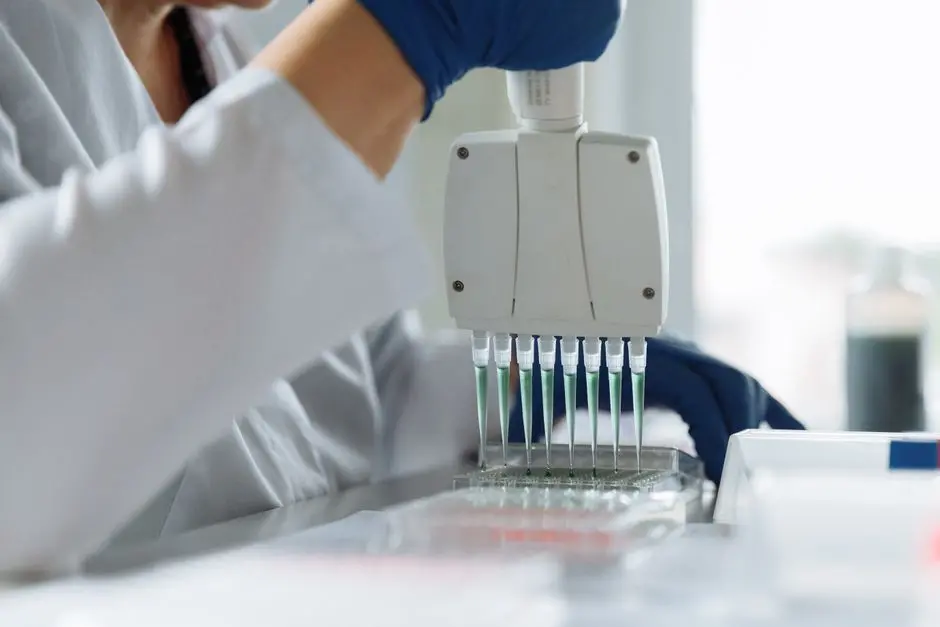
The 'Make' phase is where our designs transition from conceptual blueprints to tangible chemical entities. This demands not only synthetic skill but also strategic foresight to ensure efficiency, scalability, and purity. We do not just synthesize; we strategically construct, aiming for maximum impact with minimal resources.
We champion modern synthetic strategies. Parallel synthesis allows for the rapid creation of focused libraries, exploring multiple structural variations simultaneously. Flow chemistry offers enhanced reaction control and safety, accelerating reaction optimization. Automated synthesis platforms redefine throughput, enabling us to generate compounds faster and more reproducibly than ever before. These technologies are not luxuries; they are indispensable accelerators of the DMTA cycle.
Furthermore, we leverage advanced discovery paradigms. Fragment-Based Drug Discovery (FBDD) offers a powerful avenue for identifying low molecular weight fragments that bind weakly but specifically to a target, which we then grow or link into more potent lead compounds. DNA-Encoded Libraries (DELs) unlock vast chemical diversity, providing millions, even billions, of potential ligands for screening against targets. Our commitment extends to overcoming synthetic challenges—selecting the most efficient routes, meticulously controlling impurities, and ensuring the scalability required for later-stage development. We are not just chemists; we are architects of molecular reality.
Validating Efficacy and Safety: The Test Phase
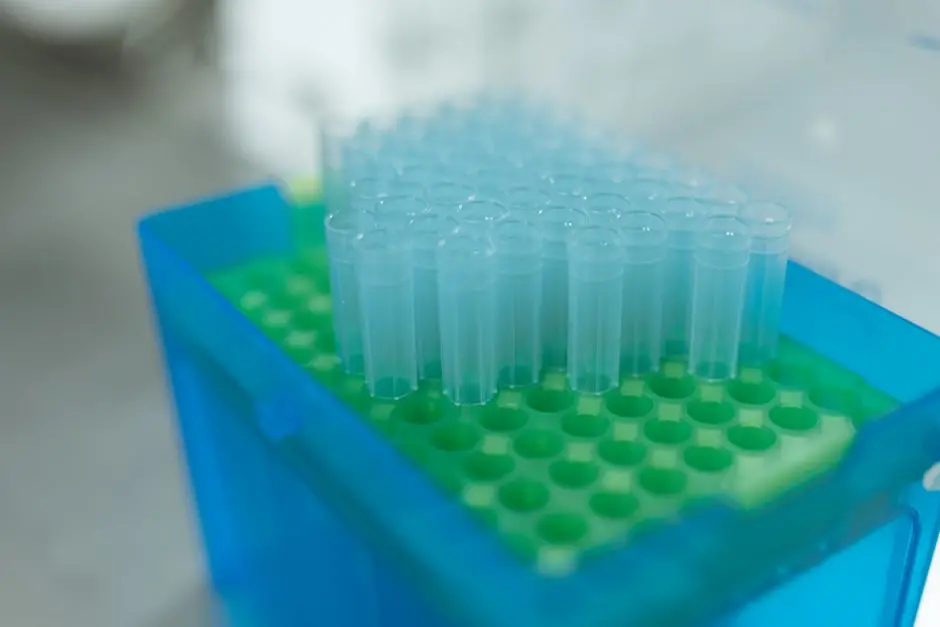
The 'Test' phase rigorously validates our designed and synthesized molecules, distinguishing promising candidates from those requiring further optimization. This is where we subject our compounds to a comprehensive gauntlet of assays, collecting the data that will guide our subsequent design iterations. We do not just test; we scrutinize, quantify, and discern biological impact with uncompromising precision.
Our assay cascade is meticulously constructed, progressing from target engagement assays to biochemical, cellular, and phenotypic assays, each providing a deeper layer of understanding regarding a compound's mechanism of action and efficacy. We integrate early ADMET profiling—assessing permeability, metabolic stability, and solubility—to catch potential liabilities long before they derail a project. In vivo proof-of-concept studies, including pharmacokinetics (PK), pharmacodynamics (PD), and efficacy in relevant disease models, provide crucial insights into systemic performance.
We focus on critical metrics: potency (IC50, EC50) defines activity, selectivity ensures minimal off-target effects, and early safety margins predict therapeutic index. A common pitfall we ruthlessly eliminate is the reliance on single assays, which can provide misleading results. Instead, we advocate for orthogonal assays and robust validation, ensuring the integrity and reliability of our data. Every data point fuels our strategic advance, informing the next loop of refinement.
Deciphering Insights: The Analyze Phase and Decision Points
The 'Analyze' phase is the intellectual fulcrum of the DMTA cycle, where raw data transforms into actionable intelligence. We do not merely collect data; we integrate, interpret, and leverage it to illuminate the path forward. This critical stage demands rigorous analytical techniques and seamless cross-functional collaboration.
Our strategy hinges on robust data integration. Centralized databases and advanced informatics platforms serve as our command centers, enabling the comprehensive analysis of structure-activity relationship (SAR) data across diverse experiments. We employ sophisticated statistical modeling and machine learning algorithms to identify subtle patterns, predict future outcomes, and uncover previously hidden insights within complex datasets. This predictive power is our compass in the vast chemical space.
We champion visual analytics to decipher intricate relationships. Activity landscapes provide a topographical view of chemical space, highlighting areas of high activity and steep SAR cliffs. Multi-parameter optimization (MPO) plots, such as radar plots or desirability functions, enable us to visualize and balance competing objectives simultaneously—potency, selectivity, solubility, and metabolic stability. The feedback loop is immediate and direct: analytical insights are translated directly into refined design hypotheses for the next iteration. Cross-functional team discussions—between chemists, biologists, computational scientists, and pharmacologists—are paramount, converging expertise to forge optimal strategies and make data-driven decisions that propel our projects forward with precision and speed.

Pioneering Future Workflows: Automation, AI, and Collaborative Ecosystems
The future of iterative drug molecule development is already upon us, driven by exponential advancements in automation, artificial intelligence, and collaborative science. We are not just adapting; we are actively shaping this frontier, pushing the boundaries of what is possible in discovery. Our vision extends to fully integrated, intelligent discovery pipelines.
We champion emerging technologies. AI-driven generative chemistry algorithms are revolutionizing the design phase, proposing novel molecular structures with desired properties that human intuition alone might miss. Automated synthesis labs, powered by robotics and sophisticated control systems, perform synthetic reactions and purification with minimal human intervention, dramatically accelerating the 'Make' phase. Coupled with high-content screening and automated biological assays, these technologies are giving rise to true closed-loop discovery platforms, where the entire DMTA cycle can be executed with unprecedented speed and efficiency, often in a lights-out fashion.
A robust data infrastructure, adhering to FAIR principles (Findable, Accessible, Interoperable, Reusable), is non-negotiable. This ensures that every piece of experimental data contributes maximum value, fostering machine learning and facilitating global collaboration. We foster interdisciplinary collaboration and embrace open science approaches, recognizing that collective intelligence accelerates innovation. Our strategic foresight includes anticipating regulatory challenges, meeting evolving market needs, and exploring novel therapeutic modalities such as PROTACs or gene therapies. We are not merely developing drugs; we are architecting the future of health.
Key Takeaways
Embrace the DMTA Cycle as Your Core Strategy
The Design-Make-Test-Analyze (DMTA) cycle forms the immutable backbone of all effective iterative drug development. It's not a suggestion; it’s the mandatory engine for systematic learning and compound optimization. We must integrate this cycle seamlessly, ensuring each phase informs and elevates the next, relentlessly driving towards optimal molecular profiles. This continuous feedback loop is the ultimate weapon against the vastness and complexity of chemical and biological space.
Integrate Advanced Technologies for Unprecedented Foresight
We deploy cutting-edge computational chemistry, AI/Machine Learning, and automated synthesis platforms not as optional enhancements, but as fundamental accelerators. These technologies confer predictive power, dramatically reduce experimental cycles, and unlock chemical diversity previously inaccessible. Our strategy demands their full integration to navigate complex SAR/SPR landscapes with precision and speed, transforming reactive experimentation into proactive design.
Champion Cross-Functional Data-Driven Decisions
Success in iterative development hinges on seamless collaboration and rigorous data analysis across all disciplines—chemistry, biology, and computational science. We must centralize data, visualize multi-parameter optimization, and engage in continuous, expert-led discussions. Every decision must be rooted in integrated data, fostering a collective intelligence that ensures our molecules are not just active, but truly optimized for their therapeutic mission. We eliminate silos; we build bridges with data.
FAQ
-
What is the core principle behind iterative drug molecule development?
The core principle is the Design-Make-Test-Analyze (DMTA) cycle. This involves designing a new set of compounds based on previous data, synthesizing them, rigorously testing their biological activity and properties, and then analyzing the results to inform the next round of design. It's a continuous feedback loop aimed at progressive optimization.
-
How do computational tools enhance the Design phase of iterative workflows?
Computational tools dramatically enhance the Design phase by enabling predictive modeling and detailed molecular insights. We utilize molecular docking to visualize ligand-target interactions, QSAR models to predict activity, and AI/Machine Learning to accelerate property prediction (e.g., ADMET) and even generate novel molecular structures. These tools reduce experimental burden and guide smarter design choices.
-
What are common pitfalls to avoid in iterative drug development?
We must rigorously avoid several pitfalls. These include siloed work lacking cross-functional collaboration, poor data management hindering comprehensive analysis, inadequate assay design yielding misleading results, and a lack of focus on multi-objective optimization from early stages. We ensure robust data integration, clear communication, and a holistic view of molecular properties to circumvent these challenges.