
> Advanced Molecular Biology > Molecular Mechanisms of Gene Expression > Championing Gene Expression Fidelity: Unraveling Cellular Quality Control
Championing Gene Expression Fidelity: Unraveling Cellular Quality Control
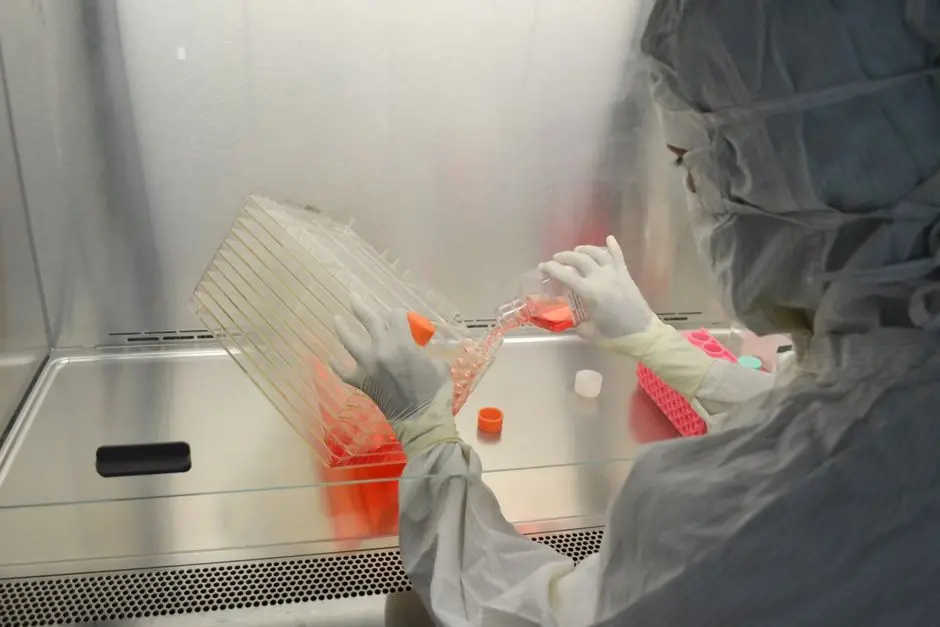
Imagine a symphony orchestra where every musician plays with perfect precision. Now, envision the cacophony if instruments went out of tune, notes were missed, or entire sections played divergent scores. This analogy perfectly captures the critical importance of accuracy in gene expression.
Within every cell, the intricate dance of genetic information to functional biomolecules is a marvel of biological engineering. Yet, this process, from DNA transcription to protein translation, is inherently prone to errors. These cellular missteps, if unchecked, cascade into profound functional deficits, driving pathologies from neurodegeneration to cancer.
This article delves into the sophisticated, multi-layered cellular mechanisms that meticulously monitor and correct these deviations, ensuring the faithful execution of the genetic blueprint. We will dissect the molecular sentinels and repair crews that safeguard the integrity of gene expression, highlighting the strategies cells employ to maintain homeostasis. Understanding these intricate safeguards is paramount to grasping the fundamental principles that govern the journey from genetic information to functional biomolecules. Join us as we unlock the secrets of cellular quality control, revealing the remarkable precision that underpins life itself.

The Bedrock of Life: Why Gene Expression Accuracy Reigns Supreme
At the very core of cellular function lies the imperative for unblemished gene expression. Every cell relentlessly transcribes DNA into RNA and translates RNA into proteins, processes fraught with potential for error. We must grasp that fidelity is not merely a desirable trait, but the absolute bedrock upon which life, as we know it, operates. A single misincorporated nucleotide during transcription, or an incorrect amino acid during translation, can lead to devastating consequences.
Consider the ripple effect: a misfolded protein can lose its enzymatic activity, disrupt cellular pathways, or even become toxic, aggregating to form insoluble plaques seen in diseases like Alzheimer's and Parkinson's. Truncated proteins might interfere with critical regulatory networks, pushing cells towards uncontrolled proliferation, a hallmark of cancer. Furthermore, errors can lead to premature degradation of essential biomolecules, depleting cellular resources and stressing the intricate balance of proteostasis.
The cell invests immense energy in maintaining this high degree of precision. This investment is not arbitrary; it's a strategic allocation essential for survival and adaptation. We observe elaborate proofreading mechanisms at every step, a testament to the evolutionary pressure to minimize molecular chaos. These quality control (QC) systems represent the cell's frontline defense against intrinsic noise and extrinsic stressors. We embark on this exploration to meticulously detail these sophisticated safeguards, uncovering how cells not only detect but actively rectify imperfections in their molecular machinery.
This pursuit of perfection underpins cellular viability, organismal development, and the prevention of countless pathologies. Compromises in these systems are not just minor glitches; they are systemic failures that compromise the entire biological architecture. We champion the understanding of these mechanisms to forge a deeper appreciation for the molecular engineering that preserves life's integrity.

Architecting Precision: Transcriptional & mRNA Quality Control
The journey to a functional protein begins with transcription, where DNA is copied into RNA. Here, accuracy is paramount. RNA Polymerase itself possesses intrinsic proofreading capabilities, leveraging its exonuclease activity to remove misincorporated nucleotides, thereby minimizing errors during synthesis. This initial layer of control ensures the nascent RNA strand closely mirrors the genetic template.
However, transcription is not infallible, and mRNA molecules can emerge with critical defects. The cell has evolved an intricate system of mRNA surveillance mechanisms to identify and eliminate these aberrant transcripts before they can be translated into potentially harmful proteins. We observe several key pathways:
- Nonsense-Mediated mRNA Decay (NMD): This is a major surveillance pathway that targets mRNAs containing Premature Termination Codons (PTCs). Typically, ribosomes encounter PTCs upstream of exon-junction complexes (EJCs), which remain bound to the mRNA after splicing. The interaction of UPF proteins (e.g., UPF1, UPF2, UPF3) with the ribosome and EJCs triggers NMD, leading to rapid mRNA degradation. This mechanism prevents the synthesis of truncated, often non-functional or dominant-negative, proteins.
- Nonstop Decay (NSD): This pathway targets mRNAs that lack a stop codon, causing ribosomes to translate into the 3' untranslated region (UTR) and stall at the poly(A) tail. Factors like Ski7 (in yeast) or the mammalian homologues associate with these stalled ribosomes, recruiting the exosome to degrade the mRNA and the ribosome-associated nascent polypeptide.
- No-Go Decay (NGD): NGD addresses mRNAs where ribosomes stall during elongation due to strong secondary structures, rare codons, or other impediments. Proteins like Pelota and Hbs1 are recruited to these stalled ribosomes, triggering endonucleolytic cleavage of the mRNA and subsequent degradation.
These sophisticated pathways represent a hierarchical defense, where distinct molecular sentinels collaborate to purge the cellular environment of faulty mRNA molecules. We recognize that eliminating aberrant transcripts prevents resource waste and, more critically, safeguards the proteome from the influx of potentially toxic products. This multi-pronged approach underscores the cell's unwavering commitment to quality control at the transcriptional and post-transcriptional stages.

Forging Flawless Proteins: Translational Accuracy & Proteostasis Systems
Once an mRNA transcript is deemed fit for translation, the cellular machinery shifts its focus to ensuring the accurate synthesis and proper folding of proteins. This stage is equally critical, as errors here can directly lead to dysfunctional or harmful proteins. We recognize several layers of quality control:
- Aminoacyl-tRNA Synthetases (aaRS): These enzymes are the first gatekeepers of translational accuracy. They are responsible for attaching the correct amino acid to its cognate tRNA. Their remarkable specificity is achieved through a 'double-sieve' mechanism: an active site that excludes amino acids larger than the correct one, and an editing site that hydrolyzes incorrectly bound, smaller amino acids. This ensures that only the precise amino acid enters the ribosome for incorporation.
- Ribosomal Proofreading: During protein synthesis, the ribosome itself contributes to fidelity. The decoding center in the ribosome plays a crucial role in discriminating between cognate and near-cognate tRNAs. Kinetic proofreading, involving GTP hydrolysis, introduces a delay, providing an opportunity for incorrect tRNAs to dissociate before peptide bond formation. This kinetic barrier significantly reduces error rates, although it comes at an energetic cost.
- Chaperone Systems: Nascent polypeptides emerging from the ribosome, and even fully synthesized proteins, require assistance to fold into their correct three-dimensional structures. Molecular chaperones, such as Hsp70, Hsp90, and chaperonins (e.g., GroEL/GroES), guide this process. They recognize exposed hydrophobic patches on misfolded proteins, prevent aggregation, and facilitate proper folding, acting as vital assistants in maintaining proteostasis.
- Ubiquitin-Proteasome System (UPS): When proteins fail to fold correctly or become damaged, the cell employs the UPS for targeted degradation. Misfolded proteins are recognized by specific E3 ubiquitin ligases, which attach chains of ubiquitin tags. These ubiquitinylated proteins are then recognized and degraded by the 26S proteasome, a large multi-subunit protease. We leverage this system to purge cellular toxins and recycle amino acids.
- Autophagy: For larger protein aggregates, damaged organelles (like mitochondria, termed mitophagy), or prolonged stress conditions, cells activate autophagy. This process involves sequestering cytoplasmic material within double-membraned vesicles called autophagosomes, which then fuse with lysosomes for degradation and recycling. Autophagy, including macroautophagy, microautophagy, and chaperone-mediated autophagy (CMA), acts as a bulk clearance mechanism, critical for cellular hygiene and stress adaptation.
These interconnected systems collectively form the proteostasis network, a dynamic equilibrium essential for maintaining a healthy and functional proteome. Failure at any of these levels contributes directly to protein misfolding diseases and cellular dysfunction.
Global Oversight: Integrated Stress Responses and Systemic Quality Control
While individual mechanisms meticulously monitor specific steps of gene expression, cells also possess overarching, integrated stress responses that activate when the burden of misfolded proteins or aberrant transcripts becomes too great. These systemic mechanisms act as crucial command centers, orchestrating cellular wide adjustments to restore homeostasis.
- Endoplasmic Reticulum-Associated Degradation (ERAD): The Endoplasmic Reticulum (ER) is a major site for protein folding, especially for secreted and membrane proteins. When proteins fail to fold correctly within the ER, ERAD is activated. Misfolded ER proteins are retrotranslocated back into the cytoplasm, where they are ubiquitinated and degraded by the proteasome. This prevents the accumulation of dysfunctional proteins in a vital organelle.
- Unfolded Protein Response (UPR): Prolonged ER stress, caused by an overload of misfolded proteins in the ER lumen, triggers the UPR. This powerful signaling network involves three main branches, activated by the sensors PERK, IRE1, and ATF6. The UPR orchestrates a multifaceted response: it transiently attenuates global protein synthesis to reduce the folding load, increases the transcription of ER chaperones and ERAD components to enhance folding capacity and clearance, and, if stress is unresolved, can induce apoptosis. This orchestrates a systemic counter-attack against protein folding challenges.
- Mitochondrial Unfolded Protein Response (UPRmt): Analogous to the ER UPR, the UPRmt responds to stress within the mitochondria, specifically the accumulation of misfolded or unfolded proteins. This response upregulates mitochondrial chaperones and proteases, enhancing the folding and degradation capacity within this organelle, crucial for maintaining energy production.
- Nucleus-Associated Degradation (NAD): While less extensively characterized than ERAD, similar mechanisms exist for misfolded nuclear and cytosolic proteins, ensuring their timely degradation.
- Cellular Senescence and Apoptosis: When quality control mechanisms are overwhelmed, and chronic stress persists despite the activation of integrated responses, cells have ultimate fail-safes. Cellular senescence induces a permanent cell cycle arrest, preventing the propagation of damaged cells. If damage is irreparable or poses a threat to the organism, apoptosis, or programmed cell death, is triggered to eliminate the problematic cell altogether.
These global oversight mechanisms highlight the cell's remarkable capacity for self-regulation and damage control. The failure of these integrated responses underpins numerous diseases, underscoring their profound clinical relevance. Understanding how these systems communicate and cooperate offers invaluable insights into health and disease, enabling us to forge novel therapeutic strategies.
Key Takeaways
The Imperative of Molecular Fidelity
Gene expression fidelity is critical for cellular health and survival. Errors during transcription or translation lead to dysfunctional or toxic proteins, causing cellular stress and contributing to diseases like neurodegeneration and cancer. Cells actively invest energy in sophisticated quality control (QC) systems to maintain this essential molecular precision.
Multi-layered Transcriptional & mRNA Quality Control
Transcriptional accuracy is initially ensured by RNA polymerase proofreading. Subsequently, mRNA surveillance systems—including Nonsense-Mediated mRNA Decay (NMD), Nonstop Decay (NSD), and No-Go Decay (NGD)—detect and eliminate aberrant mRNA transcripts (e.g., those with premature stop codons or ribosome stalling), thereby preventing the synthesis of harmful, truncated, or non-functional proteins.
Precision in Protein Synthesis & Folding
Translational fidelity begins with highly accurate aminoacyl-tRNA synthetases and is maintained by ribosomal proofreading mechanisms. Molecular chaperones then guide proper protein folding. Misfolded or damaged proteins are rapidly targeted for degradation by the Ubiquitin-Proteasome System (UPS) or cleared through various autophagy pathways (e.g., macroautophagy, CMA), collectively preserving cellular proteostasis.
Integrated Cellular Stress Responses
Cells activate systemic responses to widespread molecular errors. Key pathways include the Unfolded Protein Response (UPR) in the ER, ER-Associated Degradation (ERAD), and the mitochondrial UPR (UPRmt). These responses coordinate to reduce protein synthesis, increase chaperone production, enhance degradation, and ultimately restore cellular homeostasis. Unresolvable stress can trigger apoptosis, the ultimate fail-safe.
FAQ
-
What are the primary consequences of gene expression inaccuracy?
The primary consequences of gene expression inaccuracy include the synthesis of misfolded proteins, which can lose function or become toxic aggregates. This leads to non-functional enzymes, aberrant cellular structures, and the disruption of critical cellular pathways. Ultimately, these issues contribute to cellular dysfunction, premature cell death, and are implicated in the development of various diseases such as cancer, neurodegenerative disorders (e.g., Alzheimer's, Parkinson's), and metabolic conditions.
-
How do cells differentiate between a correctly folded protein and a misfolded one?
Cells primarily differentiate between correctly folded and misfolded proteins through the recognition of exposed hydrophobic regions. In correctly folded proteins, these hydrophobic patches are typically buried within the protein's core. Misfolded proteins, however, expose these hydrophobic surfaces, which are then recognized by molecular chaperones (like Hsp70 and Hsp90). These chaperones attempt to assist in refolding the protein. If refolding is unsuccessful, the protein is marked for degradation, typically by ubiquitination, targeting it to the ubiquitin-proteasome system (UPS) or clearing it via various autophagy pathways.
-
Can environmental factors impact gene expression accuracy mechanisms?
Absolutely. Environmental stressors significantly impact gene expression accuracy mechanisms. Factors such as heat shock, oxidative stress (e.g., reactive oxygen species), heavy metals, certain toxins, or even nutrient deprivation can overwhelm cellular quality control systems. These stressors often induce protein misfolding and aggregation, impair the efficiency of chaperones, or inhibit proteasomal and autophagic clearance pathways. Consequently, cellular stress responses (like the UPR) are activated, and if the stress is prolonged or severe, it can lead to compromised gene expression fidelity, cellular damage, and ultimately, cell death or disease.