
Decode Life's Blueprint: Engineering Functional Biomolecules from Genetic Information

Every cell within a living organism orchestrates an intricate symphony, meticulously translating the genetic code into a vast array of functional biomolecules. This fundamental process, known as gene expression, dictates cellular identity, drives metabolic pathways, and underpins all biological complexity. Missteps in this delicate choreography can lead to disease, developmental anomalies, and a host of cellular dysfunctions.
We embark on a journey through the advanced molecular mechanisms that govern this essential transformation, from the double helix of DNA to the three-dimensional architecture of active proteins. This exploration equips us with the strategic insights necessary to comprehend cellular control, pinpoint critical regulatory nodes, and ultimately, engineer biological systems with precision. Discover the foundational principles and cutting-edge intricacies that enable life to manifest its full potential through its molecular machinery.

Chart the Central Dogma: The Core Information Flow
We initiate our exploration by firmly grasping the Central Dogma of Molecular Biology. This foundational principle dictates the unidirectional flow of genetic information: DNA to RNA to protein. This sequence is not merely a theoretical construct; it represents the operational framework that cells employ to translate inert genetic blueprints into dynamic, functional biomolecules. DNA, the archival repository of an organism's hereditary information, provides the master template. We recognize its stability and redundancy as critical for maintaining genetic integrity across generations.
From this DNA template, transcription machinery synthesizes various types of RNA molecules, with messenger RNA (mRNA) serving as the transient intermediary carrying coding instructions. The final stage, translation, deciphers the mRNA message into specific amino acid sequences, which then fold into functional proteins. This intricate cascade ensures that the precise instructions encoded within the genome are accurately expressed, dictating every cellular process from metabolism to signaling. Understanding this fundamental information flow is paramount, as it reveals precisely how the intricate genetic code precisely determines the sequence of amino acids that constitute every protein.
We leverage this understanding to dissect complex biological systems, identifying where information transfer can be modulated or disrupted. Each step in this dogma represents a critical control point, a node where cellular machinery can activate, amplify, or suppress gene expression, thereby fine-tuning cellular responses to environmental cues or developmental programs. We forge our analytical framework upon this core principle, preparing to delve into the molecular specificities that define each stage of this extraordinary journey.
Activate the Genetic Blueprint: The Transcription Process
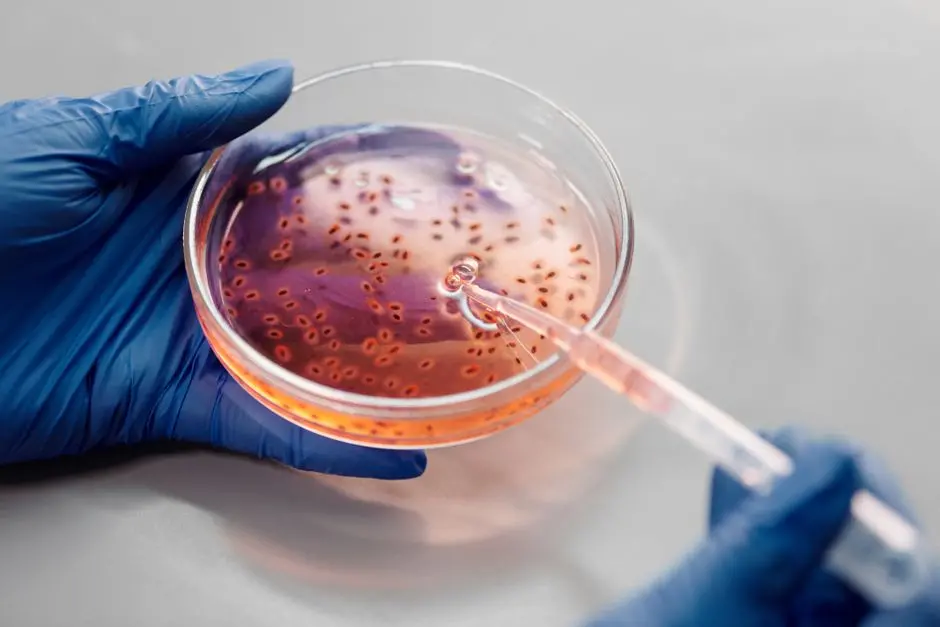
We commence the gene expression journey with transcription, the initial and pivotal step where the genetic information encoded in DNA is converted into an RNA molecule. This process is orchestrated by RNA polymerase, an enzyme that navigates the DNA double helix to synthesize a complementary RNA strand. We observe that this is not a random event but a highly regulated initiation, driven by specific DNA sequences known as promoters. Promoter recognition by RNA polymerase and associated transcription factors establishes the precise start site and direction of gene transcription.
The meticulous assembly of components at the promoter forms the pre-initiation complex. We delve into the sophisticated structure and multifaceted function of these transcription complexes, which comprise RNA polymerase, general transcription factors, and often gene-specific activators or repressors. This complex acts as a molecular engine, unwinding the DNA and positioning RNA polymerase for synthesis. We dissect precisely what molecular events unfold during transcription initiation, detailing the binding of factors, the formation of the open complex, and the synthesis of short RNA abortive transcripts before productive elongation commences. This tightly controlled initiation ensures that genes are expressed only when and where required, representing a critical regulatory checkpoint in gene expression. We engineer our perspective to appreciate the precision demanded at this earliest stage of information transfer.
Our understanding of these intricate molecular interactions allows us to predict and even manipulate gene expression patterns, providing powerful tools for biotechnology and medicine. We recognize that the specificity and efficiency of transcription directly impact the cellular proteome and, consequently, cellular function. This foundational step sets the stage for all subsequent molecular events.
Sculpt the RNA Message: From Raw Transcript to Mature mRNA
Following the precise initiation of transcription, RNA polymerase enters a phase of sustained RNA synthesis, elongating the nascent RNA chain. We meticulously examine the intricate mechanisms driving transcription elongation, where RNA polymerase moves along the DNA template, continuously unwinding the double helix ahead and re-annealing it behind, while simultaneously adding ribonucleotides to the growing RNA strand. This process demands high fidelity and processivity, ensuring a complete and accurate transcript. Beyond simple polymerization, elongation is dynamically regulated, with pausing, backtracking, and read-through mechanisms influencing transcript length and processing. Specialized factors modulate RNA polymerase activity, influencing the speed and accuracy of this critical phase.
Once the RNA polymerase encounters specific termination signals in the DNA template, transcription ceases, and the nascent RNA transcript is released. However, in eukaryotes, the primary RNA transcript is often far from its final, functional form. We activate our analytical lens to observe the extensive post-transcriptional modifications that transform this raw transcript into a mature messenger RNA (mRNA) ready for export to the cytoplasm. These modifications include the addition of a 5' cap, the splicing out of non-coding introns, and the addition of a poly-A tail at the 3' end. We recognize that the intricate regulatory mechanisms governing the entire transcription machinery extend beyond initiation, impacting elongation and termination, and are crucial for generating diverse transcripts from a single gene.
These processing steps are not mere cosmetic changes; they are essential for mRNA stability, export from the nucleus, and efficient translation. Each modification represents another layer of cellular control, ensuring that only correctly processed and functional mRNA molecules proceed to protein synthesis. We identify these processing events as critical determinants of gene output, capable of altering protein isoforms and regulating expression levels.
Architect Proteins: The Ribosomal Translation Engine
With a mature mRNA molecule successfully transported to the cytoplasm, we now confront the challenge of decoding its genetic message into a specific protein sequence. This process, known as translation, is executed by ribosomes, complex molecular machines composed of ribosomal RNA (rRNA) and ribosomal proteins. We dissect the fundamental operation of how ribosomes meticulously translate mRNA into functional proteins, acting as the cellular protein factories.
The journey begins with initiation, where the small ribosomal subunit, along with specific initiation factors and the initiator tRNA carrying methionine, binds to the mRNA. This complex locates the start codon (AUG), forming the initiation complex. We chart the precise molecular steps that define translation within cells, moving from initiation through elongation and finally to termination. During elongation, the large ribosomal subunit joins, forming a functional ribosome. Transfer RNA (tRNA) molecules, each charged with a specific amino acid, enter the ribosome and recognize codons on the mRNA through complementary anticodons. We amplify our focus on the indispensable role of tRNA in protein synthesis, recognizing it as the adapter molecule that bridges the language of nucleic acids to the language of amino acids.
Peptide bond formation then links the incoming amino acid to the growing polypeptide chain, and the ribosome translocates to the next codon. This cycle repeats, building the protein amino acid by amino acid. We meticulously outline the critical stages of initiation, elongation, and termination in translation, emphasizing the dynamic interplay of mRNA, tRNAs, ribosomes, and numerous protein factors that ensure accurate and efficient protein synthesis. The termination phase occurs when a stop codon is encountered, signaling the release of the newly synthesized polypeptide and the dissociation of the ribosomal complex.
Decipher the Codon Landscape: Beyond Simple Translation
The genetic code, the set of rules by which information encoded in mRNA is translated into protein, forms the bedrock of translation. We recognize it as a universal, triplet code where sequences of three nucleotides, called codons, specify particular amino acids. A striking feature of this code is its degeneracy; most amino acids are specified by more than one codon. We strategically investigate why multiple codons often encode the very same amino acid, a phenomenon that provides a buffer against point mutations and offers flexibility in mRNA design. This redundancy is not random but often reflects patterns of codon usage.
We further delve into the concept of codon usage bias in molecular biology, an observation that despite synonymous codons encoding the same amino acid, organisms often show a strong preference for certain codons over others. This bias is not arbitrary; it significantly influences the efficiency and accuracy of protein synthesis. For instance, highly expressed genes typically favor codons that correspond to abundant tRNAs within the cell, thereby optimizing translation speed. We decode precisely how variations in codon usage directly influence overall protein expression levels, impacting mRNA stability, translation rates, and protein folding kinetics. This provides a powerful lever for biotechnological applications, enabling us to optimize gene expression in heterologous systems.
Finally, we consider how the genetic code itself has evolved over vast evolutionary timescales. We understand that its near-universality across all life forms suggests a common ancestry and highlights the selective pressures that shaped its robust and efficient structure. While largely universal, minor variations exist in mitochondrial genomes and certain prokaryotes, offering insights into evolutionary divergence. This deep understanding of the codon landscape moves us beyond simple translation, equipping us with advanced insights into genetic engineering and synthetic biology.
Master Protein Output: Advanced Translational Regulation
Gene expression control extends far beyond the transcriptional initiation, encompassing intricate post-transcriptional and translational regulatory layers. We activate our understanding of the diverse strategies cells employ to regulate the translation of mRNA, fine-tuning protein production in response to physiological needs, stress conditions, or developmental cues. This control is critical for rapid responses, as it bypasses the slower processes of transcription and mRNA processing. We identify that not all mRNA molecules are translated immediately or continuously; their translation is often precisely controlled by a suite of molecular mechanisms.
We investigate the sophisticated translational control mechanisms that operate within molecular biology, which include regulatory sequences within the mRNA (such as untranslated regions or UTRs), the availability and activity of initiation factors, the presence of microRNAs (miRNAs), and the binding of specific RNA-binding proteins. These elements collectively dictate when, where, and how efficiently an mRNA is translated. We address the fundamental question of what specific molecular signals and pathways determine when an mRNA molecule is actively translated into protein. This might involve nutrient availability, growth factor signaling, or the cell cycle stage.
We dissect the crucial role of specialized regulatory proteins in modulating translation control, such as those that bind to mRNA UTRs to either repress or activate translation. For example, iron-response element-binding proteins regulate the translation of ferritin mRNA, increasing its synthesis in the presence of iron. We examine specific examples of robust translational regulation within living cells, including the controlled synthesis of hemoglobin subunits, the precise timing of protein production during early embryonic development, or the rapid shutdown of protein synthesis during viral infections to conserve cellular resources. Furthermore, we acknowledge the multitude of factors that collectively control translation efficiency, ranging from codon optimality to ribosome load and the activity of elongation factors. These advanced regulatory strategies highlight the cell’s remarkable ability to dynamically manage its proteome.
Enforce Molecular Precision: Quality Control Pathways
The intricate journey from genetic information to functional biomolecules is prone to errors, which can have profound consequences for cellular viability and organismal health. We, therefore, dedicate our final focus to the cellular mechanisms that rigorously monitor and maintain the accuracy of gene expression. We identify the robust cellular mechanisms that actively monitor the accuracy of gene expression at every stage, from transcription to translation and protein folding. These quality control pathways are essential safeguards, preventing the accumulation of aberrant or toxic proteins.
One critical quality control pathway in RNA metabolism is Nonsense-Mediated mRNA Decay (NMD). We explore the precise mechanisms underlying nonsense-mediated mRNA decay, which specifically targets and degrades mRNA transcripts containing premature stop codons. This preemptive degradation prevents the synthesis of truncated, potentially harmful proteins. We dissect how cells meticulously detect faulty RNA or proteins through a sophisticated network of surveillance complexes and chaperones. For instance, ribosomes stall at problematic mRNA sequences, signaling for decay or repair, while misfolded proteins are recognized by chaperone systems for refolding or ubiquitination and subsequent proteasomal degradation. These intricate pathways represent a cellular commitment to molecular fidelity.
We recognize that the diverse quality control pathways in molecular biology extend beyond NMD to include No-Go Decay (NGD) for stalled ribosomes, Nonstop Decay (NSD) for mRNAs lacking stop codons, and a myriad of protein quality control systems in the endoplasmic reticulum and cytoplasm. We underscore the profound importance of gene expression fidelity. Errors in this process can lead to loss of function, gain of toxic function, or dominant-negative effects, all contributing to various human diseases, including neurodegeneration, cancer, and genetic disorders. Engineering a deep understanding of these surveillance systems empowers us to develop strategies to counteract their failure and restore cellular homeostasis.
Key Takeaways
The Central Dogma: Information Flow
The Central Dogma outlines genetic information flow: DNA → RNA → Protein. DNA serves as the master blueprint, RNA as an intermediate messenger, and proteins as the functional molecules. Understanding this flow is critical for dissecting cellular control, with each step representing a potential point of regulation. The genetic code dictates amino acid sequences from mRNA.
Transcription: Genetic Blueprint Activation
Transcription initiates gene expression, converting DNA into RNA via RNA polymerase. This process begins with precise promoter recognition and the assembly of transcription complexes, which contain RNA polymerase and various factors. Initiation involves DNA unwinding and the first synthesis steps, rigorously controlled to ensure genes are expressed appropriately.
RNA Message Maturation
Following initiation, RNA polymerase elongates the RNA strand with high fidelity. Post-transcriptional modifications in eukaryotes (5' capping, splicing, polyadenylation) transform raw transcripts into mature mRNA. These steps are vital for mRNA stability, nuclear export, and efficient translation, acting as further layers of regulatory control over gene output.
Translation: Protein Architecture
Translation decodes mRNA into protein sequences, orchestrated by ribosomes. This process involves mRNA, ribosomes, and tRNA molecules. Molecular steps include initiation (start codon recognition), elongation (amino acid addition), and termination (stop codon recognition), with tRNA serving as the critical adapter molecule.
Genetic Code and Codon Nuances
The genetic code is a triplet, degenerate code where multiple codons often specify the same amino acid. Codon usage bias describes an organism's preference for certain synonymous codons, impacting protein expression efficiency. The code's near-universality reflects its ancient evolutionary origins and robust design.
Translational Control: Mastering Protein Output
Cells employ advanced translational control mechanisms to rapidly fine-tune protein production. These include regulatory sequences in mRNA (UTRs), initiation factor activity, miRNAs, and RNA-binding proteins. Such control allows cells to adapt swiftly to environmental changes, dictating when and how efficiently an mRNA is translated.
Quality Control: Enforcing Molecular Precision
To prevent harmful protein accumulation, cells implement robust quality control pathways. Nonsense-Mediated mRNA Decay (NMD) degrades mRNAs with premature stop codons. Other mechanisms detect faulty RNAs and misfolded proteins, initiating their degradation or repair. This fidelity is paramount for cellular health and preventing disease.
FAQ
-
What is the primary difference between transcriptional and translational control?
Transcriptional control regulates gene expression at the level of DNA to RNA synthesis, primarily by modulating how often a gene is transcribed. This typically involves DNA-binding proteins (transcription factors) that activate or repress RNA polymerase activity at promoter regions. Translational control, conversely, regulates the efficiency or initiation of protein synthesis from an already transcribed mRNA molecule. This can involve mechanisms like mRNA stability, microRNAs, RNA-binding proteins, or modification of translation initiation factors. Transcriptional control acts earlier and can conserve cellular resources more effectively, while translational control allows for more rapid and fine-tuned adjustments to protein levels without altering mRNA abundance.
-
How does codon usage bias impact genetic engineering efforts?
Codon usage bias significantly impacts genetic engineering, particularly when expressing foreign genes in a host organism. If an introduced gene contains codons that are rare in the host cell, the translation machinery (tRNAs) may not be sufficiently abundant to efficiently synthesize the corresponding protein. This can lead to low protein yields, slower translation rates, ribosome stalling, and even misfolding of the nascent polypeptide. Therefore, genetic engineers often 'codon optimize' foreign genes, replacing rare codons with more frequently used synonymous codons in the host organism, without changing the amino acid sequence. This optimization dramatically enhances protein expression levels and improves protein quality, critical for biotechnology applications like pharmaceutical production or enzyme engineering.
-
What are the major checkpoints ensuring the fidelity of gene expression?
Cells employ multiple checkpoints to ensure the fidelity of gene expression. At the transcriptional level, DNA repair mechanisms correct template errors, and specific transcription factor binding ensures correct gene initiation. During RNA processing, spliceosomal machinery meticulously removes introns, and nuclear export mechanisms ensure only properly capped, spliced, and polyadenylated mRNAs reach the cytoplasm. At translation, the accuracy of tRNA charging and codon-anticodon pairing is crucial. Post-translationally, chaperone proteins assist in correct protein folding, and robust quality control pathways like Nonsense-Mediated mRNA Decay (NMD), No-Go Decay (NGD), and the ubiquitin-proteasome system actively detect and eliminate faulty mRNAs and misfolded proteins, preventing the accumulation of deleterious products and maintaining cellular homeostasis.