
> Advanced Molecular Biology > Molecular Mechanisms of Gene Expression > Unraveling Transcription Complexes: Gene Expression's Core Machinery
Unraveling Transcription Complexes: Gene Expression's Core Machinery
The symphony of life orchestrates itself through the precise control of gene expression. At its heart lies the transcription complex, an intricate molecular machine dictating when and how our genetic blueprint translates into functional proteins. Mastering the architecture and dynamics of these complexes unlocks profound insights into cellular identity, development, and disease. We delve into the sophisticated choreography that allows cells to convert genetic information into the functional biomolecules vital for all life processes. From bacterial operons to the complex regulatory networks in eukaryotes, understanding these structures is paramount. Prepare to navigate the core mechanisms that empower life's most fundamental processes, exploring how subtle structural variations translate into vast functional divergences and how these insights propel therapeutic innovation. This comprehensive exploration equips us with the strategic understanding to decode the very language of life, offering a specialist's perspective on this indispensable cellular apparatus.
Forging the Transcriptional Engine: Universal Assembly Principles
We embark on an exploration into the fundamental architecture governing gene expression: the transcription complex. This sophisticated multi-protein assembly is not merely a passive enzyme but a dynamic molecular machine, exquisitely tailored to initiate and regulate RNA synthesis from a DNA template. At its core, the complex orchestrates the interaction between DNA, RNA polymerase (RNAP), and an array of transcription factors. This initial assembly phase is highly conserved across all domains of life, albeit with increasing complexity from prokaryotes to eukaryotes.
Consider the universal requirement: precise DNA recognition. The complex must identify specific promoter sequences to ensure transcription initiates at the correct start site. This selectivity is mediated by sigma factors in bacteria and general transcription factors (GTFs) in eukaryotes, which meticulously guide RNAP to the promoter. The subsequent unwinding of the DNA double helix to form a transcription bubble is another conserved, energy-dependent step, critical for providing access to the template strand. This process demands a tightly regulated environment, preventing spurious transcription and safeguarding genomic integrity. The precise spatial and temporal orchestration of these interactions is critical; even minor deviations can lead to cellular dysfunction or disease states.
Key Components for Transcription Complex Formation:
- RNA Polymerase (RNAP): The catalytic engine, synthesizing RNA by catalyzing phosphodiester bond formation.
- DNA Template: Provides the genetic information, with specific promoter and enhancer sequences.
- Transcription Factors (TFs): Proteins that bind to specific DNA sequences or other proteins, modulating RNAP activity and promoter recognition. These include activators, repressors, and co-activators.
The strategic assembly of these components dictates transcriptional efficiency and accuracy. We forge a robust understanding by dissecting the initial binding events, the conformational changes that prime RNAP for elongation, and the energetic requirements driving this molecular ballet. This foundational knowledge is non-negotiable for dissecting advanced regulatory mechanisms, underscoring the universal principles that underpin life's central dogma. Precision in assembly ensures fidelity in gene expression, a cornerstone of biological robustness.
Decoding Bacterial Transcription: Simplicity and Potency
In prokaryotic systems, particularly in bacteria, transcription complexes exemplify streamlined efficiency. The core RNA polymerase (RNAP) consists of five subunits (α2ββ'ω), forming the catalytic engine. However, for promoter recognition and robust initiation, the core enzyme requires the transient association of a sigma (σ) factor. This σ factor, often referred to as the 'specificity factor,' binds to specific DNA sequences within the promoter, typically the -35 and -10 boxes, thereby guiding the RNAP holoenzyme to the correct transcription start site. We observe that bacterial cells possess multiple σ factors, each directing RNAP to different sets of genes, allowing for rapid and adaptable responses to environmental cues.
Once the RNAP holoenzyme binds to the promoter, it forms a 'closed complex.' This is a reversible state where the DNA remains double-stranded. A crucial step follows: the transition to an 'open complex.' This involves the unwinding of approximately 10-14 base pairs of DNA around the transcription start site, forming the transcription bubble. This energetically favorable process is often facilitated by conformational changes within the RNAP and interactions with the σ factor, positioning the template strand optimally for nucleotide incorporation. The open complex represents the committed step for transcription initiation.
Insider Tip: The ability of a bacterial cell to rapidly switch σ factors is a potent regulatory strategy. For instance, the general housekeeping σ70 is replaced by σ32 during heat shock, redirecting the transcriptional machinery to stress-response genes.
Following the synthesis of a short RNA oligonucleotide, often through an 'abortive initiation' phase where RNAP releases short transcripts before productive elongation, the σ factor typically dissociates from the core enzyme. This dissociation marks the transition to the elongation phase, where the core RNAP, now highly processive, synthesizes the full-length RNA transcript. This elegant mechanism allows for both precise initiation and rapid elongation, critical for bacterial survival and adaptation. We decode these mechanisms to appreciate the minimal yet powerful architecture.
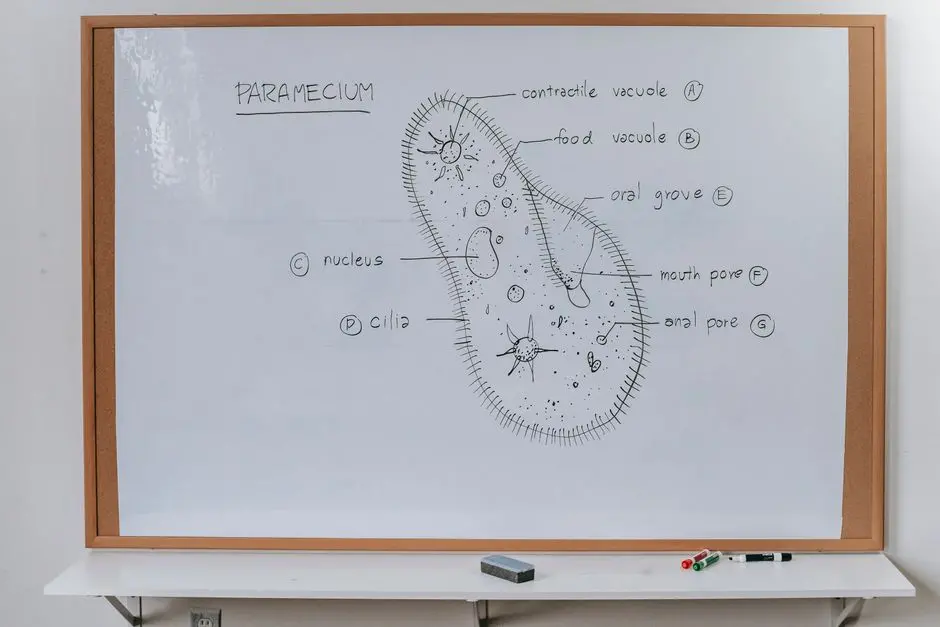
Deconstructing Eukaryotic Basal Transcription Complexes
The eukaryotic transcription complex presents a significantly higher level of complexity compared to its prokaryotic counterpart, reflecting the intricate regulatory demands of multicellular organisms. Three distinct RNA polymerases—RNAP I, RNAP II, and RNAP III—are responsible for transcribing different classes of genes. We focus primarily on RNAP II, which synthesizes messenger RNAs (mRNAs) and several small nuclear RNAs (snRNAs), forming the core of gene expression for protein-coding genes.
RNAP II alone cannot recognize promoter sequences. Instead, it relies on a battery of General Transcription Factors (GTFs) to assemble at the promoter and correctly position the polymerase. The sequential assembly of the Pre-Initiation Complex (PIC) is a meticulously choreographed process. It typically begins with the binding of TFIID (a multi-subunit complex containing TBP, TATA-binding protein) to the TATA box, a conserved promoter element. This binding induces a dramatic bend in the DNA, serving as a landmark for subsequent GTF recruitment. Following TFIID, other GTFs like TFIIA, TFIIB, TFIIF, TFIIE, and TFIIH join the complex, forming a stable PIC.
Logical Step: PIC Assembly Sequence
- TFIID (with TBP) binds to the TATA box.
- TFIIA and TFIIB stabilize TFIID-DNA interactions and recruit RNAP II.
- RNAP II and TFIIF join the complex.
- TFIIE and TFIIH complete the PIC assembly.
TFIIH, a crucial GTF, possesses both helicase and kinase activities. Its helicase activity unwinds the DNA at the promoter, creating the transcription bubble, analogous to bacterial unwinding. Simultaneously, its kinase activity phosphorylates the C-terminal domain (CTD) of RNAP II, a critical regulatory event. This phosphorylation is the switch that releases RNAP II from the promoter and allows it to transition into the elongation phase. We dissect this elaborate machinery to comprehend how precision is maintained amidst such complexity.
Regulating Eukaryotic Expression: Beyond Basal Factors
While the basal transcription machinery (RNAP II and GTFs) is essential for initiating transcription, it provides only a minimal level of gene expression. The precise and highly regulated expression profiles observed in eukaryotic cells are orchestrated by an additional layer of complexity: regulatory transcription factors and chromatin dynamics. Regulatory transcription factors bind to specific DNA sequences known as enhancers or silencers, often located far from the core promoter, sometimes tens or even hundreds of kilobases away. These factors act as molecular switches, either activating or repressing gene transcription.
Activator proteins facilitate transcription by recruiting co-activators, which can include chromatin-modifying enzymes (e.g., histone acetyltransferases, HATs) or chromatin remodeling complexes (e.g., SWI/SNF complex). HATs add acetyl groups to histone tails, reducing their positive charge and weakening their interaction with the negatively charged DNA, thereby loosening chromatin structure and making promoter regions more accessible to the basal machinery. Chromatin remodeling complexes use ATP hydrolysis to slide, eject, or restructure nucleosomes, exposing critical DNA sequences.
Conversely, repressor proteins can inhibit transcription by recruiting co-repressors, such as histone deacetylases (HDACs), which remove acetyl groups and promote a condensed, transcriptionally inactive chromatin state. Other repressors may directly interfere with GTF or RNAP II binding, or block the transition to elongation. We acknowledge that the spatial organization of the nucleus also plays a crucial role; enhancers and promoters can physically interact through DNA looping, bringing distant regulatory elements into close proximity with the basal transcription complex, often mediated by mediator complexes.
Common Error: Underestimating the combinatorial control. A single gene's expression is rarely controlled by one factor; it's the sum of interactions between multiple activators, repressors, and chromatin states that dictates its ultimate transcription level. We optimize our understanding by embracing this intricate network.
Orchestrating Gene Expression: Dynamics of Complex Formation
The assembly of transcription complexes is not a static event but a highly dynamic and regulated process, critical for rapid and precise cellular responses. The initiation phase, particularly in eukaryotes, involves a series of sequential recruitment steps, but the stability and longevity of these complexes vary significantly. For instance, some transcription factors exhibit rapid "on-off" binding kinetics at their target sites, allowing for quick adjustments in gene expression. This transient binding is often facilitated by concepts like 'facilitated diffusion' or 'scanning' where TFs quickly locate their targets on the DNA.
The concept of a 'transcription factory' or 'super-enhancer' highlights areas of the nucleus where multiple transcription complexes co-localize to transcribe highly expressed genes. These regions act as hubs, concentrating the necessary machinery and co-factors to achieve robust and coordinated gene expression. The formation of such factories is often driven by phase separation, where intrinsically disordered regions (IDRs) of transcription factors and co-activators interact to form dynamic, liquid-like compartments, enhancing local concentrations of transcriptional machinery.
Disassembly of the transcription complex is equally crucial. Post-transcriptional modifications, such as dephosphorylation of the RNAP II CTD, signal the termination of transcription and facilitate the recycling of components. For example, phosphatases specifically remove the initiating phosphorylation marks on the RNAP II CTD, allowing the polymerase to disengage from the DNA and potentially be re-recruited to new promoters. This precise cycle of assembly, function, and disassembly ensures that gene expression is not only initiated correctly but also terminated appropriately, preventing spurious or over-expression.
Good Practice: Always consider the temporal dimension. Gene regulation is not a snapshot but a continuous movie. Understanding the kinetics of factor binding, complex formation, and dissociation provides deeper insights into regulatory mechanisms and potential points of intervention. We embrace this dynamic perspective to unveil regulatory mastery.
Future-Proofing Biology: Targeting Transcription Complexes
Our deep understanding of transcription complex structure and function opens pivotal avenues for therapeutic intervention and biotechnological innovation. Aberrant transcription lies at the heart of numerous pathologies, from developmental disorders to cancer and viral infections. Many anti-cancer drugs, for instance, target transcription indirectly by inducing DNA damage or directly inhibiting components of the transcription machinery. For example, α-amanitin, a potent fungal toxin, specifically inhibits eukaryotic RNAP II, leading to cell death by blocking mRNA synthesis, though its toxicity limits its clinical use.
The specificity of transcription factor-DNA interactions and the modular nature of transcription complexes present attractive targets for precision medicine. Small molecules can be designed to disrupt specific protein-DNA interfaces or protein-protein interactions within the complex, selectively inhibiting the transcription of oncogenes or activating tumor suppressor genes. Advances in cryo-electron microscopy (cryo-EM) and X-ray crystallography are providing unprecedented atomic-level detail of these complexes, accelerating rational drug design by identifying crucial binding pockets and interaction surfaces.
Data Point: Approximately 10-15% of all FDA-approved drugs directly or indirectly modulate gene expression, often by influencing transcription complex activity, underscoring the clinical relevance of this field.
Furthermore, understanding the mechanisms by which viruses hijack the host transcription machinery to replicate their genomes offers new antiviral strategies. Conversely, engineering synthetic transcription factors (e.g., using CRISPR-dCas9 systems) allows us to precisely activate or repress specific genes, holding immense promise for gene therapy and regenerative medicine. We forge new frontiers by translating this advanced molecular knowledge into tangible solutions, transforming complex biology into actionable clinical strategies and biotechnological tools for the future.
Key Takeaways
Transcription Complex Mastery: Core Takeaways
We've meticulously dissected the intricate architecture and dynamic functions of transcription complexes, revealing them as the indispensable orchestrators of gene expression across all life forms. Here are the pivotal insights we've forged:
- Universal Principles, Divergent Complexity: While all transcription complexes share core requirements—DNA recognition, unwinding, and RNA synthesis—prokaryotic systems exhibit streamlined efficiency (RNAP + sigma factor), whereas eukaryotic systems utilize a highly complex multi-subunit RNA polymerase (RNAP II) aided by numerous General Transcription Factors (GTFs) for basal initiation.
- Eukaryotic Regulatory Depth: Beyond basal factors, eukaryotic gene expression is fine-tuned by a vast array of regulatory transcription factors, enhancers, silencers, and crucial chromatin remodeling mechanisms. These elements work in concert to establish precise spatial and temporal expression patterns, allowing for cellular differentiation and response to environmental stimuli.
- Dynamic Assembly & Disassembly: Transcription complex formation is a highly dynamic process, involving sequential recruitment, conformational changes, and eventual dissociation. The kinetics of these interactions, the formation of 'transcription factories,' and post-translational modifications (like RNAP II CTD phosphorylation) are critical for robust and adaptable gene regulation.
- Therapeutic Imperative: Understanding the molecular intricacies of transcription complexes is paramount for addressing human diseases. Aberrant transcription is implicated in cancers, developmental disorders, and viral infections. Targeting specific components or regulatory interactions within these complexes offers potent strategies for drug discovery, precision medicine, and advanced biotechnologies like gene editing.
By mastering these concepts, we empower ourselves to navigate the fundamental processes that underpin life and to innovate solutions for a healthier future.
FAQ
-
What is the fundamental difference between bacterial and eukaryotic transcription complex assembly?
The primary difference lies in complexity and independence. Bacterial RNA polymerase (RNAP) can directly bind to promoters with the help of a single sigma factor. Eukaryotic RNAP II requires numerous General Transcription Factors (GTFs) to form a Pre-Initiation Complex (PIC) at the promoter before it can initiate transcription. This eukaryotic complexity allows for much finer regulation.
-
How does chromatin structure impact eukaryotic transcription complex function?
Chromatin structure significantly dictates gene accessibility. Tightly packed chromatin (heterochromatin) physically blocks transcription complexes from reaching promoter regions. Conversely, loose chromatin (euchromatin) allows access. Regulatory transcription factors recruit chromatin-modifying enzymes (e.g., HATs, HDACs) and remodeling complexes to dynamically alter nucleosome positioning and histone modifications, thereby opening or closing DNA regions to the transcription machinery.
-
What is the role of the RNAP II C-terminal domain (CTD) in transcription complex regulation?
The C-terminal domain (CTD) of eukaryotic RNAP II is a crucial regulatory hub. It consists of multiple repeats of a conserved heptapeptide sequence, which can be extensively phosphorylated by kinases like TFIIH. This phosphorylation event signals the transition from transcription initiation to elongation, facilitating the dissociation of some GTFs and recruiting elongation factors and RNA processing machinery. The specific phosphorylation pattern acts as a molecular code, dictating the progression and fate of the transcript.