
> Advanced Molecular Biology > Molecular Mechanisms of Gene Expression > Mastering Gene Expression Fidelity: The Core of Biological Precision
Mastering Gene Expression Fidelity: The Core of Biological Precision

We stand at the precipice of understanding life's most fundamental processes, and among them, the faithful execution of genetic information is paramount. Every cell in every organism meticulously orchestrates the conversion of genetic code into functional proteins—a monumental task demanding unparalleled precision. This intricate journey, often referred to as the journey from genetic information to functional biomolecules, is constantly under threat from errors that can derail cellular integrity and compromise organismal health. We must confront a critical question: Why does gene expression fidelity matter?
This deep dive reveals that fidelity is not merely a desirable trait but an absolute necessity for survival and adaptation. Errors in transcription, RNA processing, or translation can unleash a cascade of detrimental consequences, from misfolded proteins and cellular dysfunction to the genesis of debilitating diseases. We will dissect the multi-layered molecular mechanisms that safeguard this precision, expose the dire implications when these systems fail, and explore how our understanding shapes future therapeutic strategies. Prepare to unlock the intricate world where molecular accuracy dictates the very blueprint of life.

The Molecular Machinery: A Symphony of Precision and Potential Pitfalls
We embark on an exploration of gene expression, a process so fundamental it defines life itself. From DNA to functional protein, this multi-step journey — transcription, RNA processing, and translation — operates with astonishing, yet imperfect, fidelity. Each stage presents unique challenges and opportunities for error, demanding robust quality control. Transcription, the initial readout of DNA, relies on RNA polymerase to synthesize mRNA. While highly accurate, errors here directly impact the RNA template for translation. An incorrect nucleotide incorporation or premature termination can lead to truncated or aberrant transcripts, immediately compromising the subsequent protein.
Moving to RNA processing, the nascent pre-mRNA undergoes crucial modifications: splicing, 5' capping, and 3' polyadenylation. Splicing, in particular, is a high-stakes event. Precise removal of introns and ligation of exons is vital; a single nucleotide shift can alter the reading frame, producing a non-functional protein. Aberrant splicing events are implicated in numerous genetic disorders, underscoring the critical need for fidelity. Finally, translation, the protein synthesis stage, is where mRNA codons are decoded by tRNAs at the ribosome. Here, mispairing of codon-anticodon or errors in aminoacyl-tRNA synthetase activity lead to the incorporation of incorrect amino acids. Each of these molecular handoffs, though exquisitely refined through evolution, carries an inherent error rate that, without stringent oversight, would render biological systems chaotic.

Safeguarding the Blueprint: Intrinsic Error Detection and Correction Mechanisms
To counter the inherent fallibility of molecular processes, biological systems have forged sophisticated multi-layered defense mechanisms to ensure gene expression fidelity. We observe these quality control checkpoints at every critical juncture. During transcription, RNA polymerase itself possesses proofreading activity, albeit less robust than DNA polymerase, to excise misincorporated nucleotides. Post-transcriptional surveillance mechanisms, such as Non-sense Mediated Decay (NMD), Non-stop Decay (NSD), and No-Go Decay (NGD), actively detect and degrade aberrant mRNAs containing premature stop codons, lack of stop codons, or stalled ribosomes, respectively. These pathways prevent the translation of potentially toxic or non-functional proteins, acting as crucial filters for the mRNA pool.
In the translational arena, accuracy is championed by several mechanisms. Ribosomes possess intrinsic proofreading capabilities that favor correct codon-anticodon pairing, rejecting mismatched tRNAs through kinetic discrimination. Aminoacyl-tRNA synthetases, responsible for attaching the correct amino acid to its cognate tRNA, exhibit extraordinary specificity, often employing a two-step proofreading mechanism to ensure the correct amino acid is loaded. This 'double-sieve' mechanism minimizes errors, which are more damaging if an incorrect amino acid is delivered. Chaperone proteins also play a vital role, assisting in the correct folding of newly synthesized proteins and targeting misfolded ones for degradation via the ubiquitin-proteasome system. We see an active, dynamic network constantly monitoring and correcting errors, optimizing the final proteome for cellular function.
The High Stakes: Consequences of Fidelity Loss in Health and Disease
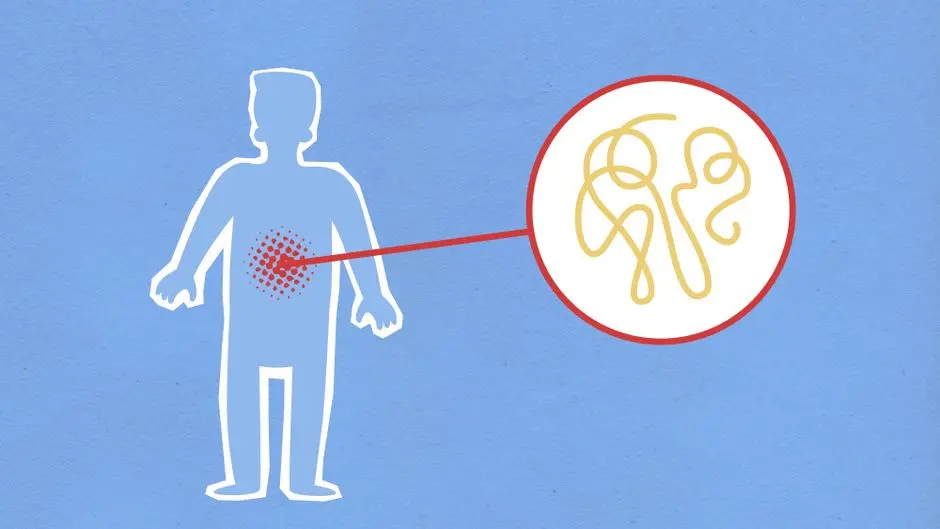
The imperative for gene expression fidelity becomes starkly clear when we examine the consequences of its breakdown. Errors, even subtle ones, can precipitate a cascade of detrimental effects, leading to cellular dysfunction, tissue pathology, and severe disease states. A single point mutation in DNA, if transcribed and translated incorrectly, can alter a critical amino acid, leading to protein misfolding. These misfolded proteins often lose their intended function or, worse, acquire toxic gain-of-function properties. Consider the pathogenesis of neurodegenerative diseases like Alzheimer's or Parkinson's, where the accumulation of misfolded and aggregated proteins, such as amyloid-beta or alpha-synuclein, is a hallmark. Errors in ribosomal fidelity, for example, can increase the global rate of misfolded proteins, overwhelming cellular proteostasis systems.
Beyond protein misfolding, errors in gene expression fidelity contribute directly to cancer development. Frameshift mutations or premature stop codons generated by transcriptional or translational errors can lead to non-functional tumor suppressors or hyperactive oncogenes. Deficiencies in mRNA surveillance pathways, like NMD, have been linked to increased cancer susceptibility by allowing the accumulation of oncogenic truncated proteins. Furthermore, developmental disorders often stem from precise missteps in gene expression fidelity during critical windows of embryogenesis. We observe that compromised fidelity undermines the very structural and functional integrity of cells, disrupting intricate biological networks and ultimately compromising the organism's viability. The body's relentless fight against these errors is a testament to their pervasive and destructive potential.
Environmental and Intrinsic Stressors: Challenges to Fidelity
Our cellular systems are not static fortresses but dynamic entities constantly assailed by internal and external forces that challenge gene expression fidelity. We identify a spectrum of stressors that can perturb the delicate balance of molecular precision. Environmental toxins, such as certain heavy metals or chemicals, can directly damage DNA or interfere with RNA polymerase activity, leading to transcriptional errors. Oxidative stress, generated by reactive oxygen species (ROS), is a potent intrinsic stressor that can modify nucleotides or amino acids, directly impacting the accuracy of both transcription and translation. For instance, oxidation of guanine to 8-oxoguanine can lead to mispairing during transcription, generating incorrect mRNA templates.
Viral infections represent another significant challenge. Many viruses hijack host cellular machinery, often inducing stress responses that can globally reduce gene expression fidelity, potentially benefiting viral replication by increasing protein diversity or allowing rapid adaptation. Nutrient deprivation or metabolic stress can also impact the availability of amino acids or energy required for accurate protein synthesis, leading to increased translational errors. Furthermore, intrinsic genetic predispositions, such as mutations in genes encoding components of quality control pathways (e.g., NMD factors, chaperones, DNA repair enzymes), inherently lower the baseline fidelity. These inherited vulnerabilities amplify the impact of environmental stressors, creating a heightened risk for disease. We recognize that understanding these stressors is crucial for developing strategies to bolster cellular resilience and maintain the integrity of gene expression.
Engineering Fidelity: Therapeutic Avenues and Research Frontiers
Understanding the critical importance of gene expression fidelity empowers us to explore revolutionary therapeutic avenues and push the boundaries of biotechnological innovation. We are not mere observers; we are architects capable of intervening. One exciting frontier involves developing small molecules that modulate the activity of quality control pathways. For example, compounds that enhance the efficiency of NMD could be employed to degrade aberrant transcripts arising from specific mutations, such as those causing Duchenne muscular dystrophy or cystic fibrosis. Conversely, in situations where a premature stop codon leads to a non-functional protein, drugs that promote 'read-through' of these codons by ribosomes offer a strategy to restore partial protein function.
Advances in gene editing technologies, particularly CRISPR-Cas systems, provide unprecedented precision to correct DNA-level mutations that would otherwise lead to fidelity errors downstream. Beyond correction, we foresee engineering cells with enhanced intrinsic fidelity mechanisms, making them more resilient to stressors or less prone to disease. Research into synthetic biology is actively designing novel gene expression systems with inherently lower error rates, paving the way for more reliable biomanufacturing and advanced cellular therapies. We are also leveraging our understanding to develop diagnostic tools that detect subtle fidelity impairments early, enabling proactive interventions. The future of medicine and biotechnology will increasingly hinge on our ability to precisely control and optimize the fidelity of gene expression, unlocking a new era of biological engineering and health optimization.
Key Takeaways
Core Importance of Fidelity
Gene expression fidelity is the crucial accuracy of converting DNA's genetic code into functional proteins. Errors at any stage (transcription, RNA processing, translation) compromise cellular function and organismal health. High fidelity is non-negotiable for life's precision.
Multi-Layered Safeguards
Cells deploy robust mechanisms: RNA polymerase proofreading, highly specific aminoacyl-tRNA synthetases, ribosomal kinetic discrimination, and mRNA surveillance pathways (NMD, NSD, NGD). Chaperones also ensure correct protein folding. These systems actively detect and correct errors, maintaining a high-quality proteome.
Disease Consequences
Loss of fidelity leads to protein misfolding, aggregation, and altered function, implicated in neurodegenerative diseases (Alzheimer's, Parkinson's), cancer, and developmental disorders. Aberrant proteins can be toxic or dysfunctional, disrupting cellular processes and causing pathology.
Challenges and Stressors
Fidelity is challenged by environmental toxins, oxidative stress, viral infections, nutrient deprivation, and genetic mutations in quality control genes. These stressors can induce errors, highlighting the need for cellular resilience and protective mechanisms against internal and external threats.
Therapeutic and Research Frontiers
Understanding fidelity opens doors for therapies: small molecules targeting mRNA surveillance pathways, 'read-through' drugs for premature stop codons, and CRISPR-based gene editing. Engineering cells with enhanced fidelity and developing diagnostic tools represent key future directions in biotechnology and medicine.
FAQ
-
What is gene expression fidelity?
Gene expression fidelity refers to the accuracy with which genetic information encoded in DNA is transcribed into RNA and subsequently translated into proteins. It encompasses the precision of each molecular step, including DNA replication (indirectly, as it affects the template), transcription, RNA processing (splicing, capping, polyadenylation), and translation.
-
How do cells maintain gene expression fidelity?
Cells employ a sophisticated array of mechanisms, including proofreading activities of RNA polymerases, aminoacyl-tRNA synthetase specificity, ribosomal kinetic proofreading, and various mRNA surveillance pathways (e.g., NMD, NSD, NGD) that detect and degrade aberrant RNA molecules. Chaperone proteins also ensure correct protein folding and target misfolded proteins for degradation.
-
What are the consequences of low gene expression fidelity?
Low fidelity can lead to the production of non-functional, misfolded, or toxic proteins. This can result in a wide range of cellular dysfunctions, including impaired metabolic pathways, structural defects, and an increased risk of diseases such as cancer, neurodegenerative disorders (e.g., Alzheimer's, Parkinson's), and various developmental syndromes. It fundamentally compromises cellular health and organismal viability.
-
Can environmental factors affect gene expression fidelity?
Absolutely. Environmental factors such as exposure to toxins, heavy metals, radiation, and even certain dietary components can induce cellular stress, oxidative damage, or directly interfere with the molecular machinery of gene expression, thereby reducing fidelity. Intrinsic factors like age and pre-existing genetic mutations in quality control genes also play a significant role.