
> AI in Biology > Computational Modeling and Simulation > Forge Predictive Insights: AI's Edge in Systems Biology Models
Forge Predictive Insights: AI's Edge in Systems Biology Models
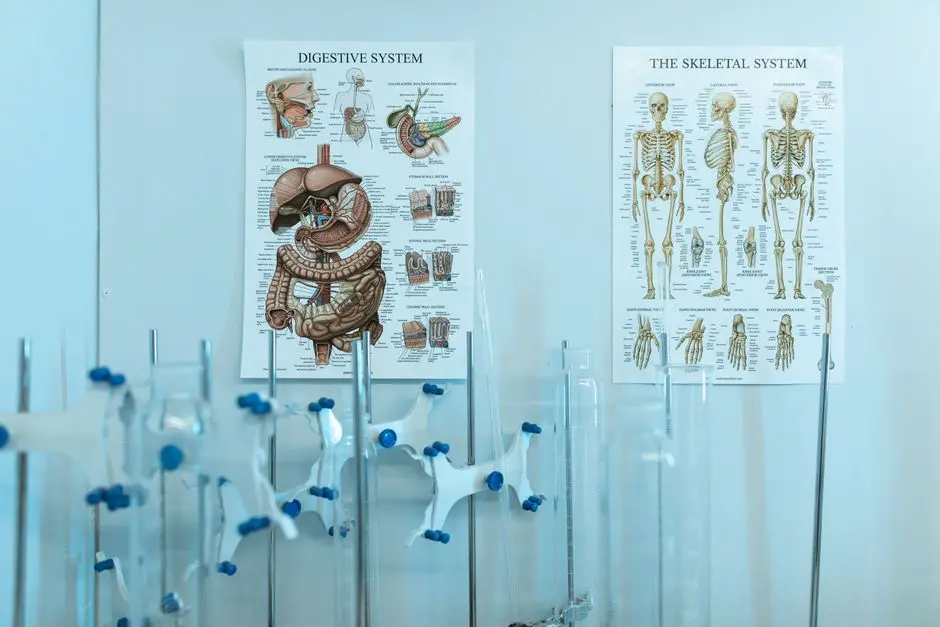
The intricate dance of biological systems, from cellular signaling to organ function, has long presented a formidable challenge to scientific understanding. Traditional experimental methods, while fundamental, often struggle to capture the full dynamism and emergent properties of these complex networks. This is precisely where predictive modeling steps in, offering a computational lens to decipher, simulate, and forecast biological behavior.
As we stand on the cusp of a new era in biomedical discovery, the synergy between systems biology and artificial intelligence unleashes unprecedented capabilities. We are moving beyond mere observation to active prediction, empowering researchers to anticipate disease progression, optimize drug targets, and engineer novel biological functions. This comprehensive article delves into the core of predictive models employed in systems biology, exploring their mechanisms, applications, and the transformative power of AI in enhancing their accuracy and scope. Discover how we can harness the full potential of AI-driven modeling of biological and molecular systems to unlock the next generation of biological understanding and therapeutic innovation. Join us as we chart a course through the most impactful computational strategies shaping the future of biology.
Unveiling the Systems Biology Paradigm and Predictive Modeling Imperative
Systems biology fundamentally shifts our perspective from isolated components to integrated networks. We recognize that a cell, an organism, or an ecosystem operates as a cohesive system, where the interaction of its parts gives rise to emergent properties far greater than the sum of its individual elements. This holistic view demands a new generation of tools: predictive models. These are not merely descriptive; they are computational frameworks designed to simulate biological processes, forecast outcomes under varying conditions, and test hypotheses in silico before costly and time-consuming wet-lab experiments. Their imperative grows stronger daily as we confront the sheer volume and complexity of multi-omics data – genomics, proteomics, metabolomics – that describe these systems.
The integration of AI, particularly machine learning and deep learning, has proven a game-changer. Historically, building mechanistic models required extensive prior knowledge and laborious parameter estimation. Now, AI algorithms can infer complex relationships directly from vast datasets, accelerate model calibration, and even generate novel hypotheses. We are no longer limited to modeling well-understood pathways; AI empowers us to explore uncharted biological territories, identifying subtle patterns and interactions that escape human intuition. This convergence propels us towards an era of precision biology, where predictive accuracy guides therapeutic strategies and biotechnological advancements. Forgeons together this powerful synergy, transforming raw data into actionable biological insights and pushing the boundaries of what's possible in life sciences.

Dynamic Models: Simulating Biological Trajectories and AI Augmentation
Dynamic models are the cornerstone for understanding how biological systems evolve over time. We principally leverage differential equations, both ordinary (ODEs) and partial (PDEs), to capture the rates of change in molecular concentrations, cell populations, or physiological states. ODEs excel at representing well-mixed systems like intracellular signaling pathways or metabolic fluxes, where spatial homogeneity is assumed. For instance, we meticulously model enzyme kinetics and gene regulatory networks using sets of coupled ODEs, revealing oscillatory behaviors or steady states. PDEs extend this capability to incorporate spatial dimensions, crucial for phenomena like morphogenesis, tumor growth, or chemical gradients in tissues, allowing us to visualize diffusion and reaction fronts.
Another powerful class comprises Discrete Event Systems and Agent-Based Models (ABMs). Discrete models, such as Boolean networks or Petri nets, simplify interactions to ON/OFF states or token flows, ideal for high-level network analysis. ABMs, conversely, simulate individual entities (e.g., cells, proteins) with their own rules and interactions, capturing emergent collective behaviors in heterogeneous environments—think immune responses or bacterial colony formation. AI significantly augments these models: machine learning algorithms can infer optimal parameters for ODEs and PDEs from noisy experimental data, reducing manual calibration effort. Deep learning can extract features from time-series data to refine model structure or even learn surrogate models for faster simulations. Furthermore, reinforcement learning explores optimal intervention strategies within ABMs, guiding drug dosing or synthetic circuit design. We unlock deeper understanding by combining AI with these dynamic frameworks.
Machine Learning Approaches: Extracting Predictive Insights from Complex Data
Beyond traditional mechanistic models, pure machine learning (ML) approaches offer potent predictive capabilities by identifying patterns directly from vast biological datasets. We extensively deploy supervised and unsupervised learning techniques to unravel intricate biological relationships. Supervised learning, including classification and regression algorithms, excels at predicting specific outcomes: identifying disease biomarkers from omics data (e.g., distinguishing healthy vs. diseased tissue based on gene expression profiles), forecasting protein-protein interaction sites, or predicting drug efficacy based on molecular features. Techniques like Support Vector Machines (SVMs), Random Forests, and Gradient Boosting Machines are workhorses in this domain. Deep Learning, particularly Convolutional Neural Networks (CNNs) and Recurrent Neural Networks (RNNs), revolutionizes image analysis in pathology and microscopy, and sequence analysis for genomics and proteomics, respectively.
Unsupervised learning, such as clustering and dimensionality reduction (e.g., PCA, t-SNE, UMAP), helps us discover hidden structures within data without prior labels. We apply it to identify novel cell types from single-cell RNA sequencing data, cluster patient cohorts with similar disease characteristics, or uncover latent features in complex proteomic landscapes. Reinforcement Learning (RL), a burgeoning area, shows immense promise in dynamic biological scenarios. Imagine an RL agent learning to navigate chemical space to discover novel drug candidates or optimize gene editing strategies. The power of ML lies in its ability to handle high-dimensionality, non-linearity, and inherent noise, allowing us to forge robust predictive tools even when underlying mechanisms are only partially understood. We confront challenges like interpretability and data bias, yet the predictive gains are undeniable.
Graph-Based and Network Models: Decoding Biological Interaction Landscapes
Biological systems are inherently networked, from molecular interactions within a cell to ecological food webs. Graph-based and network models provide an intuitive and powerful framework to represent and analyze these intricate connections. We construct various types of networks: Protein-Protein Interaction (PPI) networks map direct physical contacts between proteins; Gene Regulatory Networks (GRNs) illustrate how genes influence the expression of others; Metabolic Networks delineate biochemical reactions and their dependencies; and Disease Networks link genes, pathways, and clinical phenotypes. By representing biological entities as nodes and their interactions as edges, we unlock profound insights into systemic organization and function.
Network analysis unveils critical properties: centrality measures (e.g., degree, betweenness, closeness) identify essential proteins or genes; community detection algorithms reveal functional modules or pathways; and perturbation analysis predicts the impact of genetic mutations or drug interventions on network stability. The advent of AI, particularly Graph Neural Networks (GNNs), elevates network modeling to new heights. GNNs can learn complex features from the graph structure itself, allowing us to predict novel protein interactions, identify disease-associated subnetworks, or even infer the topology of unknown regulatory pathways from omics data. We now leverage AI to predict drug repurposing candidates by analyzing how compounds modify network dynamics. The synergy between graph theory and AI empowers us to systematically map and manipulate the vast interaction landscapes that govern life, delivering actionable predictions for precision medicine and synthetic biology.

Multi-Scale and Hybrid Modeling: Bridging Biological Levels of Organization
The complexity of biological systems spans vast spatial and temporal scales, from femtoseconds of molecular binding to decades of disease progression. Multi-scale modeling is our strategic imperative to bridge these disparate levels, integrating insights from the molecular scale (e.g., protein dynamics) up to the cellular (e.g., signaling pathways), tissue (e.g., organ function), and even organismal levels (e.g., whole-body pharmacokinetics). We encounter significant challenges in this endeavor, primarily due to the differing mathematical formalisms and computational demands at each scale. Yet, the reward is immense: a truly holistic understanding of complex pathologies like cancer or neurodegenerative diseases.
Hybrid modeling approaches are essential in this quest. We often combine mechanistic models (e.g., ODEs for intracellular processes) with data-driven AI models (e.g., deep learning for image-based phenotype prediction) or agent-based models for tissue dynamics. For instance, simulating cancer progression might involve molecular dynamics for drug-target binding, ODEs for intracellular signaling pathways governing cell proliferation, and an agent-based model for tumor growth and metastasis, with AI inferring parameters or predicting emergent behaviors at each interface. Common errors include improper scale coupling, inconsistent parameterization, and managing computational complexity. Best practices involve rigorous validation at each scale and careful aggregation of uncertainty. AI provides sophisticated methods for model reduction, parameter transfer across scales, and learning effective coupling rules, enabling us to forge integrated predictive frameworks that truly reflect biological reality, accelerating drug discovery and personalized medicine.
Forging the Future: Challenges, Best Practices, and Strategic Outlook for AI in Systems Biology
As we advance the frontier of predictive models in systems biology, several critical challenges demand our strategic focus. First, data integration and harmonization remain paramount. We face a deluge of heterogeneous data – from disparate omics platforms, clinical records, and imaging modalities – each with its own biases and noise. Effectively integrating these vast, multi-modal datasets is crucial for building robust predictive models. Second, model validation and uncertainty quantification are non-negotiable. With increasingly complex AI models, particularly deep learning, understanding the confidence intervals of predictions and the model's limitations becomes vital. We must move beyond simple accuracy metrics to rigorously assess generalizability and robustness across diverse biological contexts.
Third, interpretability and explainability (XAI) are key, especially in clinical applications. A black-box model, however accurate, offers limited utility if clinicians cannot understand the rationale behind a prediction. We must develop and employ XAI techniques to illuminate the biological features driving model decisions. Fourth, ethical considerations and bias mitigation are paramount. AI models trained on biased datasets can perpetuate and even amplify health disparities. We actively work to ensure fairness and equity in our data collection and model development. Our strategic outlook emphasizes collaborative, open science initiatives, fostering data sharing, model transparency, and cross-disciplinary expertise. We advocate for standardized reporting of models and validation protocols. By confronting these challenges with proactive strategies and embracing best practices, we will continue to optimize the predictive power of AI in systems biology, ushering in an era of unprecedented biological understanding and transformative healthcare solutions.
Key Takeaways
Systems Biology & Predictive Models: A New Era
Systems biology views life holistically, necessitating predictive models to understand emergent properties. AI integration dramatically enhances model building, parameter inference, and hypothesis generation from vast omics data, moving towards precision biology.
Core Predictive Model Types
- Dynamic Models (ODEs, PDEs, ABMs): Simulate time-dependent changes, from molecular kinetics to cell behaviors. AI refines parameters and learns surrogate models.
- Machine Learning (Supervised, Unsupervised, RL): Extract patterns from data for biomarker prediction, disease classification, and drug discovery. Handles high-dimensionality and noise.
- Graph-Based/Network Models (PPI, GRN): Map biological interactions. AI (GNNs) predicts novel interactions and functional modules.
Multi-Scale & Hybrid Approaches
Integrate models across different biological scales (molecular to organismal) using hybrid strategies (mechanistic + AI) to achieve a comprehensive understanding of complex pathologies like cancer. AI assists in scale coupling and parameter transfer.
Strategic Outlook: Challenges & Best Practices
- Challenges: Data integration, rigorous validation, model interpretability (XAI), ethical considerations, and bias mitigation.
- Best Practices: Emphasize collaborative, open science, standardized reporting, and proactive strategies to optimize AI's power in biology.
FAQ
-
What is the primary goal of predictive modeling in systems biology?
The primary goal is to simulate complex biological processes and forecast their behavior under various conditions. This enables us to understand fundamental mechanisms, predict disease progression, optimize drug targets, and engineer biological systems more effectively, reducing reliance on costly and time-consuming experimental trials.
-
How does AI enhance traditional dynamic models like ODEs?
AI, particularly machine learning, significantly enhances ODE models by automating and improving parameter inference from noisy experimental data, accelerating model calibration. AI can also perform model reduction to simplify complex systems, or learn surrogate models that allow for much faster simulations, extending the scope and efficiency of dynamic analyses.
-
What are Graph Neural Networks (GNNs) and their role in systems biology?
Graph Neural Networks are deep learning models designed to operate on graph-structured data. In systems biology, GNNs analyze biological networks (e.g., protein-protein interaction networks, gene regulatory networks) to predict novel interactions, identify disease-associated modules, and infer network topologies, thereby decoding the complex interaction landscapes that govern biological function.
-
Why is multi-scale modeling crucial for understanding biological systems?
Biological systems operate across vast spatial and temporal scales, from molecular events to organ-level functions. Multi-scale modeling integrates insights from these different levels, providing a holistic understanding that single-scale models cannot achieve. This integrated view is essential for dissecting complex pathologies and developing comprehensive therapeutic strategies.
-
What are the key challenges in integrating AI into predictive systems biology models?
Key challenges include harmonizing heterogeneous multi-omics data, rigorously validating complex AI models for robustness and generalizability, ensuring model interpretability (Explainable AI) for clinical translation, and addressing ethical considerations related to data bias and fairness in predictions. Overcoming these requires collaborative, interdisciplinary efforts.