
> New Molecule Discovery > Integrated Discovery Workflows > Forge Hybrid Discovery: A Blueprint for Pharma R&D Acceleration
Forge Hybrid Discovery: A Blueprint for Pharma R&D Acceleration
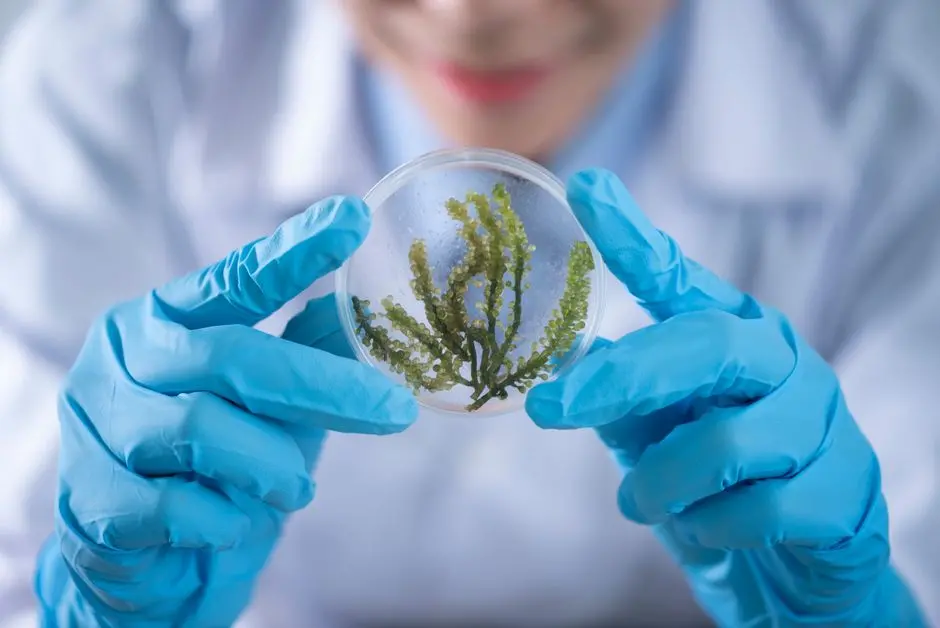
The quest for novel therapeutics is an intricate dance between scientific insight and technological prowess. Traditional drug discovery, often linear and resource-intensive, confronts ever-increasing demands for speed, efficiency, and predictive power. In this dynamic landscape, a transformative paradigm emerges: hybrid discovery. We are not merely optimizing existing pathways; we are forging entirely new ones, characterized by the seamless fusion of computational and experimental methodologies. This article illuminates the strategic imperative of hybrid discovery in pharmaceutical research, dissecting its core principles, operational advantages, and the intricate workflows that define its success.
We will dissect how this integrated approach overcomes the inherent limitations of isolated strategies, unlocking unprecedented potential for identifying, optimizing, and validating new molecular entities. Prepare to uncover the actionable insights and cutting-edge techniques that power this revolution, understanding how to harness its full potential for future therapeutic breakthroughs. We champion a proactive approach to research, meticulously examining how diverse methodologies can be effectively integrated, offering a robust framework for those keen on advancing the end-to-end processes for discovering novel bioactive molecules.
Join us as we navigate the complexities and celebrate the triumphs of this integrated scientific frontier, equipping you with the knowledge to drive innovation in pharmaceutical R&D.
Defining Hybrid Discovery: Bridging the Digital and Wet Lab Frontiers
Hybrid discovery represents a fundamental shift in pharmaceutical research, transcending the historical divide between purely computational predictions and exhaustive experimental validation. It is not merely the sequential application of one after the other, but a profoundly synergistic, iterative process where digital intelligence constantly informs and refines physical experimentation, and vice-versa. At its core, hybrid discovery orchestrates a continuous feedback loop:
- Computational modeling, powered by Artificial Intelligence (AI) and Machine Learning (ML), sifts through vast chemical and biological datasets, predicting molecular properties, binding affinities, and potential toxicities.
- These predictions guide targeted experimental work in the wet lab, minimizing wasteful broad-spectrum screening and focusing resources on the most promising candidates.
- The results from these experiments then feed back into the computational models, refining algorithms, improving predictive accuracy, and expanding the knowledge base for subsequent rounds of design and testing.
This integrated approach is imperative in an era where drug discovery costs soar, timelines stretch, and the demand for personalized, highly effective therapies intensifies. Traditional methods, often reliant on high-throughput screening (HTS) of millions of compounds, can be resource-prohibitive and yield high false-positive rates. Hybrid discovery, conversely, enhances efficiency by leveraging the strengths of each domain: computational speed and data analysis power, combined with experimental precision and biological relevance. We unleash the power of integrated data, moving beyond simple data accumulation to profound, actionable insights, accelerating the journey from concept to clinic.
Forging Synergy: The Operational Pillars of Computational-Experimental Integration
To effectively implement hybrid discovery, we must establish robust operational pillars that ensure seamless integration. This demands more than just co-locating computational and experimental teams; it requires a deep cultural and technical convergence. We champion several key integration strategies:
- Unified Data Platforms: Centralized, interoperable data management systems are non-negotiable. These platforms must capture experimental results (e.g., assay data, structural biology insights) alongside computational outputs (e.g., docking scores, molecular dynamics simulations). Standardized data formats and APIs are crucial for preventing data silos and facilitating rapid data exchange.
- Iterative Design-Make-Test-Analyze (DMTA) Cycles: Hybrid discovery thrives on accelerated DMTA cycles. Computational tools initiate the 'Design' phase, proposing novel molecules or modifications. The 'Make' and 'Test' phases are executed in the wet lab, generating empirical data. The 'Analyze' phase feeds this data back into computational models, closing the loop and driving the next design iteration with enhanced intelligence. This rapid iteration minimizes dead ends and amplifies learning.
- Cross-Functional Teams: We cultivate collaborative environments where computational chemists, biologists, pharmacologists, and data scientists work in lockstep. Regular interdisciplinary meetings, shared goals, and co-ownership of projects foster mutual understanding and expedite problem-solving. This human element is as critical as the technological infrastructure.
By meticulously constructing these operational frameworks, we transform theoretical potential into tangible progress. We move beyond mere prediction to proactive design, where every experimental result refines our computational lens, making the next prediction even sharper. This iterative refinement is the engine of accelerated discovery, driving unparalleled efficiency and strategic precision in our research endeavors.
Key Methodologies and Technologies Powering Hybrid Models
The efficacy of hybrid discovery is amplified by a suite of cutting-edge methodologies and technologies. We strategically deploy these tools to maximize predictive power and experimental efficiency:
- Artificial Intelligence & Machine Learning (AI/ML): From quantitative structure-activity relationship (QSAR) modeling to de novo molecular design, AI/ML algorithms analyze complex datasets to predict properties, identify patterns, and generate novel chemical structures. Reinforcement learning, generative adversarial networks (GANs), and graph neural networks (GNNs) are pivotal in exploring vast chemical spaces.
- High-Throughput Technologies: Automated liquid handling, HTS, and high-content screening (HCS) enable rapid experimental validation of computational predictions. These technologies generate high-volume, high-quality data crucial for training and validating AI/ML models.
- Structural Biology Techniques: Cryo-electron microscopy (Cryo-EM), X-ray crystallography, and Nuclear Magnetic Resonance (NMR) provide atomic-level insights into protein-ligand interactions. This structural information is invaluable for structure-based drug design (SBDD), refining docking algorithms, and understanding mechanisms of action.
- Organ-on-a-Chip & Microphysiological Systems (MPS): These advanced in vitro models offer more physiologically relevant testing environments than traditional 2D cell cultures, enabling early assessment of drug efficacy and toxicity with greater predictive accuracy for human systems. They bridge the gap between simple cell lines and complex animal models.
- Fragment-Based Drug Discovery (FBDD): FBDD, often initiated computationally (e.g., fragment docking), then experimentally validated (e.g., SPR, NMR), exemplifies hybrid synergy by building potent molecules from smaller, simpler fragments.
By integrating these sophisticated tools, we construct a discovery pipeline that is both fast and precise. We harness technological convergence to distill complexity, revealing the most promising molecular avenues and dramatically accelerating the pace of therapeutic innovation.
Strategic Implementation: Best Practices and Navigating Common Pitfalls
Successful deployment of hybrid discovery demands meticulous planning and proactive problem-solving. We outline critical best practices and highlight common errors to avoid:
- Data Curation and Standardization:
Best Practice: Establish rigorous protocols for data collection, annotation, and storage from day one. Implement FAIR (Findable, Accessible, Interoperable, Reusable) data principles.
Common Error: Neglecting data quality, leading to 'garbage in, garbage out' for computational models, invalidating their predictions. - Iterative Model Validation:
Best Practice: Continuously validate computational models against fresh experimental data. Implement active learning strategies where experimental data specifically targets areas of model uncertainty.
Common Error: Over-reliance on initial model predictions without ongoing empirical validation, leading to costly experimental failures. - Bridging Communication Gaps:
Best Practice: Foster a culture of open communication and mutual respect between computational and experimental teams. Utilize shared visualization tools and regular feedback sessions.
Common Error: Siloed teams working in isolation, resulting in misaligned objectives, delayed information transfer, and missed opportunities for synergistic insights. - Resource Allocation and Flexibility:
Best Practice: Maintain flexibility in resource allocation, adapting to insights from iterative cycles. Invest in scalable computational infrastructure and advanced experimental robotics.
Common Error: Rigid project plans that fail to adapt to new data, hindering the iterative nature of hybrid discovery and slowing progress. - Intellectual Property Strategy:
Best Practice: Develop a robust IP strategy that accounts for computationally derived innovations and their experimental validation, ensuring comprehensive patent protection.
Common Error: Overlooking the unique IP considerations of AI-generated molecules or algorithms, potentially compromising future market exclusivity.
We empower our teams to navigate these complexities, transforming potential obstacles into stepping stones for breakthrough innovation. By adhering to these principles, we build resilient and highly productive discovery pipelines.
Optimizing Hybrid Workflows: Metrics, Automation, and Ethical Considerations
To truly optimize hybrid discovery, we must focus on measurable outcomes, automation, and a strong ethical framework. We implement these drivers:
- Performance Metrics: We define clear Key Performance Indicators (KPIs) beyond simple compound counts. Metrics include 'hit-to-lead' rates, 'lead optimization cycle time,' 'predictive accuracy of computational models,' and 'experimental success rates' guided by AI. We track the number of failed compounds avoided due to computational insights, quantifying efficiency gains.
- Automation and Robotics: High levels of automation in both wet lab (e.g., automated synthesis, HTS robotics) and dry lab (e.g., automated data processing, AI model deployment) are crucial. This minimizes human error, increases throughput, and frees scientists for more complex analytical and creative tasks. Orchestrating these automated elements into seamless workflows is a continuous optimization challenge we tackle head-on.
- Ethical AI in Research: We recognize the profound ethical implications of AI in drug discovery. This includes ensuring data privacy, addressing potential biases in training data that could lead to therapies unsuitable for diverse populations, and maintaining transparency in AI decision-making. We commit to developing and deploying AI systems responsibly, ensuring fairness and equity in their application to human health.
- Scalability and Cloud Computing: Our computational infrastructure is designed for scalability, leveraging cloud computing resources to handle massive datasets and complex simulations. This ensures that as research expands, our ability to process and learn from data grows in tandem, preventing bottlenecks.
By meticulously refining these aspects, we ensure that hybrid discovery is not just a methodology but a highly efficient, ethically sound, and continuously improving engine for pharmaceutical innovation. We drive towards a future where therapeutic discoveries are not only faster but also more targeted, safer, and accessible to all who need them.
The Future Horizon: Advancing Hybrid Discovery Towards Autonomous Systems
The trajectory of hybrid discovery points towards increasingly autonomous systems, transforming drug research into an agile, self-optimizing process. We envision and actively pursue several frontiers:
- Autonomous 'Self-Driving' Labs: The ultimate goal is a closed-loop system where AI not only designs molecules but also controls robotic platforms to synthesize, test, and analyze them, feeding results back into the AI for refinement – all with minimal human intervention. This 'lights-out' lab concept promises unprecedented speed and efficiency.
- Quantum Computing Integration: Emerging quantum computing capabilities hold the promise of simulating molecular interactions with unparalleled accuracy, far surpassing classical supercomputers. Integrating quantum algorithms into hybrid workflows will unlock the ability to model highly complex biological systems and chemical reactions previously intractable.
- Synthetic Biology Convergence: Marrying hybrid discovery with synthetic biology allows for the design and engineering of biological systems (e.g., cells, enzymes) to produce novel therapeutics or diagnostic tools. This expands the scope beyond small molecules and biologics to engineered living systems.
- Predictive Digital Twins: Developing 'digital twins' of biological systems (e.g., organs, disease states) allows for entirely in silico testing of drug candidates, reducing the need for extensive in vivo studies and accelerating preclinical development.
- Enhanced Explainable AI (XAI): As AI becomes more autonomous, understanding its decision-making process is crucial. Advances in XAI will provide greater transparency and trust, allowing scientists to comprehend why certain molecules are predicted as optimal, fostering better human-AI collaboration.
We are not passively waiting for the future; we are actively engineering it. By pioneering these advanced integrations, we are laying the groundwork for a new era of pharmaceutical research where discovery is more intelligent, efficient, and ultimately, more impactful for global health. Our mission is to accelerate the creation of transformative medicines, ensuring that our science remains at the cutting edge of human potential.
Key Takeaways
Defining Hybrid Discovery
Hybrid discovery integrates computational (AI/ML) and experimental (wet lab) methodologies into a continuous, iterative feedback loop. This synergy enhances efficiency by guiding targeted experiments with digital predictions and refining models with empirical results, moving beyond traditional linear drug discovery.
Operational Integration Pillars
Key to success are unified data platforms for seamless data exchange, rapid Design-Make-Test-Analyze (DMTA) cycles for iterative learning, and robust cross-functional teams that foster collaboration between diverse scientific disciplines. These pillars ensure theoretical potential translates into tangible, accelerated progress.
Enabling Technologies
Advanced tools like AI/ML for molecular design and prediction, high-throughput screening (HTS) for rapid validation, structural biology (Cryo-EM) for atomic insights, and Organ-on-a-Chip systems for physiologically relevant testing are critical. These technologies collectively drive faster and more precise discovery.
Strategic Implementation & Pitfalls
Best practices include rigorous data curation (FAIR principles), continuous model validation, bridging communication gaps, flexible resource allocation, and robust IP strategies. Common errors involve poor data quality, over-reliance on unvalidated models, and siloed team structures, which can hinder efficiency.
Optimization & Ethical Considerations
Optimization focuses on defining clear KPIs beyond simple compound counts, implementing high levels of automation and robotics, ensuring ethical AI development (data privacy, bias mitigation), and leveraging scalable cloud computing. This ensures efficiency, ethical soundness, and continuous improvement.
Future Directions
The future of hybrid discovery points towards autonomous 'self-driving' labs, integration with quantum computing for advanced simulations, convergence with synthetic biology, development of predictive digital twins, and enhanced Explainable AI (XAI) for greater transparency and human-AI collaboration.
FAQ
-
What distinguishes hybrid discovery from traditional drug discovery?
Hybrid discovery fundamentally differs by fostering a continuous, iterative feedback loop between computational predictions and experimental validation. Traditional drug discovery often operates more linearly, with distinct phases like target identification, high-throughput screening, and lead optimization being somewhat siloed. Hybrid methods, conversely, use AI/ML to guide highly targeted experiments, and those experimental results then dynamically refine the computational models, leading to much faster, more efficient, and more precise identification of promising drug candidates.
-
How does AI specifically contribute to hybrid drug discovery?
AI and Machine Learning are the intellectual backbone of hybrid discovery. They contribute by:
- Accelerating Target Identification: Analyzing vast biological datasets to pinpoint disease-relevant molecular targets.
- De Novo Molecule Design: Generating novel chemical structures with desired properties from scratch.
- Predicting Properties: Estimating drug-like properties, pharmacokinetics, and toxicity much faster than experimental methods.
- Optimizing Lead Compounds: Suggesting modifications to enhance potency, selectivity, and reduce side effects.
- Interpreting Complex Data: Extracting actionable insights from high-dimensional experimental data, closing the iterative loop.
Essentially, AI acts as an intelligent guide, dramatically narrowing down the vast chemical space to explore, making experimental efforts far more productive.
-
What are the biggest challenges in implementing a hybrid discovery workflow?
Implementing a successful hybrid discovery workflow comes with its share of challenges:
- Data Integration & Quality: Harmonizing disparate data formats from various sources (computational and experimental) and ensuring data quality is paramount and often complex.
- Talent Gap: The need for scientists with dual expertise in computational methods and experimental biology, or highly effective cross-functional collaboration, can be difficult to achieve.
- Validation of Predictive Models: Ensuring that AI/ML models are robust, generalizable, and provide accurate predictions for novel chemical space, not just known compounds.
- Infrastructure Investment: Significant investment in scalable computational hardware, software, and advanced laboratory automation is required.
- Cultural Shift: Overcoming traditional departmental silos and fostering a truly collaborative, iterative mindset across teams can be a significant hurdle.
Addressing these challenges proactively is crucial for unlocking the full potential of hybrid discovery.