
> New Molecule Discovery > Integrated Discovery Workflows > Ignite Molecule Discovery: Harnessing Tomorrow's Tech for Bioactive Leads
Ignite Molecule Discovery: Harnessing Tomorrow's Tech for Bioactive Leads

We stand at the precipice of a revolution in molecule discovery, a transformative era where technological convergence rewrites the rules of engagement with biological complexity. The traditional, often protracted and resource-intensive, paradigms are rapidly yielding to an arsenal of advanced tools poised to accelerate the identification and optimization of novel bioactive molecules. This isn't merely an incremental improvement; we witness a fundamental shift, moving from serendipity to algorithmic precision, from manual iteration to autonomous exploration.
This definitive article charts the course through the most impactful future technologies poised to shape the landscape of molecule discovery. We delve into the synergistic power of artificial intelligence, advanced automation, multi-omics integration, and quantum computing, revealing how these innovations forge unprecedented pathways to therapeutic breakthroughs. Prepare to unravel the strategic imperatives for adopting these cutting-edge approaches, understand their profound implications for accelerating the entire continuum of end-to-end processes for discovering novel bioactive molecules, and discover how to strategically position your research at the vanguard of this scientific frontier. We equip you with the knowledge to not just observe but actively engineer the future of health.
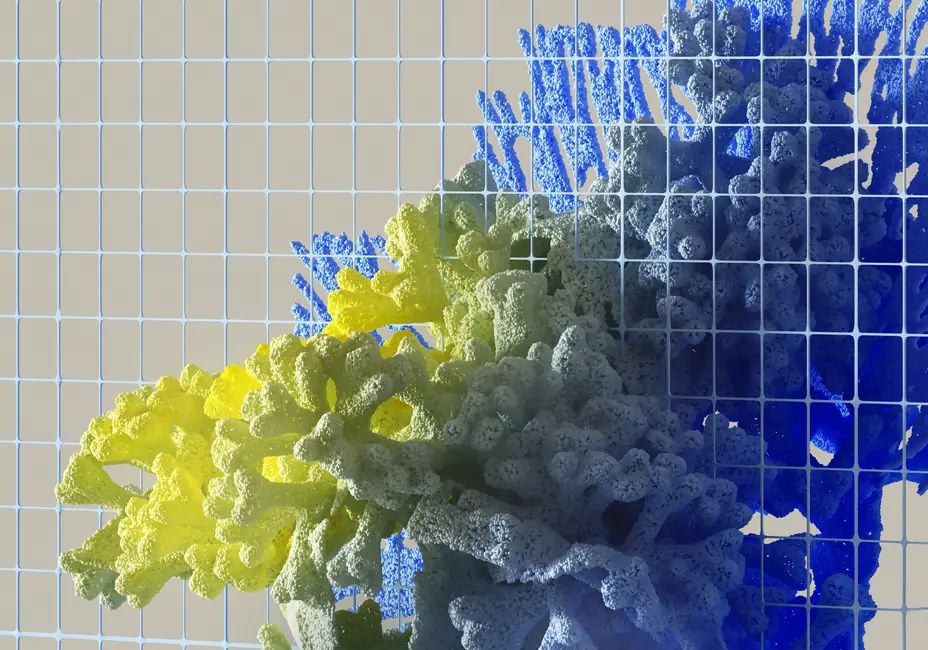
Forge Predictive Power: AI & Machine Learning in Molecular Design
We are engineering a paradigm shift in molecular design through the strategic deployment of Artificial Intelligence (AI) and Machine Learning (ML). These formidable tools are transforming every stage, from target identification to lead optimization, by introducing predictive capabilities previously unimaginable. Consider generative AI models, such as Generative Adversarial Networks (GANs) and Variational Autoencoders (VAEs), which autonomously propose novel chemical structures with desired properties, circumventing the limitations of traditional library screening. Machine learning algorithms, trained on vast datasets of compound properties, can now accurately predict ADMET (Absorption, Distribution, Metabolism, Excretion, Toxicity) profiles, enabling early identification and de-risking of promising candidates. We leverage AI for rapid virtual screening, sifting through billions of potential molecules to prioritize those with optimal binding affinities and minimal off-target effects.
Insider Tip: The true power of AI lies in its iterative integration with experimental feedback. We establish closed-loop discovery platforms where AI designs molecules, robots synthesize and test them, and the experimental data then retrains and refines the AI models. This creates a self-optimizing discovery engine. Common Pitfall: Over-reliance on 'black box' AI models without proper validation or understanding of their decision-making processes. We demand Explainable AI (XAI) to ensure transparency and trust in predictions. Best practice dictates the continuous curation of high-quality, diverse training data, as the performance of any AI model is intrinsically linked to the data it consumes. We champion robust validation workflows, combining in silico predictions with rigorous wet-lab experimentation, to confidently advance our most promising leads.
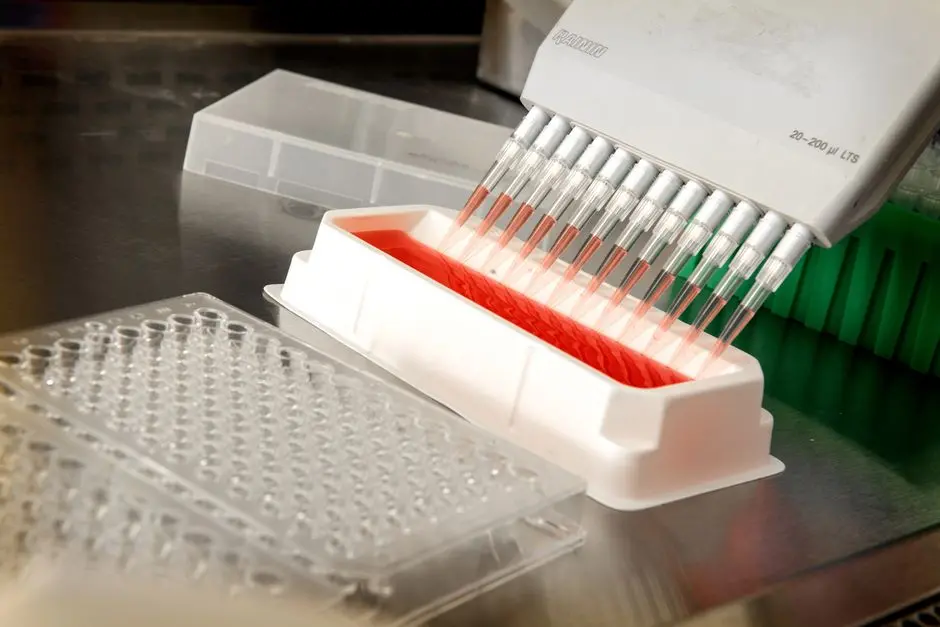
Accelerate Discovery: Robotics & Autonomous High-Throughput Platforms
We revolutionize laboratory operations by integrating advanced robotics and autonomous high-throughput experimentation (HTE) platforms. This is not just automation; we are building self-driving labs where AI designs experiments, robots execute them with unparalleled precision and speed, and data is automatically analyzed to guide subsequent iterations. This eliminates human error, boosts reproducibility, and dramatically compresses discovery timelines. Microfluidics emerges as a game-changer, enabling miniaturized assays that conserve precious reagents, accelerate reaction kinetics, and allow for massive parallelization of experiments. We deploy high-content screening (HCS) systems that leverage advanced microscopy and image analysis to extract rich phenotypic data from cellular models, moving beyond simple biochemical readouts to understand complex biological responses.
Our strategy embraces automated synthesis platforms, from flow chemistry reactors that enable rapid optimization of reaction conditions to DNA-encoded libraries (DELs) that screen billions of compounds against a target in a single experiment. Insider Tip: Focus on modular and flexible robotic systems. This allows us to reconfigure platforms rapidly for diverse experimental needs, ensuring long-term utility and adaptability. Common Pitfall: Underestimating the complexity of data integration and management from diverse automated platforms. We invest heavily in robust LIMS (Laboratory Information Management Systems) and ELN (Electronic Lab Notebooks) that seamlessly capture, store, and analyze vast datasets. Best practices include designing experiments for automation from the outset, ensuring clear data standards, and empowering scientists to harness these tools effectively, shifting their focus from manual execution to strategic experimental design and interpretation.
Decipher Biological Complexity: Multi-Omics & Spatial Technologies
We dissect biological complexity with unprecedented resolution through the synergistic application of multi-omics and advanced spatial technologies. Integrating genomics, proteomics, metabolomics, and transcriptomics (RNA-seq) provides a holistic view of biological systems, revealing intricate pathways and identifying novel therapeutic targets. We move beyond bulk analysis to single-cell multi-omics, which precisely characterizes individual cell types within heterogeneous tissues, unmasking subtle disease mechanisms and drug responses that would be obscured in pooled samples. Furthermore, spatial transcriptomics and proteomics offer a revolutionary capability: mapping gene expression and protein distribution directly within tissue architecture, preserving critical contextual information often lost in traditional dissociation methods.
Advanced imaging techniques, such as cryo-electron microscopy (Cryo-EM), are propelling structural biology forward. We achieve near-atomic resolution structures of complex protein targets, including membrane proteins and large macromolecular assemblies, without the need for crystallization. This provides invaluable insights for structure-based drug design. Insider Tip: The bottleneck often lies in data interpretation. We forge interdisciplinary teams comprising biologists, computational scientists, and bioinformaticians to extract meaningful insights from these enormous, multi-layered datasets. Common Pitfall: Failing to integrate the different omics layers effectively, leading to fragmented insights. We prioritize robust bioinformatics pipelines and advanced statistical models to identify convergent signals across data types, rigorously validating computational findings with targeted functional assays. This integrated approach allows us to pinpoint and validate targets with unparalleled precision, accelerating the journey from hypothesis to therapeutic intervention.
Unlock Molecular Frontiers: Quantum Computing & Enhanced Simulations
We are peering into the future of molecular modeling with the burgeoning power of quantum computing. While still nascent, quantum computers hold the promise to revolutionize our understanding of molecular interactions at a fundamental level, addressing complex problems that remain intractable for even the most powerful classical supercomputers. We anticipate quantum chemistry simulations to accurately predict molecular properties, reaction pathways, and excited states with unprecedented fidelity, informing drug design with atomic-level precision. Beyond chemistry, quantum machine learning algorithms could accelerate virtual screening and lead optimization by rapidly analyzing vast chemical spaces and identifying optimal candidates.
Alongside quantum advancements, we relentlessly push the boundaries of classical computational modeling. We leverage AI-accelerated molecular dynamics simulations that extend simulation timescales, allowing us to observe rare conformational changes critical for drug binding and protein function. Advanced free energy calculations provide more accurate predictions of binding affinities, guiding lead optimization. Insider Tip: Begin experimenting with hybrid quantum-classical algorithms now. Integrate quantum subroutines for specific computationally intensive tasks within existing classical workflows. This strategy allows us to gain experience and prepare for future breakthroughs. Common Pitfall: Overestimating current quantum capabilities or underestimating the expertise required. We approach quantum computing with a strategic, long-term vision, understanding its current limitations (e.g., error rates, qubit stability). Best practices involve rigorous validation of all computational predictions against experimental data, regardless of the underlying technology. We invest in developing robust algorithms and fostering a deep understanding of both quantum mechanics and classical computational chemistry to maximize our predictive power and unlock truly novel molecular frontiers.
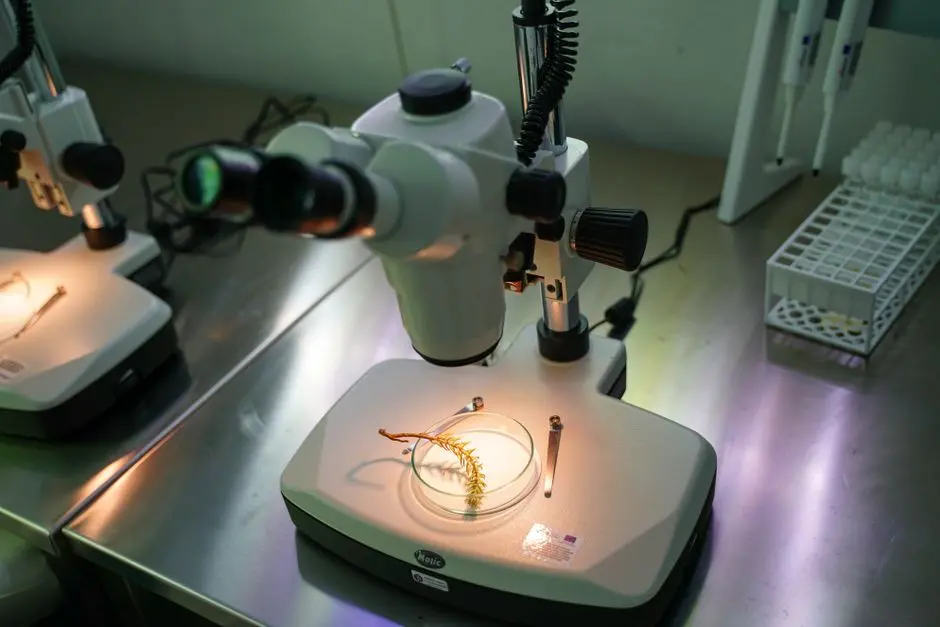
Engineer Biological Systems: CRISPR & Synthetic Biology Platforms
We are actively engineering biology itself to accelerate molecule discovery, leveraging the precision of CRISPR-Cas systems and the modularity of synthetic biology. CRISPR-Cas gene editing provides an unparalleled tool for rapid and precise target validation. We systematically knock out, knock in, or modulate gene expression to definitively link a gene to a disease phenotype, providing high-confidence targets for drug development. Furthermore, high-throughput CRISPR screens (e.g., arrayed or pooled sgRNA libraries) enable functional genomics on an unprecedented scale, identifying novel resistance mechanisms or synergistic drug combinations. Synthetic biology empowers us to design and engineer biological systems – from microbial factories producing novel therapeutics to designer cells for advanced screening platforms.
Consider the application of directed evolution, guided by AI, to optimize enzymes for drug synthesis or to engineer proteins with enhanced therapeutic properties. We can custom-design cellular models that more accurately mimic human disease, providing superior platforms for compound testing and toxicity assessment. Insider Tip: Focus on building robust, modular genetic circuits. This allows for predictable behavior and easier troubleshooting when engineering complex biological systems. Common Pitfall: Underestimating the ethical and regulatory considerations associated with gene editing and engineered organisms. We proactively engage with regulatory bodies and bioethicists from conception to ensure responsible innovation and compliance. Best practices include rigorous validation of off-target effects in CRISPR applications, developing sophisticated delivery methods for gene editing components, and adopting stringent biosafety protocols for synthetic biology constructs. We wield these powerful tools not just for discovery, but to fundamentally reshape how we develop and deliver biological solutions.
Key Takeaways
Strategic Imperatives for Future Molecule Discovery
The future of molecule discovery hinges on our strategic adoption and integration of cutting-edge technologies. We must:
- Embrace AI & Machine Learning: Leverage generative AI for de novo design and predictive ML for lead optimization and ADMET profiling, moving from empirical screening to intelligent design.
- Automate & Scale: Implement robotics and microfluidics to accelerate experimental throughput and create autonomous discovery labs, enhancing reproducibility and efficiency.
- Integrate Omics Data: Combine multi-omics and advanced imaging to unravel complex biological mechanisms and identify novel, precisely validated therapeutic targets.
- Explore Quantum & Advanced Simulations: Prepare for the transformative potential of quantum computing to model intricate molecular interactions and accelerate computational screening.
- Utilize Synthetic Biology & Gene Editing: Employ CRISPR and synthetic biology for rapid target validation, functional genomics, and engineered therapeutic production.
Our success demands interdisciplinary collaboration, robust data infrastructure, continuous learning, and an unwavering commitment to validating computational predictions with rigorous experimental evidence. We proactively engineer a future where drug discovery is faster, more precise, and ultimately, more impactful.
FAQ
-
How do we initiate AI integration in our molecule discovery pipeline?
We initiate by defining clear use cases, starting with focused tasks like property prediction or virtual screening. We then assemble cross-functional teams combining computational chemists, biologists, and AI specialists. Crucially, we invest in data infrastructure and curate high-quality, diverse datasets. Pilot projects provide invaluable insights before scaling.
-
What are the main challenges in adopting advanced automation for drug discovery?
The primary challenges encompass significant capital investment for robotics, complex integration with existing lab information management systems (LIMS), and the need for specialized data science expertise to manage and interpret the generated experimental data. We must strategize for scalable infrastructure and continuous training.
-
How can we ensure ethical considerations are addressed when deploying future discovery technologies like genome editing?
We ensure ethical considerations are paramount through proactive engagement with bioethicists and regulatory experts from the project's inception. We establish transparent internal review boards, adhere strictly to national and international guidelines, and foster a culture of responsible innovation, particularly for technologies with direct human impact.