
> New Molecule Discovery > Integrated Discovery Workflows > Master Reproducible Drug Discovery Projects: A Blueprint
Master Reproducible Drug Discovery Projects: A Blueprint

In the relentless pursuit of novel bioactive molecules, the scientific community faces a critical challenge: ensuring the reproducibility of research findings. The inability to replicate experimental results stifles innovation, wastes colossal resources, and erodes trust in scientific endeavors. A staggering percentage of preclinical research, often cited around 50%, proves irreproducible, directly impacting the efficiency and cost-effectiveness of drug development.
We confront this head-on. This comprehensive guide provides an expert-level framework for organizing discovery projects specifically engineered for maximum reproducibility. We lay bare the strategies, tools, and cultural shifts necessary to build robust, verifiable research pipelines. Discover how a systematic approach to project organization can transform your lab's output, accelerate breakthroughs, and underpin the integrity of every discovery. Dive deep into the methodologies that transcend conventional practices, enabling precise, reliable outcomes crucial for advancing the entire spectrum of end-to-end processes for discovering novel bioactive molecules.
We forge a future where scientific validation is inherent, not an afterthought. Let's unlock the true potential of your research by embedding reproducibility at its core.
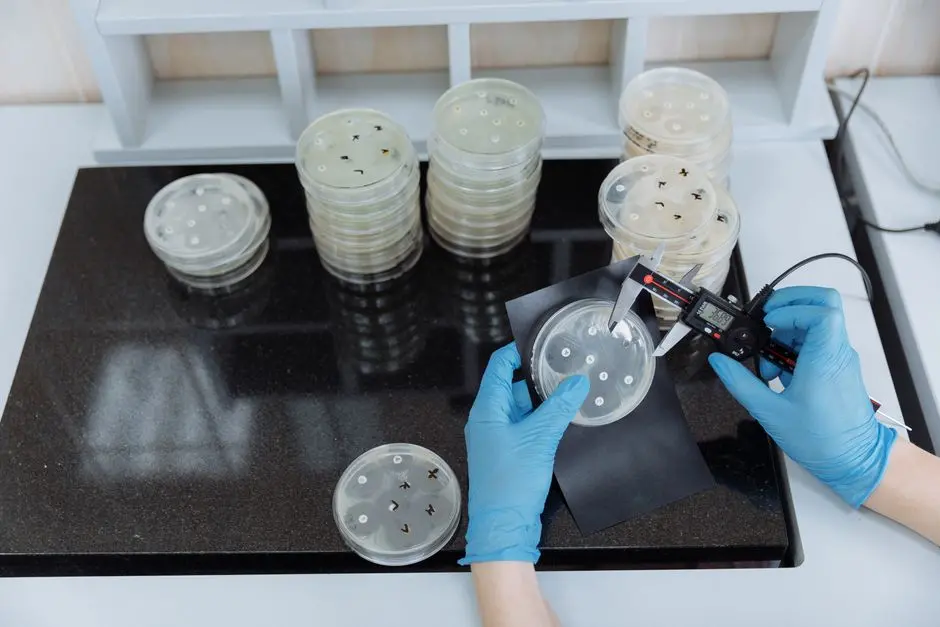
Forge the Foundation: The Imperative of Reproducibility in Molecular Discovery
We initiate our journey by establishing a bedrock understanding of reproducibility within the sphere of new molecule discovery. Reproducibility is not merely about achieving identical results; it encompasses the ability of an independent researcher to obtain consistent findings using the same experimental procedures and data. In molecular biology, this means meticulously documenting every reagent, protocol, instrument setting, and analytical parameter. Failing to prioritize reproducibility derails progress, inflates research costs, and often leads to the abandonment of promising leads. Consider the economic impact: estimates suggest that irreproducible research costs the US economy alone billions of dollars annually in wasted resources and delayed therapeutics.
We must dissect the common culprits behind irreproducibility. These frequently include poorly defined protocols, inadequate sample tracking, lack of standardization across experiments or labs, reliance on bespoke or undocumented software scripts, and insufficient metadata. Our proactive stance demands we transition from reactive troubleshooting to proactive design. We compel every project to begin with reproducibility as a central tenet, not a secondary consideration. This foundational shift compels us to implement robust systems from the outset, ensuring every step, from target identification to lead optimization, is transparent, verifiable, and resilient against future scrutiny. We embrace a culture where experimental integrity is paramount, driving innovation with unwavering confidence.

Strategic Blueprinting: Designing Discovery Projects for Verifiable Outcomes
We elevate discovery projects by embedding strategic planning for reproducibility into their very blueprint. This phase is non-negotiable; it dictates the success and reliability of all subsequent efforts. We commence with the development of comprehensive Standard Operating Procedures (SOPs) for every critical experimental step—cell culture, compound preparation, assay execution, data acquisition, and primary analysis. These SOPs must be living documents, version-controlled, and readily accessible to all team members, eliminating ambiguity and ensuring consistent execution regardless of personnel.
We implement rigorous experimental design principles from the outset. This includes statistical power analysis to determine appropriate sample sizes, randomization to mitigate bias, and blinding of experiments where feasible. Every sample, reagent, and batch must be meticulously tracked using unique identifiers—a robust LIMS (Laboratory Information Management System) is indispensable here, logging source, vendor, lot number, date received, and storage conditions. We mandate the pre-registration of experimental designs and analysis plans, particularly for critical validation steps, to prevent 'p-hacking' or selective reporting. This proactive approach transforms vague intentions into concrete, auditable plans, ensuring that every result emerges from a controlled, well-defined process, not fortuitous observation. We build precision into the very fabric of our research.

Execution Excellence: Mastering Real-Time Data Capture and Management
We transition from planning to execution with an unwavering commitment to real-time, high-fidelity data capture. The laboratory is where data is born, and its immediate, accurate recording is paramount for reproducibility. We deploy Electronic Lab Notebooks (ELNs) as the central nervous system of our discovery projects, replacing archaic paper notebooks. ELNs integrate protocols, experimental conditions, raw data files, results, and critical metadata directly, timestamping every entry and revision. This creates an immutable audit trail, vital for tracing the provenance of every data point.
Beyond ELNs, we integrate automated data acquisition systems with our LIMS and ELNs where possible. Instruments (e.g., plate readers, mass spectrometers, liquid handlers) must output data in standardized, machine-readable formats, minimizing manual transcription errors. We enforce strict version control for all analytical scripts and software, ensuring that the exact code used for data processing and analysis is archived alongside the raw data. This transparency allows anyone to re-run the analysis and verify findings. Furthermore, we implement a robust backup strategy for all digital assets, recognizing that data loss represents an irrecoverable blow to reproducibility. We empower our scientists with tools that make rigorous documentation effortless, transforming data capture into an integrated, seamless process.

Beyond the Lab Bench: Analysis, Reporting, and Archiving for Lasting Impact
Our commitment to reproducibility extends beyond experimental execution into the crucial realms of data analysis, reporting, and long-term archiving. We champion statistical rigor, ensuring that appropriate statistical methods are applied, and their usage is thoroughly justified and documented. This includes clear statements on assumptions, statistical tests performed, and exact p-values (rather than binary significance statements). We promote the use of open-source analytical tools and share custom analysis scripts, making our methodologies transparent and verifiable by the wider scientific community.
For every reported finding, we demand comprehensive metadata. This means not just the 'what' of the experiment, but the 'how', 'when', 'where', and 'who'. Metadata schemas must be standardized within our organization, facilitating future data discovery and re-analysis. We adopt FAIR principles (Findable, Accessible, Interoperable, Reusable) for all data and associated metadata, publishing them in trusted, domain-specific repositories whenever appropriate. Long-term archiving solutions, ensuring data integrity and accessibility for decades, become indispensable. This includes proper data formats and persistent identifiers. We ensure that our discoveries are not ephemeral but form a permanent, verifiable contribution to the scientific canon, fueling future innovations with reliable, accessible knowledge.

Cultivating a Culture of Reproducibility: Leadership, Training, and Technological Ecosystems
True reproducibility is not merely a set of protocols or technologies; it is a cultural imperative driven by leadership and nurtured through continuous training. We recognize that robust systems are only as effective as the people operating them. Therefore, we invest heavily in ongoing education for all personnel, from junior researchers to principal investigators, on best practices in experimental design, data management, and statistical analysis. We foster an environment where questioning experimental validity and seeking verification are encouraged, not feared. This includes establishing internal review processes for experimental plans and data quality.
Leadership plays a pivotal role. We mandate that reproducibility metrics are integrated into project milestones and performance reviews, incentivizing rigorous practices. We build and maintain a cohesive technological ecosystem that supports reproducibility—this involves seamless integration between ELNs, LIMS, statistical software, version control systems, and data repositories. Our ecosystem minimizes manual steps, reduces human error, and provides a unified platform for all aspects of a discovery project. By fostering a collective commitment to transparency and rigor, and by equipping our teams with cutting-edge tools and continuous learning, we transform reproducibility from a challenge into a core strength, accelerating the pace and impact of every new molecule discovery.
Key Takeaways
The Imperative of Reproducibility
Reproducibility ensures consistent findings using the same methods, crucial for validating molecular discoveries. Irreproducible research costs billions and delays treatments. Common causes include undefined protocols, poor sample tracking, lack of standardization, and inadequate documentation. Proactive design, not reactive troubleshooting, is key.
Strategic Project Design
Blueprint projects with reproducibility embedded. Develop comprehensive, version-controlled SOPs for every step. Implement rigorous experimental design: statistical power, randomization, blinding. Use LIMS for meticulous sample and reagent tracking with unique identifiers. Pre-register designs and analysis plans to prevent bias.
Real-Time Data Capture
Deploy ELNs for centralizing and timestamping protocols, data, and metadata, creating an immutable audit trail. Integrate automated data acquisition from instruments into ELNs/LIMS. Enforce strict version control for all analytical scripts and software. Implement robust backup strategies for all digital assets to prevent loss.
Analysis, Reporting, and Archiving
Champion statistical rigor with documented methods, assumptions, and exact p-values. Promote open-source tools and shared analysis scripts. Demand comprehensive, standardized metadata (FAIR principles: Findable, Accessible, Interoperable, Reusable). Publish data in trusted repositories with persistent identifiers for long-term accessibility and reuse.
Cultivating a Reproducible Culture
Invest in continuous training for all personnel on experimental design, data management, and statistics. Foster an environment that encourages questioning and verification. Integrate reproducibility metrics into project milestones and performance reviews. Build a cohesive technological ecosystem (ELNs, LIMS, software) to streamline processes and reduce error.
FAQ
-
Why is reproducibility so critical in new molecule discovery?
Reproducibility is foundational for validating scientific findings. Without it, promising drug candidates cannot progress confidently, leading to wasted resources, increased development costs, and delays in bringing therapies to patients. It ensures the integrity of the scientific process and builds trust in research outcomes.
-
What are the most common barriers to achieving reproducibility?
Common barriers include poorly defined or undocumented protocols, inadequate sample tracking, lack of standardized methods, reliance on custom or unversioned software, insufficient metadata, and a lack of training in experimental design and statistical analysis. Human factors and pressure to publish also contribute.
-
How do Electronic Lab Notebooks (ELNs) and LIMS contribute to reproducibility?
ELNs provide a digital, timestamped, and searchable record of experiments, protocols, and results, creating an immutable audit trail. LIMS manages samples, reagents, and instruments, ensuring meticulous tracking and linking all experimental inputs to outputs. Together, they eliminate transcription errors and centralize critical project data.
-
What are FAIR principles and how do they relate to reproducibility?
FAIR stands for Findable, Accessible, Interoperable, and Reusable. Applying FAIR principles to research data and metadata ensures that data can be discovered, accessed, integrated with other datasets, and reused by the scientific community. This directly enhances reproducibility by making the underlying evidence for findings available and understandable.
-
What is the role of leadership in fostering a culture of reproducibility?
Leadership is crucial in setting expectations, providing resources for training and technology, and integrating reproducibility metrics into project evaluations. They must champion transparency, encourage rigorous practices, and create an environment where open communication about experimental challenges is valued, not penalized.