
> New Molecule Discovery > Integrated Discovery Workflows > Revolutionize Compound Screening with Robotic Systems
Revolutionize Compound Screening with Robotic Systems

In the relentless pursuit of novel therapeutics, the initial screening of compound libraries stands as a monumental bottleneck. Traditional, manual approaches are agonizingly slow, prone to human error, and simply cannot cope with the exponential growth of chemical diversity. We stand at the precipice of a new era, one where precision, speed, and scalability are non-negotiables in the quest to unlock groundbreaking medicines.
This article dissects the transformative impact of robotic systems in compound screening, revealing how these advanced platforms are not merely tools, but catalysts fundamentally reshaping drug discovery. We will explore the intricate mechanics, strategic deployments, and undeniable advantages these systems bring, propelling research beyond human limitations. Prepare to understand how embracing this technological revolution is paramount for any institution committed to forging the future of medicine. Discover how these innovations integrate into the broader landscape of end-to-end processes for discovering novel bioactive molecules, ensuring a seamless transition from concept to therapeutic reality.
We empower you to leverage these insights, accelerating your discovery pipelines and maximizing your return on investment in the high-stakes world of pharmaceutical innovation.
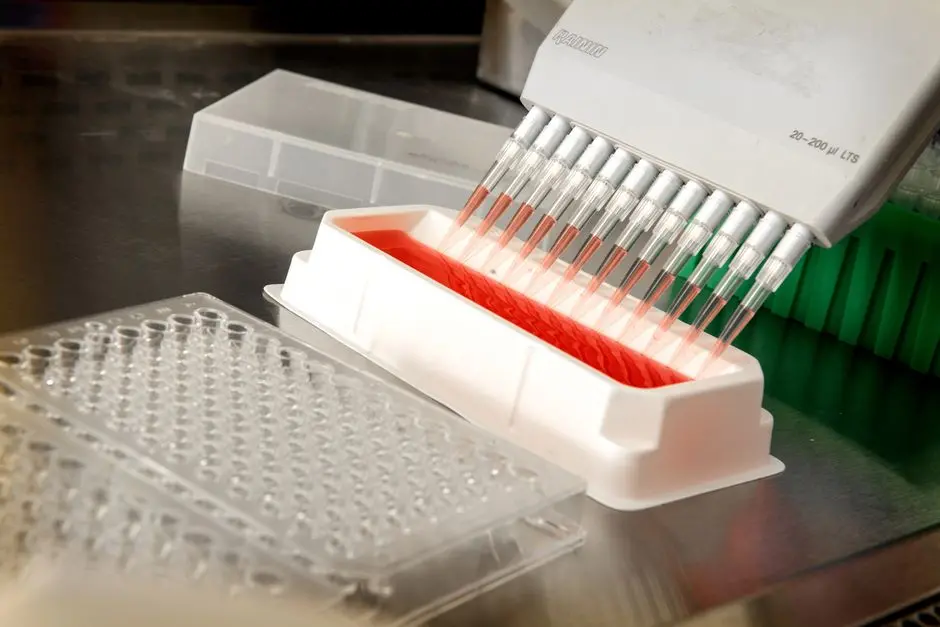
Unleash Precision: The Imperative of Automation in Compound Screening
The genesis of a new drug is an arduous journey, demanding the interrogation of millions of potential compounds. Historically, this process was a crucible of manual pipetting, laborious plate handling, and subjective observations – a workflow ripe for bottlenecks and inconsistencies. We confront this reality: human hands, however skilled, introduce variability and impose severe limits on throughput. The sheer volume of data generated, coupled with the need for high statistical confidence, mandates a paradigm shift.
Robotic systems step into this void, acting not as mere replacements, but as amplifiers of human ingenuity. They execute repetitive tasks with unflagging accuracy, eliminating the potential for fatigue-induced errors and ensuring unparalleled reproducibility across experiments. This elevates the integrity of our data, building a robust foundation for critical decision-making. Furthermore, the ability to screen vast chemical spaces rapidly means we don't just find more hits; we find better, more diverse hits, increasing the probability of discovering genuinely novel mechanisms of action.
We are not simply optimizing a step; we are fundamentally redefining the feasibility of large-scale biochemical and cell-based assays. Embrace automation not as a luxury, but as an absolute strategic necessity to compete and excel in the fiercely competitive arena of new molecule discovery. It liberates our scientists to focus on higher-level problem-solving, data interpretation, and creative experimental design, propelling us toward biological breakthroughs with unprecedented velocity.
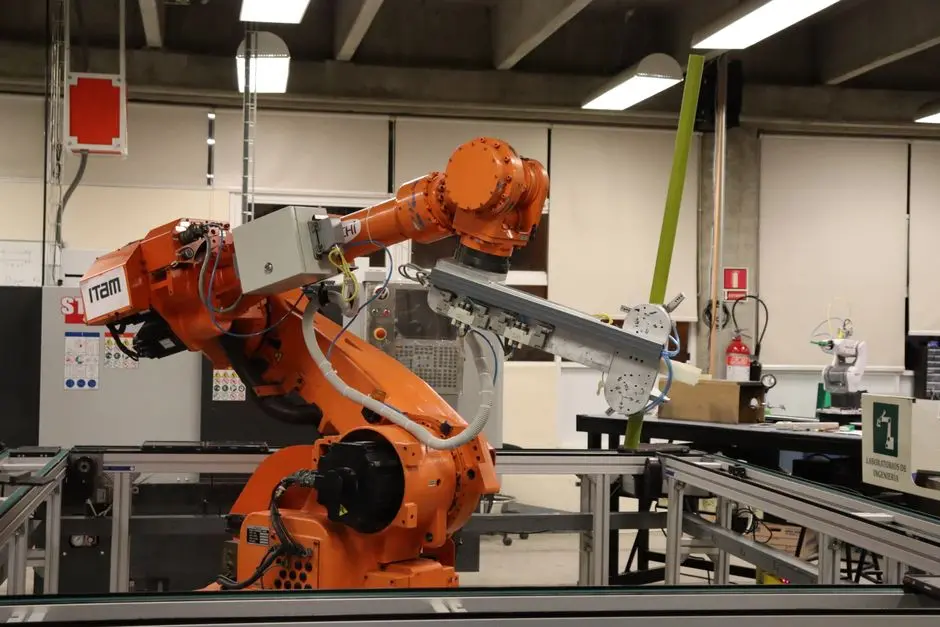
Forge Efficiency: Core Robotic Architectures for High-Throughput Screening
At the heart of modern compound screening lies the meticulously engineered choreography of robotic systems. These integrated platforms are not monolithic machines but rather intricate ecosystems of specialized components working in concert. We must understand their anatomy to optimize their deployment. Key players include high-precision liquid handlers (dispensing reagents, cells, and compounds in picoliter to microliter volumes), multi-axis robotic arms (seamlessly transporting microplates between stations), and sophisticated plate readers (detecting fluorescence, luminescence, absorbance, or cellular morphology).
Further integration extends to plate hotels for bulk storage, automated incubators maintaining precise environmental conditions, and washers/dispensers for complex assay steps. The magic lies in their modularity and interconnectivity. Each component, often from different vendors, communicates through standardized interfaces, forming a fluid, automated pipeline. For instance, a robotic arm fetches a plate from an incubator, transfers it to a liquid handler for compound addition, moves it to a reader for data capture, and finally returns it or routes it for subsequent steps.
This integrated architecture enables us to execute complex multi-step assays with minimal human intervention, dramatically reducing assay run times from days to hours. We demand systems that are robust, flexible, and scalable, capable of adapting to diverse assay formats—from target-based biochemical screens to complex phenotypic cell-based assays. Investing in a well-designed robotic platform is not just about equipment; it's about engineering a workflow that maximizes discovery potential.

Master Intelligence: Advanced Automation Strategies & AI Integration
The evolution of robotic systems extends far beyond mere automation; we now engineer intelligent workflows that learn, adapt, and optimize. Advanced strategies leverage artificial intelligence (AI) and machine learning (ML) to create truly closed-loop discovery cycles. Imagine a system where initial screening data isn't just processed, but analyzed by AI to inform the next round of experimental design, autonomously selecting new compounds or modifying assay parameters. This proactive approach drastically reduces redundant experiments and accelerates hit-to-lead optimization.
Miniaturization pushes the boundaries of efficiency, moving from microtiter plates to nanoliter and picoliter dispensing, conserving precious reagents and expanding screening capacity exponentially. Platforms like lab-on-a-chip technologies integrate multiple assay steps onto a single microfluidic device, offering unparalleled control and reducing sample volumes to a minimum. For phenotypic screening, the convergence of robotics with high-content imaging (HCI) and advanced image analysis algorithms allows us to extract rich, multivariate data from individual cells, providing deeper biological insights beyond simple endpoints.
Furthermore, robotic systems are vital for automating secondary screening, hit validation, and even early ADME/Tox profiling, creating a seamless transition through the discovery funnel. The human role shifts from manual labor to strategic oversight, data interpretation, and hypothesis generation, empowered by intelligent automation. We must rigorously implement these advanced strategies, integrating computational power with physical automation to unlock unprecedented discovery velocity and precision.
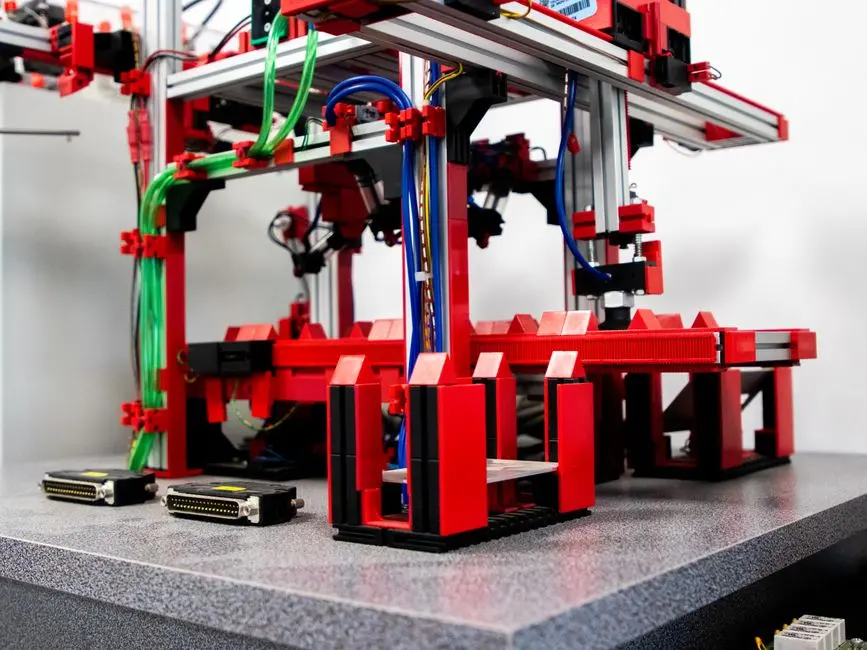
Conquer Challenges: Strategic Implementation & Future Trajectories
Implementing robotic screening systems presents distinct challenges we must conquer to fully realize their transformative potential. A primary hurdle is system integration and interoperability. Disparate instruments from various manufacturers often require significant effort to communicate seamlessly. We advocate for rigorous planning and the adoption of open standards or robust middleware solutions. Data management and analysis constitute another critical bottleneck; these systems generate colossal datasets, demanding powerful LIMS (Laboratory Information Management Systems) and sophisticated bioinformatics tools for efficient processing, storage, and interpretation. Neglecting this aspect transforms a data deluge into a data disaster.
The initial capital investment can be substantial, necessitating a clear return on investment (ROI) analysis. However, the long-term gains in throughput, reproducibility, and reduced reagent costs typically outweigh the upfront expenditure. Best practices include designing for modularity and scalability, allowing for incremental expansion and adaptation to evolving research needs. Furthermore, ensuring adequate training and skill development for scientific and technical staff is paramount. These aren't simply machines; they require skilled operators and programmers.
Looking ahead, the trajectory points towards increasingly autonomous laboratories, where AI orchestrates entire discovery campaigns with minimal human intervention. We envision convergence with emerging technologies like CRISPR-based functional genomics and organoid models, creating hyper-efficient platforms for complex biological interrogation. By strategically addressing current challenges and proactively embracing future innovations, we solidify our position at the vanguard of new molecule discovery.
Key Takeaways
Robotics: The Essential Catalyst for New Molecule Discovery
Elevated Throughput & Reproducibility: Robotic systems eliminate human error, enabling the rapid and consistent screening of millions of compounds. This dramatically increases the chances of identifying novel bioactive molecules with high data integrity.
Integrated Architectures for Precision & Efficiency
Core Components: High-precision liquid handlers, robotic arms, and advanced plate readers form the backbone of automated platforms. Their modular integration ensures seamless, multi-step assay execution, reducing discovery timelines.
AI & Advanced Automation Drive Intelligent Discovery
Closed-Loop Optimization: AI/ML integration allows systems to learn and adapt, autonomously refining experimental design. Miniaturization and lab-on-a-chip technologies further enhance efficiency, conserving reagents and expanding screening capacity.
Strategic Implementation for Future Success
Overcoming Hurdles: Address system integration, data management, and initial investment with robust planning. Focus on modularity, scalability, and staff training. Embrace autonomous labs and convergence with emerging technologies for sustained leadership in drug discovery.
FAQ
-
What is High-Throughput Screening (HTS)?
HTS is a drug discovery process that rapidly tests a large number of compounds (hundreds of thousands to millions) for a specific biological or biochemical activity using automated robotic systems. Its primary goal is to identify 'hits' – compounds showing desired activity – that can then be optimized into potential drug candidates.
-
How do robotic systems improve data quality in compound screening?
Robotic systems improve data quality by ensuring high precision and accuracy in pipetting and plate handling, eliminating human-introduced variability and fatigue-related errors. This leads to superior reproducibility, reduced assay noise, and more reliable statistical analysis of results, ultimately providing higher confidence in identifying true active compounds.
-
What are the key components of an automated screening platform?
An automated screening platform typically comprises several integrated components: high-precision liquid handlers, robotic arms for plate transport, plate readers (e.g., for fluorescence, luminescence, absorbance), automated incubators, plate washers, and software for scheduling and data acquisition. These components work together to execute complex assay protocols efficiently.
-
What are the main challenges in implementing robotic screening systems?
Key challenges include the significant initial capital investment, complex system integration between different vendor components, robust data management and analysis infrastructure (LIMS), and the need for specialized technical expertise for operation and maintenance. Overcoming these requires careful planning, strategic investment, and comprehensive training.