
> New Molecule Discovery > Biological Testing of Candidate Molecules > Accelerate Drug Discovery: Master Biological Screening
Accelerate Drug Discovery: Master Biological Screening

The journey from a novel chemical entity to a life-saving drug is long and arduous. At its very heart lies biological screening, the pivotal process that sifts through vast chemical libraries to identify promising candidates. We embark on a deep dive into this indispensable phase of drug discovery, unveiling its mechanisms, strategies, and transformative potential.
This comprehensive resource equips you with an expert-level understanding of how biological screening accelerates the identification of molecules with therapeutic promise. We meticulously dissect the methodologies, from high-throughput approaches to intricate cell-based assays, ensuring you grasp the tactical nuances. We forge a path through the common pitfalls and chart a course for best practices, transforming complex concepts into actionable insights. Prepare to master the art and science of identifying bioactive compounds, laying the groundwork for the successful experimental validation of bioactive compounds. This article is your tactical blueprint to navigating the critical early stages of drug development, turning theoretical possibilities into tangible therapeutic breakthroughs.

Defining Biological Screening: The Strategic Imperative
Biological screening stands as the foundational pillar in our quest for new medicines. It represents the systematic evaluation of a large number of chemical compounds, often hundreds of thousands or even millions, for their ability to modulate a specific biological target or elicit a desired phenotypic response. This strategic imperative allows us to identify 'hits' – compounds exhibiting initial activity – which then proceed through a rigorous refinement process. Historically, drug discovery relied heavily on serendipity or empirical testing on whole organisms. Today, biological screening leverages advanced technologies to achieve unparalleled efficiency and precision.
Our core mission here is to uncover molecules that interact with disease pathways, either by inhibiting a detrimental protein, activating a beneficial one, or correcting a cellular dysfunction. We deploy screening early in the discovery pipeline because it offers a rapid, cost-effective method to narrow down an immense chemical space. Imagine attempting to test every conceivable compound individually; the task would be insurmountable. Biological screening provides the strategic lens through which we focus our efforts, dramatically increasing our probability of success. It empowers us to transition from conceptual targets to tangible chemical leads, driving the entire drug development process forward with purpose and scientific rigor.
Unlocking Potential: Key Methodologies in Biological Screening
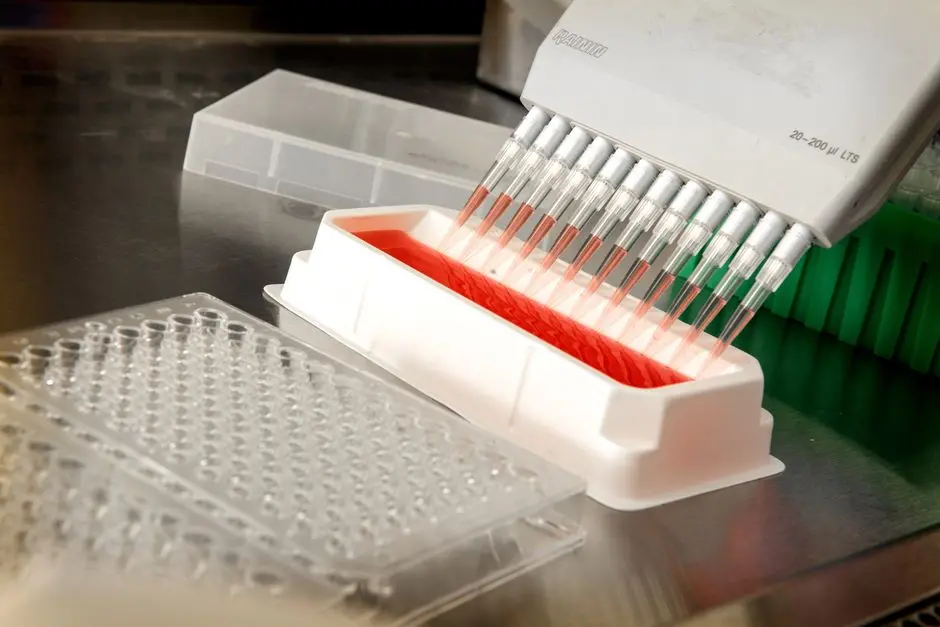
To effectively identify promising drug candidates, we deploy a sophisticated arsenal of biological screening methodologies. The most prominent among these is High-Throughput Screening (HTS). HTS involves automating the testing of vast compound libraries against a specific biological target or cellular process using robotic systems and miniaturized assays, often in 96-, 384-, or 1536-well plate formats. This allows us to rapidly generate large datasets on compound activity, a critical step for accelerating initial hit identification.
Alongside HTS, High-Content Screening (HCS) offers a deeper dive into cellular responses. HCS, often called 'phenotypic screening', uses automated microscopy and image analysis to extract multiple parameters from individual cells or cellular populations. This provides rich, multiplexed data on how compounds affect cell morphology, protein localization, organelle function, and other complex biological phenomena. While HTS is ideal for primary hit identification, HCS excels in understanding mechanism of action and identifying compounds with novel mechanisms or reduced toxicity profiles.
We distinguish between target-based screening, where compounds are tested against a purified molecular target (e.g., enzyme, receptor), and phenotypic screening, where compounds are tested in a more complex biological system (e.g., cells, tissues) without prior knowledge of the direct target. Each approach offers distinct advantages: target-based assays provide clear mechanistic insights, while phenotypic assays can uncover novel biology and 'first-in-class' drugs. Our strategic selection of methodologies dictates the breadth and depth of insights we acquire, directly influencing our drug discovery trajectory. We must meticulously select the appropriate assay type – biochemical, cell-based, or even whole-organism – to best interrogate the desired biological effect.
Navigating the Screening Workflow: From Library to Lead
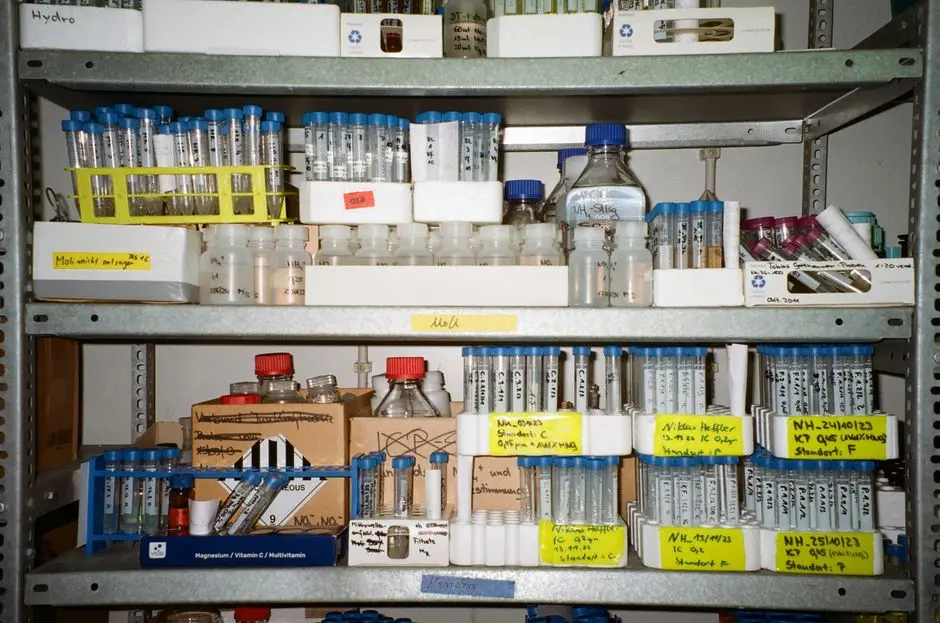
Our journey through biological screening follows a meticulously structured workflow, ensuring efficiency and scientific rigor at every turn. It commences with compound library preparation. We assemble diverse collections of molecules – synthetic, natural products, or peptide libraries – ensuring optimal chemical space coverage and quality. Each compound must be precisely cataloged and arrayed for automated handling.
Next, we rigorously develop and optimize our assay system. This critical phase involves selecting the appropriate biological target, designing robust readouts (e.g., fluorescence, luminescence, absorbance), and validating the assay's sensitivity, specificity, and reproducibility. A common metric for assay quality is the Z'-factor, which we strive to maintain at >0.5 for robust screening. We deploy robotic platforms for automated liquid handling, plate washing, and signal detection, enabling us to test thousands of compounds daily. Data acquisition is followed by rigorous data analysis. We apply statistical methods to identify statistically significant hits, flagging compounds that consistently elicit a desired response above background levels.
Post-screening, we initiate hit validation and triage. This crucial step eliminates false positives through re-testing, dose-response curve generation, and orthogonal assay verification. We assess compound purity, solubility, and preliminary toxicity to identify compounds with genuine biological activity and favorable physicochemical properties. This systematic validation process prevents us from pursuing unproductive chemical series, conserving invaluable resources and sharpening our focus on truly promising candidates. We meticulously transform raw data into actionable insights, propelling us closer to identifying viable drug leads.

Overcoming Obstacles: Best Practices and Future Horizons in Screening
While biological screening is a powerful engine of discovery, we must actively anticipate and overcome its inherent challenges. A critical hurdle is the management of false positives and false negatives. False positives, compounds that appear active but are not, can arise from assay interference, compound aggregation, or non-specific interactions. We combat this through counter-screens, orthogonal assays, and robust hit confirmation strategies. False negatives, active compounds missed during screening, can result from assay conditions that are not optimal for compound activity or poor compound solubility. We mitigate these risks by optimizing assay conditions and ensuring compound quality.
Best practices mandate a multi-pronged approach: rigorous quality control throughout the entire workflow, from compound handling to data analysis; careful assay design that reflects physiological relevance; and a deep understanding of the target biology. We integrate robust data management systems to track and analyze the vast amounts of information generated, ensuring traceability and reproducibility. Furthermore, a collaborative approach, fostering synergy between biologists, chemists, and data scientists, is paramount for success.
The future of biological screening is dynamic and thrilling. We are harnessing the power of Artificial Intelligence and Machine Learning (AI/ML) to predict compound activity, optimize assay design, and analyze complex datasets, accelerating hit identification and lead optimization. Emerging technologies like organ-on-a-chip platforms offer more physiologically relevant screening models, bridging the gap between in vitro assays and in vivo studies. We also see a growing emphasis on personalized medicine, with screening evolving to identify compounds effective for specific patient populations. We are not just performing experiments; we are architecting the future of precision medicine, continuously refining our tools and strategies to conquer disease with unprecedented accuracy and speed.
Key Takeaways
Foundational Role
Biological screening is the systematic process of evaluating large compound libraries to identify molecules with desired biological activity, serving as the critical first step in modern drug discovery.
Key Methodologies
We primarily leverage High-Throughput Screening (HTS) for rapid hit identification and High-Content Screening (HCS) for detailed phenotypic analysis. Both target-based and phenotypic screening strategies are deployed depending on the research objective.
Structured Workflow
The process involves rigorous compound library preparation, meticulous assay development (aiming for Z'-factor > 0.5), automated screening, robust data analysis, and essential hit validation steps to eliminate false positives.
Challenges & Best Practices
Managing false positives/negatives is crucial, mitigated by rigorous QC, orthogonal assays, and physiologically relevant assay design. Collaborative interdisciplinary teams are vital for success.
Future Horizons
The field is rapidly advancing with AI/ML integration for predictive modeling and data analysis, and emerging technologies like organ-on-a-chip platforms are improving physiological relevance and opening avenues for personalized medicine.
FAQ
-
What is the primary goal of biological screening in drug discovery?
The primary goal is to systematically identify chemical compounds that exhibit a desired biological activity against a specific target or pathway relevant to a disease. This process narrows down millions of potential molecules to a manageable number of 'hits' or 'leads' for further development, accelerating the discovery of new therapeutic agents.
-
What is the difference between High-Throughput Screening (HTS) and High-Content Screening (HCS)?
HTS focuses on rapidly testing a large number of compounds against a single or few biochemical/cellular readouts, primarily for hit identification. It prioritizes speed and volume. HCS, on the other hand, uses automated microscopy to extract multiple phenotypic parameters from cells treated with compounds, offering richer, multiplexed data on complex cellular responses and mechanisms of action, but typically at a lower throughput than HTS.
-
What is a Z'-factor and why is it important in assay development?
The Z'-factor is a statistical measure used to assess the quality of an assay in high-throughput screening. It quantifies the dynamic range and variability of an assay, providing a robust indication of its suitability for screening. A Z'-factor > 0.5 generally indicates an excellent assay, crucial for minimizing false positives and negatives and ensuring reliable results.
-
How does AI/ML impact biological screening?
AI/ML significantly enhances biological screening by predicting compound activity, optimizing assay design, analyzing complex screening data, and identifying novel patterns. These technologies can accelerate hit-to-lead processes, reduce experimental costs, and guide the selection of more promising drug candidates, ultimately streamlining the drug discovery pipeline.
-
What are common pitfalls in biological screening and how are they addressed?
Common pitfalls include false positives (compounds appearing active but not genuinely so) and false negatives (active compounds being missed). We address these through rigorous assay validation, careful compound quality control, employing counter-screens, conducting orthogonal assays for hit confirmation, and optimizing screening conditions to ensure physiological relevance.