
> New Molecule Discovery > Biological Testing of Candidate Molecules > Unleash HTS: Accelerating Next-Gen Molecule Discovery
Unleash HTS: Accelerating Next-Gen Molecule Discovery
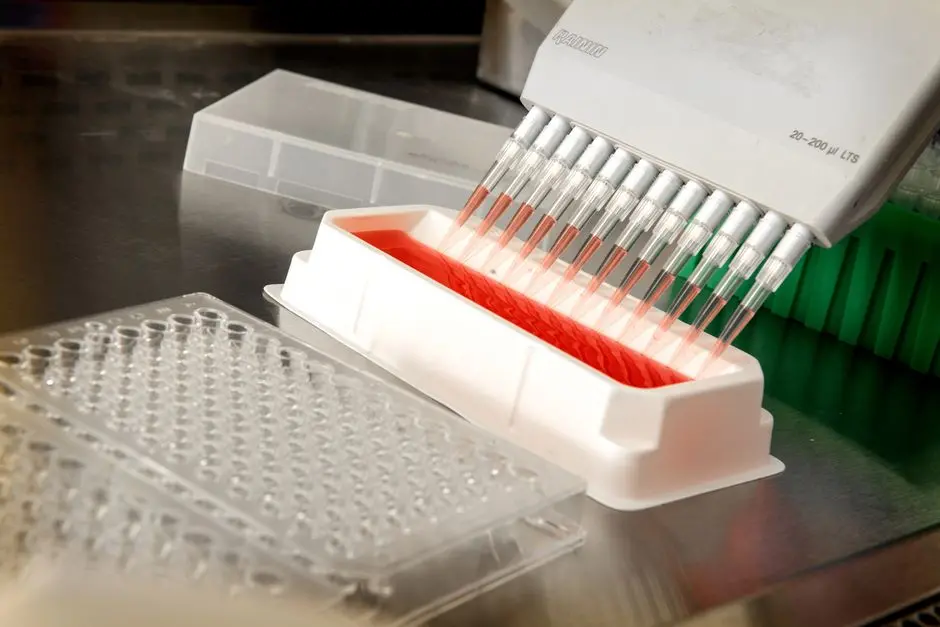
We stand at a critical juncture in biology, where the relentless pursuit of novel therapeutic agents and scientific insights demands ever-greater speed and precision. Traditional methods for identifying active molecules are often labor-intensive, slow, and resource-prohibitive, forming a significant bottleneck in drug discovery pipelines. Yet, a revolution is underway: High Throughput Screening (HTS). This powerful methodology transforms the landscape, enabling us to test millions of compounds against biological targets in a fraction of the time, unlocking unprecedented opportunities for discovery.
This definitive guide empowers you to master HTS, dissecting its core principles, technological advancements, and strategic applications. We demystify the complexities, expose common pitfalls, and reveal insider strategies to maximize your screening success. Discover how HTS not only accelerates the initial identification of promising candidates but also profoundly impacts subsequent stages, including the crucial process of the experimental validation of bioactive compounds. Prepare to revolutionize your approach to new molecule discovery, transforming the theoretical into the tangible and pushing the boundaries of biological innovation.
HTS: The Paradigm Shift in Molecule Discovery
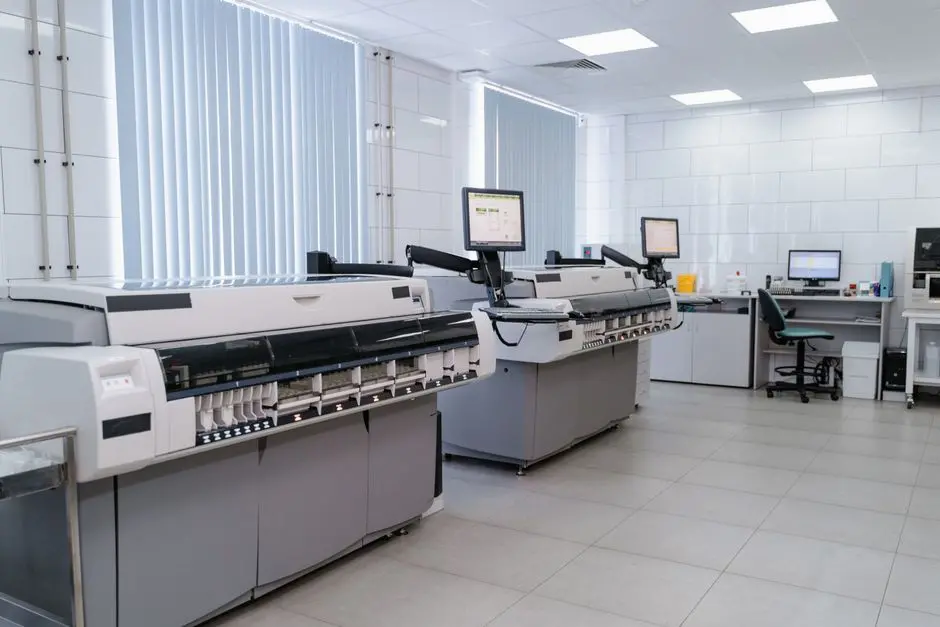
High Throughput Screening (HTS) represents a monumental leap forward in the quest for new molecules, fundamentally altering the drug discovery paradigm. At its core, HTS leverages automation, miniaturization, and sophisticated detection technologies to rapidly test large libraries of chemical compounds or biological samples against specific molecular targets or cellular phenotypes. This approach moves beyond the limitations of one-compound-at-a-time testing, allowing us to screen hundreds of thousands, even millions, of unique entities in a remarkably short timeframe. It's not merely about speed; it's about casting a wider net, exploring chemical space with unparalleled efficiency.
Historically, drug discovery relied heavily on serendipity, natural product isolation, or focused synthetic efforts based on limited biological understanding. This often led to protracted timelines, high failure rates, and enormous costs. HTS shatters these barriers. By systematically evaluating vast chemical diversity, we dramatically increase the probability of identifying 'hits' – compounds exhibiting the desired biological activity. This method is indispensable for target-based drug discovery, where a specific protein or pathway is implicated in disease, as well as for phenotypic screening, where the goal is to identify compounds that elicit a desired cellular response without a predefined molecular target. We must recognize HTS as the engine driving modern pharmaceutical and biotechnological innovation. Its ability to compress discovery timelines and expand the pool of potential lead molecules is unparalleled, making it a cornerstone for future breakthroughs.
Architecting HTS: Core Technologies and Workflow Mastery
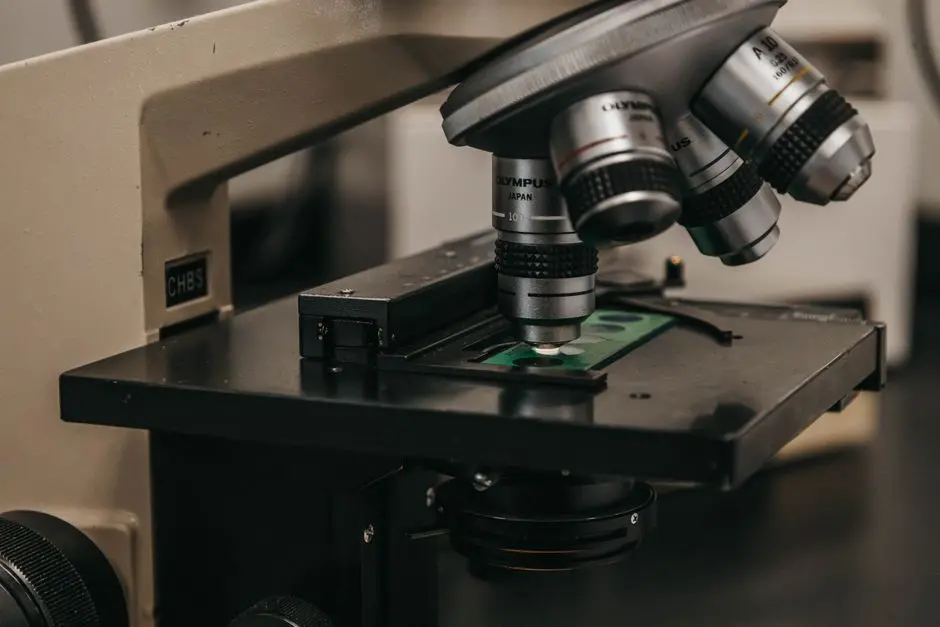
Constructing a robust HTS campaign demands a meticulous orchestration of advanced technologies and a streamlined workflow. At the heart of HTS lie several critical components:
- Compound Libraries: We utilize vast collections of small molecules, often numbering in the hundreds of thousands or millions, carefully curated for diversity, drug-likeness, and purity. These libraries are typically stored in standardized microplates (96, 384, 1536, or even 3456 wells) ready for automated dispensing.
- Automated Liquid Handling Systems: Precision robotics are non-negotiable. Systems like robotic plate handlers, liquid dispensers (acoustic, syringe-based, peristaltic), and plate washers execute repetitive tasks with unparalleled accuracy and speed, eliminating human error and throughput limitations.
- Detection Technologies: The readout mechanism is crucial for measuring the biological response. Common technologies include fluorescence (e.g., FRET, TR-FRET, FP), luminescence, absorbance, AlphaScreen, and label-free technologies like surface plasmon resonance or impedance-based cellular assays. The choice of detector dictates the assay sensitivity and signal-to-noise ratio.
- Data Acquisition and Analysis Software: High-throughput data generation necessitates sophisticated software for rapid data capture, normalization, quality control, and statistical analysis. We analyze parameters like Z-factor to assess assay quality and identify initial hit compounds.
The typical HTS workflow commences with assay development and miniaturization, optimizing conditions for robustness and suitability for high throughput. Next, primary screening involves testing the entire compound library. We then move to hit confirmation and retesting, where initial positives are re-screened, often at multiple concentrations, to eliminate false positives and establish dose-response relationships. Finally, hit validation employs orthogonal assays and cheminformatics to ensure the genuine activity of confirmed hits. This structured approach, powered by advanced instrumentation, is how we systematically decode molecular interactions and uncover new therapeutic potential.

Navigating the Labyrinth: HTS Challenges, Pitfalls, and Best Practices
While HTS offers immense power, it is not without its complexities. Navigating these challenges requires foresight, meticulous planning, and a deep understanding of potential pitfalls. A critical issue is the occurrence of false positives and false negatives. False positives can arise from compound aggregation, assay interference (e.g., fluorescence quenching/activation), or non-specific binding, leading to wasted resources on inactive compounds. Conversely, false negatives can mask genuinely active molecules due to poor compound solubility, degradation, or suboptimal assay conditions, causing us to miss valuable leads. We must proactively identify and mitigate these risks.
Best practices are our shield against these pitfalls:
- Rigorous Assay Validation: Before screening, perform comprehensive validation. Optimize reagent concentrations, incubation times, and signal window. Crucially, calculate the Z-factor (> 0.5 is good, > 0.7 excellent) to ensure assay robustness and dynamic range.
- Orthogonal Assays: Never rely on a single assay readout for hit confirmation. Employ orthogonal assays (mechanistically different) to validate activity and eliminate artifacts. For example, if a fluorescence-based assay identifies a hit, confirm its activity using a label-free method or a different detection modality.
- Compound Quality Control: Ensure the integrity and purity of your compound library. Regular checks for degradation, precipitation, and accurate concentration are essential. Aggregation-prone compounds are notorious sources of false positives; consider using detergents or biophysical methods to detect and exclude them.
- Data Quality Management: Implement robust data management systems. Monitor plate variability, edge effects, and instrument performance throughout the screen. Statistical filtering and outlier detection are crucial for identifying genuine hits amidst noise.
- Experienced Personnel: HTS requires a multidisciplinary team. Biochemists for assay design, engineers for automation, and computational biologists for data analysis. Investing in expertise is paramount for operational excellence.
By adhering to these principles, we convert potential roadblocks into stepping stones, maximizing the fidelity and success rate of our HTS campaigns.

Pioneering the Future: Advanced HTS Strategies and Emerging Trends
The evolution of HTS is relentless, constantly pushing the boundaries of what's achievable in molecule discovery. We are not static; we are innovating. One significant shift is the rise of phenotypic screening. Instead of targeting a single isolated protein, phenotypic screens observe the effect of compounds on entire cells or organisms, often revealing novel mechanisms of action that target-based approaches might miss. This strategy has resurged as a powerful tool, particularly in oncology and infectious diseases, where complex cellular pathways are involved.
Miniaturization continues apace, with Ultra-High Throughput Screening (uHTS) leveraging advanced microfluidics and nanoscale technologies to screen millions more compounds with even less reagent consumption. The integration of 3D cell models (spheroids, organoids) in HTS provides a more physiologically relevant context than traditional 2D cell cultures, yielding hits with a higher likelihood of clinical translation. These models better mimic tissue architecture and cell-cell interactions, leading to more predictive assays.
Artificial Intelligence (AI) and Machine Learning (ML) are revolutionizing HTS data analysis and experimental design. AI algorithms can predict compound activity, optimize assay parameters, and identify complex patterns in vast datasets that human analysis might overlook. Furthermore, AI-driven inverse screening approaches can suggest novel chemical structures based on desired biological properties, dramatically accelerating lead optimization. Finally, Fragment-Based Drug Discovery (FBDD), often combined with HTS, is gaining traction. This method screens small, low-molecular-weight fragments that bind weakly to a target but can be grown or linked into more potent compounds. This approach explores chemical space more efficiently and can yield compounds with better drug-like properties.
Embracing these advanced strategies is paramount. We forge ahead, leveraging every technological advantage to make molecule discovery faster, smarter, and ultimately, more impactful for human health.
Key Takeaways
HTS: A Revolution in Speed and Scale
High Throughput Screening (HTS) fundamentally transformed molecule discovery by enabling rapid, automated testing of millions of compounds. It drastically reduces discovery timelines and costs, providing an efficient pathway to identify novel active molecules for therapeutic and research applications.
Key Technologies & Workflow
HTS relies on sophisticated integration of compound libraries, precision robotics for liquid handling, diverse detection systems (fluorescence, luminescence), and advanced data analysis software. The workflow includes assay development, primary screening, hit confirmation, and rigorous hit validation.
Mitigating Challenges with Best Practices
Common HTS challenges include false positives (due to aggregation, interference) and false negatives. Overcome these through rigorous assay validation (Z-factor), using orthogonal assays for hit confirmation, stringent compound quality control, robust data management, and multidisciplinary expert teams.
Future Frontiers: Advanced Strategies
The field is evolving with phenotypic screening for novel mechanisms, Ultra-HTS for greater efficiency, 3D cell models for physiological relevance, and the integration of AI/ML for smarter design and analysis. Fragment-Based Drug Discovery (FBDD) further enhances lead identification.
FAQ
-
What is the primary advantage of High Throughput Screening (HTS) over traditional screening methods?
The primary advantage of HTS is its unparalleled speed and scale. It enables the rapid, automated testing of hundreds of thousands to millions of compounds against a biological target or cellular system in a fraction of the time and cost compared to traditional, manual methods. This significantly increases the probability of discovering novel active molecules.
-
What is a 'Z-factor' in HTS, and why is it important?
The Z-factor is a statistical measure used in HTS to assess the quality and robustness of an assay. It quantifies the separation between positive and negative controls, indicating the assay's signal window and variability. A Z-factor value >0.5 is generally considered good, while >0.7 is excellent, signifying an assay suitable for HTS with a high chance of identifying true hits.
-
How does phenotypic screening differ from target-based screening in HTS?
Target-based screening focuses on a specific molecular target (e.g., a protein) implicated in a disease, aiming to find compounds that modulate its activity. Phenotypic screening, conversely, tests compounds against cells or organisms and observes a desired change in phenotype (e.g., cell survival, morphology) without necessarily knowing the compound's direct molecular target. Phenotypic screens can uncover novel mechanisms of action.
-
What are common sources of false positives in HTS, and how are they mitigated?
Common sources of false positives include compound aggregation, assay interference (e.g., fluorescence quenching, absorbance at assay wavelengths), and non-specific interactions. Mitigation strategies include using orthogonal assays for validation, employing detergents to prevent aggregation, counter-screening against known interference mechanisms, and conducting thorough compound quality control.