
> New Molecule Discovery > Biological Testing of Candidate Molecules > Unlock Active Molecules: The Power of Enzymatic Assays
Unlock Active Molecules: The Power of Enzymatic Assays
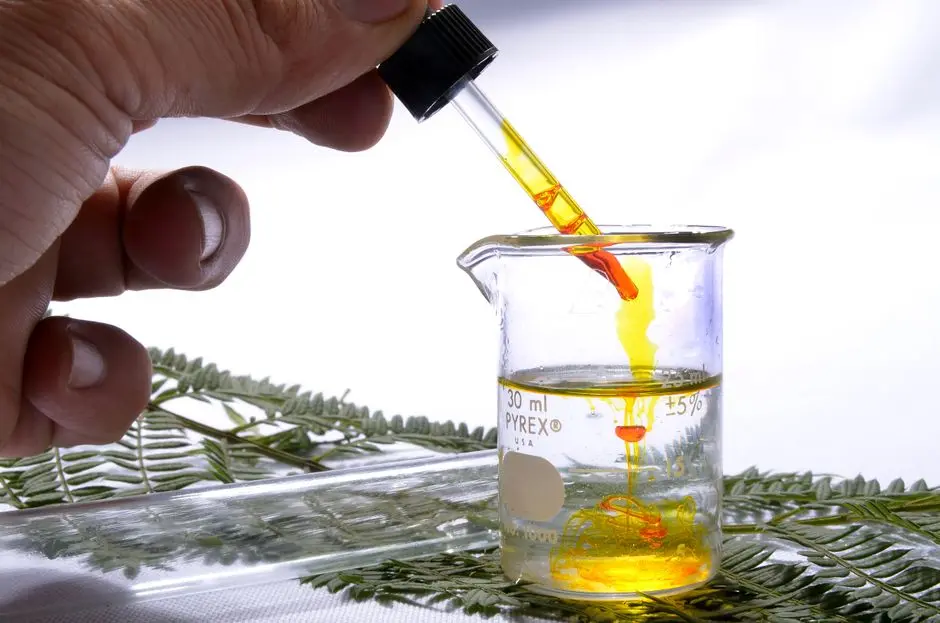
In the relentless pursuit of novel therapeutics, identifying molecules with precise biological activity stands as a formidable challenge. The vast chemical space demands sophisticated screening technologies capable of discerning potential drug candidates from countless inactive compounds. This is where enzymatic assays emerge as indispensable tools, acting as high-resolution detectors in the complex ecosystem of new molecule discovery.
We dive deep into the strategic principles and intricate methodologies that underpin these assays, revealing how they precisely measure the interaction between candidate molecules and their enzymatic targets. From the foundational biochemistry to the advanced analytical techniques, this resource will equip you with the insights to master the detection of active molecules. Understanding the nuanced application of enzymatic assays is paramount for the successful experimental validation of bioactive compounds, propelling drug discovery forward with unparalleled precision and efficiency. Prepare to revolutionize your approach to molecular screening and forge a path toward transformative biological breakthroughs.
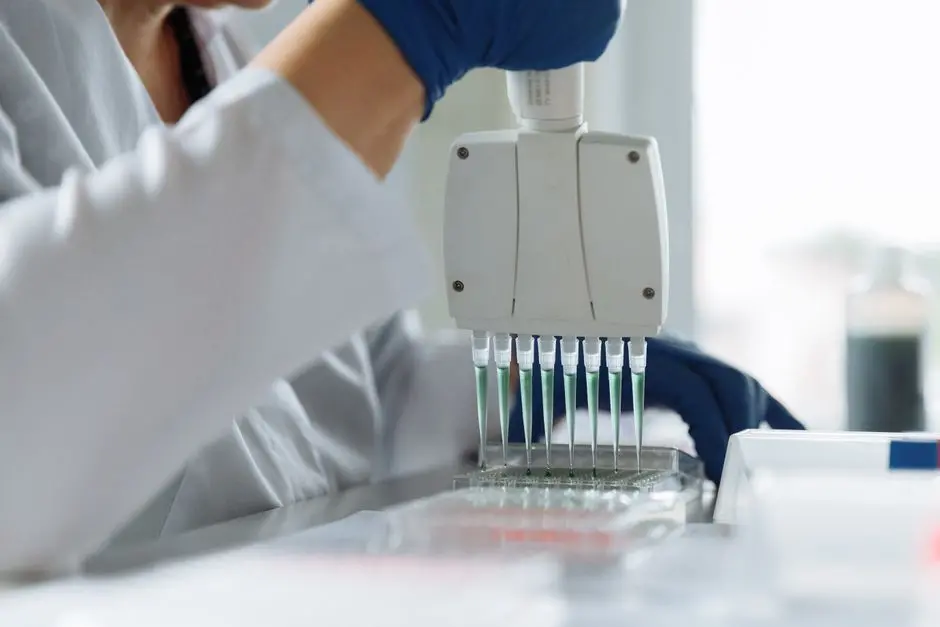
Forge the Foundations: Principles and Power of Enzymatic Detection
We initiate our journey into enzymatic detection by dissecting the fundamental principles that govern these powerful assays. An enzyme, a biological catalyst, accelerates specific biochemical reactions by converting a substrate into a product. Our strategic objective in assay design is to precisely measure this conversion or the inhibition thereof. Enzymatic assays capitalize on the enzyme's intrinsic specificity, allowing us to monitor highly targeted interactions crucial for drug discovery.
Consider the core mechanism: an enzyme (E) binds to its substrate (S) to form an enzyme-substrate complex (ES), which then transitions into an enzyme-product complex (EP) before releasing the product (P). The overall reaction rate is often directly proportional to the enzyme concentration and, within certain limits, the substrate concentration. We leverage this kinetic relationship to detect active molecules. A candidate molecule's ability to modulate (inhibit or activate) this reaction rate is our primary signal.
We distinguish between kinetic assays, which monitor the reaction in real-time over a period, and endpoint assays, which measure the product formed or substrate consumed after a defined incubation period. Each approach offers unique advantages; kinetic assays provide insights into reaction dynamics and reversibility, while endpoint assays are often more amenable to high-throughput screening due to their simplicity. Understanding these foundational concepts empowers us to design assays that are both sensitive and robust, capturing subtle molecular interactions with high fidelity.
This strategic understanding forms the bedrock upon which we construct more complex screening paradigms, ensuring that every detection step is grounded in solid biochemical principles.
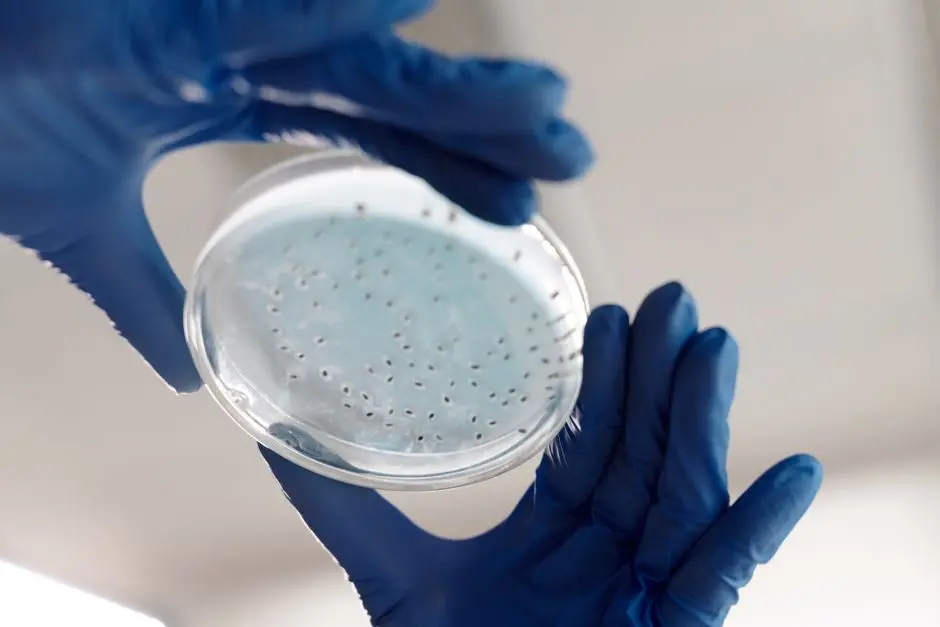
Engineer Robust Assays: A Strategic Blueprint for Development
Engineering a robust enzymatic assay demands a meticulous, strategic blueprint. We embark on this process by carefully selecting our enzyme source, ensuring its purity, stability, and specific activity. The next crucial step involves optimizing the reaction conditions to mirror, as closely as possible, the physiological environment or to maximize sensitivity for screening. This includes fine-tuning parameters such as pH, temperature, ionic strength, and the presence of essential cofactors.
The choice of substrate concentration is critical; typically, we operate near the enzyme's Michaelis constant (Km) for competitive inhibition studies, or at saturating concentrations for maximum velocity (Vmax) determination. Detecting the product formation or substrate depletion is central to the assay's readout. We deploy diverse detection methods, including:
- Spectrophotometric assays: Measuring absorbance changes (e.g., NAD(P)H oxidation/reduction).
- Fluorometric assays: Utilizing fluorescent substrates or labels for enhanced sensitivity.
- Luminescent assays: Employing luciferases for high signal-to-noise ratios.
- Radiometric assays: Incorporating radioactively labeled substrates for direct product quantification.
We must establish rigorous controls: positive controls validate the enzyme's activity, negative controls define baseline noise, and vehicle controls account for solvent effects of candidate molecules. For high-throughput screening (HTS), miniaturization and automation become paramount, necessitating careful validation of Z'-factor to ensure assay quality and reproducibility. Overlooking common pitfalls like enzyme instability, substrate promiscuity, or assay interference from colored/fluorescent compounds can compromise results. We proactively identify and mitigate these issues, forging an assay that delivers reliable, actionable data.
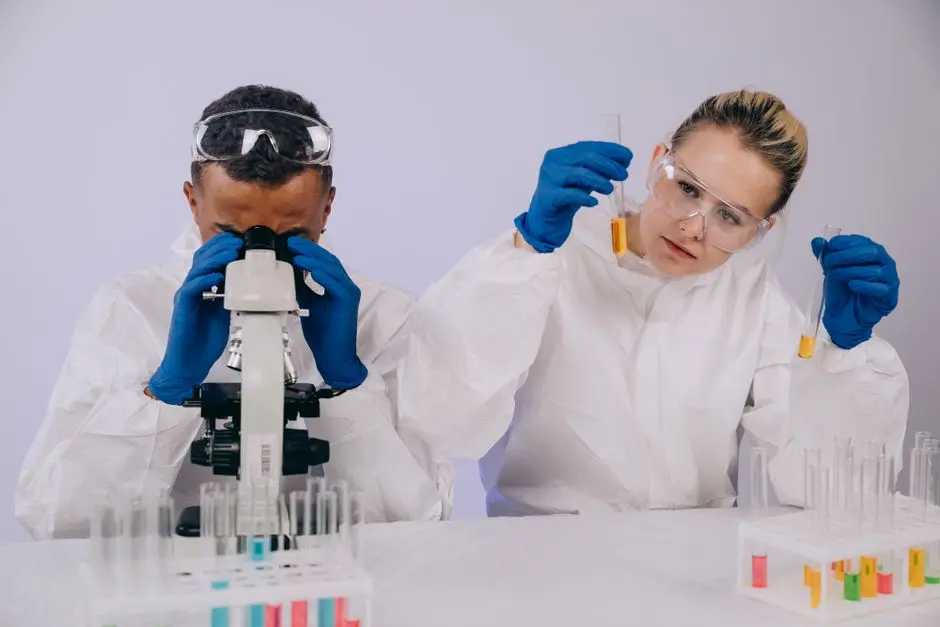
Quantify Potent Insights: Translating Raw Data into Actionable Discoveries
Translating raw enzymatic assay data into potent, actionable insights is where the true power of molecular detection manifests. Our objective is to rigorously quantify a candidate molecule's effect on enzyme activity. We achieve this through meticulous data analysis, commencing with the generation of standard curves to accurately relate signal intensity to product concentration. For kinetic assays, we determine initial reaction rates, often represented as micromoles of product per minute per milligram of enzyme.
When screening for inhibitors, we construct dose-response curves, plotting enzyme activity against varying concentrations of the test molecule. From these curves, we calculate critical parameters such as the IC50 (Inhibitory Concentration 50%) or EC50 (Half Maximal Effective Concentration). The IC50 signifies the concentration of a compound required to inhibit 50% of the enzyme's maximal activity, providing a direct measure of its potency.
We rigorously apply statistical methods to ensure reproducibility and reliability, utilizing replicate measurements and statistical tests to assess significance. For HTS, the Z'-factor is our crucial metric for assay quality, indicating the signal window and variability between positive and negative controls. A Z'-factor >= 0.5 typically signifies an excellent assay for screening.
Further kinetic analyses allow us to elucidate the mechanism of inhibition (competitive, non-competitive, uncompetitive, or mixed) by determining parameters like Ki (inhibition constant). This involves varying both substrate and inhibitor concentrations, then fitting data to specific enzyme kinetic models. Such depth of analysis differentiates between mere binders and true functional modulators, propelling our understanding beyond simple activity to mechanistic insight. We transform numbers into knowledge, driving informed decisions in drug development.
Advance Discovery: Applications and Future Frontiers of Enzymatic Assays
Enzymatic assays extend far beyond initial hit identification, serving as foundational pillars in advancing drug discovery and development. Their applications span crucial stages, from lead optimization and mechanism of action (MoA) studies to selectivity profiling. Once a hit is identified, we refine lead compounds by systematically testing structural analogs for improved potency, selectivity, and pharmacokinetic properties using a battery of enzymatic assays. For instance, in oncology, kinase assays are pivotal for identifying selective inhibitors against specific oncogenic kinases, minimizing off-target effects.
Unraveling the precise MoA is paramount. Enzymatic assays, coupled with detailed kinetic analyses, allow us to determine if an active molecule acts as a competitive antagonist, an allosteric modulator, or an irreversible inhibitor. This mechanistic understanding is critical for predicting efficacy and potential side effects in vivo. We also employ these assays for selectivity profiling, assessing a compound’s activity against a panel of related enzymes to identify potential promiscuity, a common cause of toxicity or off-target effects.
Looking towards future frontiers, enzymatic assays are continuously evolving. The integration of microfluidics enables ultra-low volume assays, conserving precious reagents and accelerating screening. Single-molecule enzymatic assays are pushing the boundaries of detection sensitivity, allowing us to observe individual molecular events, which is invaluable for understanding enzyme heterogeneity or rare binding events. Moreover, the synergy with computational biology and structural biology empowers rational drug design, where enzymatic data informs the synthesis of targeted compounds.
As we navigate the era of precision medicine, customized enzymatic assays designed for patient-specific enzyme variants or disease biomarkers will unlock unprecedented therapeutic opportunities. We actively explore these emerging technologies, propelling enzymatic assays into a pivotal role for personalized drug discovery and a healthier future.
Key Takeaways
Enzymatic Assays: Core Principles
Enzymatic assays precisely measure an enzyme's catalytic activity or its modulation by candidate molecules. They leverage enzyme specificity to convert substrates into products, which we detect. We utilize both kinetic (real-time) and endpoint (fixed-time) approaches, each offering distinct advantages for measuring reaction rates or total product formation. Understanding these foundational concepts is critical for effective assay design.
Strategic Assay Development
Developing robust assays involves optimizing conditions like pH, temperature, and substrate concentration, often near the enzyme's Km. We select from spectrophotometric, fluorometric, luminescent, or radiometric detection methods based on sensitivity and throughput needs. Rigorous controls (positive, negative, vehicle) are essential. For HTS, miniaturization and a high Z'-factor (>= 0.5) are key, while proactively addressing issues like enzyme instability or assay interference guarantees reliable data.
Quantitative Data Analysis
We quantify enzyme activity by generating standard curves, determining initial reaction rates, and calculating IC50/EC50 values from dose-response curves. Statistical rigor ensures data reproducibility. The Z'-factor validates HTS quality. Further kinetic analysis allows elucidation of inhibition mechanisms (competitive, non-competitive) and derivation of Ki values, providing deep insights into molecular interaction beyond simple potency.
Broad Applications and Future Trends
Enzymatic assays are vital for lead optimization, mechanism of action (MoA) studies, and selectivity profiling in drug discovery. They help refine compounds and predict efficacy. Future advancements include microfluidics for ultra-low volume assays, single-molecule detection for enhanced sensitivity, and integration with computational and structural biology for rational drug design. These assays are pivotal for advancing precision medicine and personalized therapeutics.
FAQ
-
What distinguishes enzymatic assays from cell-based assays in drug discovery?
Enzymatic assays primarily focus on isolated biochemical reactions involving a purified enzyme and its substrate in a controlled, cell-free environment. They offer high specificity and direct measurement of enzyme activity modulation, making them ideal for initial compound screening, mechanistic studies, and potency determination. In contrast, cell-based assays evaluate a compound's effect within the complex milieu of a living cell, providing insights into cellular permeability, toxicity, and broader physiological responses. While enzymatic assays dissect molecular interactions with precision, cell-based assays offer a more physiologically relevant context. We often combine both for a comprehensive understanding of a molecule's biological impact.
-
How do we choose the optimal detection method for an enzymatic assay?
Selecting the optimal detection method hinges on several critical factors: the nature of the reaction products, the required sensitivity, throughput needs, and budget. For instance, if a reaction consumes NADH, a spectrophotometric assay measuring absorbance at 340 nm is direct and cost-effective. For extremely low concentrations or high-throughput requirements, fluorometric or luminescent assays, with their superior signal-to-noise ratios, are often preferred. Radiometric assays, though involving hazardous materials, provide unparalleled sensitivity for specific reaction types. We meticulously evaluate the enzyme kinetics, substrate properties, and desired assay characteristics to strategically select the detection technology that delivers the most reliable and efficient readout for our specific discovery objectives.
-
What is assay interference, and how can we mitigate its impact on results?
Assay interference refers to non-specific effects of compounds or reagents that generate false positive or false negative signals, independent of their direct interaction with the target enzyme. Common interferers include fluorescent or colored compounds, aggregators, or redox-active molecules. We mitigate interference through several proactive strategies: employing orthogonal detection methods (e.g., confirming hits from a fluorescence assay with a luminescence or mass spectrometry-based assay), utilizing counter-screens against the detection chemistry itself (e.g., enzyme-free controls), and physically separating the enzyme reaction from the detection step (e.g., using filtration or chromatographic methods). Dilution series can also help identify concentration-dependent interference. Our vigilant approach to identifying and addressing these interferences ensures the integrity and accuracy of our screening data.