
> New Molecule Discovery > Biological Testing of Candidate Molecules > Illuminate Bioactivity: Essential Biochemical Assays in Molecule Discovery
Illuminate Bioactivity: Essential Biochemical Assays in Molecule Discovery
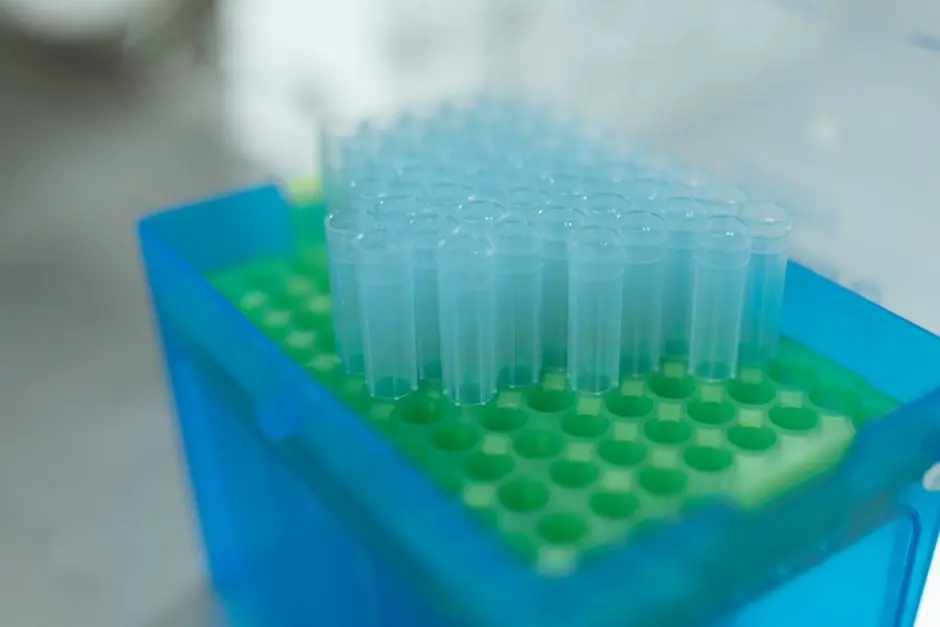
In the relentless pursuit of groundbreaking therapeutics, identifying and validating new molecules represents the apex of biological innovation. Yet, the journey from hypothesis to drug candidate is fraught with molecular mysteries. How do we precisely measure a compound's effect on biological targets? How do we discern true efficacy from noise in the vast chemical space?
The answer lies in mastering biochemical assays – the molecular spectroscopes of drug discovery. These powerful tools precisely quantify specific interactions and activities between potential drug candidates and their biological targets, such as enzymes, receptors, or nucleic acids. We confront the challenge of transforming abstract molecular mechanisms into measurable, actionable data, providing the foundational evidence needed for decision-making.
This deep dive unpacks the critical role of biochemical assays, exploring their principles, diverse applications, and strategic implementation. We will equip you with the expertise to design, execute, and interpret these assays, transforming your understanding of molecular interactions into tangible progress. Forgeons ensemble une compréhension chirurgicale de ces techniques indispensables, en nous appuyant sur leur capacité à accélérer the experimental validation of bioactive compounds, propulsant ainsi la découverte de molécules inédites vers de nouveaux horizons. Préparez-vous à optimiser chaque étape de votre parcours de découverte.
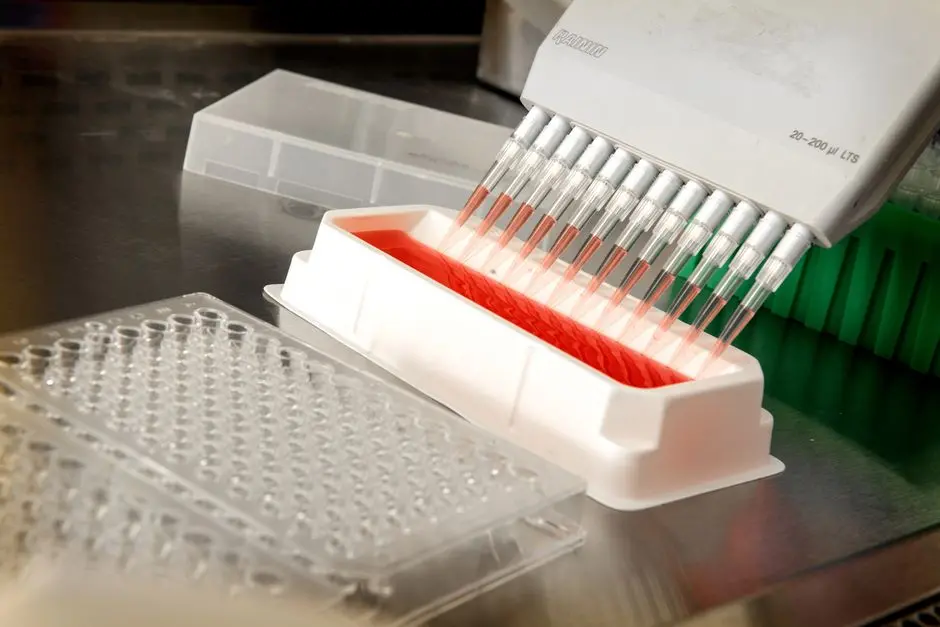
Defining Biochemical Assays: The Molecular Compass in Discovery
Biochemical assays are the bedrock of early-stage drug discovery, serving as the essential molecular compass guiding us through uncharted biological territories. We precisely define them as in vitro experimental methods designed to measure the specific activity or interaction of a molecule with a biological target, typically a purified protein, enzyme, or nucleic acid. Unlike cell-based assays, which operate within the complex environment of a living cell, biochemical assays simplify the system, isolating the target to observe direct interactions with unprecedented clarity and control.
The core principle is elegant: by isolating the components, we eliminate confounding factors, allowing for a focused analysis of the candidate molecule's impact. We quantify parameters such as enzyme kinetics (e.g., inhibition constants Ki or IC50), binding affinities (e.g., dissociation constant KD), or protein-protein interaction strengths. This quantitative precision empowers us to rank potential drug candidates based on their potency and selectivity for a specific target, thereby streamlining the hit-to-lead optimization process.
Consider an enzyme: a biochemical assay measures its catalytic rate in the presence and absence of a test compound. If the compound reduces the enzyme's activity, we identify it as a potential inhibitor. If it enhances activity, it could be an activator. This direct, unambiguous measurement is critical for understanding the fundamental mechanism of action and for building structure-activity relationships (SAR) that drive medicinal chemistry efforts. We leverage these assays to quickly screen vast libraries of compounds in a high-throughput format, efficiently sifting through millions of candidates to pinpoint those with promising biological activity.
Unpacking the Arsenal: Types of Biochemical Assays and Their Mechanisms
The landscape of biochemical assays is rich and diverse, offering a versatile arsenal for dissecting molecular mechanisms. Each type is tailored to specific biological questions, providing unique insights into drug-target interactions. We categorize them primarily by the type of interaction or activity they measure:
- Enzyme Activity Assays: These are paramount for identifying enzyme inhibitors or activators. We typically monitor the conversion of a substrate into a product, often via colorimetric, fluorometric, or luminescent detection.
- Colorimetric Assays: Rely on a change in color as a product is formed (e.g., para-nitrophenyl phosphate hydrolysis). Simple, robust, and cost-effective.
- Fluorometric Assays: Utilize fluorescent substrates or products, offering higher sensitivity and often wider dynamic ranges (e.g., FRET-based assays for proteases).
- Luminescence Assays: Generate light through enzymatic reactions (e.g., luciferase-based assays), providing extreme sensitivity and minimal interference.
- Ligand Binding Assays: We employ these to quantify the direct binding of a compound to a target protein, regardless of enzymatic activity.
- Surface Plasmon Resonance (SPR): A label-free technology that measures real-time binding kinetics (association and dissociation rates) by detecting changes in refractive index at a sensor surface. Provides both KD and kinetic parameters.
- Isothermal Titration Calorimetry (ITC): Also label-free, ITC directly measures the heat changes upon molecular binding, yielding KD, stoichiometry, and thermodynamic parameters (ΔH, ΔS). Offers comprehensive binding thermodynamics.
- Fluorescence Polarization (FP) / Time-Resolved FRET (TR-FRET) / AlphaScreen: These proximity-based assays rely on labeled molecules. FP detects changes in the tumbling rate of a fluorescent ligand upon binding to a larger protein. TR-FRET and AlphaScreen detect energy transfer between donor and acceptor fluorophores when two labeled molecules come into close proximity due to binding.
- Protein-Protein Interaction (PPI) Assays: We design these to identify compounds that modulate the interaction between two or more proteins, often employing technologies similar to binding assays (e.g., AlphaScreen, FRET, or specialized luminescence-based complementation assays).
Each assay type demands a precise understanding of its underlying mechanism, enabling us to select the optimal tool for a given target and biological question. We forge our strategy by aligning the assay's capabilities with our specific discovery objectives.
Strategic Deployment: Best Practices and Pitfalls in Assay Development
Developing a robust biochemical assay is an art and a science; it demands meticulous planning and execution. We recognize that a poorly designed assay can lead to costly false positives or, worse, discard truly valuable drug candidates. We implement best practices to ensure high-quality data and accelerate the discovery process:
- Target Purity and Quality: Ensure your biological target (e.g., enzyme, receptor) is highly purified, correctly folded, and functionally active. Impurities or denaturation introduce noise and reduce reproducibility. We rigorously validate target integrity before assay development.
- Assay Optimization: Systematically optimize every parameter: substrate concentration (often at Km or below for competitive inhibitors), enzyme concentration, pH, temperature, buffer composition, and detergent inclusion. Each variable impacts signal-to-noise ratio and assay sensitivity. We typically perform matrix experiments to identify optimal conditions.
- Controls and Reference Compounds: Integrate robust positive, negative, and vehicle controls. A well-characterized reference compound with known activity against your target is indispensable for validating assay performance and for inter-experiment comparisons.
- Miniaturization and Automation Compatibility: For high-throughput screening, we design assays to be miniaturized (e.g., 384- or 1536-well plates) and amenable to robotic liquid handling. This requires careful consideration of reagent stability and dispensing precision.
- Data Quality Metrics: We quantify assay robustness using statistical metrics. The Z'-factor is our gold standard: a value > 0.5 indicates an excellent assay, > 0.7 is outstanding. It considers the dynamic range and variability of both positive and negative controls. We calculate IC50 or EC50 values with robust curve-fitting algorithms, ensuring sufficient data points across the dose-response curve.
Common pitfalls we proactively avoid include: non-specific interactions with assay components (e.g., plate binding), compound aggregation, false positives due to assay interference (e.g., fluorescence quenching, absorbance interference), and inadequate controls. We implement counter-screens and orthogonal assays to de-risk hits. A critical error is failing to validate assay performance with diverse chemical scaffolds, as some compounds might behave differently due to their physiochemical properties. By adhering to these principles, we forge reliable assays that propel discovery forward.
Pioneering the Future: Advanced Biochemical Assays and Emerging Trends
The field of biochemical assays is in a constant state of evolution, driven by the demand for greater speed, sensitivity, and physiological relevance. We actively embrace emerging trends and advanced technologies to push the boundaries of new molecule discovery:
- Label-Free Technologies: Moving beyond traditional labeled reagents, label-free assays like SPR, Bio-Layer Interferometry (BLI), and MicroScale Thermophoresis (MST) offer unparalleled advantages. They eliminate potential artifacts from labels, directly measure binding events in real-time, and provide richer kinetic and thermodynamic data. We increasingly integrate these for comprehensive hit validation and mechanism-of-action studies.
- Single-Molecule Assays: Imagine observing individual molecular interactions without ensemble averaging. Technologies such as single-molecule FRET (smFRET) and optical tweezers allow us to probe the stochastic nature of binding and enzymatic events, revealing transient intermediates and conformational changes previously obscured. While technically demanding, these assays offer ultimate mechanistic insight.
- Mass Spectrometry-Based Assays: We leverage mass spectrometry (MS) for direct and label-free quantification of substrates and products in enzymatic reactions. MS-based approaches are highly specific, minimize interference, and can multiplex, simultaneously monitoring multiple reaction pathways. This is particularly powerful for complex enzyme systems or when suitable labeled substrates are unavailable.
- Miniaturization and Ultra-High-Throughput Screening (uHTS): The drive for efficiency continues with further miniaturization. We are moving from 1536-well plates to even smaller formats, reducing reagent costs and increasing screening capacity. Acoustic droplet ejection (ADE) technology enables precise, contact-free dispensing of nanoliter volumes, pushing the limits of uHTS.
- Integration with AI and Machine Learning: The vast datasets generated by biochemical assays are ripe for analysis by artificial intelligence. We employ AI/ML algorithms to identify subtle patterns in screening data, predict compound activity, optimize assay conditions, and accelerate SAR elucidation. This integration transforms raw data into predictive intelligence, refining our discovery strategies.
These innovations empower us to address increasingly complex biological targets and accelerate the journey from hit identification to lead optimization. We remain at the forefront, integrating these advancements to forge more efficient and insightful discovery pipelines.
Impact and Integration: Accelerating Drug Discovery Pipelines
Biochemical assays are not isolated experiments; they are vital, integrated components within the holistic drug discovery pipeline. Their impact resonates across multiple stages, from initial target validation to lead optimization, ultimately accelerating the identification and development of novel therapeutics. We strategically deploy these assays to address critical questions at each phase:
- Target Validation: Before committing significant resources, we confirm that our chosen biological target is indeed 'druggable' and plays a critical role in disease pathology. Biochemical assays provide early evidence of target engagement and modulation by small molecules, establishing the foundational link between target activity and potential therapeutic effect.
- High-Throughput Screening (HTS): This is where biochemical assays truly shine. We rapidly screen millions of compounds against our target, identifying 'hits' – molecules showing initial activity. The efficiency, robustness, and quantitative nature of these assays are paramount here, allowing us to quickly filter a vast chemical space. We identify lead series with novel mechanisms and favorable properties.
- Hit-to-Lead Optimization: Once hits are identified, biochemical assays are indispensable for characterizing their potency (IC50/EC50), selectivity against related targets, and mechanism of action. Medicinal chemists rely heavily on these data to guide structural modifications, enhancing desired activities while minimizing off-target effects. We leverage SAR data generated from these assays to iteratively improve compound properties.
- Mechanism of Action (MoA) Studies: Beyond simple activity, we employ biochemical assays to precisely dissect how a compound interacts with its target. Is it a competitive inhibitor? An allosteric modulator? Does it bind covalently? Understanding MoA is crucial for predicting clinical efficacy and potential adverse effects.
- Translational Relevance: While primarily in vitro, biochemical assay data informs subsequent cell-based and in vivo studies. Strong biochemical potency and selectivity provide a solid rationale for moving candidates into more complex biological systems, increasing the probability of success in later development stages.
By strategically integrating biochemical assays and interpreting their data with surgical precision, we transform the arduous process of molecule discovery into a streamlined, data-driven journey. We do not merely find molecules; we uncover their secrets, unlocking their full therapeutic potential and forging the path to futuristic health solutions.
Key Takeaways
Precision Tools for Molecular Discovery
Biochemical assays are in vitro methods to quantify direct interactions or activities between potential drug candidates and isolated biological targets. They provide precise, quantitative data on potency (IC50, EC50), affinity (KD), and mechanism of action, essential for early drug discovery.
Diverse Arsenal of Techniques
We employ various types: Enzyme Activity Assays (colorimetric, fluorometric, luminescent) measure catalytic rates. Ligand Binding Assays (SPR, ITC, FP, TR-FRET, AlphaScreen) quantify direct binding and kinetics. Protein-Protein Interaction Assays identify modulators of complex formation. Each technique is chosen based on the specific biological question and target properties.
Critical Best Practices for Robust Assays
Successful assay development demands high target purity, systematic optimization of all parameters, rigorous use of controls, and ensuring HTS compatibility. Key metrics like the Z'-factor (>0.5) confirm assay robustness. Avoiding common pitfalls like non-specific interference and compound aggregation is paramount for data integrity.
Driving Future Innovations
The field evolves with label-free technologies (SPR, ITC), single-molecule assays for granular insights, mass spectrometry-based quantification, and further miniaturization (uHTS). Integration with AI/Machine Learning is transforming data analysis and predictive modeling, accelerating target identification and lead optimization.
Integrated Impact on Drug Discovery
Biochemical assays are integral throughout the drug discovery pipeline: validating targets, identifying hits in HTS, guiding hit-to-lead optimization through SAR, dissecting mechanisms of action, and providing crucial data that informs subsequent cell-based and in vivo studies. They are foundational for translating molecular insights into therapeutic potential.
FAQ
-
What is the primary difference between biochemical and cell-based assays?
Biochemical assays are performed in vitro with isolated, purified biological components (e.g., enzymes, receptors), focusing on direct molecular interactions. They offer high control and minimize confounding factors. Cell-based assays are performed in cells, providing a more physiologically relevant context by measuring a compound's effect within a complex cellular environment, considering aspects like cell permeability and metabolism.
-
Why is the Z'-factor important in biochemical assay development?
The Z'-factor is a crucial statistical metric (ranging from -∞ to 1) that assesses the robustness and suitability of an assay for high-throughput screening. It quantifies the separation between positive and negative controls relative to their variability. A high Z'-factor (typically > 0.5) indicates an excellent assay with a clear distinction between active and inactive compounds, minimizing false positives and negatives, which is essential for reliable screening.
-
Can biochemical assays predict drug efficacy in humans?
Biochemical assays provide vital early data on a compound's potency and selectivity against a specific target. While they are foundational, they cannot directly predict human efficacy or safety, as they lack the complexity of living systems (pharmacokinetics, metabolism, off-target effects in vivo). Their data must be complemented by cell-based, animal, and ultimately human clinical studies for full translational understanding.