
> New Molecule Discovery > Biological Testing of Candidate Molecules > Forge Precision: Designing Biochemical Screening Experiments
Forge Precision: Designing Biochemical Screening Experiments

Unlock the power of targeted drug discovery. Every breakthrough in medicine begins with the painstaking identification of molecules that can precisely modulate biological targets. Yet, the path from concept to candidate is fraught with complexity, demanding unparalleled strategic design and execution in biochemical screening. This guide is your definitive blueprint, engineered to arm you with the specialist knowledge required to construct screening experiments that are not merely effective, but profoundly transformative.
We embark on an expedition to demystify the intricacies of assay development, optimization, and data interpretation, transforming potential into palpable progress. Discover how to architect robust assays, interpret complex data with surgical precision, and drive discovery forward with unparalleled efficiency. Master the art of designing biochemical screening experiments, a critical step that underpins the rigorous
experimental validation of bioactive compounds and propels new therapeutic innovations into reality. Prepare to elevate your scientific strategy and conquer the challenges of modern drug discovery.
The Strategic Imperative: Laying the Foundations of Biochemical Screening
Embarking on new molecule discovery demands a strategic foundation, particularly in biochemical screening. We must first define our target with surgical precision. Is it an enzyme, a receptor, a protein-protein interaction? The choice of target dictates the entire screening paradigm. We forge a profound understanding of its physiological role, its structure, and its mechanism of action. This initial intellectual investment is paramount; neglecting it often leads to screens chasing irrelevant or intractable targets, wasting invaluable resources.
Our next crucial step involves selecting the appropriate assay format. We evaluate options:
- Binding Assays: Ideal for identifying molecules that physically interact with our target, often using techniques like Surface Plasmon Resonance (SPR) or fluorescence polarization.
- Enzymatic Assays: Crucial for enzymes, measuring catalytic activity via substrate conversion into a detectable product.
- Reporter Gene Assays: Effective for cell-based screens, linking target activation to gene expression.
- Label-Free Technologies: Emerging methods offering direct measurement of molecular interactions without tags.
Each format possesses distinct advantages and limitations regarding sensitivity, throughput, and physiological relevance. We choose wisely, considering the target's nature and the desired output. We commit to a clear definition of our desired hit profile: what potency, specificity, and mechanism of action are we pursuing? This clarity prevents chasing ambiguous or non-druggable leads. We design experiments that deliver actionable insights, not just raw data. We conquer the initial conceptual hurdles to build an unshakeable framework for discovery.
Precision Engineering: Developing and Optimizing the Assay System
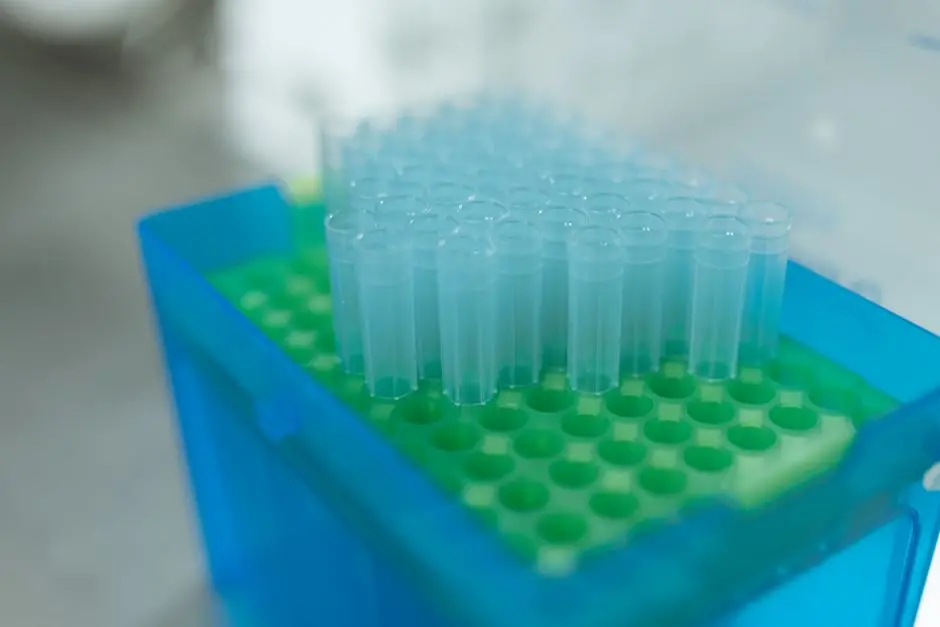
With our foundation set, we move to the precision engineering phase: developing and optimizing the biochemical assay. This is where hypotheses transform into robust, quantifiable experiments. Our primary goal is to establish an assay that is both sensitive and reproducible, capable of discerning subtle changes induced by candidate molecules. We systematically refine every component: substrate concentration, enzyme concentration, cofactors, buffer composition, pH, and temperature. Each parameter holds the key to unlocking optimal assay performance.
A critical metric we rigorously apply is the Z'-factor, a statistical parameter quantifying assay quality. We aim for a Z'-factor > 0.5, ideally > 0.7, indicating an excellent assay with minimal overlap between positive and negative controls. This factor is our unwavering compass for assay robustness and suitability for high-throughput screening (HTS). We meticulously determine enzyme kinetics (Km, Vmax) to ensure we operate in a linear range and maximize sensitivity. We conduct pilot studies with known inhibitors or activators to validate the assay's biological relevance and dynamic range, generating preliminary dose-response curves.
Miniaturization is another strategic consideration. Moving from microtiter plates to nanoliter volumes significantly reduces reagent costs and increases throughput. However, miniaturization introduces new challenges, such as evaporation effects and liquid handling precision. We implement strict quality control measures, including edge effects and plate uniformity checks, to mitigate these risks. We document every step, every adjustment, creating a comprehensive protocol that ensures transferability and consistency across experiments. We engineer an assay that performs flawlessly, day in and day out, ready for the intense demands of large-scale screening.
Navigating the Data Deluge: Analysis, Validation, and Hit Triage
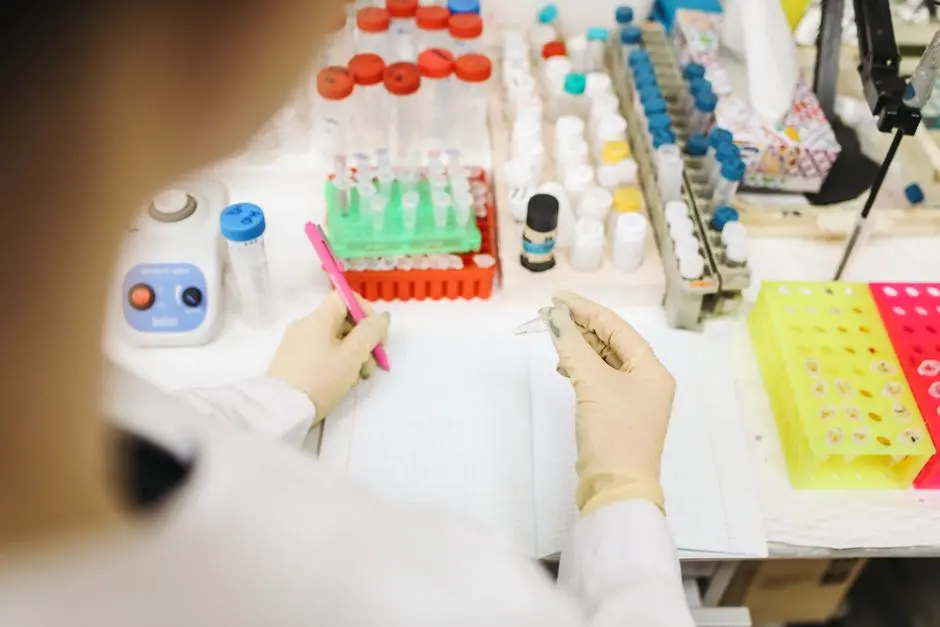
Once screening commences, we confront a deluge of data. Our mission is to transform raw numbers into actionable insights. We initiate data normalization, typically against plate controls (e.g., DMSO for 100% activity, known inhibitor for 0% activity), to account for plate-to-plate variations. We then apply robust statistical analysis to identify primary hits, typically compounds exhibiting a statistically significant deviation from the controls (e.g., > 50% inhibition or activation). We recognize that false positives and negatives are inherent challenges in HTS; our strategy must account for them.
Common Pitfalls and Solutions:
- False Positives: Often caused by compound aggregation, assay interference (fluorescence quenching, light absorption), or compound instability. We deploy counter-screens, orthogonal assays, and microscopic inspection of hit compounds to eliminate these.
- False Negatives: Resulting from suboptimal assay conditions, compound insolubility, or poor compound penetration in cell-based assays. We optimize assay conditions and ensure proper compound solubilization.
Hit triage is a critical process. We prioritize hits based on potency (IC50, EC50), selectivity (against related targets), and chemical tractability. We generate full dose-response curves for all primary hits, moving beyond single-point measurements to establish a true quantitative relationship. Orthogonal validation, using a different assay format or technology to confirm the activity, is indispensable. For instance, a hit from a binding assay might be validated by an enzymatic assay. This multi-pronged approach strengthens our confidence in genuine hit compounds. We relentlessly filter the noise to unearth the true signals of therapeutic potential.
Scaling for Discovery: High-Throughput Principles and Automation
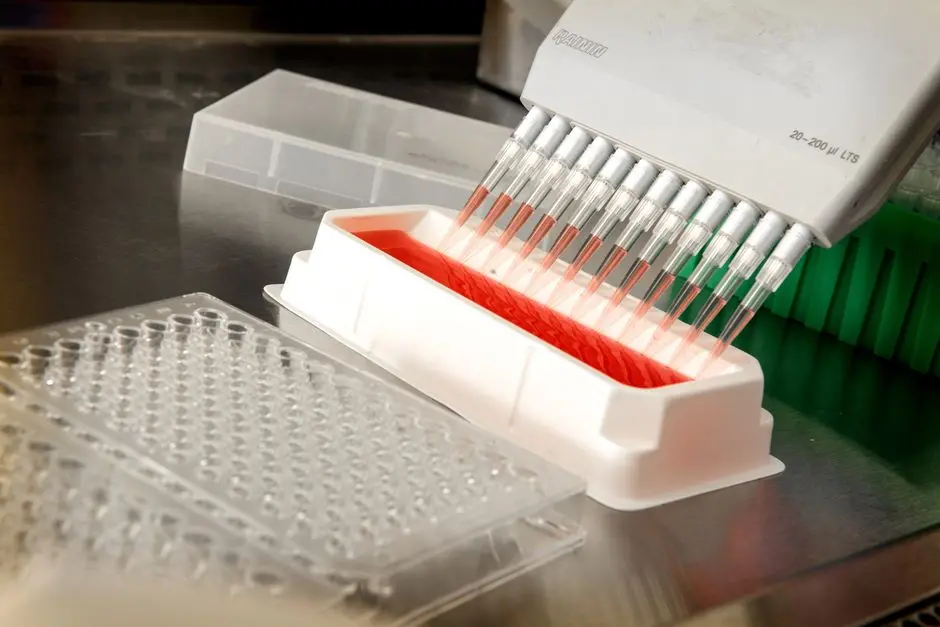
To truly accelerate new molecule discovery, we must embrace the power of high-throughput principles and automation. This scaling phase transforms individual experiments into large-scale screening campaigns capable of testing millions of compounds. Robotics and liquid handling systems become our indispensable allies, executing complex protocols with unparalleled precision and speed. We integrate laboratory information management systems (LIMS) to track every compound, every plate, and every data point, ensuring an unbroken chain of custody and data integrity from compound library to validated hit.
We meticulously design our HTS workflow to minimize manual intervention and maximize efficiency. This involves careful planning of compound plating, reagent addition, incubation times, and signal detection. A crucial consideration is the robustness of our instrumentation: plate readers, automated liquid handlers, and robotic arms must operate flawlessly for extended periods. We implement routine calibration and maintenance schedules to prevent costly downtime and maintain data quality. The sheer volume of data generated by HTS necessitates robust data storage and retrieval systems. We architect scalable solutions that can handle terabytes of information, making it readily accessible for analysis and future reference.
Beyond the technical aspects, we foster a culture of vigilance. Even with automation, human oversight remains vital. We continuously monitor assay performance, looking for trends or deviations that could indicate a problem. We empower our teams with the skills to troubleshoot complex automated systems. Our goal is not merely to automate, but to intelligently scale our discovery efforts, making the impossible possible. We leverage technology to conquer the vast chemical space, bringing us closer to life-changing therapeutics.
Future Frontiers: Integrating Advanced Technologies and Overcoming Challenges
The landscape of biochemical screening continually evolves. We seize opportunities presented by advanced technologies to refine our approach and overcome persistent challenges. The integration of Artificial Intelligence (AI) and Machine Learning (ML) is rapidly transforming hit identification and optimization. These algorithms excel at pattern recognition in vast datasets, predicting compound activity and prioritizing candidates for synthesis and testing. We deploy AI/ML to accelerate hit-to-lead development, streamlining the iterative process of chemical optimization.
We observe a resurgence in phenotypic screening, where we evaluate compounds based on their effect on a cellular or organismal phenotype, rather than a specific molecular target. While more complex in data interpretation (requiring target deconvolution), phenotypic screens offer a powerful route to novel mechanisms of action. We strategically combine target-based and phenotypic approaches to cast a wider net in discovery. Furthermore, organ-on-a-chip technologies are emerging as powerful tools, offering more physiologically relevant screening environments than traditional 2D cell cultures, reducing the reliance on animal models and improving translatability.
Key Challenges We Confront:
- Compound Specificity: Designing assays that truly capture target-specific interactions, minimizing off-target effects.
- Drug Resistance: Developing screens to identify molecules active against resistant strains or mutations.
- Complex Biological Systems: Tackling targets in multi-protein complexes or challenging membrane proteins.
We advocate for an agile and adaptive approach, continuously integrating new methodologies and learning from every experiment. We refuse to be complacent; instead, we push the boundaries of biochemical screening, creating a future where molecule discovery is faster, smarter, and more effective. We build the next generation of screening platforms, driving innovations that reshape medicine.
Key Takeaways
Foundation and Target Definition
Strategically define the biological target and its mechanism. Select the most appropriate assay format (binding, enzymatic, phenotypic) considering sensitivity, throughput, and physiological relevance. Clearly establish desired hit criteria for potency and specificity.
Assay Development and Optimization
Rigorously optimize assay conditions (substrates, enzymes, buffers, pH, temperature). Utilize the Z'-factor (> 0.5) as a key metric for assay robustness. Implement miniaturization strategically and control for associated challenges like evaporation and precision.
Data Analysis and Hit Validation
Perform data normalization and statistical analysis to identify primary hits. Employ counter-screens and orthogonal assays to eliminate false positives. Prioritize hits based on potency (IC50/EC50), selectivity, and chemical tractability, validating with full dose-response curves.
Automation and High-Throughput Scaling
Integrate robotics, liquid handlers, and LIMS for efficient high-throughput screening. Design workflows to maximize automation and minimize manual intervention. Implement robust data storage and retrieval systems, alongside continuous monitoring of assay performance.
Future Trends and Challenges
Embrace advanced technologies like AI/ML for hit identification and optimization. Explore phenotypic screening and organ-on-a-chip models for enhanced biological relevance. Address challenges such as compound specificity, drug resistance, and complex biological targets with an agile, adaptive approach.
FAQ
-
What is the most critical factor for a successful biochemical screening experiment?
The most critical factor is the development of a robust and highly sensitive assay with a high Z'-factor (> 0.5), accurately reflecting the target's biology. Without a reliable assay, subsequent screening efforts will yield unreliable data and false leads, wasting resources and delaying discovery.
-
How do we differentiate true hits from false positives in HTS?
We employ a multi-step hit validation strategy. This includes generating full dose-response curves, performing orthogonal assays (using a different detection method or principle), and conducting counter-screens to identify and eliminate compounds that interfere with the assay reagents or readout (e.g., aggregators, fluorescent compounds).
-
What role does automation play in modern biochemical screening?
Automation is pivotal for modern biochemical screening, enabling high-throughput testing of millions of compounds with precision and efficiency. It significantly reduces human error, accelerates the screening process, and lowers reagent costs through miniaturization, making large-scale discovery campaigns feasible.