
> Regulations and Bioethics > Ethics in Animal Research > Champion Non-Animal Testing: Accelerating Ethical Scientific Discovery
Champion Non-Animal Testing: Accelerating Ethical Scientific Discovery
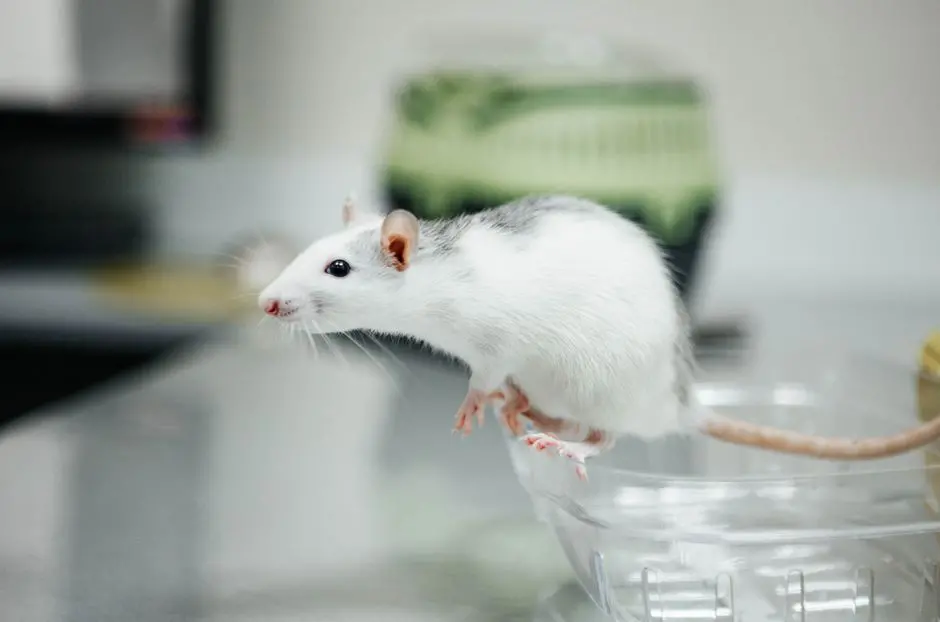
The landscape of scientific discovery is undergoing a profound metamorphosis, driven by an unyielding pursuit of both innovation and integrity. For decades, animal testing has been a cornerstone of biomedical research and product safety, yet its ethical implications and scientific limitations increasingly challenge our progress. We stand at the precipice of a new era, one where the promise of non-animal testing methods redefines the very fabric of scientific inquiry.
These advanced approaches, ranging from sophisticated
in vitro
models to cutting-edge computational simulations, offer unparalleled precision, human relevance, and ethical congruence. This article will illuminate the multifaceted benefits of embracing these alternatives, charting a course towards research that is not only more humane but also scientifically superior. We will dissect the compelling arguments, from enhanced predictive accuracy in human physiology to the accelerating pace of discovery, providing a strategic blueprint for their integration. Prepare to unlock a future where scientific rigor and ethical responsibility converge, optimizing research outcomes and fostering a deeper understanding of biology without compromising compassion. This transformative shift aligns seamlessly with evolving societal expectations and robust ethical frameworks, reinforcing the critical need for a thorough understanding of the overarching regulations and ethical principles guiding animal experimentation.
Embracing the Ethical Imperative: Redefining Research Paradigms
We embark on a pivotal journey to reshape the very foundation of biological and biomedical research. For too long, animal models have served as the default, a legacy deeply ingrained in scientific practice. Yet, the ethical quandaries surrounding animal welfare—sentience, suffering, and the inherent value of life—have intensified, prompting a critical reassessment. The '3Rs' principle—Replace, Reduce, Refine—has emerged not merely as a guideline but as an urgent call to action, compelling us to seek superior alternatives that eliminate or minimize animal use.
Beyond ethics, the scientific limitations of traditional animal testing are increasingly undeniable. We confront species-specific differences, which often lead to poor translation of research findings from animals to humans. A drug effective in a mouse might fail dramatically in human trials, costing billions and years of research. This translational gap underscores an inefficiency we can no longer afford. Moreover, the maintenance of animal facilities is resource-intensive, demanding significant financial investment and highly specialized personnel. Non-animal methods directly address these core challenges by offering platforms that are not only ethically congruent but also scientifically more relevant to human biology. We forge a path where compassion and scientific excellence are not mutually exclusive, but rather synergistic forces driving profound discovery.
Harnessing Human Relevance: Superior Predictivity and Biological Accuracy
We unleash the power of human-centric models to achieve unparalleled precision and predictive accuracy in biological research. This represents a monumental leap forward, moving beyond the often-misleading data generated from animal models. Imagine studying human disease directly on human cells, tissues, or even 'organ-on-a-chip' systems—microphysiological platforms engineered to mimic the intricate functions of human organs. These
in vitro
andex vivo
models provide direct insights into human physiology, metabolism, and pathology, circumventing the interspecies variability that plagues animal studies.The benefits are profound: enhanced drug efficacy prediction, more accurate toxicity screening, and a deeper mechanistic understanding of disease progression. These advanced systems offer superior reproducibility, allowing for standardized experiments and reducing the variability often observed in animal trials. Furthermore, they facilitate high-throughput screening, enabling researchers to test thousands of compounds rapidly and efficiently, a scale impossible with animal models. This accelerates the pace of drug discovery and development, bringing life-saving therapies to patients faster. We are not just replacing animals; we are elevating the scientific rigor and relevance of our research, delivering data that is genuinely applicable to human health and propelling bio-optimization to its true potential.

Pioneering Advanced Methodologies: The Arsenal of Alternatives
We ignite innovation with an ever-expanding arsenal of non-animal technologies, each a testament to human ingenuity and the relentless pursuit of scientific excellence. These cutting-edge methodologies are not merely substitutes; they are transformative tools opening new frontiers in biological understanding. Consider
organoids
, self-organizing 3D structures derived from stem cells that faithfully recapitulate the architecture and function of human organs like the brain, gut, or liver. They allow us to study complex processes, disease mechanisms, and drug responses in a physiologically relevant context.Then there's
3D bioprinting
, which enables the creation of complex tissue constructs with precise cellular arrangements, revolutionizing tissue engineering and regenerative medicine.Computational toxicology
andin silico
microfluidic devices
andCRISPR-edited cell lines
, offer robust platforms for disease modeling, personalized medicine, and high-content screening. These technologies mimic the complexity of the human body, providing nuanced insights into disease mechanisms and therapeutic targets. We are not simply avoiding animal use; we are building superior research tools that propel us into an era of truly predictive and personalized biology.Integrating Innovation: From Bench to Regulatory Acceptance
We navigate the landscape of regulatory pathways, transforming scientific breakthroughs into widely accepted practices. The journey from innovative method to regulatory approval is critical for widespread adoption. We observe significant progress globally: the US FDA Modernization Act 2.0, for instance, explicitly allows for the use of non-animal testing methods for drug development, signaling a seismic shift in federal policy. Similarly, the European Union’s REACH regulation continues its drive to replace animal testing where alternatives are available, and international bodies like the OECD are actively developing and validating guidelines for these new approaches.
However, the transition requires strategic effort. Validation processes, ensuring the reliability and relevance of new methods, are paramount. We champion collaboration between academia, industry, and regulatory agencies to streamline these processes, fostering transparent data sharing and mutual trust. Overcoming initial investment costs for advanced equipment and specialized training for personnel are surmountable challenges. The long-term economic benefits, including reduced costs associated with animal housing, husbandry, and the high failure rate of animal-tested compounds in human trials, far outweigh these initial hurdles. By proactively engaging with regulatory science and demonstrating the robustness of non-animal methods, we accelerate their integration, securing a future where ethical innovation is the norm, not the exception.

Forging the Future: A Blueprint for Ethical Bio-Innovation
We sculpt the future of biology, actively building a research ecosystem founded on human relevance, ethical responsibility, and accelerated discovery. The paradigm shift towards non-animal testing methods is not merely an incremental change; it is a fundamental redefinition of scientific exploration. We must embrace this transformation with vigor, recognizing its potential to deliver safer products, more effective therapies, and a deeper understanding of human health.
Our blueprint for this bio-optimized future hinges on several critical pillars: intensified investment in research and development of next-generation non-animal technologies, fostering interdisciplinary collaboration across toxicology, engineering, biology, and data science, and robust educational initiatives to equip the next generation of scientists with these advanced skill sets. Public education is equally vital, building trust and demonstrating the superior scientific and ethical merits of these approaches. This collective effort will dismantle persistent barriers, solidify regulatory acceptance, and ensure a seamless integration of these methods into scientific practice worldwide. By prioritizing innovative, human-centric approaches, we not only uphold the highest ethical standards but also unlock unprecedented avenues for scientific progress, truly making health futurist, exact, and exhilarating for all.
Key Takeaways
Ethical Imperative
Non-animal methods eliminate animal suffering, align research with evolving ethical standards, and address public concern, moving towards a more humane scientific landscape.
Scientific Advancement
These methods offer superior human relevance and predictive accuracy through advanced models like organ-on-a-chip, reducing translational failures and accelerating scientific discovery.
Technological Innovation
Pioneering technologies such as organoids, 3D bioprinting, and sophisticated
in silico
models provide unprecedented tools for understanding complex biological systems and drug interactions.Regulatory Integration
Global regulatory bodies are increasingly accepting and promoting non-animal testing, with new legislation and validation guidelines facilitating their widespread adoption into scientific practice.
Future of Bio-Optimization
Embracing non-animal methods drives a paradigm shift towards a more efficient, cost-effective, and sustainable research ecosystem, fostering innovation and public trust in science for a healthier future.
FAQ
-
What defines non-animal testing methods?
Non-animal testing methods encompass advanced scientific techniques that replicate biological processes and disease states without using live animals. These include
in vitro
cell cultures, organoids, microphysiological systems (MPS or 'organ-on-a-chip'), computational models (in silico
), and human-based studies. -
Do non-animal methods offer superior accuracy compared to traditional animal tests?
Absolutely. Non-animal methods, particularly those based on human cells and tissues, often provide more human-relevant data. This leads to higher predictability for human responses, reducing the risk of translational failures commonly observed with animal models due to species differences.
-
What are the primary ethical advantages of these alternatives?
The core ethical benefit lies in eliminating animal suffering and upholding the intrinsic value of life by replacing, reducing, and refining the use of animals in research. This aligns scientific inquiry with evolving societal ethical standards and public concern for animal welfare.
-
What regulatory progress is being made to accept and integrate non-animal testing?
Significant progress is underway globally. Legislation like the US FDA Modernization Act 2.0 explicitly allows non-animal methods for drug development. The EU's REACH regulation drives for replacement, and international bodies such as the OECD are developing robust guidelines for validating these innovative approaches.
-
How can researchers effectively transition to adopting non-animal testing methodologies?
We advocate a multi-pronged strategy: investing in specialized training, fostering interdisciplinary collaboration, securing dedicated funding for advanced technologies, engaging proactively with regulatory bodies for early validation, and transparently sharing successful case studies to build confidence and accelerate widespread adoption.