
> Regulations and Bioethics > Ethics in Animal Research > Unleash Innovation: Pioneering Alternatives to Animal Testing
Unleash Innovation: Pioneering Alternatives to Animal Testing
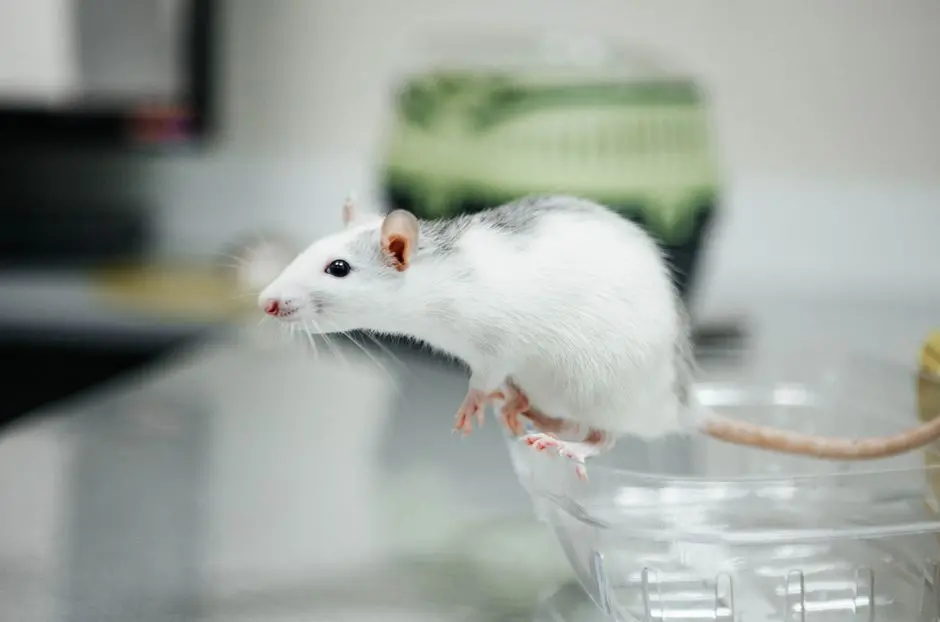
The quest for scientific advancement confronts a profound ethical crossroads. As researchers, we face the imperative to rigorously test new therapies and products while upholding the highest standards of compassion. Animal testing, long a cornerstone of biomedical research, increasingly yields to a paradigm shift driven by ethical mandates, scientific limitations, and technological breakthroughs. This detailed article navigates the landscape of alternatives to animal testing, unveiling the cutting-edge methodologies poised to redefine our approach to scientific inquiry.
We embark on an exploration that transcends traditional boundaries, revealing how in vitro systems, computational models, and advanced non-animal methods are not merely substitutes but often superior tools for understanding complex biological processes and predicting human responses. Prepare to delve into the intricate world of bioengineering, artificial intelligence, and human-relevant models that are rapidly gaining traction and regulatory acceptance. Understanding these innovations is crucial for every professional engaged with the ethical imperatives and stringent regulatory frameworks that govern animal experimentation. This comprehensive resource empowers you with the knowledge to champion and integrate these transformative alternatives, forging a future where scientific excellence and ethical responsibility converge.
The Imperative for Transformation: Beyond the 'Why' of Alternatives
Our journey into alternatives to animal testing begins not with a question of 'if,' but 'how quickly' we can embrace this evolution. The traditional reliance on animal models, while historically significant, presents inherent challenges. We contend with species-specific differences that can hinder the translation of findings to human physiology, leading to costly failures in clinical trials. Ethical considerations, galvanized by public and scientific communities, demand a proactive commitment to the 3Rs principle: Replace, Reduce, Refine. Replacing animals entirely, reducing their numbers, and refining experimental procedures to minimize suffering are not just moral aspirations; they are scientific imperatives propelling us towards more accurate, efficient, and humane research methodologies.
Beyond ethics and scientific accuracy, economic drivers accelerate this shift. Developing and housing animal facilities are resource-intensive endeavors. Alternatives often present pathways to significantly lower costs and faster data generation, streamlining the drug discovery and development pipeline. Furthermore, stringent regulatory landscapes worldwide increasingly scrutinize animal use, favoring validated non-animal methods. Ignoring this trajectory is a strategic oversight. We must proactively invest in these innovations, fostering a culture where ethical responsibility and cutting-edge science are inextricably linked. The time for incremental change has passed; we now forge a revolutionary path.
In Vitro Revolution: Harnessing Cell and Tissue-Based Models
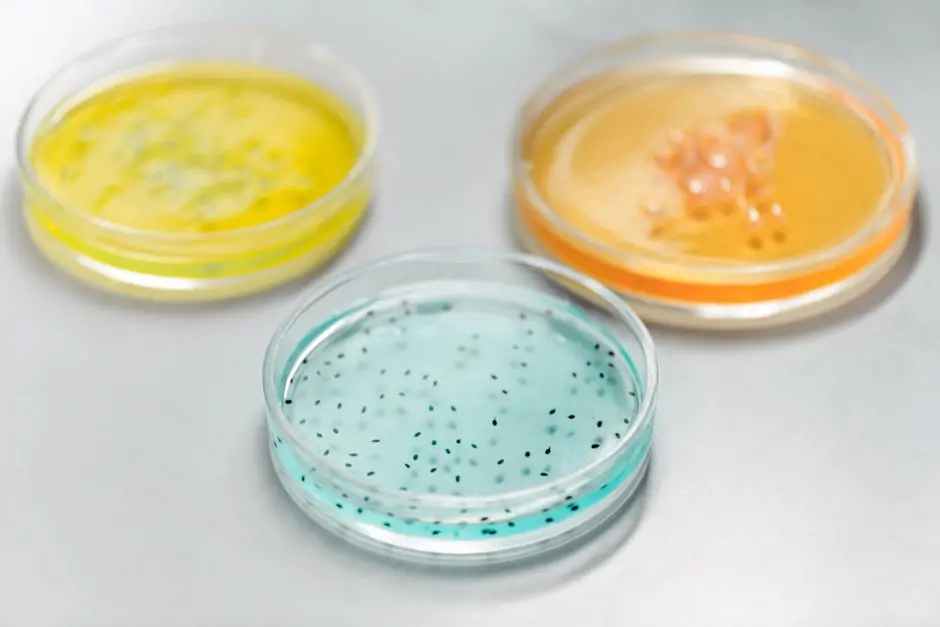
The in vitro revolution is fundamentally reshaping our capacity to study biological processes with unprecedented precision and human relevance. At its core are advanced cell and tissue-based models, engineered to mimic human physiology outside a living organism. Organ-on-a-chip technology stands as a vanguard here, creating microphysiological systems (MPS) that replicate the structural and functional complexities of human organs – from liver and kidney to lung and brain. These micro-devices integrate living cells with microfluidics, simulating blood flow, mechanical forces, and tissue-tissue interfaces, offering a dynamic environment far superior to traditional static 2D cell cultures.
We also leverage 3D cell cultures, such as spheroids and organoids, derived from induced pluripotent stem cells (iPSCs) or primary human tissues. Organoids, self-organizing 3D structures, recapitulate the architecture and function of their in vivo counterparts, providing powerful platforms for disease modeling, drug screening, and personalized medicine. High-throughput screening (HTS) combined with robotics further accelerates this process, allowing for the rapid evaluation of thousands of compounds on these sophisticated models. While the complexity of integrating multiple organ systems remains a challenge, these in vitro systems offer unparalleled insight into human biology, minimizing species extrapolation and pushing the boundaries of ethical and effective research.

In Silico Foresight: Powering Research with Computational and AI Approaches
The digital frontier of 'in silico' modeling unlocks extraordinary capabilities for predicting biological outcomes, dramatically reducing the need for physical experimentation. Quantitative Structure-Activity Relationships (QSAR) are foundational, correlating chemical structures with their biological activities or toxicities. By analyzing existing data, QSAR models predict the properties of novel compounds before they are synthesized, saving immense time and resources. This predictive power extends to molecular docking and pharmacophore modeling, which simulate how drugs interact with specific biological targets at a molecular level, guiding rational drug design.
We stand at the precipice of an AI-driven transformation. Machine learning algorithms, trained on vast datasets of chemical, biological, and toxicological information, now predict everything from drug efficacy to potential adverse effects with astonishing accuracy. AI can identify patterns invisible to the human eye, accelerating target identification, lead optimization, and toxicology assessment. Systems biology modeling further integrates these computational tools, creating holistic simulations of complex biological networks and disease pathways. While data quality and model validation remain crucial, these in silico approaches offer an ethical, cost-effective, and remarkably swift avenue for discovery. We actively deploy these digital assets to refine our understanding and accelerate innovation.

Advanced Non-Animal Models and Emerging Technologies: Diversifying Our Arsenal
Our toolkit for ethical research extends beyond in vitro and in silico, embracing a diverse array of advanced non-animal models and emerging technologies that offer unique insights. Human clinical microdosing studies represent a paradigm shift, involving the administration of ultra-low drug doses to human volunteers, too small to cause pharmacological effects but sufficient for sensitive analytical detection. This approach safely gathers critical pharmacokinetic data in humans early in development, bypassing extensive animal toxicology for initial human exposure assessments.
Advanced imaging techniques such as MRI (Magnetic Resonance Imaging) and PET (Positron Emission Tomography) are increasingly employed in human volunteers and patients, providing non-invasive, real-time data on drug distribution, metabolism, and therapeutic effects. Epidemiological studies, by analyzing human populations, provide invaluable real-world data on disease patterns and risk factors, complementing experimental research. Furthermore, ex vivo models, utilizing human tissues obtained from biopsies or surgeries, allow for direct study of human cellular and tissue responses. Robotics and automation are also transforming lab efficiency, reducing manual error and enabling high-throughput experimentation across all these alternative platforms. These diverse technologies fortify our commitment to human-relevant research without reliance on animal testing.

Validation, Regulatory Acceptance, and the Collaborative Path Forward
The true impact of alternative methods hinges on rigorous validation and subsequent regulatory acceptance. We understand that novel methods must demonstrate reliability, reproducibility, and relevance to human biology comparable to, or exceeding, traditional animal tests. International bodies like the OECD (Organisation for Economic Co-operation and Development) develop and promote guidelines for validating these new test methods, ensuring global harmonization and acceptance. Key regulatory agencies such as the FDA (U.S. Food and Drug Administration), EMA (European Medicines Agency), and EPA (U.S. Environmental Protection Agency) are actively adapting their frameworks to incorporate validated non-animal methods, often through initiatives like EURL ECVAM (European Union Reference Laboratory for Alternatives to Animal Testing).
The path to widespread adoption is inherently collaborative, requiring seamless engagement between academia, industry, and regulatory bodies. A common error is approaching validation in isolation; successful integration demands early and continuous dialogue with regulators. Best practices include participating in inter-laboratory validation studies, transparent data sharing, and developing integrated testing strategies (ITS) that combine multiple alternative methods to provide comprehensive safety assessments. We champion these multi-stakeholder partnerships to accelerate the scientific rigor and regulatory confidence required for mainstream adoption of these transformative alternatives, collectively shaping a future where ethical research is standard practice.

Strategic Integration: Forging a Blueprint for Ethical and Efficient Research
Integrating alternatives to animal testing into mainstream research and development pipelines requires a strategic, forward-thinking blueprint. We must move beyond piecemeal adoption and forge a comprehensive framework. This commences with significant investment in advanced infrastructure – state-of-the-art cell culture facilities, high-performance computing, and specialized automation. Equally critical is a robust commitment to training and upskilling our scientific workforce in areas such as advanced cell biology, bioinformatics, and microfluidics. Our goal is to cultivate a new generation of experts proficient in these groundbreaking methodologies.
Fostering a culture of innovation and ethical responsibility within organizations is paramount. This includes incentivizing the development and application of alternatives, recognizing that initial upfront investments yield substantial long-term returns in terms of scientific accuracy, speed, cost-effectiveness, and public trust. Economic implications are favorable: while startup costs can be present, the efficiency gains and reduced risks associated with human-relevant data often translate to a stronger return on investment (ROI). Finally, public engagement and transparent communication about these ethical advancements are vital to build societal confidence. We actively forge these strategies, ensuring that our research remains at the forefront of scientific excellence and unwavering ethical standards.
Key Takeaways
Ethical and Scientific Imperative for Change
The shift from animal testing is driven by profound ethical concerns, the scientific limitations of species extrapolation, and escalating regulatory and public demand. The 3Rs principle—Replace, Reduce, Refine—is the guiding framework, emphasizing both moral responsibility and the pursuit of more accurate, human-relevant research methods.
Revolutionary In Vitro Models
Advanced cell and tissue-based models like Organ-on-a-chip, 3D cell cultures (spheroids, organoids), and human-derived iPSCs are transforming research. These systems mimic human physiology with high fidelity, enabling faster, more relevant testing, especially when combined with high-throughput screening technologies.
Power of In Silico and AI Approaches
Computational models (QSAR, molecular docking) and artificial intelligence (machine learning for toxicology and drug discovery) offer powerful predictive capabilities. These 'in silico' methods allow for rapid, cost-effective screening and analysis, reducing the need for physical experimentation and accelerating drug development ethically.
Diverse Non-Animal Technologies
The toolkit includes human clinical microdosing for early human pharmacokinetic data, advanced imaging techniques (MRI, PET) in volunteers, epidemiological studies for real-world data, and ex vivo models using human tissues. Robotics further enhance efficiency across these diverse alternative platforms.
Validation and Regulatory Acceptance
Widespread adoption requires rigorous validation (e.g., OECD guidelines) and regulatory acceptance by agencies like the FDA and EMA. Collaboration between academia, industry, and regulators is crucial for developing and integrating validated alternative methods into standard practice and ensuring global harmonization.
FAQ
-
Are alternative methods always more ethical than animal testing?
Yes, fundamentally, the primary driver for developing alternatives is to replace or reduce animal use, thereby addressing ethical concerns regarding animal welfare. While no method is without its ethical considerations (e.g., sourcing human tissues), alternatives are explicitly designed to minimize or eliminate harm to sentient beings, aligning with stronger ethical principles in scientific research.
-
How long does it typically take for a new alternative method to gain full regulatory acceptance?
The timeline for regulatory acceptance can vary significantly, often spanning several years. It involves a multi-stage process of development, pre-validation, independent validation studies (e.g., by ECVAM or NICEATM), peer review, and ultimately, the endorsement and adoption by regulatory bodies. Factors like method complexity, scientific robustness, and the availability of clear performance standards influence this timeframe.
-
Are alternatives to animal testing always more expensive to implement?
Initial implementation of some advanced alternative technologies (e.g., organ-on-a-chip platforms, high-performance computing for AI) can require significant upfront investment in equipment and specialized training. However, in the long term, alternatives often prove more cost-effective due to reduced expenses for animal acquisition, housing, and care, faster data generation, and potentially lower rates of late-stage drug failures due to improved human relevance.
-
What are the main scientific challenges in developing and adopting alternative methods?
Key challenges include accurately mimicking the full complexity of human physiology and disease within in vitro or in silico models, ensuring the robustness and reproducibility of these models across different labs, and rigorously validating their predictivity for human outcomes. Bridging the gap between the controlled environment of alternative tests and the systemic complexity of a living organism remains a significant hurdle, though advancements are rapidly closing this gap.