
> Regulations and Bioethics > Ethics in Animal Research > Elevate Animal Research: Master the 3Rs for Ethical Science
Elevate Animal Research: Master the 3Rs for Ethical Science
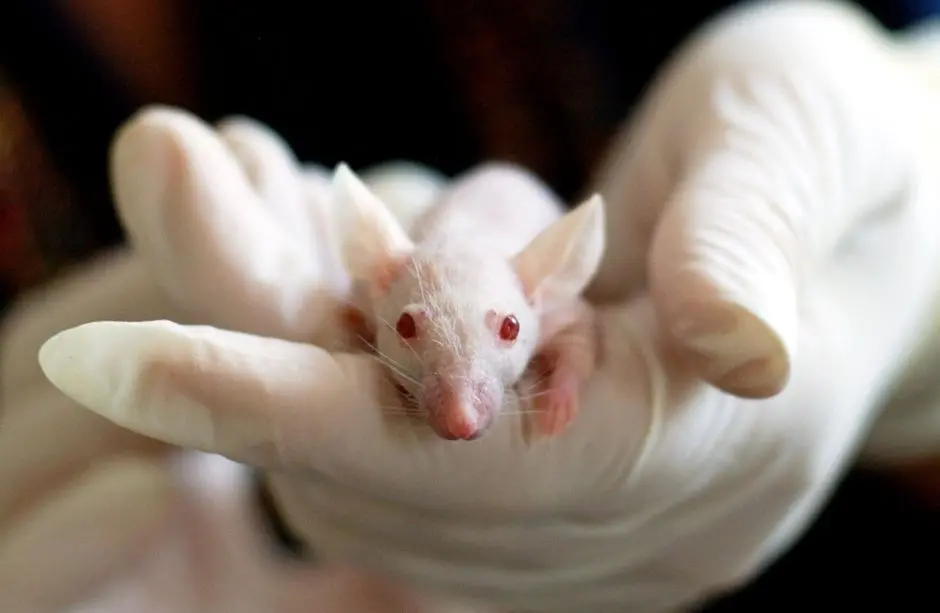
Animal research, a cornerstone of biomedical advancement, propels our understanding of disease and fuels innovation in treatments. Yet, its inherent ethical complexities demand rigorous oversight and a steadfast commitment to minimizing harm. We stand at a critical juncture where scientific progress must harmonize with profound ethical responsibility. This article dissects the transformative power of the 3Rs principle – Replacement, Reduction, and Refinement – revealing how these pillars not only elevate animal welfare but also sharpen the scientific integrity of experimentation.
We unveil the strategic methodologies that redefine the landscape of ethical animal studies, ensuring every scientific endeavor aligns with paramount moral standards and yields robust, reproducible data. Prepare to revolutionize your approach to animal research, forging a future where breakthrough discoveries are synonymous with uncompromised ethics and scientific excellence. Dive into the core strategies for effective ethical conduct in animal experimentation, understanding their profound impact.

Forge the Ethical Bedrock: Understanding the 3Rs Principle
We embark on a vital exploration of the 3Rs principle, a foundational paradigm that revolutionized ethical animal experimentation. Conceived by William Russell and Rex Burch in their seminal 1959 work, 'The Principles of Humane Experimental Technique,' the 3Rs – Replacement, Reduction, and Refinement – establish a robust framework for responsible research. This framework is not merely a guideline; it is an imperative, driving both ethical conduct and scientific excellence. Historically, the advent of the 3Rs confronted a scientific landscape often devoid of standardized ethical considerations for animal subjects. Their proposal ignited a global movement towards accountability and compassion within laboratories.
Today, regulatory bodies worldwide, including the European Union through Directive 2010/63/EU and the United States via its Animal Welfare Act and Public Health Service Policy, mandate the implementation of the 3Rs. These principles demand more than superficial adherence; they compel researchers to integrate ethical thinking at every stage of experimental design and execution. We recognize that these three pillars are interdependent, forming a cohesive strategy where advancements in one area often facilitate progress in others. Understanding this interconnectedness forms the bedrock upon which we build truly ethical and scientifically sound animal research. We champion a research culture where the pursuit of knowledge never compromises our duty to animal welfare, cementing the 3Rs as the cornerstone of our endeavors.
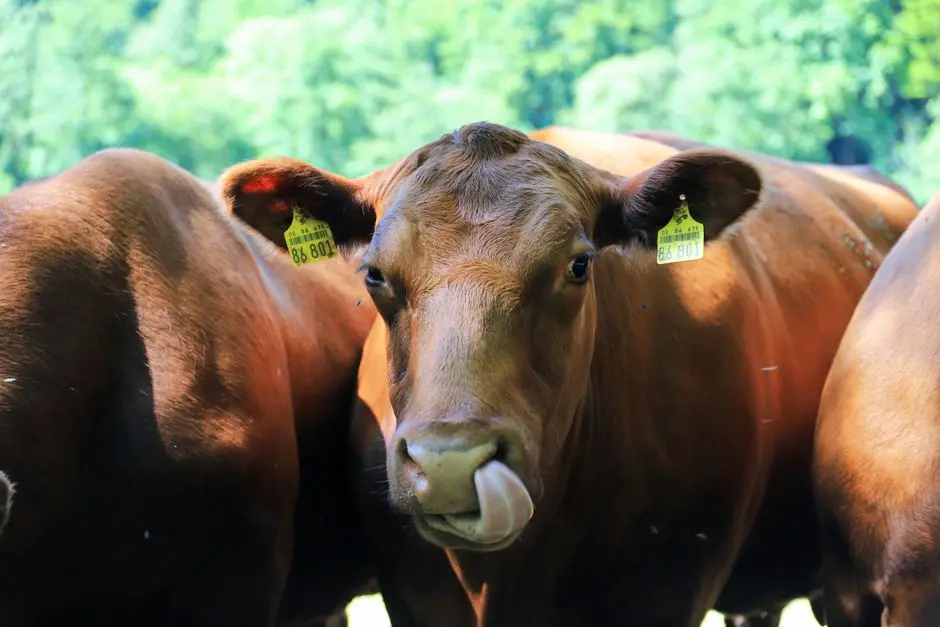
Refine Protocols: Elevating Animal Well-being for Superior Science
Refinement stands as the cornerstone of immediate animal welfare improvement within research settings. We relentlessly pursue strategies to minimize pain, suffering, distress, and lasting harm in animals utilized for scientific purposes. This encompasses every aspect of an animal's life cycle within the laboratory, from housing conditions to post-procedural care. Our focus begins with advanced pain management protocols, ensuring that appropriate analgesia and anesthesia are always administered, not as an afterthought, but as an integral component of any invasive procedure. We implement environmental enrichment programs, providing species-appropriate stimuli that promote natural behaviors, reduce stress, and enhance overall psychological well-being.
Consider, for instance, providing nesting material for rodents, perches for birds, or complex social groupings for primates. Furthermore, we champion habituation and positive reinforcement training, preparing animals for procedures through gentle handling and desensitization, thereby reducing fear and anxiety. Implementing humane endpoints is crucial; we establish clear criteria for intervention or euthanasia before an animal experiences severe or prolonged suffering, a testament to our proactive ethical stance. The scientific dividend is undeniable: animals experiencing less stress exhibit more stable physiological parameters, leading to data that are more reproducible, less variable, and ultimately, more scientifically robust. We optimize animal welfare not just for ethical reasons, but to forge stronger, more reliable scientific outcomes.

Reduce Numbers: Strategic Design for Potent, Leaner Studies
Reduction challenges us to achieve comparable or even superior scientific objectives using fewer animals. This imperative drives us to meticulous experimental design, where statistical rigor becomes our most potent ally. We initiate every study with a thorough power analysis, a critical step that determines the minimum sample size required to detect a statistically significant effect. This approach prevents both underpowered studies, which waste animal lives without yielding meaningful results, and overpowered studies, which utilize more animals than necessary. We advocate for advanced statistical methodologies that extract maximum information from each animal, embracing techniques like repeated measures designs, where individual animals serve as their own controls over time.
Moreover, we leverage non-invasive imaging technologies, such as MRI or PET scans, enabling longitudinal studies on the same animal, dramatically reducing the total number of animals required for developmental or progression research. The sharing of control data and biological materials across institutions prevents unnecessary duplication of studies, a crucial step in global reduction efforts. We explore the judicious use of historical control data, where appropriate and scientifically justified, to benchmark new experimental groups without requiring fresh control cohorts. Our commitment to Reduction elevates scientific efficiency and ethical stewardship, ensuring every animal contributes maximally to our collective understanding while minimizing overall use. We optimize our research footprint, not just for ethics, but for impactful science.
Replace Models: Pioneering Alternatives for Future-Forward Research
Replacement represents the pinnacle of the 3Rs, urging us to completely substitute live animal models with non-sentient alternatives whenever scientifically feasible. This ambition propels significant innovation across biology and biotechnology. We invest heavily in the development and validation of in vitro models, utilizing cell cultures, tissue engineering, and induced pluripotent stem cells to create increasingly complex biological systems. Consider the advancements in organoids – miniature, self-organizing 3D tissue cultures that mimic the structure and function of full organs, offering unprecedented insights into human disease without recourse to animal subjects. Further, microfluidic 'organ-on-a-chip' devices replicate the physiological functions and mechanical microenvironment of human organs, enabling drug toxicity testing and disease modeling with remarkable precision.
Beyond biological systems, in silico modeling leverages computational power, artificial intelligence, and machine learning to simulate biological processes and predict outcomes, reducing the need for preliminary animal testing. We also explore the use of less sentient organisms, such as invertebrates like insects or worms, where appropriate for specific research questions. While full replacement for all research areas remains a long-term goal due to the complexity of whole-organism interactions, we actively champion its continuous pursuit. These alternative methods often provide more human-relevant data, accelerating translation from bench to bedside. We forge this ethical frontier, unlocking new scientific avenues that are both humane and highly effective.

Implement the 3Rs: Navigating Challenges and Driving Progress
Implementing the 3Rs effectively requires more than just knowing the principles; it demands a proactive, integrated strategy across the entire research ecosystem. We recognize the central role of institutional animal care and use committees (IACUCs or their international equivalents, like ethical review bodies) in scrutinizing protocols to ensure stringent adherence to the 3Rs. These committees, comprised of veterinarians, scientists, and community representatives, actively challenge researchers to demonstrate comprehensive application of replacement, reduction, and refinement strategies. A cornerstone of successful implementation is continuous researcher training. We equip our scientific teams with the latest knowledge in experimental design, statistical analysis, animal welfare science, and alternative methodologies.
This fosters a 'culture of care' where ethical considerations are ingrained, not imposed. We confront common challenges head-on: the initial perceived complexity or cost of adopting new alternative methods, the resistance to modifying established protocols, or the sheer lack of awareness regarding novel 3Rs tools. Our strategy involves dedicated funding for 3Rs research and development, fostering collaboration between different scientific disciplines, and promoting transparent reporting of methods and results to avoid redundant studies. We drive progress through multidisciplinary workshops, open-access resources, and peer-to-peer mentorship. We solidify the 3Rs as an indispensable component of high-quality scientific inquiry, ensuring that ethical advancement progresses hand-in-hand with scientific discovery.
Key Takeaways
The 3Rs Foundation: Ethical and Scientific Imperative
The principles of Replacement, Reduction, and Refinement, introduced by Russell & Burch in 1959, form the indispensable ethical and scientific framework for modern animal experimentation. They guide responsible research, ensuring humane treatment and driving high-quality, reproducible outcomes.
Refinement: Elevating Welfare, Sharpening Data
Refinement focuses on minimizing pain, distress, and suffering in animals through advanced pain management, environmental enrichment, and humane handling. This commitment to animal well-being directly improves data reliability by reducing stress-induced confounding variables.
Reduction: Maximizing Information, Minimizing Animals
Reduction compels us to use the fewest animals necessary to achieve statistically significant results. This involves rigorous experimental design, power analysis, data sharing, non-invasive longitudinal studies, and judicious use of historical controls, enhancing both efficiency and ethics.
Replacement: Pioneering Non-Animal Alternatives
Replacement champions the use of non-animal models, such as in vitro cell cultures, organoids, organ-on-a-chip technologies, and in silico simulations. This ethical frontier not only reduces animal use but often provides more human-relevant data, accelerating discovery.
Integrated Implementation: Driving Progress
Successful 3Rs application demands institutional commitment, continuous researcher training, and robust ethical review by bodies like IACUCs. Overcoming challenges requires dedicated funding, interdisciplinary collaboration, and transparent reporting to advance both ethical standards and scientific excellence.
FAQ
-
What are the primary misconceptions about the 3Rs principle?
Many view the 3Rs as solely a burden or a compromise on scientific rigor. In reality, they are an integral part of high-quality science. They enhance data validity by minimizing stress-induced variables and foster innovation in research methodologies. The 3Rs are not about halting animal research but about conducting it ethically and effectively, ultimately leading to more robust and reliable scientific outcomes.
-
How do regulatory bodies enforce the 3Rs globally?
Enforcement varies but typically involves a combination of legal frameworks (e.g., EU Directive 2010/63/EU, Animal Welfare Act in the US), institutional ethical review committees (like IACUCs or AWERBs), and funding body requirements. These bodies critically review research protocols, conduct regular inspections of animal facilities, and ensure mandatory researcher training and compliance with established guidelines. Non-compliance often results in significant penalties or cessation of research activities.
-
Does applying the 3Rs slow down scientific discovery?
On the contrary, the 3Rs often accelerate discovery. By demanding more rigorous experimental design (Reduction), fostering animal well-being (Refinement, leading to less variable data), and pioneering new human-relevant models (Replacement), the 3Rs drive more efficient, reliable, and translatable research. This strategic approach minimizes wasted resources, speeds up data analysis, and can lead to faster translation of findings to human applications.