
> Regulations and Bioethics > Ethics in Animal Research > Rigorous Oversight: Ethics Committees & Animal Experimentation
Rigorous Oversight: Ethics Committees & Animal Experimentation

Unleashing scientific breakthroughs demands unwavering ethical vigilance, especially when animal lives are at stake. The meticulous scrutiny of animal experiments by ethics committees stands as a bedrock of responsible research, ensuring that scientific progress aligns with profound moral obligations. We delve deep into the intricate mechanisms these committees employ, dissecting their methodologies to optimize both scientific rigor and animal welfare. This journey reveals how every research proposal undergoes a transformative gauntlet, from initial submission to final approval, scrutinizing every facet of experimental design.
We illuminate the critical checkpoints and decision-making frameworks that define this essential oversight, forging a pathway towards truly ethical and impactful biological discovery. Understanding this process is paramount for every researcher, institution, and policy-maker dedicated to upholding the highest standards of scientific integrity and compassionate treatment, deeply rooted in the ethical and regulatory principles governing animal experimentation. Join us as we unlock the secrets behind robust ethical review, transforming potential into responsible innovation.
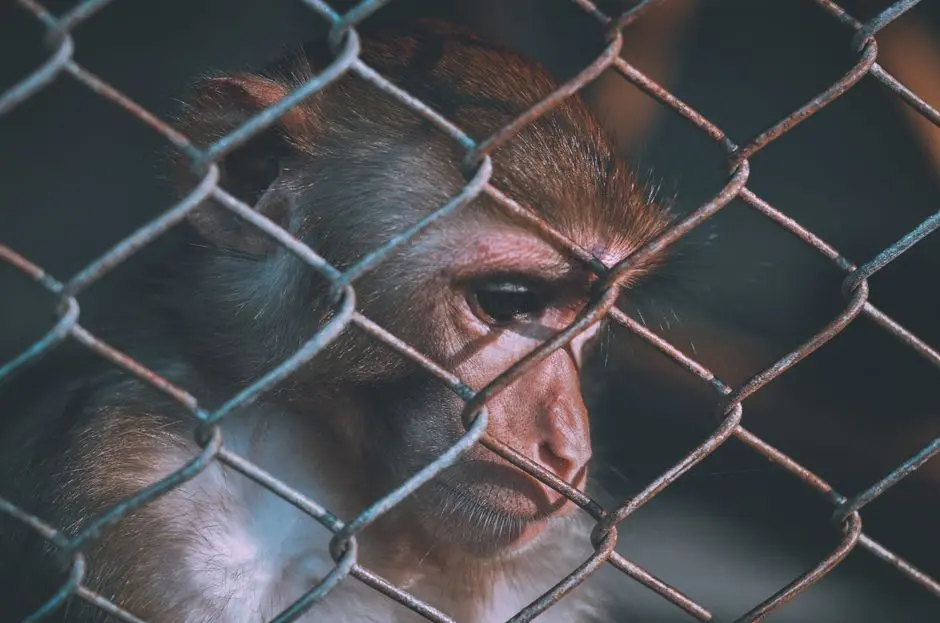
Establishing Ethical Foundations: The Role and Composition of Review Committees
We initiate our exploration by establishing the foundational role of animal ethics committees. These bodies are not merely bureaucratic hurdles; they are the conscience of scientific inquiry involving sentient beings. Their existence is mandated by international conventions and national legislations, such as the EU Directive 2010/63/EU in Europe or the Public Health Service Policy and Animal Welfare Act in the United States. These frameworks compel institutions to establish independent ethical review processes, ensuring that all animal research adheres to the highest standards of welfare and scientific justification. Forge a deep understanding of their mandate: to safeguard animal well-being while facilitating vital scientific advancement.
The composition of these committees is crucial for balanced oversight. Typically, they comprise a diverse array of experts: veterinarians specializing in laboratory animal medicine, active scientists experienced in animal research, ethicists providing moral guidance, and critically, lay members representing public interest and offering an external, non-scientific perspective. This multidisciplinary structure ensures a comprehensive evaluation, preventing tunnel vision and fostering broad ethical accountability. Committees must operate with complete independence from research funding and outcomes, ensuring their decisions are unbiased and solely driven by ethical considerations and regulatory compliance. We optimize transparency and fairness by understanding these structural imperatives, empowering committees to function as robust guardians of ethics.
Their scope is expansive, encompassing all aspects of animal use, from breeding and housing to experimental procedures and eventual disposition. They act as a preventative mechanism, scrutinizing protocols before any animal contact occurs. Their authority extends to approving, requiring modifications for, or rejecting research proposals. Furthermore, they are responsible for ensuring that personnel are adequately trained and competent to perform procedures, and that facilities meet stringent welfare standards. Understanding this comprehensive mandate positions us to fully appreciate the depth of their impact on the responsible conduct of biological research. We trigger a paradigm shift towards proactive ethical engagement, recognizing these committees as indispensable partners in scientific progress.
Navigating the Gauntlet: Deconstructing the Animal Experiment Review Process
The journey of an animal experiment protocol through an ethics committee is a rigorous, multi-stage gauntlet designed to leave no stone unturned. It commences with the researcher's submission of a comprehensive package. This typically includes a detailed experimental protocol, a robust scientific rationale justifying the use of animals, explicit justification for the chosen species and number of animals, a thorough description of all procedures, pain and distress management strategies, defined humane endpoints, and the qualifications of all personnel involved. This initial submission is critical; its clarity and completeness significantly influence the efficiency of the review. We mandate meticulous preparation at this stage to streamline the entire process.
Upon submission, an initial administrative screening verifies adherence to institutional guidelines and regulatory requirements. Incomplete applications face immediate requests for clarification or resubmission. Following this, the protocol is typically assigned to several primary reviewers, often including a veterinarian and a scientist, who conduct an in-depth, critical analysis. Their focus extends beyond mere compliance; they dissect the scientific merit, assess the validity of the hypothesis, and scrutinize the experimental design for statistical robustness. A common pitfall here is insufficient statistical power, leading to inconclusive results and thus unjustified animal use. We intercept such inefficiencies, demanding precision in design.
The committee convenes to discuss the reviewers' findings. During this deliberation, every aspect of the proposed research is debated, challenged, and refined. Questions typically center on the application of the 3Rs (Replacement, Reduction, Refinement), the rigor of the harm-benefit analysis, the adequacy of proposed analgesia and anesthesia, environmental enrichment, and the definition of early humane endpoints. This collaborative scrutiny often leads to requests for protocol modifications, ranging from minor clarifications to significant redesigns, before final approval can be granted. Our objective is to optimize every facet of the experimental design, ensuring ethical responsibility is woven into the very fabric of scientific inquiry. We cultivate a culture of continuous improvement, challenging norms to elevate standards.

Mastering Ethical Imperatives: Applying the 3Rs and Harm-Benefit Analysis
At the core of ethical animal experimentation lie the 3Rs: Replacement, Reduction, and Refinement. These principles are not mere suggestions; they are non-negotiable imperatives driving the decision-making process of ethics committees. We champion their mastery as the ultimate expression of responsible research. Replacement demands a rigorous search for alternatives to animal use. This includes utilizing in vitro methods, computer modeling, human cell lines, or less sentient organisms whenever scientifically feasible. A committee will challenge researchers to demonstrate that all viable alternatives have been thoroughly considered and found unsuitable or insufficient for the specific research question.
Reduction focuses on minimizing the number of animals used without compromising the scientific validity of the research. This requires impeccable experimental design, robust statistical justification for sample sizes, and often, the use of pilot studies to optimize methodology. Committees frequently question statistical power calculations and encourage sharing resources or data to prevent unnecessary replication. For example, using a crossover design or longitudinal studies can significantly reduce animal numbers compared to parallel group designs. We trigger innovative approaches to minimize animal cohort sizes, driving efficiency without sacrificing insight.
Refinement aims to alleviate pain, suffering, and distress for animals, enhancing their welfare throughout the experiment. This encompasses providing superior housing conditions, environmental enrichment, expert veterinary care, meticulous pain management protocols (analgesia, anesthesia), and the establishment of early, measurable humane endpoints. A strong protocol defines clear criteria for intervention, removal from study, or euthanasia to prevent undue suffering. For instance, in oncology studies, defining a tumor size or weight loss threshold for euthanasia is a refinement. The committee rigorously evaluates these details, ensuring that every effort is made to enhance the animals' quality of life. We enforce the highest standards of animal care, elevating welfare as a scientific cornerstone.
The ultimate ethical crucible is the harm-benefit analysis. Committees meticulously weigh the potential suffering and harm to the animals against the expected scientific and societal benefits. This proportionality principle dictates that any unavoidable harm must be clearly justified by the potential for significant, valid, and otherwise unattainable scientific discovery or public health improvement. This is a qualitative judgment that requires critical evaluation of the research's novelty, its potential impact, and the likelihood of success. We demand absolute clarity in this justification, ensuring that the pursuit of knowledge never overshadows our ethical responsibilities.

Sustaining Vigilance: Post-Approval Monitoring and Evolving Ethical Landscapes
Ethical oversight does not conclude with protocol approval; it extends throughout the entire lifespan of the research project. Post-Approval Monitoring (PAM) is a critical component, ensuring that the approved protocol is meticulously followed, and animal welfare standards are consistently maintained. This often involves scheduled facility inspections, review of animal health records, and sometimes, direct observation of procedures. Any deviations from the approved protocol, adverse events, or unexpected animal welfare concerns must be promptly reported to the committee. We instill a culture of continuous vigilance, transforming oversight into a dynamic partnership.
Should a researcher deviate significantly from the approved protocol, or if animal welfare concerns arise, the ethics committee possesses the authority to intervene. This can range from requiring immediate corrective actions and protocol amendments to suspending or even revoking approval in cases of severe non-compliance or egregious animal suffering. Such actions underscore the committee's power and responsibility to enforce ethical standards, protecting both animal welfare and institutional integrity. Understanding the consequences of non-compliance is essential for all researchers, reinforcing adherence to approved methodologies.
The landscape of animal ethics is continuously evolving, driven by scientific advancements, public discourse, and international harmonization efforts. Committees face ongoing challenges, including balancing the imperative for scientific innovation with ethical constraints, managing increasing workloads, and ensuring consistency in review standards across different institutions and regions. The rise of advanced non-animal methods (NAMs) and computational models (e.g., AI in drug discovery) presents new opportunities for replacement, which committees actively encourage. We optimize adaptation, integrating cutting-edge tools into our ethical framework.
Looking forward, we anticipate greater international collaboration in developing and harmonizing ethical guidelines, fostering global best practices in animal research. Continuous education and training for both committee members and researchers remain paramount to navigate these evolving complexities. Public engagement and transparency are also increasingly vital, ensuring that scientific progress retains societal trust and ethical legitimacy. We forge a future where ethical excellence is not merely a goal, but an intrinsic, non-negotiable aspect of all biological discovery, shaping a more compassionate and responsible scientific enterprise.
Key Takeaways
Core Purpose of Ethics Committees
Animal ethics committees exist to ensure scientific validity harmonizes with animal welfare, rigorously enforcing the 3Rs (Replacement, Reduction, Refinement) to minimize harm while fostering crucial biological discoveries. They are mandatory guardians of ethical research.
Rigorous Review Process
The review process involves a comprehensive, multi-disciplinary expert evaluation of detailed research protocols. It critically examines the scientific justification, experimental design, statistical power, and ethical mitigation strategies from submission to final approval.
The 3Rs as Pillars of Ethical Practice
Replacement, Reduction, and Refinement are fundamental principles for ethical approval. They demand systematic consideration of non-animal alternatives, optimized animal numbers for robust data, and continuous improvements in animal welfare practices to alleviate suffering.
Harm-Benefit Analysis: The Ethical Crucible
A critical assessment weighing potential animal suffering and harm against the expected scientific and societal gains. This ensures that any unavoidable harm is justified by significant, valid, and otherwise unattainable scientific or public health benefits, adhering strictly to proportionality.
Continuous Oversight and Evolution
Ethical approval is dynamic, requiring ongoing Post-Approval Monitoring, reporting of deviations, and continuous adjustments to maintain standards. The field constantly evolves with new scientific methods, public discourse, and the imperative for global harmonization in ethical research.
FAQ
-
What are the 3Rs and why are they central to ethical review?
The 3Rs stand for Replacement, Reduction, and Refinement. They are central because they provide a comprehensive framework for minimizing harm to animals in research. Replacement promotes non-animal alternatives, Reduction focuses on using fewer animals without compromising statistical validity, and Refinement aims to improve animal welfare and minimize pain or distress throughout the experimental process. Ethics committees rigorously apply these principles to ensure responsible and humane research.
-
Who typically sits on an animal ethics committee?
An animal ethics committee typically comprises a diverse group to ensure balanced oversight. This usually includes experienced scientists involved in animal research, veterinarians specializing in laboratory animal medicine, ethicists providing moral and philosophical insights, and lay members who represent the public interest and offer a non-scientific perspective. This multidisciplinary composition ensures a thorough and well-rounded ethical review.
-
What happens if a researcher deviates from an approved protocol?
Deviations from an approved protocol must be reported to the ethics committee immediately. Depending on the nature and severity of the deviation, the committee may require specific corrective actions, mandate protocol amendments, or in severe cases of non-compliance or adverse impact on animal welfare, could suspend or revoke the approval. Such actions can lead to institutional or regulatory penalties, underscoring the importance of strict adherence to approved protocols.
-
How do committees assess the 'benefit' in a harm-benefit analysis?
Committees evaluate the 'benefit' in a harm-benefit analysis by scrutinizing the potential scientific, medical, or societal advancements expected from the research. This involves a critical assessment of the research question's novelty, the robustness of the experimental design, and the likelihood of achieving meaningful, impactful results that genuinely justify any unavoidable harm or suffering to the animals. The expected benefits must outweigh the potential harms, adhering to a strict proportionality principle.