
> Regulations and Bioethics > Ethics in Animal Research > Mastering Animal Research Approvals: Ethical Oversight & Compliance
Mastering Animal Research Approvals: Ethical Oversight & Compliance
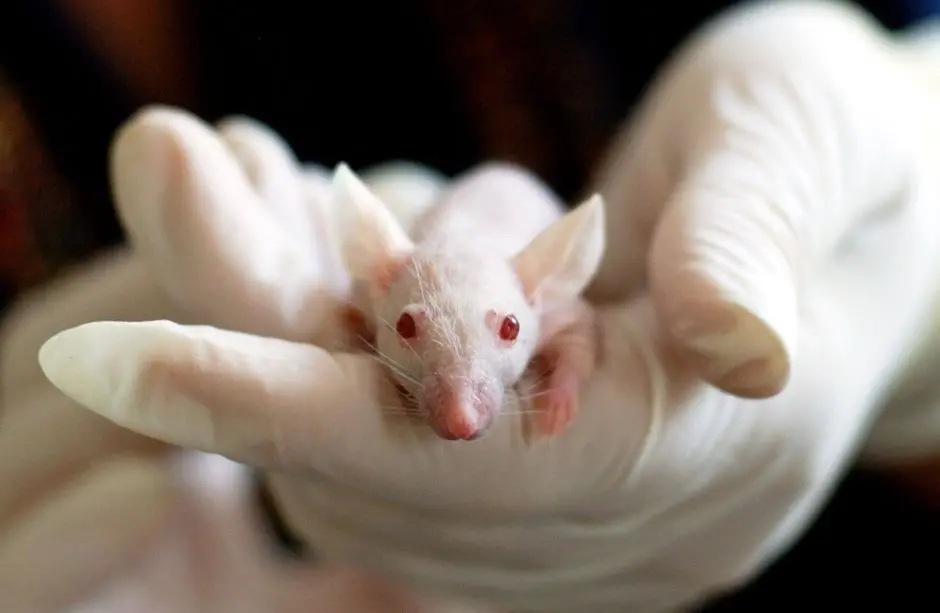
Embarking on animal research demands meticulous navigation through a stringent ethical and regulatory landscape. Far from a mere bureaucratic hurdle, securing the necessary approvals represents a critical commitment to scientific integrity, animal welfare, and public trust. Every innovative biological discovery, every breakthrough in medicine, and every advancement in our understanding of life's intricate mechanisms hinges upon a robust ethical framework for animal experimentation. Fail to adhere, and the repercussions extend beyond project delays—they threaten the credibility of entire research fields.
We face a complex web of requirements, from institutional committees to national and international directives. Understanding this ecosystem is not optional; it is fundamental. This authoritative guide dissects the intricate process, revealing the core principles, the strategic steps, and the vigilant oversight essential for compliant and ethical animal studies. We decode the mandates, illuminate the best practices, and equip you with the foresight to proactively navigate this vital terrain. We forge a pathway to responsible science, ensuring your research upholds the highest standards of animal welfare while driving meaningful progress. Prepare to definitively understand the mandates governing the regulations and ethical principles for animal experimentation, transforming potential obstacles into stepping stones for impactful discovery.
Establish the Bedrock: Institutional Ethical Committees and the 3Rs
The cornerstone of ethical animal research approval lies with institutional oversight bodies. In the United States, this is predominantly the Institutional Animal Care and Use Committee (IACUC); globally, similar entities such as Animal Ethics Committees (AECs) fulfill this vital role. We understand these committees are not adversaries but essential partners, mandated to review and approve all proposed activities involving live vertebrate animals. Their mission is unequivocal: ensure compliance with all applicable laws, regulations, and institutional policies, while championing animal welfare.
Central to their review process is the unwavering application of the 3Rs Principle: Replacement, Reduction, and Refinement. We must exhaust all avenues for Replacement—using non-animal methods, in vitro models, or computational simulations whenever scientifically appropriate. When animal use is unavoidable, we strive for Reduction, employing the minimum number of animals necessary to obtain statistically valid data, often through robust experimental design and power analysis. Finally, we commit to Refinement, optimizing all aspects of animal care and procedures to minimize pain, distress, and enhance animal well-being—from husbandry practices to anesthesia protocols and post-procedural care. Ignoring any of these 3Rs is a classic misstep that can lead to protocol rejection or, worse, ethical breaches. We integrate these principles into the very fabric of our research design, not as an afterthought, but as an initial commitment.
Navigate the Approval Labyrinth: Crafting a Robust Protocol Submission
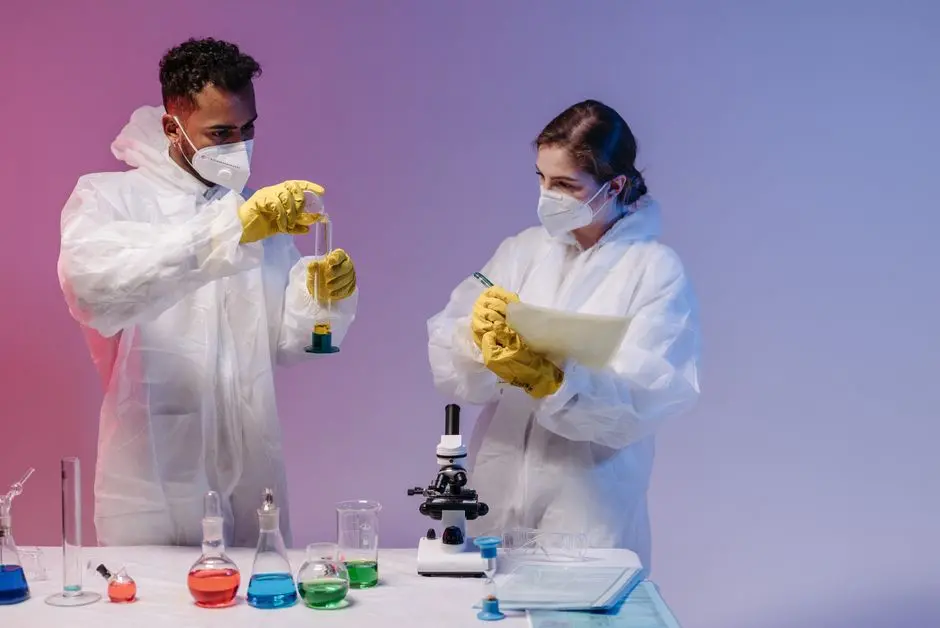
Securing approval initiates with the submission of a comprehensive animal use protocol. This document is our detailed blueprint, meticulously outlining every facet of the proposed research involving animals. We must consider this submission as our primary opportunity to transparently justify our scientific objectives and demonstrate our unwavering commitment to ethical animal care. Key elements we rigorously address include a clear, concise scientific rationale for using animals, demonstrating why the research is necessary and cannot be achieved through alternative methods.
Furthermore, we explicitly define the animal species, strain, sex, age, and number to be used, providing a robust statistical justification for our sample size. We detail all experimental procedures, from animal acquisition to endpoints, anesthesia, analgesia, surgical techniques, post-operative care, and euthanasia methods. Critically, we articulate how the 3Rs are integrated into every design choice. We also identify all personnel involved, detailing their training, experience, and specific responsibilities. A common pitfall? Incomplete descriptions or insufficient justification for potential pain or distress. We proactively engage with veterinary staff and IACUC administrators early in the drafting process. This collaborative approach often identifies weaknesses before formal submission, preventing delays and strengthening our protocol. We forge a submission that is not just compliant, but exemplary in its ethical foresight and scientific rigor.

Sustain Compliance: Beyond Initial Approval into Ongoing Oversight
The grant of initial approval marks a critical milestone, but it is merely the beginning of our journey in ethical animal research. Compliance is an ongoing, dynamic process demanding continuous vigilance and proactive management. Post-approval monitoring by the IACUC or AEC is standard practice, often involving routine facility inspections, review of animal health records, and observation of procedures. These measures ensure that the approved protocol is being followed precisely and that animal welfare standards are consistently maintained. We understand these inspections as opportunities for continuous improvement, reinforcing our dedication to best practices.
Moreover, we must be prepared for protocol amendments. Any significant deviation from the approved protocol—such as changes in animal numbers, surgical procedures, drug dosages, or even personnel—requires prior approval from the ethical committee. Attempting to implement changes without official amendment is a serious breach of compliance. Similarly, prompt and transparent reporting of any unanticipated adverse events (e.g., unexpected illness, injury, or death) is mandatory. We institute robust internal systems for documentation and reporting, ensuring swift communication with the IACUC. The consequences of non-compliance are severe: ranging from mandated study halts and sanctions to loss of funding and irreparable damage to institutional and individual reputations. We proactively manage our studies, ensuring that vigilance and transparency underpin every phase of our research, safeguarding both animal welfare and scientific integrity.
Global Perspectives: Navigating International Regulations and Specialized Permits
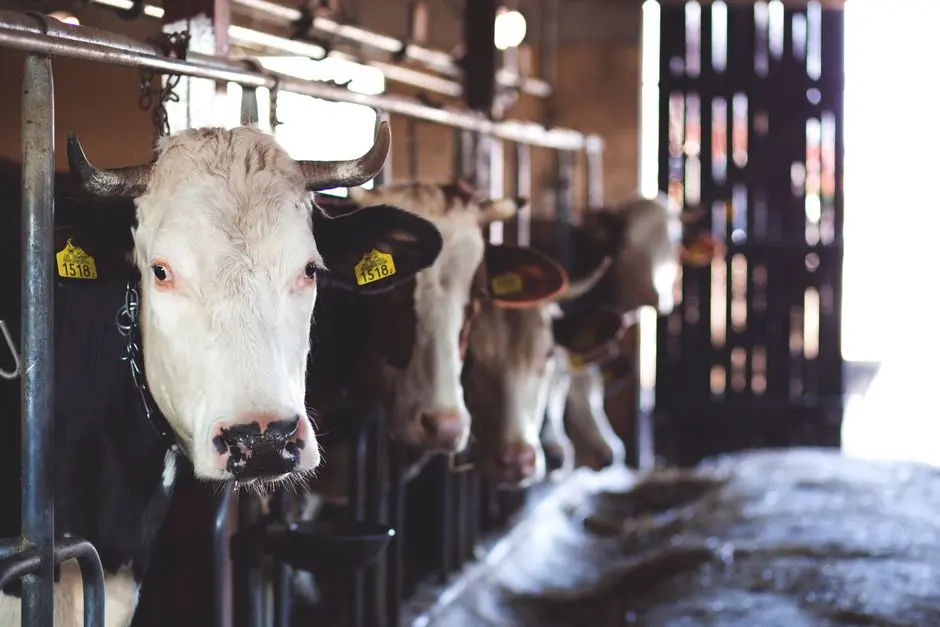
The regulatory landscape for animal research is not monolithic; it varies significantly across international borders, necessitating a global perspective for collaborative projects. In the United States, key federal mandates include the Animal Welfare Act (AWA), administered by the USDA, and the Public Health Service (PHS) Policy, primarily for research funded by NIH. These establish comprehensive requirements for animal care, housing, and veterinary medical attention. Contrast this with the European Union, which operates under Directive 2010/63/EU, setting stringent standards for the protection of animals used for scientific purposes, often integrated into national legislation by member states.
We recognize that specific types of research or certain animal species demand additional, specialized permits. For instance, research involving endangered species often requires permits from international conventions like CITES (Convention on International Trade in Endangered Species of Wild Fauna and Flora), alongside national wildlife agencies. Studies involving genetically modified animals may trigger specific biosafety and ethical reviews beyond standard IACUC protocols. When conducting international collaborations, researchers must navigate and satisfy the regulatory requirements of all involved nations, which often involves obtaining reciprocal assurances of compliance. We proactively identify all relevant national and international frameworks from the outset, ensuring that no regulatory stone is left unturned. This meticulous approach prevents unforeseen legal and ethical impediments, affirming our commitment to responsible global scientific engagement.
Key Takeaways
Mandatory Institutional Oversight
All vertebrate animal research requires approval from an Institutional Animal Care and Use Committee (IACUC) or equivalent (AEC). These committees safeguard animal welfare and ensure compliance with ethical guidelines and regulations. Their role is central to responsible scientific conduct.
The 3Rs Principle as a Guiding Star
Every protocol must integrate the 3Rs: Replacement (using non-animal methods where possible), Reduction (using the minimum number of animals for robust data), and Refinement (minimizing pain and distress). These are not suggestions; they are foundational ethical imperatives for approval.
Comprehensive Protocol Submission
A robust protocol outlines scientific rationale, animal specifics (species, numbers with justification), detailed procedures, personnel qualifications, and explicit 3Rs application. Incomplete or poorly justified submissions are primary reasons for delays or rejections. Proactive engagement with experts is key.
Continuous Compliance and Monitoring
Approval is ongoing. We adhere to post-approval monitoring, annual reviews, and facility inspections. Any significant change requires a formal protocol amendment. Unanticipated adverse events demand immediate reporting. Non-compliance carries severe consequences for research and reputation.
Navigating Diverse Regulatory Landscapes
Regulations vary globally (e.g., AWA/PHS in US, EU Directive 2010/63/EU). Specialized permits (e.g., CITES for endangered species, biosafety for GMOs) may be required. International collaborations mandate adherence to all relevant national frameworks. A global, meticulous approach prevents ethical and legal roadblocks.
FAQ
-
What is the primary role of an IACUC or AEC?
The primary role of an IACUC (Institutional Animal Care and Use Committee) or AEC (Animal Ethics Committee) is to oversee and evaluate all aspects of an institution's animal care and use program. We ensure that all research, testing, and teaching activities involving vertebrate animals comply with ethical standards, national regulations, and institutional policies. This includes reviewing and approving animal use protocols, inspecting facilities, and investigating concerns related to animal welfare, championing the 3Rs Principle throughout.
-
How long does the animal research approval process typically take?
The duration of the approval process can vary significantly, typically ranging from a few weeks to several months. Factors influencing this timeline include the complexity of the protocol, the completeness of the submission, the frequency of committee meetings, and the need for revisions. We optimize this process by submitting thoroughly prepared protocols, engaging early with veterinary and administrative staff, and responding promptly to committee feedback. Proactive engagement often reduces review cycles.
-
Can I modify my approved animal research protocol?
No, you cannot implement modifications to an approved animal research protocol without prior authorization. Any significant changes, such as alterations in animal numbers, procedures, substances administered, or personnel, require a formal amendment submitted to and approved by the IACUC or AEC. We mandate strict adherence to this process to maintain continuous ethical oversight and compliance. Failure to secure an amendment constitutes a breach of protocol and can lead to severe consequences.
-
What happens if an adverse event occurs during animal research?
We require immediate and transparent reporting of any unanticipated adverse events to the IACUC or AEC. This includes unexpected pain, distress, injury, or death of an animal. Prompt reporting enables the committee to review the circumstances, ensure appropriate veterinary care is provided, and determine if any protocol adjustments or corrective actions are necessary to prevent recurrence. We view these events as critical learning opportunities to further refine our animal care practices and uphold ethical responsibilities.