
> Regulations and Bioethics > Ethics in Animal Research > Master Animal Research Proposals: Overcome Common Hurdles
Master Animal Research Proposals: Overcome Common Hurdles
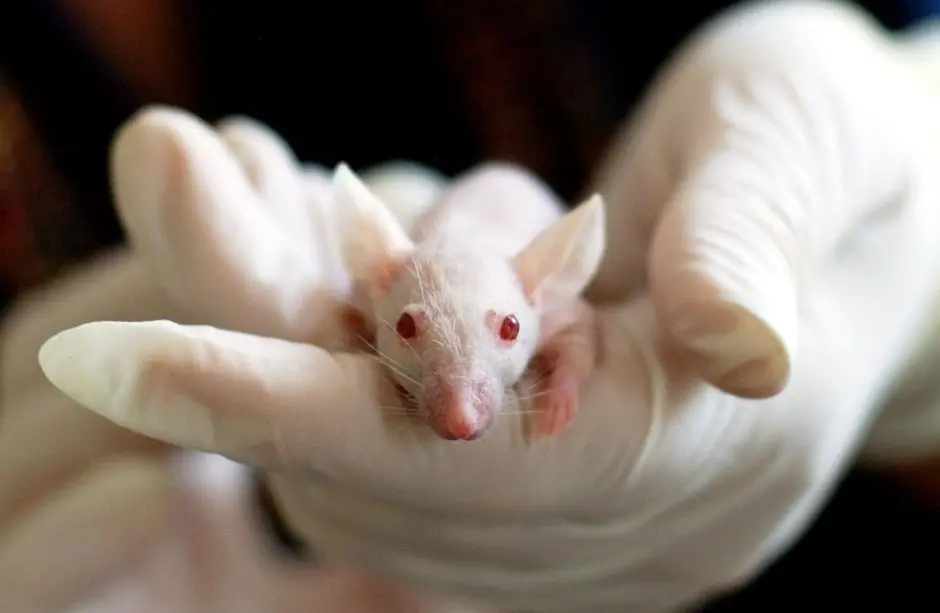
Embarking on animal research requires not only scientific prowess but also meticulous proposal crafting. The journey from groundbreaking concept to approved experiment is often fraught with subtle, yet critical, missteps that can derail even the most promising projects. We dive deep into the recurring challenges faced by researchers during the ethical review process, transforming potential pitfalls into stepping stones for success. This resource equips you with the strategic foresight to anticipate and mitigate common issues, ensuring your research design stands robust against scrutiny.
Understanding these prevalent shortcomings is not merely about compliance; it's about elevating the standard of scientific inquiry and upholding the highest ethical principles. We unlock the secrets to crafting proposals that resonate with review committees, championing both scientific integrity and animal welfare. From statistical power to personnel competency, every facet of your submission demands precision. Let us forge a pathway to impeccably structured and ethically sound research, building on a profound understanding of the critical elements of the regulations and ethical principles for animal experimentation, and empowering you to secure the approvals your vital work deserves.

Fortify Foundational Flaws: The 3Rs and Scientific Rigor
A primary point of failure in animal research proposals stems from an insufficient demonstration of the 3Rs principles: Replacement, Reduction, and Refinement. Review committees rigorously evaluate how researchers integrate these ethical imperatives into their experimental design. A common issue is a perfunctory mention of the 3Rs without concrete, detailed strategies. For example, simply stating 'we minimize animal use' falls short; we must explicitly detail power calculations justifying the exact number of animals, explain why an in vitro model cannot replace the animal study, or outline specific environmental enrichments for refinement.
Beyond the 3Rs, scientific rigor often presents a significant hurdle. Proposals frequently suffer from poorly defined objectives, leading to ambiguous endpoints or an inability to measure critical outcomes effectively. We encounter issues with inadequate statistical justification for sample sizes, creating a risk of underpowered studies that yield inconclusive results, or conversely, overpowered studies that use more animals than necessary. A robust methodology section will articulate clear hypotheses, justify the chosen animal model with empirical data, and detail the experimental design, including randomization, blinding, and appropriate controls. We empower you to present a cohesive scientific rationale, where every experimental choice aligns with a clear, measurable objective, thereby strengthening the proposal's core scientific validity.

Eliminate Methodological Misfires: Model Selection, Procedures, and Justification
The choice of animal model and the precise detailing of experimental procedures represent another critical area where proposals often falter. An inappropriate animal model, or one whose selection is inadequately justified, immediately raises red flags. Committees demand compelling evidence, often from the literature, explaining why a particular species, strain, sex, or age group is the most suitable and least sentient option for addressing the research question. Generic statements are insufficient; we must provide a detailed rationale, including comparative physiology or disease progression data, to support our model choice.
Furthermore, vague or incomplete descriptions of experimental procedures are frequent stumbling blocks. Every intervention, from housing conditions and diet to drug administration, surgical techniques, and behavioral testing, demands explicit detail. Reviewers need to understand the exact timeline, dosage, frequency, and method for each procedure. Crucially, the plan for managing pain, distress, and discomfort is often underdeveloped. Proposals must include a comprehensive analgesic regimen, methods for assessing pain (e.g., grimace scales, behavioral changes), and clear intervention thresholds. We advocate for a meticulous approach, ensuring that every procedural step is clearly articulated and that the welfare of the animals is demonstrably prioritized through proactive pain and distress management strategies. This level of detail confirms our commitment to ethical execution.

Address Ethical Lapses: Personnel Competence and Oversight
The competence of personnel conducting animal research is paramount for ethical and scientifically sound outcomes. Proposals frequently encounter issues when they fail to convincingly demonstrate that all individuals involved possess the requisite training and experience for their assigned tasks. This includes not only the principal investigator but also technicians, graduate students, and any support staff. Committees scrutinize the experience listed, ensuring it aligns with the complexity of the procedures proposed. Insufficient or generalized training declarations can lead to immediate rejections or requests for substantial revisions.
Beyond individual competence, the oversight structure for animal care and experimental execution is critical. Proposals must clearly outline the supervisory hierarchy, detailing how less experienced personnel will be mentored and supervised. Plans for post-procedure care, including monitoring for adverse events, recovery strategies, and the humane endpoints, are often inadequately described. We must specify clear criteria for intervention, euthanasia, or alternative care, along with the responsible individuals and their contact information. A robust proposal will demonstrate a continuous commitment to animal welfare throughout the entire experimental lifecycle, from initial housing to post-procedural recovery and eventual disposition. We champion transparency in personnel qualifications and a comprehensive, proactive approach to animal care oversight.

Navigate the Regulatory Labyrinth: Compliance and Documentation
The regulatory landscape governing animal research is intricate, and non-compliance with institutional, national, and international guidelines constitutes a major obstacle for proposal approval. Common issues include incomplete application forms, missing required permits or licenses, and a lack of explicit reference to relevant regulations. Researchers sometimes overlook specific institutional policies regarding animal acquisition, housing, or disposal, leading to administrative delays. Each jurisdiction possesses unique requirements, and our proposals must unequivocally demonstrate adherence to every applicable rule and standard.
Documentation itself can present a challenge. Vague record-keeping plans, or a failure to outline how data will be recorded, stored, and managed, can undermine confidence in the project's integrity. Committees look for meticulous attention to detail, including clear protocols for monitoring animal health, documenting observations, and maintaining experimental logs. We must clearly state how we will ensure data traceability and reproducibility. A well-constructed proposal will proactively address all regulatory mandates, demonstrating a comprehensive understanding of the compliance framework. We champion a strategic approach to documentation and regulatory navigation, ensuring every administrative requirement is not just met, but demonstrably exceeded, thereby securing a smoother path to approval and execution.

Master Strategic Submission: Proactive Engagement and Reviewer Expectations
Submitting an animal research proposal extends beyond merely fulfilling checklists; it requires strategic engagement and an understanding of reviewer psychology. A common issue is a reactive approach, where researchers only address concerns after receiving criticism. Instead, we advocate for proactive communication with the institutional animal care and use committee (IACUC) or ethics review board prior to formal submission. This might involve discussing novel procedures or complex ethical considerations, potentially mitigating major issues before they become formal objections. Engage with your veterinary staff early; their insights are invaluable for refining husbandry, pain management, and endpoint strategies.
Furthermore, proposals often fail to anticipate reviewer expectations regarding clarity, conciseness, and completeness. Overly technical jargon without adequate explanation, or conversely, a lack of sufficient scientific detail, can confuse committees. We must ensure the proposal tells a coherent story, where the scientific rationale, ethical justification, and methodological precision are inextricably linked. Structure your proposal to highlight key ethical safeguards and scientific benefits. Emphasize the qualifications of your team and the institutional support available. By adopting a proactive and transparent submission strategy, we not only avoid common pitfalls but also build trust and demonstrate an unwavering commitment to both scientific excellence and animal welfare, paving the way for successful project approval.
Key Takeaways
Strengthen Foundational Arguments
Ensure explicit, data-backed integration of the 3Rs (Replacement, Reduction, Refinement) and provide rigorous scientific justification for objectives, hypotheses, and statistical power to prevent underpowered or over-animalized studies.
Detail Methodological Precision
Select and justify animal models meticulously with empirical data. Describe all experimental procedures with granular detail, including housing, handling, and critically, a robust, proactive pain and distress management plan with clear assessment methods and intervention thresholds.
Validate Personnel and Oversight
Clearly document the qualifications, training, and experience of all research personnel. Establish a transparent supervisory structure and outline comprehensive post-procedural care, monitoring, and humane endpoint strategies, emphasizing ethical responsibility.
Ensure Regulatory Compliance
Adhere strictly to all institutional, national, and international guidelines. Provide complete documentation, permits, and a meticulous record-keeping plan to demonstrate full compliance and data integrity.
Adopt a Strategic Submission Approach
Engage proactively with ethics committees and veterinary staff prior to formal submission. Craft proposals with clarity and completeness, anticipating reviewer concerns to build trust and facilitate a smoother approval process.
FAQ
-
What is the single most common reason for animal research proposal rejection?
The most frequent reason for rejection or requiring substantial revision is an inadequate demonstration and application of the 3Rs principles (Replacement, Reduction, Refinement), coupled with insufficient justification for the chosen animal model or sample size. Proposals often fail to provide concrete evidence of how animal numbers are minimized, why an alternative non-animal method is not feasible, or how pain and distress will be robustly managed and minimized throughout the study.
-
How can we effectively address concerns about personnel competence in a proposal?
We must provide detailed, specific information on the training and experience of all personnel involved in animal handling and procedures. This includes formal certifications, specific workshops attended, years of experience with the particular species or technique, and a clear plan for direct supervision of less experienced individuals by qualified personnel. Highlighting institutional training programs and veterinary oversight further strengthens this section.
-
Is it beneficial to contact the ethics committee before submitting a proposal?
Absolutely. Proactive engagement with the ethics committee, veterinary staff, or designated advisors before formal submission is highly recommended. This allows us to discuss complex aspects of the research, clarify specific institutional or regulatory requirements, and address potential ethical concerns early. Such pre-submission consultation can significantly streamline the review process and reduce the likelihood of major revisions.