
> Regulations and Bioethics > Ethics in Animal Research > Revolutionize Research: Emerging Technologies Replacing Animal Models
Revolutionize Research: Emerging Technologies Replacing Animal Models
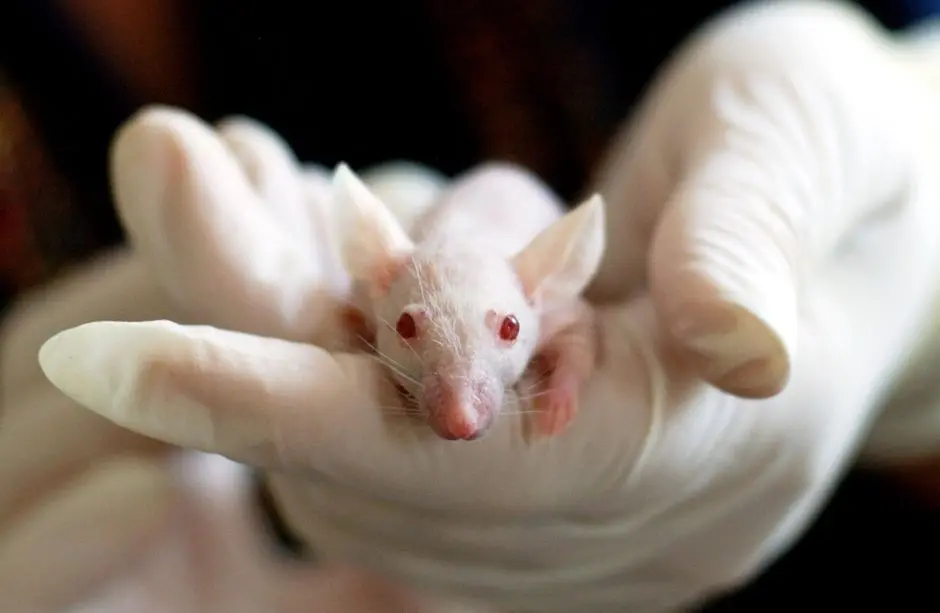
The scientific landscape undergoes a profound transformation. For decades, animal models formed the bedrock of biomedical research, but ethical considerations and scientific limitations continually challenged this paradigm. Today, an accelerating wave of emerging technologies ushers in an era where animal-free research is not merely an aspiration but a tangible, scientifically superior reality. We are on the cusp of an ethical and methodological revolution, forging new pathways for discovery.
This comprehensive article dissects the avant-garde innovations poised to fundamentally redefine how we understand biology, test therapeutics, and ensure safety. We unveil the intricate mechanisms behind organ-on-a-chip systems, advanced in silico models, 3D bioprinting, and sophisticated human cell-based assays. We tackle the scientific imperatives driving this shift, spotlighting how these tools offer unprecedented precision and human relevance, often surpassing traditional animal models. Prepare to dive deep into the strategic advantages, the regulatory evolution—including the critical role of the evolving landscape of regulations and ethical principles for animal experimentation—and the practical implementation of these cutting-edge methodologies. We equip you with the insights needed to navigate this transition, optimize your research workflows, and contribute to a more ethical and effective scientific future.
The Ethical Imperative and Scientific Dawn of Animal-Free Research
The relentless pursuit of scientific advancement has long relied on animal models, yet this foundation increasingly faces scrutiny from both an ethical and a scientific perspective. We recognize the profound responsibility researchers carry, not only to advance human health but also to minimize harm to sentient beings. This ethical imperative fuels innovation, driving us to seek alternatives that uphold scientific rigor while aligning with our moral compass. The rise of sophisticated human-based models is not merely a response to ethical pressure; it represents a significant scientific leap forward, promising more relevant and predictive outcomes.
Traditional animal models, while invaluable historically, often present inherent limitations. Physiological differences between species can lead to discrepancies in drug efficacy and toxicity profiles, resulting in high failure rates in human clinical trials. Consider the stark reality: a vast majority of promising compounds that perform well in animal studies fail to translate successfully to humans. This inefficiency underscores a critical need for models that more accurately reflect human biology. We are now engineering precise human cellular and tissue systems, bypassing species-specific translational barriers and accelerating the drug discovery pipeline. This shift maximizes research efficiency, saves valuable resources, and, most importantly, enhances the safety and efficacy of new therapies destined for human patients.
Our strategic vision embraces a future where research is optimized for relevance and ethical integrity. We challenge the status quo, championing technologies that offer a superior scientific foundation. By pivoting towards human-centric research, we unlock unparalleled opportunities for understanding complex diseases, personalizing medicine, and ultimately, delivering more impactful health solutions. This is not a mere paradigm shift; it's a recalibration of our scientific compass, pointing towards precision, ethics, and human relevance as our guiding stars. We forge the path for a new era of biological exploration where innovation and compassion converge.

Pioneering Technologies Redefining Biomedical Research
We stand at the precipice of a research revolution, spearheaded by technologies that fundamentally transform our approach to biomedical discovery. No longer confined to the limitations of whole animal systems, we now harness the power of human cells and tissues with unprecedented precision.
- Organ-on-a-Chip Systems (OoC): These microfluidic devices, often no larger than a USB drive, contain micro-engineered environments lined with living human cells, meticulously designed to mimic the structural and functional complexity of human organs like the lung, liver, kidney, or gut. We can interconnect multiple 'organs' to create a 'human-on-a-chip,' simulating multi-organ interactions and systemic responses. This allows for real-time observation of drug metabolism, toxicity, and disease progression under controlled, physiologically relevant conditions. Their ability to replicate human-specific responses with high fidelity makes them invaluable for drug screening and disease modeling.
- 3D Bioprinting and Spheroids/Organoids: Moving beyond traditional 2D cell cultures, we now construct intricate 3D tissue architectures. Spheroids and organoids are self-assembling, self-organizing 3D cellular clusters derived from stem cells, faithfully recapitulating the microanatomy and physiological functions of tissues and organs. These models provide critical insights into cell-cell interactions, differentiation, and disease mechanisms in a context far more representative of in vivo conditions. 3D bioprinting takes this a step further, enabling us to precisely layer living cells and biomaterials to fabricate functional tissues and even rudimentary organs. This technology promises patient-specific models for drug testing, and in the longer term, could offer solutions for regenerative medicine.
- In Silico Models and AI/Machine Learning: Computational biology complements wet lab efforts by building sophisticated mathematical models of biological systems. In silico models simulate cellular processes, physiological responses, and drug-target interactions, predicting outcomes without the need for physical experimentation. When integrated with Artificial Intelligence (AI) and Machine Learning (ML), these models become even more powerful. AI algorithms can analyze vast datasets from genomics, proteomics, and clinical trials to identify biomarkers, predict drug toxicity, optimize compound design, and even accelerate target identification. We leverage AI to uncover patterns invisible to the human eye, transforming data into actionable insights and vastly improving the efficiency of preclinical research. This fusion of computational power and biological understanding unlocks entirely new avenues for discovery.
These technologies collectively represent a monumental shift. They not only offer ethical advantages but, crucially, provide a superior scientific foundation for understanding human biology and developing life-saving treatments. We are optimizing our research capabilities, unleashing unprecedented potential.

Navigating Validation, Regulatory Acceptance, and Overcoming Hurdles
The path to widespread adoption for these transformative technologies is not without its challenges. Chief among them is the rigorous process of validation and qualification. For a new model to replace an established animal test, it must demonstrate equivalent or superior predictive capacity and reproducibility. This demands a systematic approach: comparing model performance against existing data from human clinical trials or known toxicities, and establishing robust standard operating procedures (SOPs). We confront the need for standardized assays, comprehensive data sharing, and inter-laboratory validation studies to build an undeniable body of evidence for each new technology. This commitment to meticulous validation ensures scientific integrity and builds trust within the scientific and regulatory communities.
Parallel to scientific validation, regulatory acceptance is paramount. Historically, regulatory bodies like the FDA, EMA, and other national agencies have mandated animal testing for drug approval. However, a significant shift is underway. The passage of the FDA Modernization Act 2.0 in the United States, for instance, explicitly allows for the use of non-animal alternative tests for drug development, removing the statutory requirement for animal testing in many cases. This landmark legislation opens doors for accelerated integration of advanced in vitro and in silico models. Other global regulatory bodies are also actively engaged in developing frameworks and guidelines for accepting non-animal methods, often through initiatives like the European Union Reference Laboratory for Alternatives to Animal Testing (EURL ECVAM). We actively engage with these evolving landscapes, shaping the future of regulatory science.
Despite this progress, practical hurdles remain. Initial investment costs for setting up specialized labs, acquiring advanced equipment, and training personnel can be substantial. There's also a need for a shift in mindset and expertise within the scientific workforce. Researchers trained in traditional animal models require new skills in cell culture engineering, microfluidics, and computational biology. We advocate for targeted funding, collaborative consortia, and comprehensive training programs to bridge this knowledge gap. Furthermore, ensuring the scalability and high-throughput capabilities of these models is crucial for their utility in early drug discovery. We drive solutions that address these challenges head-on, ensuring a smooth transition to a more efficient and ethical research ecosystem. We optimize for impact, overcoming every barrier to widespread implementation.

Strategic Integration and Forging the Future of Bio-Optimization
The integration of emerging technologies into existing research pipelines demands a strategic, multi-faceted approach. We don't merely replace animal models; we optimize our entire discovery process. The most effective strategy involves a tiered approach, starting with high-throughput human cell-based assays for initial screening, progressing to more complex 3D models like organoids and organ-on-a-chip systems for in-depth mechanistic studies and toxicology, and finally leveraging in silico models and AI to predict human outcomes and guide experimental design. This ensures that only the most promising candidates progress, maximizing efficiency and relevance.
A critical best practice involves establishing interdisciplinary collaboration centers where biologists, engineers, computational scientists, and toxicologists work in concert. This synergy is vital for designing, validating, and applying these complex models effectively. We foster environments where knowledge exchange thrives, breaking down traditional silos and accelerating innovation. Furthermore, meticulous data management and robust bioinformatics pipelines are essential. We generate vast amounts of data from these advanced models, and effective analysis using AI and machine learning tools is crucial to extract meaningful insights and inform decision-making. We build resilient data ecosystems to support this evolution.
The future of bio-optimization is dynamic and continuously evolving. We anticipate a future where personalized medicine is routine, enabled by patient-specific organoids or 'mini-organs' derived from individual patient cells, allowing for drug efficacy and toxicity testing tailored to a unique genetic makeup. The refinement of advanced robotics and automation will further enhance the throughput and reproducibility of these complex systems. Looking ahead, we envision a fully integrated research platform where experimental data from advanced human models feeds directly into sophisticated AI algorithms, continuously refining our understanding of human biology and disease. This iterative process will shorten drug development timelines, reduce costs, and dramatically improve success rates. We are not just predicting the future; we are actively forging it, making health futurist, exact, and exhilarating. Join us in this conquest of biological frontiers, where every challenge is an opportunity to redefine discovery.
Key Takeaways
Ethical and Scientific Imperatives Converge
The drive to replace animal models stems from both ethical considerations and scientific limitations. Animal models often fail to predict human responses accurately due to species differences. Emerging human-centric technologies offer superior physiological relevance and predictive power, reducing translational failures and accelerating drug discovery.
Key Technologies Driving the Shift
Pioneering innovations include: Organ-on-a-Chip Systems (microfluidic devices mimicking human organs), 3D Bioprinting & Organoids (engineering functional human tissues), and In Silico Models & AI/Machine Learning (computational predictions and data analysis). These tools provide unprecedented insights into human biology, disease, and drug interactions.
Navigating Validation and Regulatory Acceptance
Widespread adoption requires rigorous scientific validation, demonstrating reproducibility and predictive capacity. Regulatory bodies are increasingly accepting these alternatives, exemplified by the FDA Modernization Act 2.0. Overcoming hurdles like initial investment and workforce training is crucial for successful integration.
Strategic Integration for Bio-Optimization
Optimizing research involves a tiered approach, combining various emerging technologies. Interdisciplinary collaboration and robust data management with AI are essential. The future promises personalized medicine and automated, fully integrated research platforms, making discovery more efficient, ethical, and human-relevant.
FAQ
-
Are emerging technologies truly better than animal models for human relevance?
Yes, often they are. While animal models have historical utility, species differences frequently lead to poor translation to humans. Emerging technologies like organ-on-a-chip and human organoids, built with human cells and mimicking human physiology, offer superior relevance for understanding human disease and predicting drug responses, thus reducing translational failures.
-
How quickly are regulatory bodies accepting these new methods?
Regulatory acceptance is accelerating rapidly. The US FDA Modernization Act 2.0 is a significant milestone, allowing non-animal methods for drug development. The European Union and other regions are also actively developing frameworks for validation and acceptance, recognizing the scientific and ethical benefits. Progress is steady and increasingly swift.
-
What are the main barriers to widespread adoption of these technologies?
Key barriers include the need for rigorous scientific validation and standardization across laboratories, significant initial investment costs for equipment and specialized personnel training, and overcoming traditional research mindsets. We are actively addressing these through collaborative efforts, funding initiatives, and educational programs.
-
Can these technologies completely replace all animal testing?
While the long-term goal is to minimize and eventually replace animal testing wherever possible, a complete replacement for all types of research questions is still a journey. We are making substantial progress in many areas, particularly in drug screening and toxicology. A combined, integrated approach often yields the most robust insights currently.