
> Regulations and Bioethics > Ethics in Animal Research > Secure Ethical Approval: Streamlining Animal Study Protocols
Secure Ethical Approval: Streamlining Animal Study Protocols

The pursuit of scientific knowledge often intersects with profound ethical considerations, particularly when involving animal subjects. Ensuring the welfare of animals while advancing critical research demands a rigorous approach to ethical oversight. This article decrypts the intricate journey of obtaining ethical approval for animal studies, transforming a potentially daunting bureaucratic process into a strategic pathway for success. We dissect each mandatory step, from initial protocol conception to post-approval vigilance, providing invaluable insights and actionable strategies. Grasping the nuances of the regulatory landscape and ethical principles governing animal experimentation is not merely a compliance task; it is the cornerstone of credible, impactful, and humane scientific discovery. Forge with us a masterplan to navigate the complex web of requirements, minimize delays, and champion both scientific integrity and animal welfare. Prepare to optimize your submission, accelerate your research trajectory, and uphold the highest ethical standards.

Deconstruct Regulatory Frameworks: The Bedrock of Ethical Animal Research
Before we embark on any animal study, we must thoroughly internalize the foundational regulatory frameworks. These are not merely guidelines; they are the inviolable pillars upholding ethical research. We must first immerse ourselves in the '3 Rs' principle: Replacement, Reduction, and Refinement. Replacement commands us to seek non-animal alternatives whenever feasible. Reduction compels us to use the absolute minimum number of animals necessary to achieve statistically significant results. Refinement challenges us to minimize pain, distress, and enhance animal welfare throughout the study. This tripartite philosophy forms the core of every ethical review.
Simultaneously, we navigate specific national and international mandates. In the United States, adherence to the Guide for the Care and Use of Laboratory Animals and policies from the Public Health Service (PHS) or USDA is paramount. For European contexts, Directive 2010/63/EU sets the legislative standard. We identify and understand the specific requirements of our Institutional Animal Care and Use Committee (IACUC) or equivalent ethical review body. Each institution possesses unique procedural nuances, and our proactive engagement with these local specifics is non-negotiable. We initiate dialogue early, clarify ambiguities, and establish a clear understanding of the committee’s expectations. This foundational comprehension ensures our protocol is built upon an unshakable ethical and legal footing, safeguarding both our research integrity and animal welfare from the outset.
Architect an Unassailable Protocol: From Rationale to Rigor
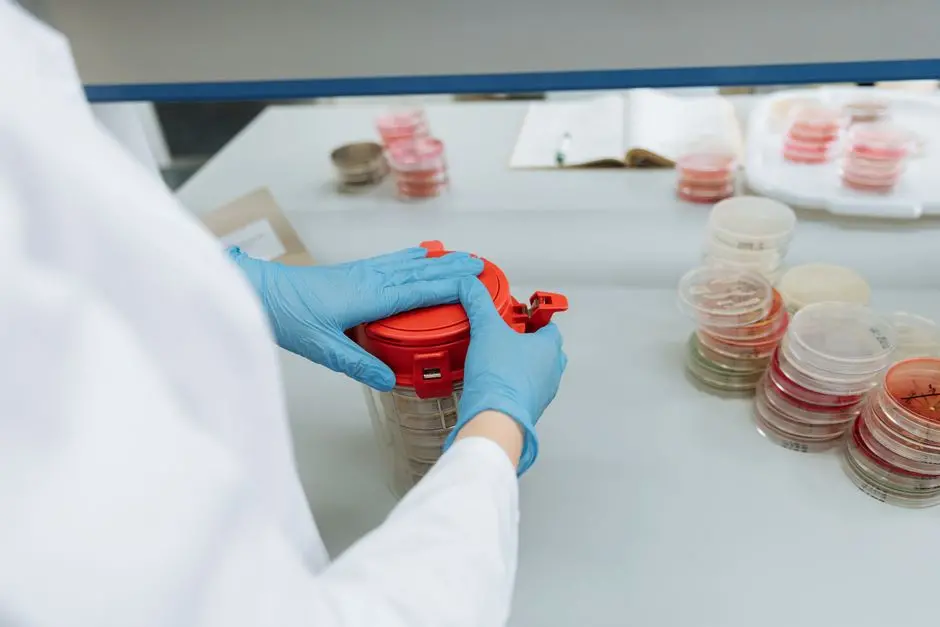
Crafting an impeccable animal study protocol is the strategic blueprint for ethical approval. We approach this as an engineering task, where precision and comprehensive detail are paramount. Every section demands unwavering clarity and rigorous justification. We begin with a compelling scientific rationale, articulating the clear hypothesis, specific aims, and the profound gap in knowledge our study will address. We unequivocally demonstrate why animals are indispensable for this specific research question and why no alternative models can achieve the same objectives. This is our Replacement justification.
Next, we construct an airtight experimental design. This includes meticulous detail on the species, strain, sex, age, source, and exact number of animals. Crucially, we present robust statistical justification for animal numbers, often relying on power analysis to demonstrate that our sample size is optimized for meaningful results without excess – our Reduction principle in action. Each procedure, from housing conditions and enrichment strategies to drug administration, surgical interventions, and post-operative care, requires step-by-step description. We delineate humane endpoints, pain assessment methods, and the specific analgesia and anesthesia regimens, underscoring our commitment to Refinement. We must pre-emptively identify potential adverse events and outline precise mitigation strategies. Common pitfalls include vague methodologies, insufficient statistical rigor, or a lack of clear endpoints. We eliminate these vulnerabilities by adopting a 'surgical strike' approach to protocol development, ensuring every detail withstands scrutiny.
Forge Expert Personnel & Facilities: The Human and Environmental Safeguards
The ethical integrity of animal studies extends far beyond a written protocol; it is intrinsically linked to the competency of the personnel and the suitability of the environment. We must cultivate a team of expert personnel, ensuring every individual involved in animal handling, experimentation, and care possesses demonstrably adequate training and experience. This includes formal certifications, institutional training modules in animal ethics, species-specific handling, procedural proficiency, and pain recognition. We document these qualifications meticulously. Our commitment extends to continuous education, ensuring our team remains at the vanguard of best practices in animal welfare.
Central to this human safeguard is the indispensable role of the attending veterinarian. We integrate veterinary expertise from the earliest stages of protocol development, leveraging their knowledge for optimal animal health management, appropriate medication use, and the establishment of robust emergency protocols. The physical environment demands equal scrutiny. We ensure our animal facilities adhere to or exceed national and international accreditation standards (e.g., AAALAC International). This encompasses stringent control over temperature, humidity, lighting, ventilation, and biosecurity. Furthermore, we implement comprehensive environmental enrichment programs, providing species-specific stimuli that promote natural behaviors and psychological well-being. This might involve social housing, access to gnawing materials, or structured play. These combined human and environmental safeguards are not optional; they form the robust infrastructure that underpins all ethical animal research, affirming our dedication to animal welfare beyond mere compliance.
Master the Review Process: Proactive Engagement and Strategic Refinement
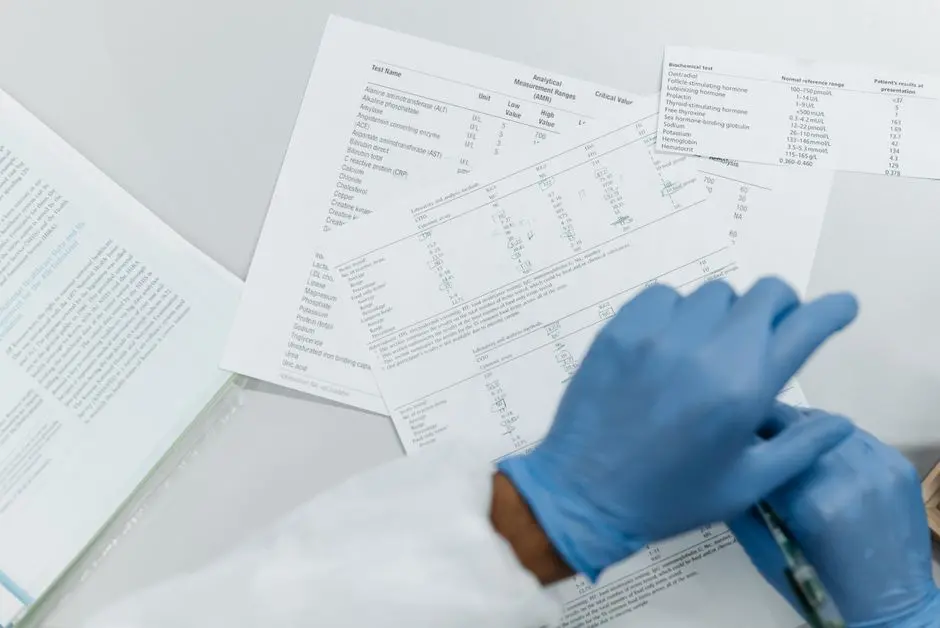
Submitting our protocol marks the transition from creation to crucial evaluation. We must now master the review process, approaching it with strategic foresight and proactive engagement. The IACUC, or equivalent committee, will meticulously scrutinize every facet of our submission. They assess adherence to the 3 Rs, scientific merit, ethical justification for animal use, personnel qualifications, and facility suitability. Review outcomes typically range from approval, approval with minor contingencies, to deferral (requiring significant revisions), or even disapproval. We anticipate potential questions and prepare clear, evidence-based responses.
A critical insider tip: consider a pre-submission consultation. Many institutions offer informal meetings with committee members or administrative staff to review drafts and identify potential issues before official submission. This can drastically reduce review cycles. Upon receiving committee feedback, we adopt a constructive, surgical approach. We address every point of concern directly, providing clear justifications for our methodology or proposing well-reasoned modifications. We avoid defensive postures; instead, we view feedback as an opportunity for refinement and strengthening our protocol's ethical foundation. If disagreements arise, we present our rationale with scientific evidence and ethical principles. We understand that this iterative process demands patience and precision, but our proactive engagement and willingness to refine our work will accelerate approval and ultimately enhance the scientific and ethical integrity of our study.

Uphold Continuous Compliance: Vigilance Beyond Initial Approval
Ethical approval is not a final destination; it is the launchpad for continuous vigilance and unwavering compliance throughout the life of the study. Our commitment to animal welfare and scientific integrity must persist beyond the initial approval letter. We implement robust systems for ongoing monitoring, which include regular animal health checks by veterinary staff and routine facility inspections by the IACUC. We establish transparent mechanisms for reporting adverse events – any unexpected morbidity, mortality, or signs of distress – promptly and thoroughly. This commitment to transparency is paramount; it strengthens trust and facilitates corrective actions.
We recognize that research evolves, necessitating protocol amendments. Whether a minor change in dosage or a major alteration to experimental design, we adhere to the prescribed institutional process for submitting and gaining approval for every modification. We never initiate changes without prior authorization. Furthermore, we meticulously prepare for annual reviews and triennial renewals, mandatory processes where the committee re-evaluates the continued ethical justification and scientific necessity of our ongoing studies. Comprehensive and accurate record-keeping of animal acquisition, housing, care, procedures, observations, and training is non-negotiable; it serves as irrefutable evidence of our compliance. We actively foster an institutional culture where ethical considerations are paramount, where open communication is encouraged, and where every team member feels empowered to identify and report welfare concerns. This sustained vigilance ensures that our research not only starts ethically but remains ethically sound until its completion.
Key Takeaways
Mastering Ethical Approval for Animal Studies
Securing ethical approval for animal studies is a critical, multi-stage process demanding meticulous planning and strict adherence to regulatory standards. We must first internalize the '3 Rs' principles (Replacement, Reduction, Refinement) and thoroughly understand institutional and national guidelines (e.g., IACUC, Guide for the Care and Use of Laboratory Animals). Proactive engagement with review committees is key. When drafting protocols, precision is paramount: clearly justify scientific rationale, provide robust statistical design, detail all procedures, and define humane endpoints. Personnel must be expertly trained and facilities compliant with welfare standards, supported by strong veterinary oversight. The review phase requires strategic engagement, addressing feedback constructively and considering pre-submission consultations. Finally, ethical responsibility extends beyond initial approval through continuous compliance, including prompt adverse event reporting, proper protocol amendments, and regular reviews. This holistic approach ensures both scientific integrity and animal welfare, accelerating research while upholding the highest ethical standards.
FAQ
-
What are the '3 Rs' and why are they fundamental to ethical animal research?
The '3 Rs' stand for Replacement, Reduction, and Refinement. They are fundamental ethical principles guiding the use of animals in research. Replacement means using non-animal alternatives whenever possible. Reduction involves minimizing the number of animals used while ensuring statistical validity. Refinement focuses on minimizing pain, distress, and enhancing animal welfare. These principles ensure that animal research is conducted with the highest ethical standards, prioritizing animal well-being while advancing scientific knowledge.
-
How long does the ethical approval process typically take?
The duration of the ethical approval process varies significantly based on the institution, the complexity of the protocol, and the completeness of the submission. Typically, a well-prepared protocol might receive approval or initial feedback within 4 to 8 weeks. However, if major revisions are required or if the committee meets infrequently, the process can extend to several months. Proactive engagement, meticulous preparation, and prompt responses to feedback can considerably shorten this timeline.
-
What are common reasons for a protocol rejection or request for significant revisions?
Common reasons for deferral or rejection include: insufficient scientific justification for animal use, lack of adherence to the 3 Rs principles (e.g., using too many animals without power analysis), vague or incomplete experimental procedures, inadequate provisions for pain relief or humane endpoints, insufficient documentation of personnel training and expertise, or non-compliance with institutional and regulatory guidelines. Failure to address previous committee feedback effectively also often leads to delays.
-
Can I make changes to my approved animal study protocol?
No, you cannot make changes to an approved animal study protocol without prior authorization. Any modification, whether minor (e.g., a change in drug supplier) or major (e.g., an increase in animal numbers, a new procedure), requires submitting an official protocol amendment to the IACUC (or equivalent committee) and obtaining their explicit approval before implementation. Proceeding with unapproved changes constitutes a serious breach of compliance.
-
What role does the veterinarian play in ethical approval and ongoing oversight?
The attending veterinarian plays a critical and multifaceted role. They are typically members of the IACUC, providing expert guidance on animal health, welfare, husbandry, and veterinary care aspects during protocol review. Post-approval, they oversee daily animal health monitoring, provide clinical care, ensure appropriate anesthesia and analgesia, monitor for adverse events, and advise on facility compliance. Their expertise is indispensable for maintaining high standards of animal welfare throughout the research lifecycle.