
> Regulations and Bioethics > Ethics in Animal Research > Command Compliance: Essential Strategies for Animal Research
Command Compliance: Essential Strategies for Animal Research
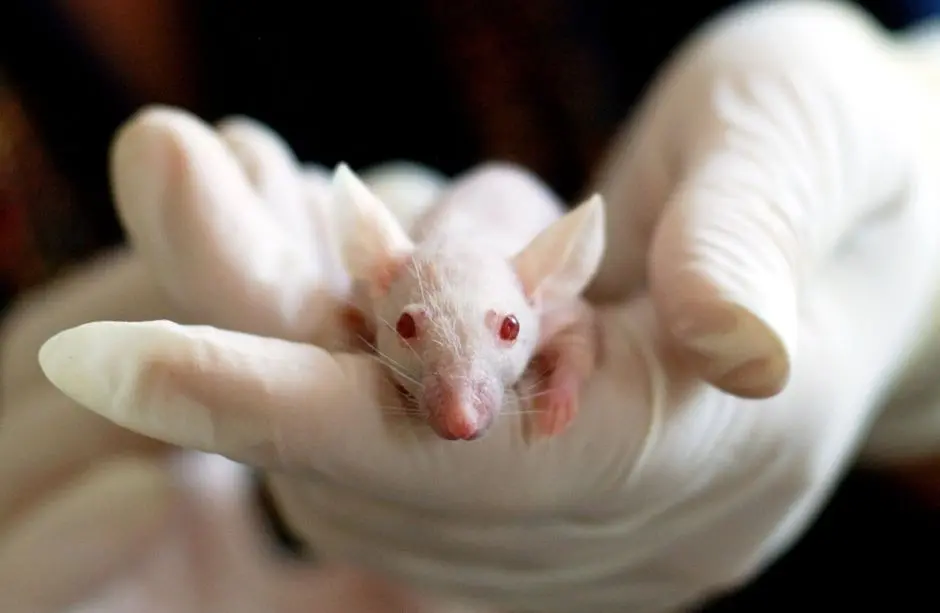
In the rigorous world of biological discovery, the integrity of research often hinges on our commitment to ethical practices. Animal studies, while indispensable for advancing human and animal health, operate under a stringent tapestry of regulations designed to protect welfare and ensure scientific validity. Navigating this intricate landscape requires more than mere awareness; it demands a strategic, proactive approach to compliance. Failures here do not just risk scientific setbacks; they jeopardize funding, reputation, and, most critically, the welfare of sentient beings.
This authoritative resource unlocks the critical compliance requirements that govern animal studies. We dissect the foundational principles, demystify complex regulatory frameworks, and equip you with actionable strategies to establish and maintain impeccable standards. Forge a robust compliance culture within your institution, transforming potential obstacles into pathways for pioneering ethical research. We explore how meticulous adherence to established guidelines forms the bedrock of credible science, building on the overarching principles of ethical animal experimentation. Prepare to elevate your understanding and execution, ensuring every animal study contributes meaningfully while upholding the highest ethical imperatives.
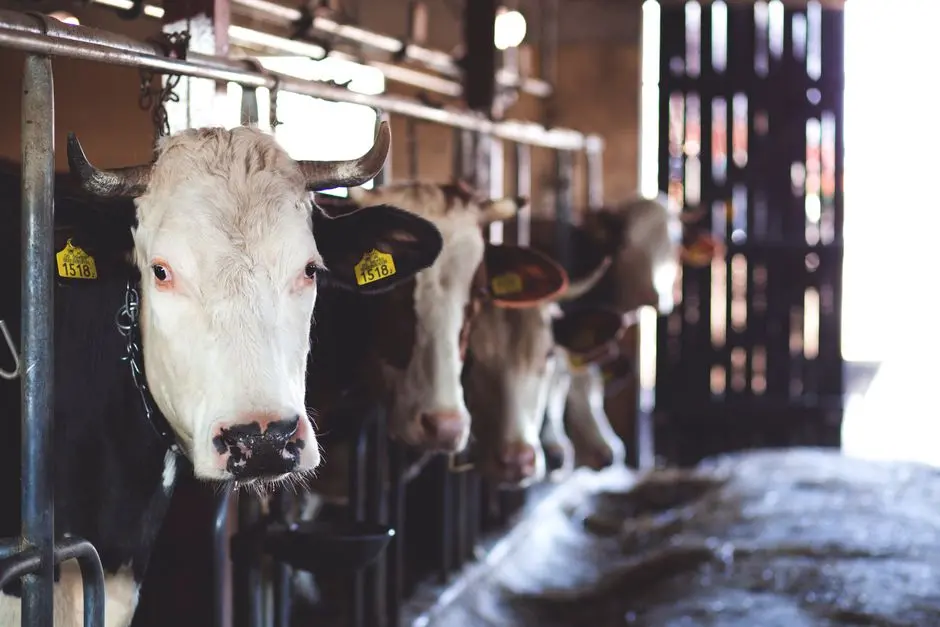
Establish Foundational Pillars: Navigating Core Regulatory Frameworks
We commence our journey by solidifying our understanding of the foundational regulatory frameworks that govern all animal studies. Ignorance of these pillars is not merely an oversight; it constitutes a critical vulnerability for any research program. Dominating this landscape are the Animal Welfare Act (AWA), enforced by the USDA, and the Public Health Service (PHS) Policy on Humane Care and Use of Laboratory Animals, which applies to all research funded by PHS agencies. While the AWA sets minimum standards for housing, husbandry, and veterinary care for certain species, the PHS Policy casts a wider net, encompassing all vertebrate animals used in research and mandating adherence to the rigorous standards outlined in The Guide for the Care and Use of Laboratory Animals (The Guide).
The Institutional Animal Care and Use Committee (IACUC) stands as the ultimate guardian of these standards within each institution. This multidisciplinary body, mandated by both AWA and PHS Policy, is not a bureaucratic hurdle but a critical partner. It scrutinizes every proposed animal study protocol, ensuring it aligns with the 3Rs principle: Replacement (using non-animal methods when possible), Reduction (minimizing animal numbers), and Refinement (optimizing welfare and minimizing pain/distress). We must actively integrate these principles into our study design from inception. Grasping the nuances of these interconnected regulations empowers us to build a compliance strategy that is both legally sound and ethically robust. Failure to identify which regulations apply to your specific species or funding source invites immediate scrutiny and potential cessation of research. Proactively map your regulatory obligations; this is our non-negotiable first step.
Architect Robust Protocols: Mastering the IACUC Submission
The IACUC protocol is more than a document; it is the blueprint for ethical animal research, meticulously detailing every facet of an animal study. Crafting a robust protocol demands precision, transparency, and a profound understanding of animal welfare. We must move beyond generic statements, providing concrete justifications for animal numbers, specific procedures, and precise endpoints. Your protocol must articulate the scientific necessity of animal use, clearly outlining how the proposed research cannot be conducted using non-animal models and how animal numbers are statistically justified for valid results, embracing the Reduction principle. Detail every step, from housing conditions and environmental enrichment to experimental manipulations, drug administration, and euthanasia methods. Pain and distress management plans are paramount, requiring specific analgesic regimens, monitoring strategies, and intervention criteria.
Common pitfalls arise from vague descriptions, insufficient justification, or a failure to anticipate potential welfare compromises. For instance, stating 'animals will be monitored' is inadequate; instead, specify 'animals will be observed twice daily by trained personnel for signs of lethargy, ruffled fur, and weight loss, with a pre-defined intervention threshold of >15% weight loss.' Ensure your team's qualifications are clearly documented, demonstrating competency for all procedures. A well-constructed protocol anticipates auditor questions and IACUC concerns, streamlining the approval process. We design protocols not merely to gain approval, but to execute studies with the highest standards of scientific rigor and animal welfare, embedding the Refinement principle into every procedural detail. This proactive approach saves time, resources, and most importantly, safeguards animal well-being.
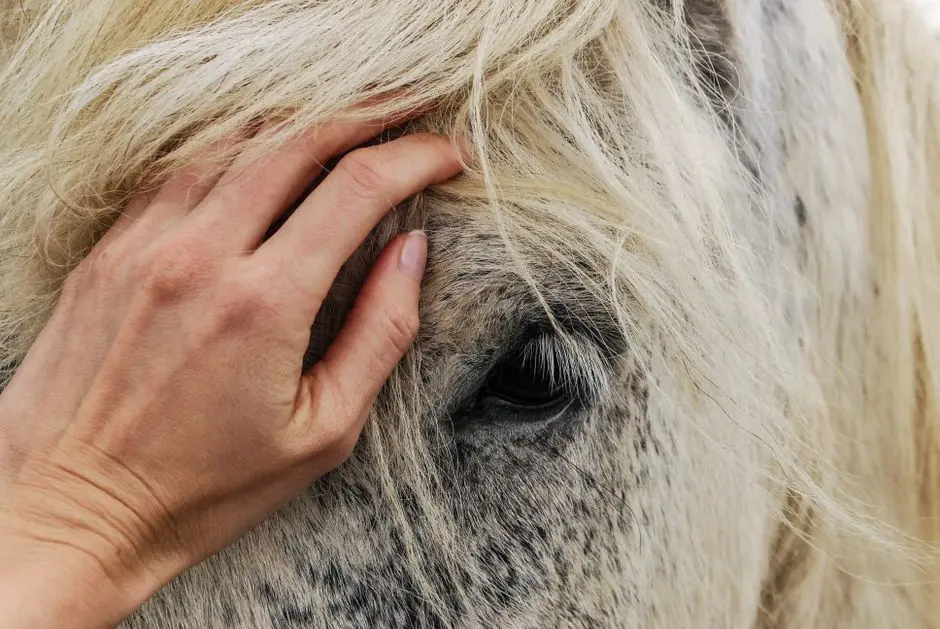
Drive Operational Excellence: Training, Facilities, and Animal Care
Compliance extends far beyond a signed protocol; it penetrates the daily operations of every animal facility. Our collective responsibility is to ensure that personnel are not only competent but also passionately committed to animal welfare. This demands a rigorous training program, encompassing animal handling, technical procedures, recognition of pain and distress, and emergency protocols. Comprehensive records of all training, initial and continuing education, must be meticulously maintained and readily accessible. No individual should perform any procedure on an animal without demonstrated proficiency and appropriate oversight. Invest in continuous education; it is an investment in both animal welfare and scientific integrity.
Facility standards are another cornerstone. Housing must meet or exceed AWA and Guide specifications for species-appropriate space, environmental enrichment, temperature, humidity, ventilation, and lighting. Regular maintenance, sanitation protocols, and pest control are non-negotiable. Veterinary care must be readily available and proactive, encompassing regular health surveillance, preventative medicine programs, and prompt diagnosis and treatment of illness or injury. Every animal’s health record, including daily husbandry checks, treatments, and behavioral observations, forms a critical documentation trail. We champion a culture where every member of the animal care team understands their vital role in maintaining the highest standards of care. Proactive identification and resolution of potential welfare issues are hallmarks of an excellent program. This operational vigilance is the bedrock of sustained compliance and ethical research practice.
Uphold Vigilance: Post-Approval Monitoring and Reporting
Approval of a protocol marks the beginning, not the end, of the compliance journey. Post-approval monitoring (PAM) is our continuous mechanism for ensuring that approved protocols are executed exactly as written, and that animal welfare remains paramount throughout the study's duration. This involves regular facility inspections, direct observation of procedures, and review of animal records by IACUC members, veterinary staff, or dedicated PAM personnel. We actively seek discrepancies between the approved protocol and actual practice, identifying deviations promptly and implementing corrective actions.
Equally critical is a robust system for reporting adverse events and non-compliance. Any unexpected animal morbidity or mortality, procedural deviations, or concerns regarding animal welfare must be immediately reported to the veterinary staff and IACUC. Transparency is key. The IACUC is obligated to investigate all allegations of non-compliance, implement corrective and preventive actions (CAPAs), and report serious or uncorrected non-compliance to institutional officials and funding agencies. This can result in protocol suspension, facility closure, or even loss of funding. Annual reviews and triennial full IACUC reviews of protocols are mandatory, providing opportunities to assess progress, incorporate new scientific insights, and ensure ongoing adherence to the 3Rs principle. We embrace these oversight mechanisms as essential tools for self-correction and continuous improvement, solidifying our commitment to ethical stewardship and the pursuit of valid scientific outcomes.

Master the Audit: Preparation and Continuous Improvement
External audits, whether from the USDA, PHS agencies, or voluntary accreditation bodies like AAALAC International, are inevitable. We approach these not as punitive inspections, but as invaluable opportunities to validate our compliance program and identify areas for enhancement. Proactive audit preparedness is paramount. This involves maintaining impeccable, organized records for all aspects of animal care and use: approved protocols, personnel training records, animal health records, facility inspection reports, IACUC meeting minutes, and non-compliance reports. Conduct regular internal audits and mock inspections to identify weaknesses before external auditors do. We train our staff not just on their daily duties but also on how to interact professionally and transparently with auditors, demonstrating our collective commitment to compliance.
Auditors meticulously scrutinize documentation, observe daily practices, and interview personnel. They look for a culture of compliance, not just checklist adherence. A program that actively fosters continuous improvement stands out. This means learning from audit findings, whether internal or external, and systematically implementing Corrective and Preventive Actions (CAPAs). We analyze root causes, develop clear action plans, assign responsibilities, and verify effectiveness. Compliance is a dynamic process, not a static state. We cultivate an environment where every individual feels empowered to raise concerns and contribute to program excellence. By embedding continuous improvement into our operational DNA, we not only ensure ongoing compliance but also elevate the standard of ethical animal research across our institution, solidifying our leadership in responsible scientific discovery.
Key Takeaways
Master Core Regulatory Frameworks
Compliance begins with a deep understanding of the Animal Welfare Act (AWA), PHS Policy, and The Guide. The IACUC is central to upholding these, focusing on the 3Rs (Replacement, Reduction, Refinement) to ensure ethical and scientifically sound animal use. Proactively identify and map your specific regulatory obligations to prevent vulnerabilities.
Architect & Submit Robust Protocols
Craft meticulous IACUC protocols detailing scientific justification, precise procedures, animal numbers, and robust pain/distress management plans. Avoid vague language; provide concrete, actionable details. A well-designed protocol, anticipating IACUC concerns, streamlines approval and reinforces ethical practice.
Ensure Operational Excellence & Training
Compliance is a daily commitment. Implement rigorous training for all personnel, maintain meticulous training records, and ensure facilities meet or exceed all standards for housing, husbandry, and veterinary care. Establish proactive health surveillance and maintain detailed animal health records.
Uphold Vigilance Through Monitoring & Reporting
Implement robust post-approval monitoring (PAM) to verify protocol adherence. Establish clear systems for immediate reporting of adverse events or non-compliance to veterinary staff and the IACUC. Embrace annual and triennial reviews as opportunities for continuous improvement and corrective action.
Master Audit Preparedness & Continuous Improvement
Prepare proactively for internal and external audits by maintaining comprehensive records and conducting mock inspections. Auditors seek a culture of compliance. Learn from findings, implement Corrective and Preventive Actions (CAPAs), and foster an environment of continuous improvement to elevate ethical standards and ensure sustained compliance.
FAQ
-
What is the primary role of an IACUC in animal studies?
The IACUC (Institutional Animal Care and Use Committee) is mandated to oversee and evaluate all aspects of an institution's animal care and use program. Its primary role involves reviewing and approving all proposed animal study protocols, ensuring they adhere to ethical guidelines and regulatory requirements (AWA, PHS Policy, The Guide), conducting semiannual facility inspections, reviewing the program, and investigating concerns about animal welfare. Essentially, the IACUC acts as the institutional conscience and regulatory body for animal research.
-
How do the 3Rs apply to animal study compliance?
The 3Rs (Replacement, Reduction, Refinement) are guiding ethical principles for animal research, central to compliance. Replacement pushes researchers to use non-animal methods (e.g., cell cultures, computer models) whenever possible. Reduction focuses on minimizing the number of animals used to obtain statistically significant results. Refinement aims to minimize pain, distress, and enhance the welfare of animals used in studies, through improved housing, analgesia, and experimental techniques. Integrating the 3Rs into protocol design is a fundamental compliance requirement.
-
What are common reasons for IACUC protocol disapproval or required modifications?
Common reasons include insufficient justification for animal numbers or species choice, inadequate description of procedures (especially those causing pain or distress), lack of appropriate pain management plans, unclear endpoints for animal removal from the study, inadequate personnel training documentation, or failure to address the 3Rs adequately. Protocols may also be disapproved if they do not align with institutional policies or federal regulations, or if the scientific merit, as judged by the IACUC, is deemed insufficient to justify animal use.
-
How often are animal study protocols typically reviewed?
Animal study protocols undergo multiple layers of review. They are typically subjected to a full IACUC review before approval. Post-approval, they require annual review by the IACUC to ensure ongoing relevance and compliance. Furthermore, federal regulations mandate a triennial (every three years) review, requiring a complete resubmission and full IACUC review of the protocol, regardless of its original approval date. This robust cycle ensures continuous oversight and adaptation to best practices.
-
What are the consequences of non-compliance with animal welfare regulations?
Consequences of non-compliance can be severe and far-reaching. They range from mandated corrective actions, protocol suspension, and cessation of research activities to withdrawal of federal funding (e.g., NIH grants), civil penalties, and criminal charges for serious violations of the Animal Welfare Act. Non-compliance can also lead to significant reputational damage for both individual researchers and their institutions, impacting public trust and future research opportunities. Institutions rigorously avoid non-compliance to protect animal welfare, research integrity, and institutional standing.