
> Regulations and Bioethics > Ethics in Animal Research > Forge Ethical Science: Implement the 3Rs in Animal Research
Forge Ethical Science: Implement the 3Rs in Animal Research
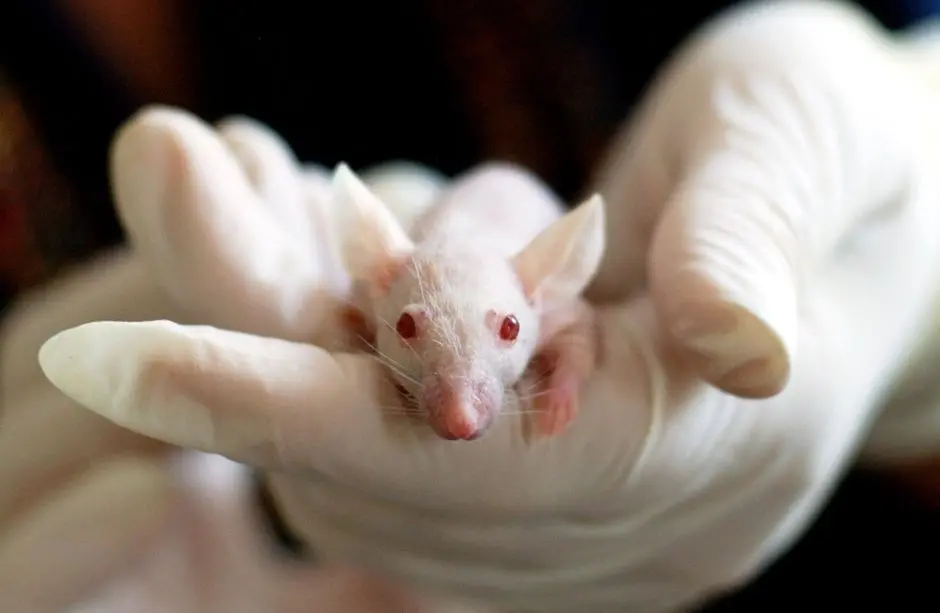
Navigating the complex landscape of biological research demands not just scientific rigor, but an unwavering commitment to ethical principles. In an era where public scrutiny and scientific integrity converge, the judicious use of animals in research stands as a cornerstone of responsible innovation. This article equips you, the visionary scientist, with the tactical blueprint to master the 3Rs principle: Replacement, Reduction, and Refinement. We dissect these foundational tenets, transforming abstract ideals into actionable strategies that elevate both your ethical standing and the robustness of your scientific outcomes. Uncover insider methodologies, avoid common pitfalls, and leverage cutting-edge approaches to minimize animal use and suffering without compromising discovery. This journey into the core of ethical animal research is not merely about compliance; it is about driving superior science through compassionate practice. Forge a future where groundbreaking biological advancements align seamlessly with paramount ethical standards, securing both scientific progress and public trust. Understanding these guidelines is paramount for anyone engaging with the regulations and ethical principles for animal experimentation, ensuring every step advances science responsibly and effectively.
The 3Rs Foundation: A Paradigm Shift in Research Ethics
The 3Rs principle—Replacement, Reduction, and Refinement—represents the bedrock of ethical animal experimentation, a framework transcending mere compliance to become an imperative for scientific excellence. Developed by William Russell and Rex Burch in their seminal 1959 work, "The Principles of Humane Experimental Technique," these concepts ignited a profound shift in how we approach animal research. Far from simply mitigating suffering, the 3Rs compel us to innovate, to question, and to elevate the scientific methodology itself. We do not just observe; we actively seek to minimize the ethical footprint of every study, driving both compassionate practice and more robust, reliable data.
This principle is globally enshrined in national and international legislation, serving as the core directive for institutional animal care and use committees (IACUCs) or ethical review bodies. It mandates that every research proposal involving animals undergoes rigorous scrutiny, demanding explicit justification for animal use and a clear demonstration of how the 3Rs have been diligently applied. Our objective is not to abolish animal research entirely, but to ensure that when it is absolutely necessary, it is conducted with the highest ethical standards, yielding maximum scientific benefit with minimal animal cost. This commitment forces us to constantly evolve our techniques, leveraging every biological and technological advance to push the boundaries of ethical possibility. We forge a research culture where scientific ambition is inextricably linked with an unwavering respect for sentient life, propelling discoveries that are not only impactful but also morally defensible.
Embracing the 3Rs is a strategic advantage. It fosters innovation by pushing researchers to explore novel methodologies, often leading to more predictive and human-relevant outcomes. It bolsters public trust, a critical currency for continued scientific funding and support. Furthermore, it often translates into more efficient research, optimizing resource allocation and minimizing experimental variability. We champion these principles not as constraints, but as catalysts for a superior scientific future, ensuring our breakthroughs are built on a foundation of integrity and foresight. By understanding the profound implications of each 'R', we empower ourselves to make informed, ethical choices that define the vanguard of modern biological inquiry.
A common oversight is to view the 3Rs as discrete, independent actions. In reality, they form an interconnected ecosystem. A successful replacement strategy reduces the need for animals, while effective refinement can often lead to more consistent data, thereby supporting reduction. Neglecting one aspect invariably compromises the others and, ultimately, the ethical standing and scientific validity of the research. We must adopt a holistic perspective, continuously evaluating our practices against this tripartite standard, moving beyond passive adherence to proactive integration.
Replacement: Pioneering Alternatives to Live Animal Models
Replacement stands as the most ambitious 'R', urging us to entirely substitute live animals with non-sentient alternatives or less sentient organisms whenever scientifically feasible. This imperative pushes the boundaries of innovation, driving the development of methods that not only sidestep ethical concerns but often yield data more directly applicable to human biology. We distinguish between absolute replacement, where no animals are used, and relative replacement, involving less sentient species (e.g., invertebrates instead of vertebrates) or early life stages before sentience develops.
Our strategic deployment of replacement hinges on exploring a diverse toolkit of alternatives. In vitro methods, utilizing isolated cells, tissues, or organs, offer controlled environments to study specific biological processes. Advances in 3D cell cultures, organ-on-a-chip technologies, and organoids now replicate complex physiological functions with unprecedented fidelity, providing human-relevant insights that traditional animal models often struggle to deliver. For instance, testing drug toxicity on human liver organoids can provide more accurate predictions of human reactions than relying solely on rodent studies, reducing attrition rates in drug development and accelerating therapeutic breakthroughs.
In silico models, leveraging computational biology, artificial intelligence, and machine learning, represent another powerful avenue. These sophisticated simulations can predict drug efficacy, toxicity, or disease progression by analyzing vast datasets, effectively screening compounds or understanding complex biological networks without a single animal being used. We are witnessing an explosion in predictive toxicology, where algorithms now anticipate chemical hazards with impressive accuracy, guiding early-stage research away from potentially harmful substances. The critical insight here is that these models are not just cost-effective; they frequently enhance the predictive power of our science.
Furthermore, the use of human-derived materials such as blood samples, biopsies, or post-mortem tissues, alongside sophisticated epidemiological studies and clinical trials, provides direct human data, bypassing the inherent challenges of interspecies extrapolation. While validation remains a key challenge for all new alternative methods, the investment in these areas is not just an ethical choice; it is a strategic scientific imperative. We actively seek to transition from models that approximate human biology to methodologies that directly investigate it, accelerating discovery and minimizing ethical compromises. The path to full replacement is arduous, demanding persistent innovation and rigorous validation, but it is a trajectory we must aggressively pursue for the future of ethical and effective biological research.
Reduction: Optimizing Design for Minimal Animal Use
Reduction compels us to minimize the number of animals used in any experiment, without compromising the statistical power or the scientific objectives. This is not about cutting corners, but about meticulous planning and intelligent execution, ensuring that every animal utilized provides maximum valuable data. We recognize that an underpowered study, using too few animals, is not only scientifically invalid but also ethically unacceptable, as animals are used without yielding robust conclusions. Conversely, using an excessive number of animals is an inefficient and unethical waste of sentient life.
The cornerstone of effective reduction lies in rigorous experimental design. Before commencing any study, a comprehensive statistical power analysis is mandatory. This calculates the minimum sample size required to detect a biologically meaningful effect with a specified level of confidence. Factors like effect size, variability, and the chosen statistical tests directly influence this number. Failing to conduct proper power analysis is a common error, leading either to studies that use too many animals or, more frequently, to studies that use too few, rendering the results inconclusive and the animal sacrifice in vain.
We leverage advanced methodologies to maximize information yield per animal. Longitudinal studies, where the same animals are observed over time, can significantly reduce overall animal numbers by collecting multiple data points from individual subjects. Techniques like non-invasive imaging (MRI, PET scans) allow for repeated measurements without invasive procedures, enhancing both animal welfare and data continuity. The implementation of group housing where appropriate, with careful consideration for species-specific social needs, can also reduce stress and improve welfare, indirectly supporting reduction by minimizing variability that might otherwise necessitate larger group sizes.
Meta-analysis and systematic reviews play a crucial role in reduction by synthesizing existing data, preventing unnecessary duplication of research. Before initiating a new study, a thorough literature search is essential to confirm that similar experiments have not already provided definitive answers. We advocate for transparent data sharing, enabling the scientific community to build upon previous findings without redundant animal use. This collaborative ethos fosters a collective reduction effort, transcending individual lab boundaries. By embracing these strategies, we optimize every experimental dollar and every animal life, driving efficiency and ethical stewardship in our pursuit of biological understanding.

Refinement: Elevating Animal Welfare and Minimizing Suffering
Refinement mandates the modification of husbandry or experimental procedures to minimize pain, suffering, distress, and lasting harm to animals, thereby enhancing their welfare throughout their lifespan in research. This 'R' acknowledges that even when replacement or reduction is not immediately possible, we bear an absolute responsibility to provide the highest possible quality of life and care. The commitment to refinement is not merely an act of compassion; it is a critical determinant of scientific data quality, as stressed animals can yield unreliable and highly variable results.
A proactive approach to refinement begins with comprehensive pain and distress management. This includes the judicious use of analgesics and anesthetics before, during, and after surgical procedures or any potentially painful interventions. Researchers must be proficient in recognizing subtle signs of pain and distress specific to each species, employing validated assessment tools to ensure effective alleviation. The establishment of humane endpoints is crucial: clearly defined criteria that mandate intervention, treatment, or euthanasia to prevent an animal from experiencing severe or prolonged suffering, even if it means premature termination of a study.
Environmental enrichment stands as a powerful tool in promoting psychological and physiological well-being. This encompasses providing opportunities for species-typical behaviors, such as nesting materials, perches, gnawing blocks, social companionship (where appropriate), and opportunities for exercise and exploration. Enrichment reduces boredom, anxiety, and stereotypies, creating environments that are stimulating rather than merely survivable. We must move beyond basic caging to create habitats that support an animal's natural behavioral repertoire, thus minimizing stress-induced physiological changes that can confound research data.
Furthermore, training and habituation of animals to handling and procedures significantly reduce stress responses, making data collection smoother and less invasive. The proficiency and empathetic approach of research personnel are paramount; well-trained individuals who understand animal behavior and are committed to their welfare are central to effective refinement. Regular monitoring of animal health and behavior, coupled with ongoing review of procedures by ethical committees, ensures that refinement strategies are continually updated and optimized. By meticulously implementing refinement, we not only uphold our ethical duties but also secure more reliable scientific outcomes, forging a research environment where ethical care directly translates into scientific excellence.

Integrating the 3Rs: A Strategic Imperative for Modern Biology
Integrating the 3Rs is not a checkbox exercise but a dynamic, continuous process embedded within the fabric of modern biological research. It demands a holistic perspective, where Replacement, Reduction, and Refinement are not isolated concepts but intertwined strategies that collectively elevate research integrity and impact. This strategic imperative requires commitment from every level, from individual researchers to institutional leadership and regulatory bodies. We recognize that true integration transforms the research landscape, yielding not just ethical compliance but superior scientific outcomes.
A critical component of this integration is robust regulatory oversight and ethical review boards, such as Institutional Animal Care and Use Committees (IACUCs) in the US or Animal Ethics Committees (AECs) elsewhere. These bodies serve as gatekeepers, rigorously scrutinizing research proposals to ensure the maximal application of the 3Rs. They challenge researchers to justify animal use, propose alternatives, optimize experimental design, and detail every aspect of animal welfare. Their role is advisory and oversight-oriented, guiding researchers toward best practices and holding them accountable for their ethical obligations. Active engagement with these committees, viewing them as collaborators rather than obstacles, strengthens research proposals and outcomes.
Fostering a pervasive culture of care within research institutions is equally vital. This culture extends beyond mere adherence to protocols; it embodies an institutional ethos that prioritizes animal welfare, encourages open discussion about ethical challenges, and celebrates innovations in 3Rs application. Training and education are paramount, ensuring all personnel involved in animal care and research are not only skilled in procedures but also deeply understand the rationale and implementation of the 3Rs. Regular internal audits and transparent reporting further reinforce this culture, driving continuous improvement and accountability.
The future of ethical animal research hinges on continuous innovation and the proactive adoption of emerging technologies. Advances in predictive toxicology, high-throughput screening, and sophisticated bioinformatics tools offer new avenues for replacement and reduction. Simultaneously, novel approaches to environmental enrichment and pain assessment continuously refine animal welfare practices. We must view the 3Rs not as static guidelines but as a call to perpetual innovation, pushing the boundaries of what is possible in responsible biological discovery. By proactively embracing this strategic imperative, we forge a research ecosystem that is scientifically rigorous, ethically sound, and universally respected, ensuring that our quest for knowledge advances humanity without compromising our values.
Key Takeaways
Foundation of Ethical Animal Research
The 3Rs—Replacement, Reduction, and Refinement—constitute the ethical and scientific bedrock for all animal experimentation. They mandate a proactive approach to minimize animal use and suffering while maximizing scientific rigor and data quality.
Replacement: Innovating Beyond Live Models
Replacement focuses on developing and utilizing non-animal methods (e.g., cell cultures, organoids, computational models) or less sentient organisms. This not only addresses ethical concerns but frequently leads to more human-relevant and predictive research outcomes.
Reduction: Optimizing Experimental Efficiency
Reduction aims to minimize the number of animals used without compromising statistical validity. Key strategies include rigorous experimental design, statistical power analysis, longitudinal studies, data sharing, and avoiding research duplication.
Refinement: Elevating Animal Welfare
Refinement involves modifying procedures and husbandry to alleviate pain, distress, and enhance animal well-being. This includes effective pain management, environmental enrichment, humane endpoints, and expert, compassionate care, all contributing to more reliable scientific data.
FAQ
-
What are the broader benefits of implementing the 3Rs beyond ethical considerations?
Implementing the 3Rs extends beyond ethics, yielding significant scientific and strategic advantages. It often drives innovation, leading to the development of more human-relevant experimental models (Replacement), which can reduce drug development costs and increase success rates. Optimized experimental designs (Reduction) enhance statistical power, reduce resource waste, and improve research efficiency. Enhanced animal welfare (Refinement) results in healthier, less stressed animals, reducing physiological variability and leading to more reliable, reproducible data. Ultimately, the 3Rs bolster public trust, secure regulatory approval, and position research institutions at the forefront of responsible scientific progress.
-
What is the most significant hurdle in achieving full Replacement in complex biological research?
The most significant hurdle in achieving full Replacement for complex biological research is replicating the intricate physiological interactions, systemic responses, and long-term effects found in whole organisms. While organoids and 'organ-on-a-chip' models have made immense strides, they often cannot fully mimic the endocrine, nervous, and immune system interplay, nor the full spectrum of disease progression over a lifetime. Validating these complex alternative models to ensure their predictivity and relevance to human conditions, across diverse pathologies and therapeutics, requires substantial investment, rigorous testing, and continued scientific innovation.
-
How can a small research laboratory effectively integrate the 3Rs principles with limited resources?
Small laboratories can effectively integrate the 3Rs through several practical strategies. Focus on Refinement by optimizing animal husbandry, providing appropriate environmental enrichment tailored to the species, and ensuring meticulous pain management, which are often low-cost improvements. For Reduction, meticulous experimental design, statistical power analysis before starting experiments, and sharing resources or collaborating to avoid redundant studies are key. Regarding Replacement, actively exploring the use of existing cell lines, computational models, or accessing shared human tissue banks can be viable first steps. Engaging with institutional animal care committees and seeking advice from 3Rs centers often provides access to free resources and expert guidance.