
> Regulations and Bioethics > Ethics in Animal Research > Unlocking the Mandate: Why Animal Testing Demands Strict Regulation
Unlocking the Mandate: Why Animal Testing Demands Strict Regulation
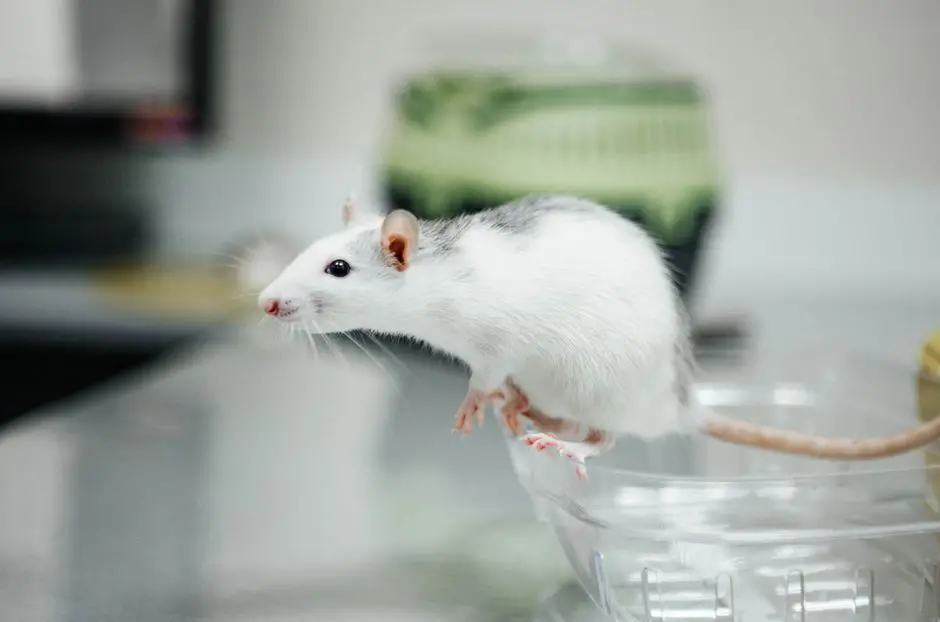
Venture into the complex domain where groundbreaking biological research intersects with profound ethical responsibilities. Animal testing, a cornerstone for advancing medicine and understanding biological processes, stands at the frontier of innovation, yet carries significant ethical weight. How do we ensure scientific progress while upholding the welfare of the animals involved? This question isn't theoretical; it’s a critical challenge demanding robust frameworks. Without stringent oversight, the potential for abuse, neglect, and scientifically unsound practices escalates, undermining both ethical standards and research credibility.
We embark on an exploration of the indispensable reasons behind the meticulous regulation of animal testing in science. This deep dive reveals the historical catalysts, the foundational ethical principles, and the sophisticated legal structures that govern this vital field. We dissect the crucial role of external review, the implementation of the '3Rs' (Replacement, Reduction, Refinement), and the continuous push for transparency and accountability. Prepare to decode the intricate web of policies and bioethical considerations that safeguard both scientific integrity and animal welfare, ensuring that every research endeavor is conducted with the highest degree of responsibility and scrutiny. This journey through the landscape of animal experimentation regulation is essential for anyone seeking to master the principles that govern the ethical conduct of animal experimentation.

Unveiling the Regulatory Imperative for Animal Research
The historical backdrop to animal research is complex, marked by periods of invaluable discovery alongside concerning lapses in ethical conduct. Early scientific investigations, while often pioneering, frequently lacked standardized protocols for animal welfare. This absence of oversight led to inconsistent treatment, unnecessary suffering, and, in some cases, public outcry. Such abuses, both perceived and real, eroded public trust in scientific institutions and catalyzed a demand for change. It became unequivocally clear that self-regulation alone was insufficient to guarantee humane treatment and scientific integrity.
The imperative for regulation stems from a foundational bioethical premise: animals, particularly vertebrates, possess the capacity to experience pain, distress, and suffering. Acknowledging this capacity compels us to impose limitations on their use in research, balancing potential scientific benefits against the moral cost to the animals. We recognize that the pursuit of knowledge, however vital, cannot be unfettered by ethical considerations. Regulations emerge as a societal compact, a commitment to protect vulnerable research subjects and uphold a minimum standard of care. This commitment is not merely philanthropic; it directly underpins the legitimacy and public acceptance of scientific endeavors that rely on animal models.
Moreover, the reproducibility and validity of scientific findings are intrinsically linked to animal welfare. Stress, pain, and inappropriate housing conditions can profoundly impact an animal's physiology, skewing research data and leading to unreliable results. Regulated environments, ensuring optimal welfare and standardized care, therefore become critical for robust experimental outcomes. We forge a scientific environment where ethical conduct and rigorous methodology are not mutually exclusive but profoundly interdependent, driving both moral responsibility and empirical accuracy. This dual imperative — ethical obligation and scientific validity — crystallizes the absolute necessity for strict regulatory frameworks governing animal testing.

Mastering the Core Principles: The 3Rs as a Foundation
At the heart of modern animal research regulation lies the framework of the '3Rs': Replacement, Reduction, and Refinement. These principles, first articulated by Russell and Burch in 1959, are not merely guidelines; they are dynamic directives that actively shape every facet of experimental design and institutional policy. We implement these principles to minimize the ethical footprint of animal research while maximizing its scientific yield.
- Replacement: This principle challenges us to avoid using animals altogether whenever scientifically sound alternatives exist. We actively seek out and validate non-animal methods such as in vitro studies (cell cultures, organoids), computer modeling (in silico), human volunteers, and epidemiological data. The drive for replacement pushes innovation in alternative technologies, continually expanding our capacity to conduct research without sentient beings.
- Reduction: When animal use is unavoidable, we commit to using the absolute minimum number of animals necessary to obtain statistically significant and scientifically robust results. This involves meticulous experimental design, statistical power analysis, sharing of control groups, and optimizing data collection to derive maximum information from each animal. We rigorously question study size, ensuring no animal is used redundantly.
- Refinement: This principle focuses on minimizing any potential pain, suffering, distress, or lasting harm experienced by animals throughout their lives, from birth to euthanasia. This includes optimizing housing conditions, providing environmental enrichment, implementing advanced pain management strategies, using less invasive techniques, and training personnel to handle animals humanely. We continuously enhance animal well-being, transforming every aspect of care and procedure.
The 3Rs are foundational, integrated into national legislation and institutional review processes worldwide. We don't just apply them; we embed them into the very culture of scientific inquiry, making them the default approach for ethical and effective animal research.

Decoding Global Regulatory Frameworks and National Implementations
The regulatory landscape for animal testing is a complex tapestry woven from international agreements and distinct national legislations. While the underlying ethical principles, such as the 3Rs, enjoy broad consensus, their specific implementation varies significantly across jurisdictions. We navigate this intricate web to understand how oversight is established and enforced globally.
- European Union (EU): The EU Directive 2010/63/EU on the protection of animals used for scientific purposes stands as one of the world's most comprehensive and stringent regulatory frameworks. It covers all vertebrate animals and certain invertebrates, mandating ethical review, competent authority authorization for projects, staff training, and promotion of the 3Rs. Member states must transpose this directive into national law, leading to strong legislative bodies like the Animals (Scientific Procedures) Act 1986 in the UK (prior to Brexit, which has largely retained its principles).
- United States: In the U.S., regulation is multi-layered. The Animal Welfare Act (AWA), enforced by the USDA, covers warm-blooded animals (excluding rats, mice, and birds bred for research, and farm animals used in agricultural research). For federally funded research involving all vertebrates, the Public Health Service (PHS) Policy on Humane Care and Use of Laboratory Animals applies, mandating adherence to the 'Guide for the Care and Use of Laboratory Animals'. These regulations compel institutions to establish Institutional Animal Care and Use Committees (IACUCs).
- Other Regions: Countries like Canada, Australia, Japan, and others possess their own robust regulatory systems, often incorporating elements of the 3Rs, ethical review processes, and licensing requirements for facilities and projects. We observe a global trend towards increasing stringency and transparency in animal research oversight.
Understanding these diverse frameworks is crucial for international collaborative research and for ensuring universal compliance. We champion an approach that not only meets minimum legal requirements but strives for best practices in every jurisdiction, fostering a global culture of ethical scientific conduct.
Operationalizing Compliance: Ethical Review Boards and Licensing
Effective regulation hinges on the operational mechanisms that translate principles into practice. Central to this are the ethical review boards and robust licensing systems. We establish these structures as the frontline guardians of animal welfare and research integrity.
- Ethical Review Boards (e.g., IACUCs): Institutions conducting animal research are mandated to establish independent committees responsible for reviewing and approving all proposed animal studies. In the U.S., these are Institutional Animal Care and Use Committees (IACUCs); in the EU, equivalent Animal Welfare Bodies and ethical review committees fulfill this role. These committees comprise veterinarians, scientists, non-scientific members, and community representatives, bringing diverse perspectives to the review process. We empower these committees to scrutinize every aspect of a research proposal: the scientific merit, the justification for animal use, adherence to the 3Rs, detailed procedures for animal care, pain management, and endpoint criteria. No animal study proceeds without their explicit approval.
- Licensing and Authorization: Beyond individual project approval, research facilities themselves, as well as specific projects and personnel, often require licenses or authorizations from national competent authorities. These licenses are granted only after rigorous inspection of facilities, assurance of appropriate staffing, and demonstration of a commitment to high standards of animal welfare. We ensure that only facilities meeting stringent criteria are permitted to conduct animal research, reinforcing accountability at an institutional level.
- Continuous Oversight and Reporting: Regulation is not a one-time event. Ethical review boards conduct post-approval monitoring, facility inspections, and require annual reports on animal numbers and any adverse events. This ongoing oversight ensures that approved protocols are adhered to and that any deviations are promptly addressed. We foster a culture of continuous improvement, where compliance is an ongoing, active process, not a passive checkbox exercise. This relentless commitment to scrutiny is what safeguards the welfare of research animals and reinforces public trust in scientific endeavors.
The Bioethical Nexus: Balancing Progress and Welfare
At its core, the regulation of animal testing grapples with a profound bioethical dilemma: how to balance the undeniable potential for scientific progress that benefits human and animal health against the moral imperative to prevent harm to sentient beings. We confront this nexus head-on, recognizing that easy answers are rare.
- Defining Necessity: A cornerstone of ethical review is the rigorous justification for animal use. Is there a genuine need for an animal model that cannot be met by alternatives? Is the research question sufficiently important to warrant the use of animals? We demand compelling scientific rationale, ensuring that animal studies are not merely convenient, but genuinely necessary for addressing significant knowledge gaps or developing critical therapies.
- Quantifying Suffering: Assessing and minimizing animal suffering is a continuous challenge. Regulations mandate pain and distress categories, requiring researchers to choose endpoints that prevent severe or prolonged suffering. We utilize refined scoring systems and behavioral indicators to monitor animal well-being proactively. The goal is not just to alleviate pain, but to prevent its occurrence, fostering an environment where animals experience minimal distress throughout the study.
- Cost-Benefit Analysis: Ethical committees inherently perform a form of cost-benefit analysis, weighing the potential societal benefits of the research against the potential harm to the animals. This is not a purely quantitative exercise but a qualitative judgment, informed by scientific expertise, ethical principles, and societal values. We strive for a calculus where the scientific gains are substantial, the animal welfare impact is minimized, and the experimental design adheres to the highest standards of the 3Rs.
- Public Engagement and Transparency: The ethical legitimacy of animal research is intrinsically linked to public understanding and acceptance. We foster greater transparency, communicating the reasons for animal use, the protective measures in place, and the scientific outcomes achieved. This open dialogue builds trust and reinforces the societal compact that allows animal research to proceed under strict ethical guidelines.

Forging a Future: Innovation, Transparency, and Continuous Advancement
The regulatory landscape for animal testing is not static; it is a dynamic field continually evolving in response to scientific advancements, ethical insights, and societal expectations. We are actively shaping a future where animal research is not only ethically compliant but also consistently pushing the boundaries of humane practice and scientific innovation.
- Advancement in Alternatives: The drive for Replacement continues to fuel innovation in non-animal models. We are seeing breakthroughs in organ-on-a-chip technologies, advanced computational models, and sophisticated human cell-based assays that offer increasingly powerful tools for research. Regulations actively encourage and fund the development and validation of these alternatives, providing a clear pathway towards reducing reliance on animal models.
- Enhanced Welfare Science: Research into animal welfare itself is a burgeoning field. Understanding animal sentience, pain mechanisms, and psychological needs allows us to continually refine housing, husbandry, and experimental procedures. We integrate these scientific findings directly into regulatory guidance and best practice documents, ensuring that welfare standards are always evidence-based and progressive.
- Global Harmonization and Best Practices: While national regulations vary, there is a growing movement towards international harmonization of best practices. Organizations and consortia are working to share knowledge, standardize protocols, and promote high ethical standards globally. We participate in these efforts, advocating for a universal commitment to the 3Rs and robust oversight.
- Transparency and Public Dialogue: Openness about animal research builds public trust and fosters informed dialogue. Initiatives to publish non-technical summaries of animal studies, provide facility tours, and engage with advocacy groups demonstrate a commitment to accountability. We champion these transparency efforts, recognizing that public understanding is essential for the sustained ethical conduct of science.
By embracing innovation, demanding transparency, and fostering continuous improvement, we are forging a future where animal testing is conducted with unparalleled ethical rigor and where the ultimate goal of biomedical advancement is achieved with the least possible impact on animal welfare. This is our proactive commitment to an optimized scientific frontier.
Key Takeaways
The Indispensable Role of Regulation
Animal testing regulations emerged from a critical need to address historical abuses, uphold public trust, and ensure scientific validity. These frameworks are not optional; they are the bedrock upon which ethical and reliable biomedical research is built. We must recognize that societal values and scientific progress are inextricably linked, demanding robust oversight to protect sentient beings while advancing knowledge.
The 3Rs: Guiding Principles for Ethical Research
The principles of Replacement, Reduction, and Refinement are the cornerstone of modern animal research ethics. They actively guide experimental design, pushing us to avoid animal use where possible, minimize numbers when necessary, and continually improve welfare conditions. Implementing the 3Rs is a proactive commitment to responsible science and continuous ethical optimization.
Multilayered Oversight and Accountability
Effective regulation relies on a complex network of ethical review boards (e.g., IACUCs), national competent authorities, and licensing systems. These bodies rigorously scrutinize research proposals, facilities, and personnel, ensuring continuous compliance and adherence to welfare standards. This multilayered approach guarantees that accountability is embedded at every level of the research ecosystem, safeguarding animals and maintaining scientific integrity.
Navigating the Bioethical Balance
Animal testing forces us to confront the profound bioethical challenge of balancing scientific progress with the moral imperative to prevent harm. Regulations provide the framework for this difficult calculus, demanding clear scientific justification, meticulous minimization of suffering, and a transparent dialogue with the public. We actively engage this challenge, striving for a future where innovation is pursued with the utmost ethical rigor and responsibility.
FAQ
-
Why can't all animal testing be replaced with alternatives immediately?
While the goal is to replace animal testing whenever possible, currently, no single alternative can fully replicate the complexity of a whole living organism's physiological systems and disease progression. Many diseases involve intricate interactions between organs, immune responses, and genetic factors that are not yet fully mimicked by in vitro or in silico models. We consistently invest in and validate new alternatives, but for certain complex biological questions, animal models remain essential for now, under strict regulation.
-
Who is responsible for enforcing animal testing regulations?
Enforcement is a multi-tiered responsibility. At the institutional level, ethical review boards (like IACUCs in the US or Animal Welfare Bodies in the EU) provide primary oversight, approving protocols and monitoring compliance. At the national level, government agencies (e.g., USDA in the US, national competent authorities in EU member states) conduct inspections, issue licenses, and enforce legal statutes. We ensure these bodies operate with independence and rigor.
-
What happens if a research facility violates animal welfare regulations?
Violations can lead to severe consequences. These range from suspension or revocation of research protocols, loss of institutional accreditation or funding, substantial fines, and in egregious cases, criminal charges against individuals. We uphold zero tolerance for non-compliance, demonstrating that ethical lapses carry serious repercussions and that accountability is paramount in safeguarding animal welfare.
-
How do regulations ensure animal pain is minimized during experiments?
Regulations mandate comprehensive pain management strategies. This includes the use of anesthesia for surgical procedures, regular administration of analgesics (pain relievers) before, during, and after procedures, and monitoring for signs of pain or distress. Researchers must detail their pain management plans in their protocols, which are rigorously reviewed by ethical committees. We prioritize proactive pain prevention and relief as a fundamental component of humane research.