
> Basic Biology Concepts > DNA and Genetic Information Basics > Decoding Life's Blueprint: The Essential Roles of mRNA, tRNA, and rRNA
Decoding Life's Blueprint: The Essential Roles of mRNA, tRNA, and rRNA
The intricate dance of life hinges on a molecule often overshadowed by its more famous cousin, DNA: RNA. While DNA stores the genetic blueprint, it is RNA that actively translates this static information into the dynamic machinery of proteins, the workhorses of every living cell. Understanding the precise roles of messenger RNA (mRNA), transfer RNA (tRNA), and ribosomal RNA (rRNA) is not merely academic; it unlocks the very secrets of how genetic information flows and is expressed. Imagine a complex manufacturing plant: DNA is the master architectural plan, but mRNA, tRNA, and rRNA are the crucial project managers, material transporters, and assembly line robots, respectively. Without their flawless coordination, the entire system grinds to a halt, leading to cellular dysfunction or disease.
We will dismantle the complexities of gene expression, revealing how these three indispensable RNA molecules orchestrate the creation of proteins with breathtaking precision. Prepare to master the foundational principles governing genetic material, gaining an authoritative command over the central dogma of molecular biology and the vital functions that underpin all biological existence. This journey will equip us with a specialist's understanding, transforming abstract concepts into actionable biological insights.
Unveiling RNA: The Dynamic Bridge of Genetic Information
We forge a foundational understanding of RNA, the dynamic bridge between the genetic blueprint stored in DNA and the functional proteins that drive cellular life. Unlike DNA's robust, double-helical architecture, RNA typically exists as a single-stranded nucleic acid, granting it structural flexibility crucial for its diverse functions. Its backbone comprises a ribose sugar, contrasting with DNA's deoxyribose, and it utilizes uracil (U) instead of thymine (T) to pair with adenine (A). This chemical alteration impacts its stability and interaction profiles, enabling it to fold into complex three-dimensional shapes, critical for its catalytic and structural roles.
The Central Dogma firmly establishes RNA's indispensable role: genetic information flows from DNA to RNA, then to protein. RNA is not merely a passive copy; it actively participates in translating static genetic code into dynamic cellular machinery. This transient nature and structural versatility are key biological optimizations. A cell rapidly produces, utilizes, and degrades RNA molecules, allowing for incredibly precise and responsive control over gene expression. This strategic transience minimizes cellular resource commitment for unneeded proteins, presenting an elegant solution for metabolic efficiency. The short half-life of many RNA molecules ensures that protein production can be quickly adjusted based on environmental cues.
Our journey begins by dissecting this fundamental distinction: DNA functions as the secure, long-term archive, while RNA serves as the active, short-term transcript and effector molecule. This distinction is paramount for comprehending cellular control. Beyond its direct involvement in protein synthesis, RNA exhibits a spectrum of diverse roles, from catalytic ribozymes to regulatory microRNAs, hinting at its ancient origins as a primary biological molecule. Understanding RNA’s foundational characteristics illuminates why life evolved this complex system—it empowers rapid adaptation and precise regulation, forming the bedrock upon which the specialized functions of mRNA, tRNA, and rRNA are built. We unlock the initial gateway to understanding life's most intricate molecular dance.
Messenger RNA (mRNA): The Blueprint's Express Delivery
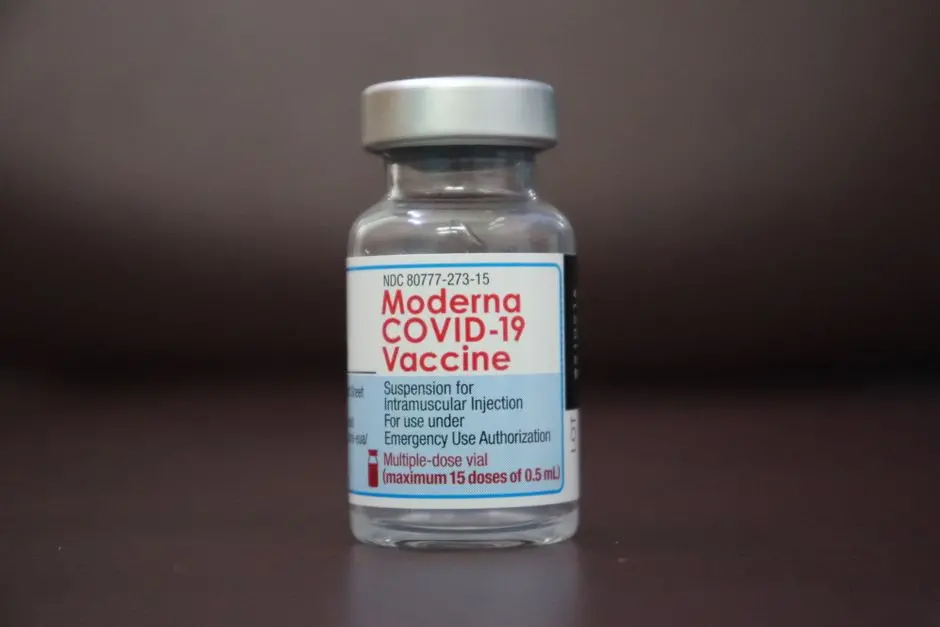
We activate our understanding of messenger RNA (mRNA), the indispensable carrier of genetic instructions, propelling the DNA blueprint from its archival sanctuary to the cellular protein factories. mRNA's primary mission is to translate specific gene sequences into a disposable, yet accurate, working copy. This process, known as transcription, meticulously copies a gene's DNA sequence into an mRNA molecule using RNA polymerase. Each three-nucleotide sequence on mRNA, termed a codon, precisely dictates which amino acid will be incorporated into the nascent protein, with specific start (AUG) and stop codons delineating the protein's boundaries.
In eukaryotic cells, mRNA undergoes sophisticated maturation before it is deemed fit for translation. This crucial series of modifications ensures stability, proper transport, and efficient ribosomal binding. The pre-mRNA molecule acquires a 5' cap, a modified guanine nucleotide, essential for protection from degradation and for ribosomal recognition. Concurrently, a poly-A tail, a string of adenine nucleotides, is added to the 3' end, further enhancing stability and regulating its lifespan in the cytoplasm. Most critically, eukaryotic pre-mRNA undergoes splicing, where non-coding introns are precisely excised, and coding exons are ligated together. This intricate process ensures the removal of junk sequences and generates a continuous coding sequence ready for translation.
This journey from nucleus to cytoplasm is a tightly regulated express delivery. Cellular mechanisms, such as nuclear pore complexes, ensure only fully processed and validated mRNA molecules exit. Common errors in this pathway, particularly in splicing, can lead to truncated or non-functional proteins, often implicated in various genetic disorders. For instance, a single misplaced splice junction can render an entire protein useless. Cells deploy robust quality control systems, like nonsense-mediated mRNA decay (NMD), which actively degrade mRNAs containing premature stop codons, thereby preventing the synthesis of potentially harmful protein fragments. We conquer the intricate steps ensuring that the genetic message arrives intact and ready for execution, highlighting mRNA’s role as the precisely engineered communication link in the cell's command center.

Transfer RNA (tRNA): The Molecular Translator
We deploy our focus on transfer RNA (tRNA), the ingenious molecular translator that deciphers the genetic code embedded in mRNA and brings the correct amino acids into position for protein synthesis. tRNA molecules are relatively small, typically around 70-90 nucleotides, but possess a highly conserved and intricate structure. Their characteristic cloverleaf secondary structure, with distinct stem-loops, folds further into a compact L-shaped tertiary structure, essential for its function within the ribosome. This precise three-dimensional configuration enables its critical interactions.
Each tRNA molecule is specialized, possessing two crucial recognition sites. At one end, the anticodon loop harbors a triplet of nucleotides that is precisely complementary to a specific mRNA codon. This base-pairing interaction is the foundation of genetic decoding fidelity. At the opposite end, the acceptor stem serves as the attachment site for a particular amino acid. The crucial task of coupling the correct amino acid to its corresponding tRNA molecule is performed by a highly specific enzyme family known as aminoacyl-tRNA synthetases. These enzymes represent a pinnacle of molecular recognition, ensuring that the appropriate amino acid is "charged" onto its cognate tRNA, a process termed aminoacylation. This fidelity is absolutely paramount; a single mischarged tRNA can lead to the insertion of an incorrect amino acid into a protein chain, potentially compromising its function.
During translation, tRNA molecules dynamically interact with both the mRNA template and the ribosome. As the ribosome moves along the mRNA, exposed codons are recognized by complementary tRNA anticodons. The incoming tRNA, carrying its specific amino acid, occupies designated sites within the ribosome, facilitating the transfer of its amino acid to the growing polypeptide chain. This continuous cycle of binding, amino acid donation, and release underscores tRNA’s role as the ultimate adaptor molecule. The cellular machinery enforces stringent proofreading mechanisms by aminoacyl-tRNA synthetases, ensuring an error rate as low as 1 in 10,000 for aminoacylation. We unlock the elegant mechanism by which genetic language is converted into the functional language of proteins, revealing tRNA as the critical linguistic bridge in the cell's communication network.
Ribosomal RNA (rRNA): The Catalytic Core of Protein Synthesis
We elevate our understanding of ribosomal RNA (rRNA), recognizing it as the quintessential structural and catalytic engine of protein synthesis. Ribosomes, the complex molecular machines responsible for translating mRNA into protein, are not merely protein structures. They are intricate ribonucleoprotein complexes, where rRNA constitutes the major mass and plays the dominant role in both structure and function. In fact, ribosomes are often referred to as ribozymes, emphasizing the critical catalytic activity performed by the rRNA itself rather than by the associated ribosomal proteins.
Each ribosome is composed of two distinct subunits: a large subunit and a small subunit, which come together around an mRNA molecule to initiate translation. The small subunit is primarily responsible for binding to the mRNA and ensuring correct pairing between mRNA codons and tRNA anticodons. The large subunit, however, is the catalytic powerhouse. Within its core, the rRNA molecules orchestrate the formation of peptide bonds between incoming amino acids, extending the nascent polypeptide chain. This crucial enzymatic activity, known as peptidyl transferase activity, is directly attributed to the rRNA. The ribosomal proteins, while important for stability and fine-tuning the ribosome's function, mainly serve to scaffold the rRNA and facilitate its proper folding and assembly.
The highly conserved nature of rRNA sequences across all domains of life—from bacteria to humans—underscores its fundamental evolutionary importance. Any significant mutation in rRNA can severely impair ribosomal function, leading to widespread disruptions in protein synthesis and, consequently, cellular dysfunction or death. For example, many antibiotics specifically target bacterial rRNA, inhibiting protein synthesis in pathogens without harming host cells, a testament to rRNA’s vital and precisely conserved active sites. We dissect the rRNA’s dual role as architect and enzyme, pinpointing its central role in synthesizing the very proteins that define life. This understanding cements rRNA's position as the bedrock of cellular activity, where its integrity directly correlates with the cell’s ability to thrive and adapt.
The Orchestrated Symphony: mRNA, tRNA, and rRNA in Gene Expression
We undertake an immersive tour of the entire protein synthesis pathway, witnessing the breathtaking, orchestrated symphony where mRNA, tRNA, and rRNA converge to produce functional proteins. This complex biological process, known as translation, unfolds in three critical stages: initiation, elongation, and termination, each meticulously governed by the integrated actions of our three RNA protagonists.
Initiation commences when the small ribosomal subunit recognizes and binds to the mRNA molecule, typically at the start codon (AUG). An initiator tRNA, carrying methionine, then precisely binds to this start codon. Subsequently, the large ribosomal subunit joins the complex, forming a fully functional ribosome poised for synthesis. During the elongation phase, the ribosome moves progressively along the mRNA. Each incoming tRNA, correctly charged with its specific amino acid and bearing an anticodon complementary to the mRNA codon, enters the ribosome's A-site. The rRNA within the large subunit, exhibiting its potent peptidyl transferase activity, catalyzes the formation of a peptide bond between the incoming amino acid and the nascent polypeptide chain. Following peptide bond formation, the ribosome translocates, shifting the mRNA and tRNAs, ensuring the next codon is positioned for decoding.
The symphony concludes with termination. When the ribosome encounters a stop codon (UAA, UAG, or UGA) on the mRNA, no corresponding tRNA exists. Instead, specific release factors bind to the stop codon, prompting the hydrolysis of the bond between the polypeptide and the tRNA in the P-site. This action causes the release of the newly synthesized polypeptide chain and the dissociation of the ribosomal subunits, ready for another round of protein production. This entire process demands substantial energy, primarily fueled by GTP hydrolysis, underscoring its cellular importance. The cell's ability to efficiently produce multiple copies of a protein simultaneously through polyribosomes highlights the optimization for speed and productivity. We conquer the intricate ballet of molecular machinery, revealing how these RNAs collaboratively transform genetic information into the functional diversity essential for life. The precision of this orchestrated process is a testament to billions of years of evolutionary refinement.
Beyond the Code: Regulatory and Clinical Insights into RNA Function
We unlock the broader landscape of RNA functionality, extending our expertise beyond the central dogma to encompass its profound regulatory power and burgeoning clinical applications. While mRNA, tRNA, and rRNA are central to protein synthesis, the RNA world is vastly richer, populated by diverse non-coding RNAs (ncRNAs) that exert sophisticated control over gene expression. MicroRNAs (miRNAs) and small interfering RNAs (siRNAs) are key players in gene silencing, meticulously regulating target mRNA stability and translation. Long non-coding RNAs (lncRNAs) orchestrate complex processes like chromatin remodeling and gene transcription, illustrating RNA’s widespread influence on epigenetic regulation.
Furthermore, RNA molecules undergo extensive post-transcriptional modifications. These modifications—such as pseudouridine, methylation, and inosine—can dramatically influence RNA stability, localization, and interaction with other molecules. For tRNA, specific modifications are essential for precise anticodon-codon pairing and efficient aminoacylation. For rRNA, modifications are critical for ribosome assembly and catalytic activity. These subtle molecular alterations represent an additional layer of fine-tuned cellular control, a biochemical language that profoundly impacts RNA’s functional output and highlights a fascinating area of ongoing research.
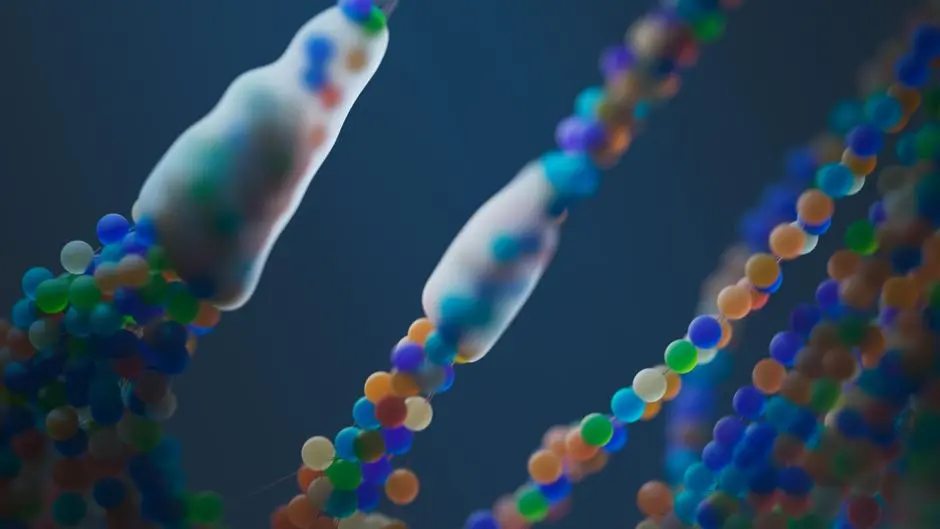
The clinical implications of RNA biology are monumental. Aberrations in RNA processing are implicated in numerous human diseases, from neurodegenerative disorders like spinal muscular atrophy, caused by splicing defects, to various cancers. Moreover, RNA’s versatility has transformed therapeutic strategies. RNA viruses, with genomes composed of RNA, present unique challenges but also opportunities for antiviral therapies. The advent of mRNA vaccines, as demonstrated so powerfully in the recent pandemic, harnesses mRNA's direct role in protein synthesis to rapidly develop immunological defenses. We also utilize technologies like antisense oligonucleotides (ASOs) to specifically target and modulate disease-causing RNAs. We conquer the frontier of RNA, recognizing it not only as a fundamental component of life's machinery but also as a powerful lever for diagnostic innovation and groundbreaking therapeutic interventions, pushing the boundaries of what is biologically possible.
Key Takeaways
The RNA Triumvirate: Core Functions at a Glance
We've meticulously dissected the individual and collaborative roles of mRNA, tRNA, and rRNA, revealing them as the indispensable architects and operatives of gene expression. To consolidate this expertise, we encapsulate their core functions:
- Messenger RNA (mRNA): The Blueprint Carrier. mRNA serves as the transient, single-stranded copy of genetic information from DNA. It carries specific nucleotide sequences, organized into codons, which dictate the order of amino acids for protein synthesis. In eukaryotes, mRNA undergoes critical processing (capping, splicing, polyadenylation) to ensure stability, proper transport, and efficient translation.
- Transfer RNA (tRNA): The Molecular Translator. tRNA acts as the essential adaptor molecule, decoding mRNA codons into specific amino acids. Each tRNA features an anticodon loop, complementary to an mRNA codon, and an acceptor stem, where its specific amino acid is attached by aminoacyl-tRNA synthetases. tRNA delivers these amino acids to the ribosome during translation, ensuring the correct sequence assembly.
- Ribosomal RNA (rRNA): The Catalytic Scaffold. rRNA forms the structural and enzymatic core of ribosomes, the cellular machinery for protein synthesis. As a ribozyme, rRNA directly catalyzes the formation of peptide bonds between amino acids, a crucial activity known as peptidyl transferase. rRNA also plays a vital role in positioning mRNA and tRNA during translation, providing the framework for the entire process.
- The Coordinated Symphony. These three RNA molecules collaborate seamlessly during translation: mRNA provides the instructions, tRNA delivers the building blocks, and rRNA orchestrates the assembly. This precise and energy-intensive process ensures that genetic information stored in DNA is accurately and efficiently converted into functional proteins, driving all aspects of cellular life.
- Beyond Core Roles. RNA's influence extends beyond protein synthesis. Regulatory RNAs (miRNAs, siRNAs, lncRNAs) control gene expression, and RNA modifications fine-tune function. Clinically, understanding RNA is vital for treating diseases linked to RNA processing errors and for developing innovative therapies like mRNA vaccines.
FAQ
-
What are the most common consequences if any of these RNA molecules (mRNA, tRNA, rRNA) become dysfunctional?
Dysfunction in any of these critical RNA molecules precipitates severe cellular consequences, fundamentally disrupting protein synthesis. A faulty mRNA, perhaps due to splicing errors or premature degradation, leads to the production of incomplete or non-functional proteins, or a complete absence of the intended protein. A mischarged tRNA, carrying the wrong amino acid, results in the insertion of incorrect amino acids into the polypeptide chain, altering protein structure and function—a critical error in the genetic code's translation. Defects in rRNA can compromise ribosomal integrity, impairing the ribosome's ability to bind mRNA, facilitate tRNA interactions, or catalyze peptide bond formation, effectively halting protein synthesis altogether. Each scenario ultimately compromises cellular viability and can manifest as various diseases, from metabolic disorders to neurodegenerative conditions, underscoring the vital, interconnected roles of these RNAs.
-
Beyond protein synthesis, do mRNA, tRNA, and rRNA have other significant roles within the cell?
While their primary roles in protein synthesis are paramount, these RNA molecules exhibit some extended functionalities. mRNA's untranslated regions (UTRs) contain regulatory elements that influence its stability, localization, and translational efficiency, even dictating when and where a protein is produced. Some mRNAs can also act as decoys for regulatory proteins. tRNA, in addition to carrying amino acids, can participate in regulatory pathways, for example, by acting as sensors for nutrient availability or by being cleaved into smaller fragments (tRNA-derived small RNAs) that regulate gene expression. While rRNA's main role is ribosomal, its precise structure and modifications are crucial for ribosome biogenesis and can influence the translation of specific mRNAs under stress conditions. Furthermore, modifications of rRNA contribute to the cellular response to various environmental cues, impacting global protein synthesis rates.
-
How does the cell maintain the high fidelity required for RNA's functions, especially during transcription and translation?
The cell employs a sophisticated multi-layered quality control system to ensure the high fidelity of RNA functions. During transcription, RNA polymerase has proofreading activity, albeit less robust than DNA polymerase. Crucially, post-transcriptional mRNA processing in eukaryotes, including precise splicing and the addition of caps and tails, serves as a major checkpoint. Faulty mRNAs are often degraded through mechanisms like nonsense-mediated decay (NMD) before they can be translated. During translation, aminoacyl-tRNA synthetases exhibit remarkable proofreading capabilities, hydrolyzing incorrectly charged tRNAs to ensure each tRNA carries its correct amino acid. The ribosome itself contributes to fidelity, ensuring proper codon-anticodon pairing, with incorrect pairings leading to rejection or slowing down of translation. Moreover, the kinetic proofreading mechanisms at the ribosomal A-site enhance accuracy by favoring the dissociation of incorrect tRNAs before peptide bond formation. This combination of structural precision, enzymatic proofreading, and degradation pathways minimizes errors, maintaining the integrity of the proteome.