
> Basic Biology Concepts > DNA and Genetic Information Basics > Fuel Evolution: Unleashing Genetic Diversity's Imperative Role
Fuel Evolution: Unleashing Genetic Diversity's Imperative Role
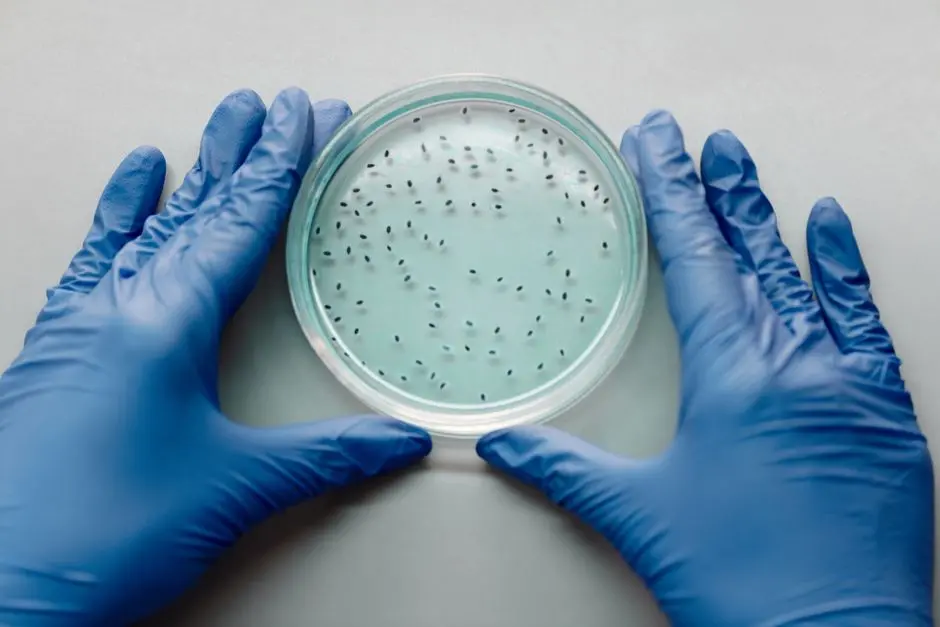
We will explore a fundamental pillar of life: genetic diversity. This intrinsic variation within populations is far more than a mere characteristic; it is the silent architect of resilience, the engineer of adaptation, and the indomitable engine of evolution itself. Without it, life as we know it would be a death march towards extinction in the face of the slightest environmental change. Today, we unveil the profound mechanisms by which this genetic richness not only ensures the survival of species but also forges their ability to innovate and thrive through the ages.
In this surgically precise article, we will dissect why this genetic variability is the keystone of any successful evolutionary strategy, directly impacting the fundamental principles of genetic material in living systems. Let us prepare to forge a solid and operational understanding of this vital concept. We will unravel the mysteries of adaptability, disease resistance, and speciation, armed with concrete knowledge and insider perspectives. This is not a mere read; it is an optimization of your biological knowledge.

Defining Genetic Diversity – The Foundation of Evolutionary Potential
Genetic diversity represents the total number of genetic characteristics in the genetic makeup of a species. It is the raw material upon which natural selection operates, ensuring that populations possess a repertoire of traits to face environmental challenges. Imagine a vast library of blueprints for survival; genetic diversity ensures this library is rich and varied, not just a single, fragile scroll. We recognize three primary levels of genetic diversity:
- Allelic diversity: Variation at the level of individual genes, where different versions (alleles) exist for the same gene.
- Gene diversity: The average heterozygosity per locus, indicating the proportion of polymorphic genes within a population.
- Genomic diversity: Differences in the structure and organization of entire genomes, including chromosomal rearrangements or variations in gene copy numbers.
The primary sources fueling this vital diversity are:
- Mutation: Random changes in DNA sequences, introducing novel alleles. While often deleterious, beneficial mutations are the ultimate source of evolutionary innovation.
- Genetic Recombination: The shuffling of alleles during sexual reproduction, creating new combinations of traits in offspring. This process does not create new alleles but reorganizes existing ones, generating immense phenotypic variation.
- Gene Flow: The movement of genes between populations, typically through migration and subsequent interbreeding. This introduces new alleles into a population, enriching its genetic pool.
Understanding these foundational mechanisms is crucial. Without a constant influx and rearrangement of genetic material, a population’s evolutionary potential stagnates, making it exquisitely vulnerable. We must grasp that this diversity is not a luxury but an existential requirement.
The Engine of Adaptation – Surviving Environmental Shifts
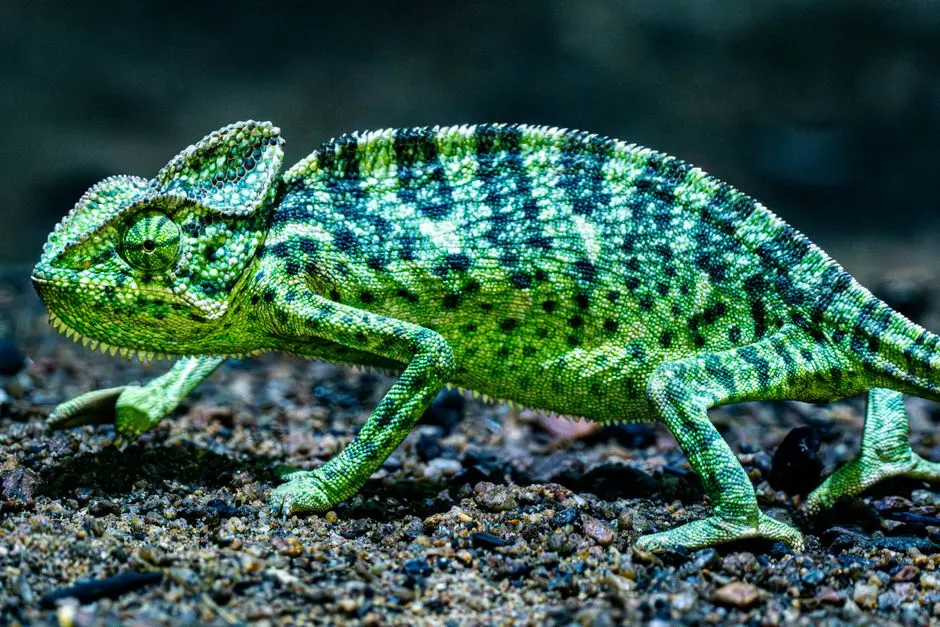
The most immediate and critical role of genetic diversity is to provide populations with the capacity to adapt to changing environments. Environments are dynamic; climate shifts, new pathogens emerge, and resource availability fluctuates. A population lacking genetic diversity is akin to an army with only one type of weapon, unprepared for diverse threats. We observe this principle rigorously across all biological scales.
Consider a population of organisms facing a sudden environmental stressor, such as a drought or a new predator. Within a genetically diverse population, some individuals will possess alleles that confer a selective advantage under these new conditions – perhaps better water retention, superior camouflage, or faster escape responses. These individuals are more likely to survive, reproduce, and pass on their advantageous alleles to the next generation. Over successive generations, the frequency of these beneficial alleles increases, and the population adapts.
Conversely, a genetically uniform population will respond poorly. If no individual possesses the necessary genetic toolkit to cope with the stressor, the entire population faces a severe decline, or even extinction. The iconic example of the peppered moth in industrial England, where darker forms thrived in soot-covered environments, perfectly illustrates natural selection acting on existing genetic variation. This is not a theoretical exercise; it is the brutal reality of survival. We identify that genetic diversity acts as an insurance policy, underwriting the future viability of species against unpredictable challenges.
Fortifying Against Pathogens – The Immunological Shield
One of the most relentless pressures driving the need for genetic diversity comes from co-evolutionary arms races, particularly with pathogens. Viruses, bacteria, and parasites evolve at an astonishing pace, constantly developing new ways to infect and overcome host defenses. A host population with high genetic diversity possesses a broader array of immune responses and resistance mechanisms. This creates a complex and moving target for pathogens, making it difficult for any single pathogen strain to wipe out the entire host population.
Consider a scenario where a novel pathogen emerges. In a genetically diverse host population, it is highly probable that at least some individuals will carry alleles conferring resistance or tolerance to the new threat. These resistant individuals survive and reproduce, increasing the frequency of their protective alleles in subsequent generations. This dynamic prevents catastrophic population crashes and ensures the long-term survival of the species.
The devastating impact of low genetic diversity is starkly illustrated by historical events like the Irish potato famine, where reliance on a genetically uniform potato variety (the 'Lumper') made the entire crop vulnerable to a single pathogen (Phytophthora infestans). Today, conservationists battle to maintain genetic diversity in agricultural crops and livestock precisely to preempt such vulnerabilities. We recognize that genetic diversity is the primary defense system, an internal firewall protecting species from biological threats that constantly mutate and adapt.
Preventing Extinction – The Peril of Homogeneity
While genetic diversity fuels adaptation, its absence paves a direct path to extinction. A population characterized by low genetic diversity, often due to population bottlenecks or founder effects, suffers from several debilitating issues that compromise its long-term viability. One primary concern is inbreeding depression. When closely related individuals reproduce, the likelihood of offspring inheriting two copies of deleterious recessive alleles increases dramatically. This leads to reduced fitness, manifest in lower reproductive rates, increased susceptibility to disease, developmental abnormalities, and overall decreased survival. These effects can push an already small or vulnerable population closer to the brink.
Moreover, a genetically impoverished population has a critically limited adaptive capacity. Facing a novel environmental challenge—be it a climate shift, a new predator, or a virulent disease—the population lacks the inherent variation needed to evolve a successful response. Every individual essentially has the same genetic 'weaknesses' and 'strengths', meaning a challenge that affects one affects all. The cheetah, for instance, exhibits extremely low genetic diversity, a legacy of two past population bottlenecks. This makes them highly susceptible to diseases and gives them very little genetic flexibility to adapt to future environmental changes, making their conservation a complex and precarious task.
We must actively combat practices that diminish genetic diversity, as these actions fundamentally erode the intrinsic resilience of life. The lesson is clear: homogeneity is a death knell for long-term survival, while diversity is the very wellspring of enduring existence.
Driving Speciation and Macroevolutionary Pathways
Beyond immediate survival, genetic diversity is the indispensable engine for larger evolutionary phenomena: speciation and macroevolution. Speciation, the process by which new species arise, fundamentally relies on the accumulation of distinct genetic changes within reproductively isolated populations. Without sufficient genetic variation within ancestral populations, the necessary raw material for divergence simply does not exist. Over time, different selective pressures acting on distinct subsets of a diverse gene pool can lead to genetic incompatibilities, culminating in the formation of new, distinct species.
Furthermore, genetic diversity provides the groundwork for macroevolutionary change – the large-scale patterns and trends in evolution observed over long periods. It allows for the emergence of novel traits and body plans that can open up entirely new ecological niches, leading to adaptive radiations and the diversification of life forms. Consider the evolution of flight in birds or the development of complex brains in mammals; these monumental evolutionary leaps were fueled by vast reservoirs of genetic variation that permitted the exploration of innovative genetic pathways. A population with high genetic diversity is not merely surviving; it is actively experimenting with new biological possibilities.
Our understanding compels us to acknowledge that genetic diversity doesn't just enable minor tweaks; it underpins the monumental shifts that have shaped the tree of life. We are observing the bedrock of biological innovation, a constant workshop of potential that has allowed life to colonize every corner of the planet and evolve into its myriad forms.
Strategic Preservation – Securing Life's Evolutionary Future
Given the critical importance of genetic diversity, its active preservation is not merely an ethical imperative but a strategic necessity for the future of all life, including humanity. We are currently witnessing an accelerating loss of biodiversity, and with it, a dangerous erosion of genetic diversity across countless species. This anthropogenic bottleneck risks impoverishing the genetic library of life, leaving future generations with fewer options to adapt to unforeseen challenges, from novel pandemics to unprecedented climate shifts.
To counteract this, we must implement robust strategies:
- Habitat Protection and Restoration: Safeguarding natural ecosystems is paramount, as intact habitats allow wild populations to maintain their genetic flow and size, reducing the risk of inbreeding and genetic drift.
- Gene Banks and Seed Vaults: Ex-situ conservation efforts, such as storing genetic material (seeds, gametes, DNA) in specialized facilities, provide a crucial backup for endangered species and vital agricultural crops.
- Responsible Breeding Programs: For domesticated animals and plants, intelligent breeding practices must prioritize maintaining genetic variation rather than focusing solely on a few desirable traits, which can inadvertently lead to genetic bottlenecks.
- Public Awareness and Policy: Educating the public and influencing policy to recognize the value of genetic diversity will drive political will for conservation efforts.
We actively forge the future. By safeguarding genetic diversity, we ensure that the engine of evolution continues to run, allowing life to adapt, thrive, and innovate indefinitely. This is not merely conservation; it is proactive biological optimization, ensuring the continued viability of Earth's complex tapestry of life.
Key Takeaways
Genetic Diversity: The Blueprint for Evolutionary Success
Genetic diversity refers to the total variation in genes within a species or population. It's generated by mutations (introducing new alleles), genetic recombination (shuffling existing alleles during reproduction), and gene flow (movement of genes between populations). This variation is the fundamental raw material upon which natural selection acts, making it indispensable for a species' long-term survival and evolution. Without it, populations lack the necessary biological tools to respond to environmental pressures.
Adaptation: The Engine of Resilience
The primary role of genetic diversity is to enable populations to adapt to changing environments. When conditions shift (e.g., climate, resources, predators), individuals with advantageous genetic traits are more likely to survive and reproduce, passing those traits on. This selective pressure leads to adaptation over generations. Homogeneous populations, lacking this variation, cannot adapt and face a high risk of decline or extinction, making diversity an essential 'insurance policy' for species.
Disease Resistance: A Dynamic Defense
Genetic diversity is crucial for a species' ability to resist diseases and parasites. Pathogens evolve rapidly, constantly seeking new ways to infect hosts. A diverse host population presents a complex target, as different individuals possess varied immune responses and resistance mechanisms. This reduces the likelihood of a single pathogen wiping out an entire population, illustrating a co-evolutionary 'arms race' where diversity provides a crucial immunological shield.
Preventing Extinction: The Danger of Homogeneity
Low genetic diversity leads to increased vulnerability and a higher risk of extinction. Inbreeding depression, common in small, undiverse populations, results in reduced fitness due to the expression of harmful recessive alleles. Such populations also have limited adaptive potential, making them highly susceptible to environmental changes or novel threats. Examples like the cheetah highlight how genetic uniformity compromises long-term survival, making diversity a critical buffer against extinction.
Speciation and Macroevolution: Forging New Life
Beyond immediate survival, genetic diversity drives larger evolutionary processes such as speciation (the formation of new species) and macroevolution (large-scale evolutionary trends). The accumulation of distinct genetic changes, fueled by variation, enables populations to diverge and become reproductively isolated. This diversity also provides the basis for novel traits and innovations, allowing life to explore new ecological niches and diversify into the myriad forms we observe today.
Conservation: Safeguarding Evolutionary Potential
The preservation of genetic diversity is a strategic necessity. Current rates of biodiversity loss are eroding this vital resource, limiting future adaptive capacity. Key strategies include protecting and restoring natural habitats, establishing gene banks for ex-situ conservation, implementing responsible breeding programs for domesticated species, and fostering public awareness and supportive policies. These proactive measures ensure that the engine of evolution continues to function, securing life's future.
FAQ
-
What is genetic diversity and why is it important for evolution?
Genetic diversity refers to the variation in genes among individuals within a population or species. It is crucial for evolution because it provides the raw material for natural selection. Without genetic differences, all individuals would respond identically to environmental changes, making adaptation impossible and increasing the risk of extinction for the entire population.
-
How does genetic diversity arise in a population?
Genetic diversity primarily arises from three mechanisms: mutation (random changes in DNA sequences that introduce new alleles), genetic recombination (the shuffling of existing alleles during sexual reproduction to create new combinations), and gene flow (the transfer of genetic material between populations through migration and interbreeding).
-
What are the consequences of low genetic diversity?
Low genetic diversity can lead to severe consequences, including inbreeding depression (reduced fitness due to increased expression of deleterious recessive traits), heightened vulnerability to diseases (as there's less variation for immune responses), and a severely limited capacity for adaptation to environmental changes. This dramatically increases the risk of population decline and extinction.
-
Can human activities impact genetic diversity?
Absolutely. Human activities significantly impact genetic diversity. Habitat destruction, climate change, overhunting/overfishing, pollution, and the introduction of invasive species all contribute to population declines and genetic bottlenecks, reducing diversity. Conversely, conservation efforts like establishing protected areas, gene banks, and responsible breeding programs aim to preserve and restore genetic diversity.
-
Is all genetic variation beneficial for a species?
Not necessarily. While genetic diversity is vital, not all variations are immediately beneficial. Many mutations are neutral or even deleterious, meaning they have no effect or are harmful. However, even deleterious variations can sometimes become beneficial under new environmental conditions, or they may be maintained in the population at low frequencies, contributing to the overall genetic reservoir that could be crucial for future adaptation.