
> Basic Biology Concepts > DNA and Genetic Information Basics > Mastering DNA Replication: Ensuring Genetic Continuity
Mastering DNA Replication: Ensuring Genetic Continuity
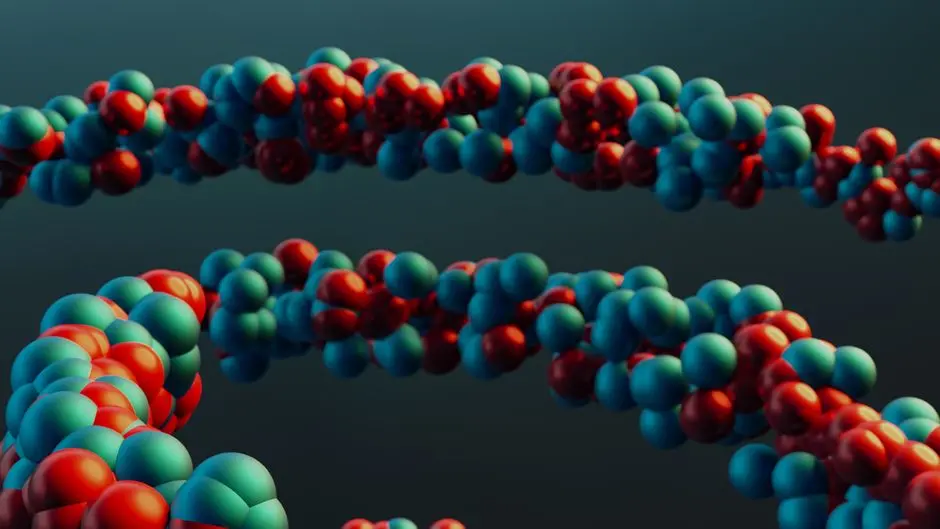
Imagine a world where life struggles to replicate itself perfectly, where the very essence of inheritance is flawed. This isn't science fiction; it's the stark reality avoided daily by an intricate biological process: DNA replication. This fundamental mechanism stands as the bedrock of genetic continuity, meticulously copying the genome to perpetuate life, cell after cell, generation after generation. Without this precise duplication, our bodies could not grow, wounds would not heal, and species could not endure. We embark on a journey to dissect the marvels of DNA replication, revealing how this biological imperative safeguards the genetic blueprint across all forms of life.
We will unlock the intricate dance of enzymes and proteins, exploring the strategies cells employ to achieve near-perfect copies of their genetic information. By understanding this critical process, we not only grasp the essence of heredity but also gain profound insights into cellular health, disease prevention, and the very engine of evolution. Prepare to elevate your comprehension of how life itself is passed on, as we confront the foundational understanding of the fundamental principles governing the transmission of genetic material in living systems.
The Unseen Architect: DNA's Blueprint for Perpetual Duplication
We initiate our exploration by recognizing DNA as the definitive blueprint of life, a molecule engineered for information storage and, crucially, for its faithful transmission. The double helix, with its complementary base pairing (A with T, C with G), isn't just an elegant structure; it's a self-correcting mechanism that underpins accurate replication. We forge a profound understanding of the semi-conservative nature of DNA replication, a concept brilliantly demonstrated by Meselson and Stahl. Each new DNA molecule comprises one original strand and one newly synthesized strand, ensuring that genetic information is not only copied but also conserved with remarkable fidelity across generations.
This method isn't arbitrary; it's a strategically evolved solution to the challenge of duplicating an entire genome – ranging from a few million base pairs in bacteria to billions in humans – before every cell division. Consider the sheer scale: a human cell contains approximately 6 billion base pairs. Replicating this massive amount of information flawlessly, often within mere hours, demands an architectural masterpiece of enzymatic coordination. We must appreciate that this process is not simply about making copies; it's about making identical copies. Any deviation, any error, carries the potential for significant consequences, impacting cellular function, organismal health, and even species survival. Therefore, we recognize DNA replication as the ultimate act of biological optimization, designed to preserve the integrity of our genetic heritage with unwavering precision. We scrutinize the necessity for this process to occur only once per cell cycle, preventing unwanted gene amplification or deletion, and thus maintaining genomic stability. This controlled initiation is a critical regulatory checkpoint that we must master for comprehensive understanding.
Deconstructing the Replication Machine: Key Enzymatic Players
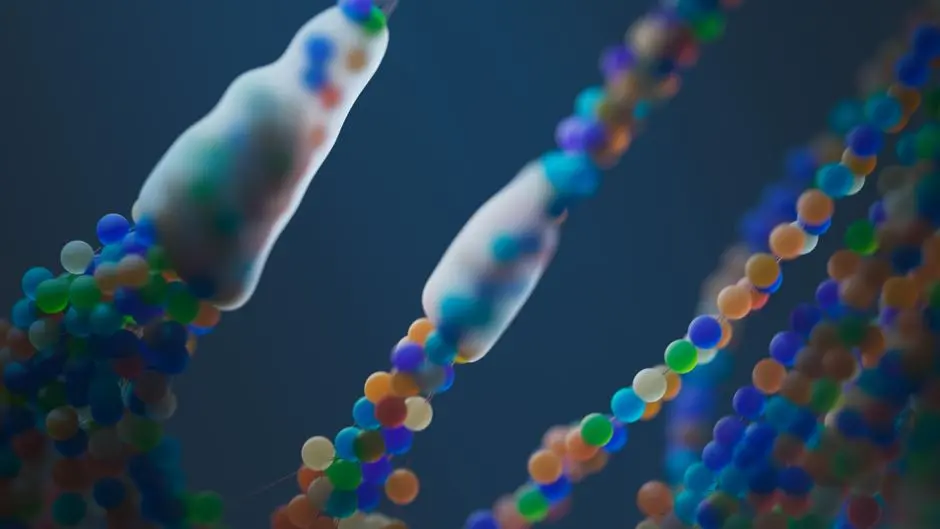
To comprehend genetic continuity, we must surgically dissect the molecular machinery driving DNA replication. This intricate process is a symphony of highly specialized enzymes and proteins, each performing a critical role with unparalleled efficiency. We begin with DNA Helicase, the molecular wedge that unwinds the double helix, separating the two parent strands to create a replication fork. This action introduces torsional stress, which is meticulously relieved by Topoisomerases, preventing DNA tangles and breaks that could halt or compromise the entire operation. As the strands separate, Single-Strand Binding Proteins (SSBs) immediately bind to prevent them from re-annealing and protecting them from degradation, thus keeping the template accessible.
The synthesis of new DNA strands cannot simply begin; it requires a starting point. Here, Primase, a specialized RNA polymerase, steps in to synthesize short RNA primers on both the leading and lagging strands. These primers provide the essential 3'-hydroxyl group that DNA Polymerase III, the primary replicative enzyme, requires to add new deoxyribonucleotides. We confront the fundamental challenge of directionality: DNA Polymerase III can only synthesize DNA in the 5' to 3' direction. This constraint dictates the formation of a leading strand, which is synthesized continuously towards the replication fork, and a lagging strand, synthesized discontinuously in short segments known as Okazaki fragments, moving away from the fork. Finally, DNA Polymerase I meticulously removes the RNA primers, replacing them with DNA, and DNA Ligase seals the remaining nicks, joining the Okazaki fragments into a continuous strand. We unlock this choreographed assembly of enzymes, understanding that each player is indispensable for the timely and accurate duplication of the genome, a testament to nature's engineering prowess.
Precision Engineering: Safeguarding the Genetic Code
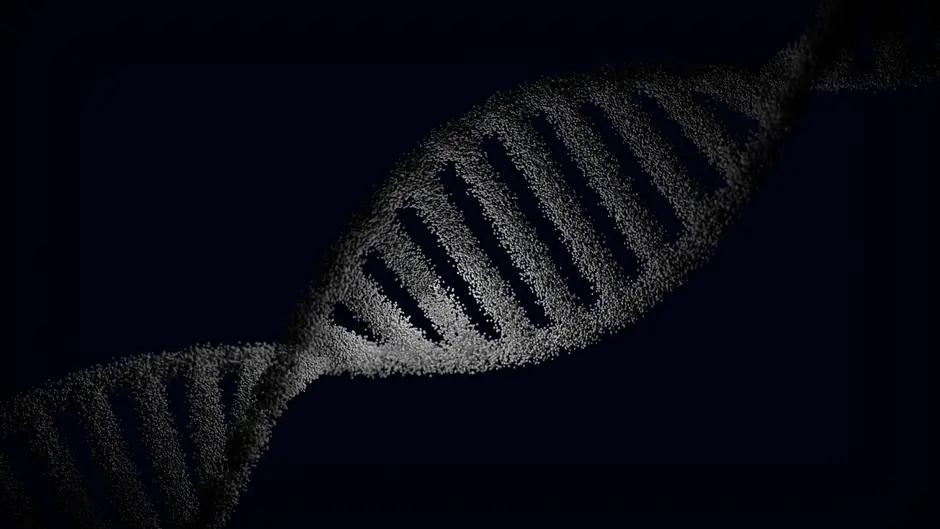
The quest for genetic continuity demands not just speed, but paramount accuracy. An error rate of even one in a million base pairs would lead to thousands of mutations per cell division in humans, a catastrophic scenario. Therefore, cells have evolved sophisticated mechanisms to ensure the pristine integrity of the genetic code during replication. We highlight DNA Polymerase's innate proofreading capability, a critical first line of defense. This enzyme possesses a 3'-5' exonuclease activity, allowing it to detect and excise incorrectly incorporated nucleotides immediately after they are added. Think of it as an integrated 'backspace' key, constantly monitoring and correcting its own work. If a base is mismatched, DNA Pol III pauses, reverses, removes the faulty nucleotide, and then proceeds with the correct one. This reduces the error rate by approximately 100-fold.
Despite this powerful proofreading, a small number of errors inevitably slip through. This is where Mismatch Repair (MMR) systems spring into action. These post-replicative repair mechanisms scrutinize newly synthesized DNA for any remaining mismatches or small insertions/deletions. The crucial challenge for MMR is to distinguish the newly synthesized strand from the template strand, ensuring that the correct, original information is preserved. In bacteria, methylation patterns guide this distinction; in eukaryotes, the presence of nicks in the new strand often serves as the identifier. We trigger our understanding that MMR excises the incorrect segment from the new strand, and DNA Polymerase fills the gap, followed by DNA Ligase sealing the final nick. A breakdown in MMR, as seen in hereditary non-polyposis colorectal cancer (Lynch syndrome), underscores the vital importance of these pathways in preventing mutagenesis and maintaining genomic stability. We grasp that genetic continuity is not merely about copying, but about guarding that copy with an unyielding commitment to precision, preventing the accumulation of errors that could lead to disease or compromise evolutionary fitness.
From Cellular Division to Species Legacy: The Continuity Imperative
The ultimate purpose of DNA replication transcends individual cell cycles; it is the fundamental mechanism driving genetic continuity across generations, both cellular and organismal. We understand that every time a cell divides, whether through mitosis for growth and repair or meiosis for sexual reproduction, its entire genome must be accurately duplicated. In mitosis, replication ensures that each daughter cell receives a complete, identical set of chromosomes, preserving the genetic identity of the parent cell. This is critical for the development of multicellular organisms from a single zygote, for tissue regeneration, and for maintaining the homeostasis of organs. Without faithful replication and subsequent equal distribution, cells would either lack essential genetic information or possess aneuploidy, leading to developmental defects or cellular dysfunction.
In meiosis, the process that produces gametes (sperm and egg cells), DNA replication occurs once, followed by two rounds of cell division. While meiosis introduces genetic variation through crossing over and independent assortment, the initial precise replication step ensures that the 'starting material' for this variation is a complete and accurate genome. The fusion of these carefully prepared gametes, each carrying a meticulously replicated haploid set of chromosomes, restores the diploid state in the zygote, thereby ensuring the transmission of a species' genetic information from one generation to the next. We optimize our perspective to see that DNA replication is not just a molecular event; it is the linchpin of heredity, development, evolution, and the very definition of life's perpetuation. It provides the unbroken chain of genetic information that links all life on Earth, from the simplest bacterium to the most complex organism. We harness this knowledge to appreciate how cells maintain their identity, how organisms grow and reproduce, and how species adapt and diversify over vast evolutionary timescales.
Key Takeaways
DNA's Role in Continuity
DNA serves as the genetic blueprint, its semi-conservative replication mechanism (one old, one new strand) is critical for faithfully passing genetic information to daughter cells and subsequent generations, ensuring cellular function, growth, and species perpetuation.
Key Replication Enzymes
A complex machinery of enzymes orchestrates replication: Helicase unwinds DNA, Topoisomerase relieves tension, Primase lays RNA primers, DNA Polymerase III synthesizes new DNA (5' to 3'), DNA Polymerase I replaces primers, and Ligase seals fragments. This process results in continuous leading strands and discontinuous Okazaki fragments on lagging strands.
Genetic Fidelity Mechanisms
Precision is paramount. DNA Polymerase's 3'-5' exonuclease activity proofreads and corrects errors during synthesis. Post-replicative Mismatch Repair (MMR) systems further identify and correct residual errors, significantly reducing mutation rates and safeguarding genomic integrity. Failures in these systems can lead to disease.
Impact on Life and Evolution
Faithful DNA replication is indispensable for mitosis (growth, repair, identical daughter cells) and meiosis (gamete formation, sexual reproduction). It underpins heredity, organismal development, and species stability, while rare, beneficial mutations also provide the raw material for evolution and adaptation over time.
FAQ
-
What happens if DNA replication goes wrong?
When DNA replication malfunctions, it leads to mutations, which are changes in the DNA sequence. These can range from single base pair substitutions to large-scale chromosomal rearrangements. While some mutations are benign or even beneficial (driving evolution), many are detrimental. Unrepaired errors can lead to altered protein function, cellular dysfunction, uncontrolled cell growth (cancer), developmental disorders, or even cell death. The cell employs robust repair mechanisms, but severe or persistent errors can overwhelm these systems, compromising genetic continuity and organismal health.
-
Why is DNA replication called 'semi-conservative'?
DNA replication is termed 'semi-conservative' because each newly synthesized double helix molecule conserves one of the original (parental) DNA strands and contains one newly synthesized strand. This elegant mechanism ensures that half of the original genetic information is passed directly to each daughter molecule, providing a template that significantly reduces the chance of errors and maintains the integrity of the genetic code across cell divisions.
-
How quickly does DNA replication occur in humans?
Human DNA replication is remarkably efficient, though slower than in bacteria. In human cells, DNA polymerases can add nucleotides at a rate of approximately 50-100 base pairs per second. To replicate the billions of base pairs in the human genome within the typical 6-8 hour S-phase of the cell cycle, thousands of replication origins are simultaneously activated along each chromosome. This massive parallel processing ensures that the entire genome is copied in a timely manner, despite the relatively slower individual enzyme speed.