
> Basic Biology Concepts > DNA and Genetic Information Basics > Dissecting DNA Mutations: Causes, Impacts & Evolutionary Role
Dissecting DNA Mutations: Causes, Impacts & Evolutionary Role
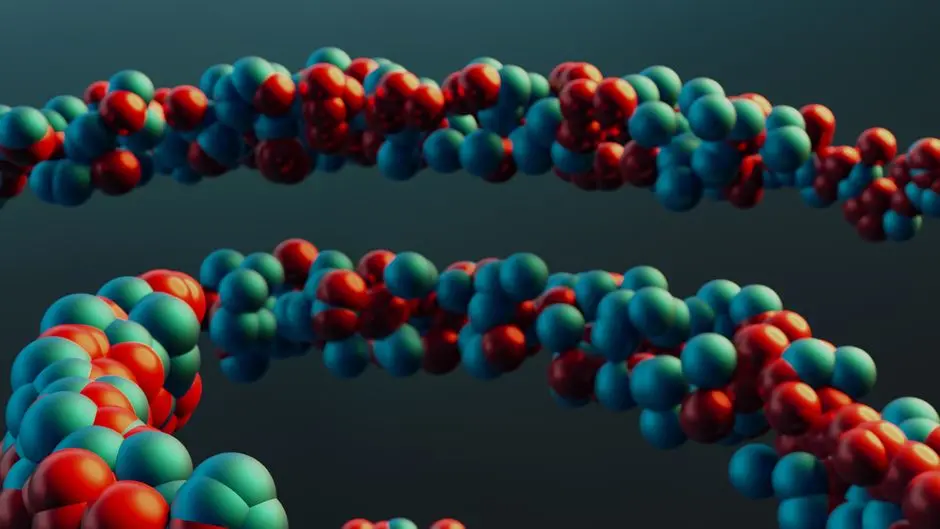
Every living cell operates on a precise genetic blueprint, the DNA. Yet, within this intricate code, minute alterations can emerge, triggering profound shifts across biological systems. These seemingly small changes, known as mutations, are not merely errors but fundamental forces shaping life itself. We are about to embark on an intense exploration, meticulously dissecting what DNA mutations are, how they arise, and their far-reaching consequences – from driving evolutionary progress to instigating devastating diseases.
Understanding mutations is paramount for anyone seeking to grasp the core mechanics of inheritance and adaptation. We will forge through the molecular intricacies, unraveling the precise mechanisms that lead to these genetic shifts and illuminating their diverse manifestations. This journey will empower you to identify the critical role mutations play in everything from bacterial resistance to human genetic disorders, providing a crucial lens through which to view the dynamic interplay of heredity and environment. We unveil the very essence of genetic variability, building directly upon the bedrock of the fundamental principles of genetic material in living systems. Prepare to optimize your understanding of life’s most elemental transformation process.
Defining DNA Mutations: The Blueprint's Alterations
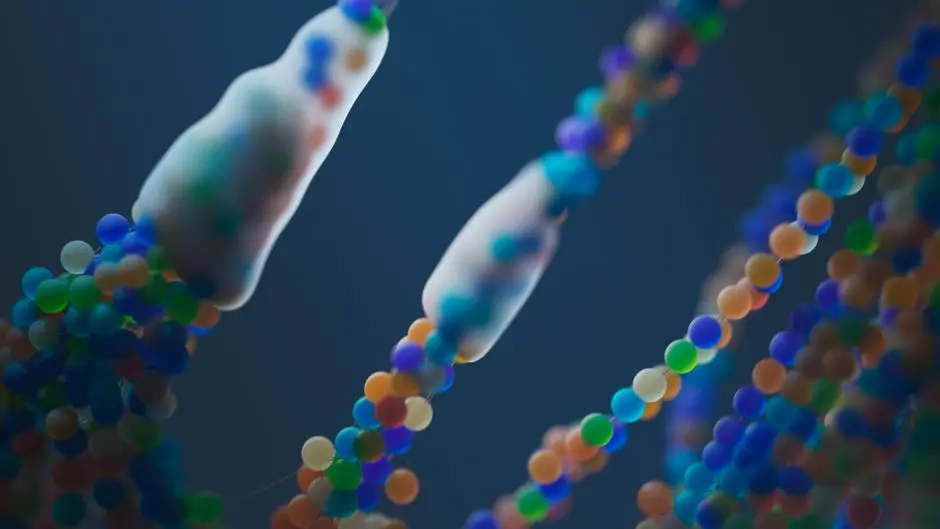
At its core, a DNA mutation represents a fundamental and permanent alteration in the nucleotide sequence of an organism's genome. This is not a transient modification or an epigenetic tag; it is a hardwired change to the very blueprint of life. These alterations can manifest in a spectrum of ways, from a single base substitution to significant chromosomal rearrangements, each capable of profoundly reshaping the genetic information inherited and expressed by an organism. We distinguish mutations from common genetic variations like single nucleotide polymorphisms (SNPs), primarily by their potential to cause a functional change. The critical insight here is that mutations are the ultimate source of all new alleles, the raw material upon which natural selection acts, making them indispensable for evolution, driving adaptation to dynamic environmental pressures.
We meticulously categorize mutations based on their cellular origin and their eventual impact. Germline mutations are those occurring within the reproductive cells – the gametes – and are therefore inherently transmissible across generations. These are the genetic changes with the power to propagate through entire lineages, affecting every cell in a developing offspring and serving as the bedrock for evolutionary change within a species. Such mutations are foundational to understanding inherited diseases and population genetics. Conversely, somatic mutations originate in non-reproductive body cells post-conception. While not passed to progeny, these mutations accumulate over an individual's lifetime and are critical architects of phenomena such as aging, tissue degeneration, and, most notably, the initiation and progression of cancer. Understanding this distinction is pivotal for predicting genetic risk, disease progression within an individual, and informing treatment strategies.
Further refining our classification, mutations are also defined by their molecular nature and scope. Point mutations represent changes at a single nucleotide pair. These include substitutions, where one base is swapped for another (transitions like A↔G or C↔T, or transversions like A↔C or G↔T), and frameshift mutations, caused by the insertion or deletion of one or two nucleotides. Frameshifts are particularly damaging because they alter the entire downstream reading frame of a gene, often leading to profoundly altered or non-functional proteins, with devastating consequences for cellular processes. Beyond point mutations, we confront chromosomal mutations, which involve large-scale structural alterations to chromosomes. These macroscopic shifts, such as deletions (loss of a segment), duplications (repeated segments), inversions (reversed segments), and translocations (segments moved to another chromosome), can drastically change gene dosage or disrupt crucial gene regulation, frequently resulting in severe developmental syndromes, infertility, or reduced viability. We forge this foundational understanding to precisely dissect the intricate tapestry of genetic variability and its myriad biological implications.
A common misconception is to view all mutations as inherently detrimental. While many are indeed harmful, a significant proportion are neutral, having no discernible effect on an organism's phenotype or fitness. A smaller, yet critically important, fraction can be beneficial, providing a selective advantage that drives adaptation. For example, a mutation might confer resistance to a pathogen or enhance metabolic efficiency in a new environment. This spectrum of outcomes underscores the complex role mutations play in biological systems, from minor phenotypic tweaks to fundamental evolutionary leaps. We must cultivate a nuanced perspective, recognizing that the impact of a mutation is always context-dependent, influenced by the gene affected, the organism's environment, and the presence of other genetic variations. This comprehensive view equips us to truly grasp the dynamic interplay within the genome.
Triggers of Change: Mechanisms Behind DNA Mutations
The genesis of DNA mutations is a multifaceted process, arising from both intrinsic cellular mechanisms and extrinsic environmental factors. We dissect these mechanisms to understand how genomic integrity can be compromised, leading to heritable changes. Internally, the primary source of mutation is DNA replication errors. Despite the extraordinary fidelity of DNA polymerases, which possess proofreading capabilities, mistakes invariably occur. For instance, a polymerase might insert an incorrect nucleotide that escapes correction, or the DNA strands might 'slip' during replication, particularly in regions with repetitive sequences (e.g., microsatellites), leading to small insertions or deletions. Furthermore, spontaneous chemical changes to DNA bases, independent of replication, contribute significantly to endogenous mutagenesis. Examples include tautomeric shifts, where bases temporarily adopt alternative isomeric forms that mispair, and deamination, the hydrolytic removal of an amino group from a base, such as cytosine transforming into uracil, which then mispairs with adenine. These inherent vulnerabilities underscore the constant cellular battle for genetic stability, necessitating robust repair systems.
Externally, the genome is under perpetual assault from a formidable array of environmental mutagens. These agents exert their mutagenic effects through distinct mechanisms, each challenging genomic integrity in unique ways. Ionizing radiation, such as X-rays, gamma rays, and alpha particles, possesses sufficient energy to dislodge electrons from atoms, creating reactive ions that directly or indirectly damage DNA. This damage includes single-strand breaks, highly deleterious double-strand breaks, and base modifications. These breaks are profoundly challenging for repair systems and can result in large-scale chromosomal rearrangements, including translocations and inversions, often with severe cellular consequences. In contrast, non-ionizing radiation, exemplified by ultraviolet (UV) light, particularly UVB, induces specific photochemical damage. Its primary effect is the formation of pyrimidine dimers (e.g., thymine dimers), which distort the DNA helix, impeding replication and transcription, and often triggering error-prone repair pathways if not efficiently resolved, leading to base substitutions.
Chemical mutagens constitute another broad category, each operating through specific molecular interactions with DNA. Base analogs, like 5-bromouracil, are structurally similar to natural bases and can be erroneously incorporated into DNA during replication, but they mispair with incorrect partners more frequently than their natural counterparts. Alkylating agents, such as mustard gas, ethyl methanesulfonate (EMS), and nitrosamines, add alkyl groups (e.g., methyl or ethyl groups) to DNA bases, particularly at guanine residues. This alkylation alters the base's pairing properties, leading to misincorporations during subsequent replication. Intercalating agents, like ethidium bromide and acridine dyes, are planar molecules that wedge themselves between adjacent DNA base pairs. This intercalation distorts the DNA helix, causing frameshift mutations (insertions or deletions of a single base) during DNA replication, which can severely disrupt gene function. Finally, reactive oxygen species (ROS), generated during normal cellular metabolism (e.g., mitochondrial respiration) or from environmental exposures (e.g., pollution), are highly reactive molecules that can oxidize DNA bases, leading to altered base pairing (e.g., 8-oxoguanine mispairing with adenine) and strand breaks. We conquer these diverse pathways to fully appreciate the pervasive and relentless threat to genetic fidelity, recognizing that the cell's sophisticated DNA repair systems are in constant operation to counter these relentless assaults and maintain genomic stability.
The Dual Helix: Mutations as Evolutionary Drivers and Disease Origins
Mutations embody a profound biological paradox, acting simultaneously as the indispensable engine of evolution and a primary architect of disease. We must confront this dual nature to grasp their full impact. On one hand, mutations are the ultimate and irreplaceable source of genetic variation, providing the essential raw material upon which natural selection operates. Without new alleles arising from mutations, populations would lack the diversity necessary to adapt to changing environments, eventually leading to extinction or genetic bottlenecks. Consider, for instance, the rapid emergence of antibiotic resistance in bacterial populations: a specific, beneficial mutation confers survival advantage in the presence of antibiotics, leading to its selective propagation and the widespread challenge of drug-resistant pathogens. Similarly, the vast biodiversity we observe on Earth, from the simplest microbes to complex ecosystems, is a testament to the cumulative effect of countless beneficial mutations, gradually refining species over geological timescales. This creative aspect of mutation underpins all biological advancement, propelling life's relentless progression and ensuring the dynamic adaptability of species.
However, the vast majority of new mutations are either neutral (no discernible effect on phenotype or fitness) or, more frequently, deleterious. A single nucleotide change can critically alter a protein's structure or function, leading to a debilitating genetic disorder. We meticulously categorize these impacts by their molecular consequences: missense mutations change a single amino acid in the protein sequence, potentially altering its shape, stability, or enzymatic activity; nonsense mutations introduce a premature stop codon, leading to a truncated, and typically non-functional, protein; and frameshift mutations, as previously noted, severely disrupt the entire downstream reading frame of a gene, often resulting in a completely non-functional protein or protein degradation. Classic examples include cystic fibrosis, often caused by a deletion in the CFTR gene leading to impaired chloride transport, or sickle cell anemia, resulting from a single point mutation in the beta-globin gene, altering hemoglobin structure and oxygen transport. These direct, often devastating, links between specific mutations and disease phenotypes highlight the exquisite precision required for proper gene function and the delicate balance of the genome.
Perhaps the most insidious and well-studied role of somatic mutations is their fundamental contribution to cancer. Cancer is not merely a disease of uncontrolled growth; it is fundamentally a disease of unregulated cell division and survival, driven by an accumulation of specific mutations in genes that control cellular processes like proliferation, differentiation, apoptosis (programmed cell death), and DNA repair. We identify two critical classes of genes whose mutations drive oncogenesis: proto-oncogenes, which normally promote cell growth and division, but when mutated become activated oncogenes, leading to unchecked proliferation; and tumor suppressor genes, which normally act as brakes on cell division and promote apoptosis, but whose inactivation by mutation (often requiring two 'hits') removes these critical safeguards. Understanding this complex molecular choreography, often involving multiple sequential mutations, is vital for developing targeted cancer therapies that exploit these genetic vulnerabilities. Crucially, cells possess sophisticated DNA repair mechanisms – like nucleotide excision repair (NER), base excision repair (BER), mismatch repair (MMR), and homologous recombination – that continuously patrol the genome, correcting errors and mitigating mutagenic damage. Failure in these repair systems is a common precursor to dramatically increased mutation rates, genomic instability, and subsequent disease development. To truly master genetic health, we optimize our understanding of these vital protective measures and the mechanisms underlying their failure.
Decoding Genetic Shifts: Diagnosis, Implications, and Future Frontiers
As our scientific and technological understanding of DNA mutations deepens, so too does our capacity to detect, diagnose, and strategically manage their profound implications for health and disease. We are at the forefront of a biological revolution, leveraging advanced technologies to navigate the mutable landscape of the human genome with increasing precision. Mutation detection tools have evolved dramatically from laborious methods to rapid, high-throughput platforms. Polymerase Chain Reaction (PCR) remains a foundational technique, allowing for the exponential amplification of specific DNA regions, enabling subsequent, more sensitive analyses. DNA sequencing, particularly Next-Generation Sequencing (NGS) and its derivatives like whole-exome sequencing (WES) and whole-genome sequencing (WGS), has truly revolutionized the field. These technologies make it possible to rapidly and cost-effectively sequence entire coding regions or even complete genomes, pinpointing even rare point mutations, small insertions, or deletions with unprecedented resolution. For larger chromosomal abnormalities, traditional karyotyping (microscopic visualization of chromosomes) and molecular cytogenetic techniques like Fluorescence In Situ Hybridization (FISH) remain indispensable, providing visual maps of chromosomal structure and identifying significant rearrangements.
The clinical implications of precise mutation detection are profound and extend across multiple facets of modern healthcare. Genetic counseling has become an essential component, offering individuals and families crucial insights into inherited disease risks, guiding informed reproductive decisions, and managing expectations regarding the prognosis and management of genetic disorders. This empowers patients and families with knowledge to make proactive health choices. For patients already diagnosed with certain conditions, understanding specific mutations can unlock pathways to highly effective personalized medicine. Here, treatments are tailored to an individual's unique genetic profile and the specific mutations driving their disease. For example, in oncology, many targeted cancer drugs are effective only in tumors carrying particular mutations, such as BRAF mutations in melanoma or EGFR mutations in lung cancer. This precision medicine approach minimizes side effects, maximizes therapeutic efficacy, and represents a paradigm shift in disease management, transforming it from a broad-brush approach to a surgically targeted intervention. We empower individuals with this knowledge, converting genetic uncertainty into actionable insights and optimizing therapeutic outcomes.
Beyond diagnostics and targeted therapies, mutations are now central to innovative fields like synthetic biology and cutting-edge gene editing. Technologies such as CRISPR-Cas9 have ushered in an era where we can deliberately introduce, correct, or remove specific mutations within the genome with remarkable accuracy and efficiency. This offers unprecedented therapeutic promise for a vast array of genetic diseases previously considered untreatable, from single-gene disorders like Huntington's disease to complex conditions. While these technologies present immense potential for curing diseases and engineering novel biological functions, they also necessitate rigorous ethical considerations, careful risk assessment, and robust regulatory frameworks to ensure responsible application. A common pitfall for aspiring geneticists and clinicians is underestimating the inherent complexity of gene-environment interactions, the pleiotropic (multi-effect) nature of single gene mutations, and the potential for off-target effects in gene editing. Best practice dictates a holistic view, integrating genetic data with environmental factors, lifestyle choices, and patient phenotype for a comprehensive understanding. We must continuously refine our strategies, forging a future where genetic understanding translates directly into enhanced human well-being and ecological resilience, driving us toward optimal biological outcomes for generations to come.
Key Takeaways
Definition and Types of DNA Mutations
DNA mutations are permanent alterations in the genomic nucleotide sequence, fundamentally different from transient epigenetic changes. They are the ultimate source of new alleles and raw material for evolution. Mutations are categorized by their origin:
- Germline mutations: Occur in reproductive cells, inheritable, affect offspring's every cell.
- Somatic mutations: Occur in body cells, not inheritable, contribute to aging and cancer.
By molecular nature:
- Point mutations: Single nucleotide changes (substitutions, insertions, deletions). Frameshifts (insertions/deletions of 1 or 2 bases) are particularly impactful.
- Chromosomal mutations: Large-scale structural changes (deletions, duplications, inversions, translocations) affecting entire chromosome segments.
Causes and Mechanisms of DNA Mutations
Mutations arise from intrinsic cellular processes and extrinsic environmental factors:
- Internal (Endogenous) Factors:
- DNA replication errors: Polymerase mistakes, strand slippage in repetitive sequences.
- Spontaneous chemical changes: Tautomeric shifts, deamination (e.g., cytosine to uracil).
- External (Exogenous) Factors - Mutagens:
- Ionizing radiation (X-rays, gamma rays): Causes single/double-strand breaks, chromosomal rearrangements.
- Non-ionizing radiation (UV light): Induces pyrimidine dimers, distorts DNA, leads to base substitutions.
- Chemical mutagens: Base analogs (misincorporation), alkylating agents (base modification), intercalating agents (frameshifts), reactive oxygen species (ROS) (oxidative damage).
Dual Impact: Evolution and Disease
Mutations have a paradoxical dual role:
- Evolutionary Engine: They are the primary source of genetic variation, providing the raw material for natural selection and adaptation (e.g., antibiotic resistance, biodiversity).
- Pathological Catalyst: The majority are neutral or deleterious, leading to disease:
- Genetic disorders: Point mutations (missense, nonsense, frameshift) or chromosomal mutations can alter protein function or expression (e.g., cystic fibrosis, sickle cell anemia).
- Cancer: Accumulation of somatic mutations in proto-oncogenes (activating) and tumor suppressor genes (inactivating) drives uncontrolled cell growth.
Cells possess sophisticated DNA repair mechanisms (e.g., MMR, BER, NER, homologous recombination) to counteract mutagenic damage; their failure increases mutation rates and disease risk.
Detection, Diagnosis, and Future Implications
Advanced technologies allow for precise mutation management:
- Detection Technologies: PCR, DNA sequencing (NGS, WES, WGS) for point mutations/small indels; karyotyping and FISH for chromosomal abnormalities.
- Clinical Applications:
- Genetic counseling: Informs individuals/families about inherited risks.
- Personalized medicine: Tailors treatments based on an individual's specific genetic mutations (e.g., targeted cancer therapies).
- Future Frontiers:
- Gene editing (CRISPR-Cas9): Enables precise introduction, correction, or removal of mutations, offering therapeutic promise for genetic diseases.
- Ethical considerations: Balancing therapeutic potential with societal and individual implications.
A holistic approach integrating genetic data with environmental factors and phenotype is crucial for optimal outcomes.
FAQ
-
What is the fundamental difference between a mutation and a polymorphism?
A mutation is a rare, spontaneous change in the DNA sequence that can be deleterious, neutral, or beneficial. It's the ultimate source of new genetic variation. A polymorphism, specifically a single nucleotide polymorphism (SNP), is a DNA sequence variation that is common in the population (typically present in >1% of individuals) and is generally considered benign or has a subtle effect on phenotype. While polymorphisms originate from mutations, their high frequency and typical lack of significant negative impact differentiate them in common biological discourse.
-
Can DNA mutations ever be beneficial for an organism?
Absolutely. While many mutations are neutral or harmful, a small but critically important fraction can be beneficial. These beneficial mutations provide a selective advantage, enabling organisms to adapt to changing environments, resist pathogens, or enhance specific functions. For instance, a mutation conferring resistance to an antibiotic allows bacteria to survive and proliferate in a drug-filled environment, or a mutation that improves metabolic efficiency can enhance an organism's fitness in resource-limited conditions. Beneficial mutations are the raw material for natural selection and thus the driving force of evolution.
-
How do cells protect themselves from the constant threat of DNA mutations?
Cells deploy an impressive arsenal of DNA repair mechanisms to safeguard genomic integrity. These systems continuously monitor the DNA for damage and errors, working with remarkable efficiency. Key mechanisms include: Proofreading by DNA polymerases during replication; Mismatch Repair (MMR), which corrects errors missed by proofreading; Base Excision Repair (BER), which removes damaged or modified bases; Nucleotide Excision Repair (NER), which excises larger distortions like pyrimidine dimers; and pathways like Homologous Recombination and Non-Homologous End Joining (NHEJ), which repair dangerous double-strand breaks. These robust protective systems significantly reduce the mutation rate, maintaining genetic stability.
-
Are all DNA mutations inherited from parents?
No, not all DNA mutations are inherited. We distinguish between two primary types: Germline mutations occur in the reproductive cells (sperm or egg) and are heritable, meaning they can be passed down to offspring, affecting every cell in the progeny. In contrast, somatic mutations arise in non-reproductive body cells after conception. These mutations are not passed on to offspring but can accumulate over an individual's lifetime, contributing to aging, tissue degeneration, and the development of diseases like cancer within that individual.
-
What is a 'mutation hotspot' in the genome?
A mutation hotspot refers to a region within the genome where mutations occur at a significantly higher frequency than other regions. These areas are often characterized by specific sequence features that make them more prone to damage or replication errors. Common examples include repetitive DNA sequences (like microsatellites, prone to replication slippage leading to frameshifts) or CpG dinucleotides, where methylated cytosine bases are susceptible to spontaneous deamination, leading to C-to-T transitions. Identifying hotspots is crucial for understanding disease mechanisms and evolutionary patterns.