
> Basic Biology Concepts > DNA and Genetic Information Basics > Unlocking Life's Blueprint: A Simple Guide to the Genetic Code
Unlocking Life's Blueprint: A Simple Guide to the Genetic Code
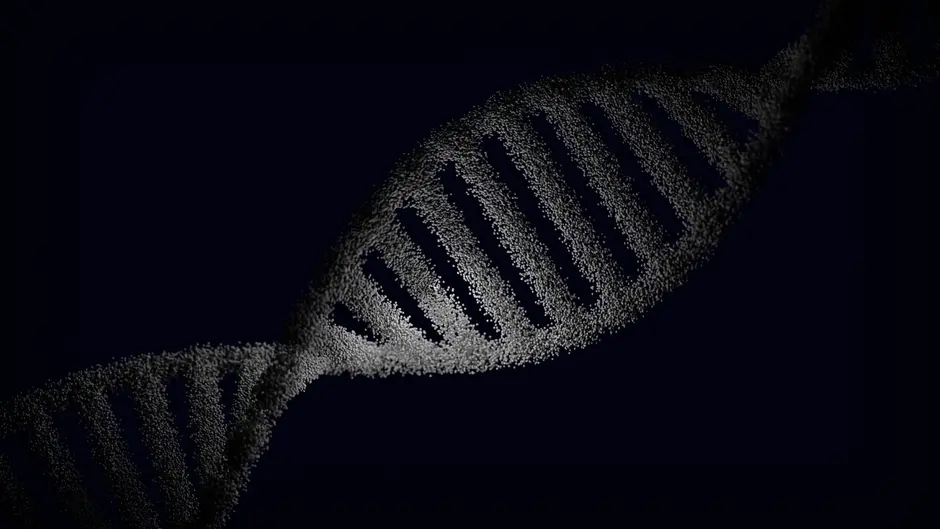
We stand at the precipice of understanding life itself. The genetic code, often perceived as an impenetrable enigma, is, in reality, the fundamental language dictating every biological process within us. This article decrypts the intricate principles that govern how DNA's instructions are translated into the proteins that build and operate our bodies. We will demystify the concept of codons, explore the universality of this biological language, and illuminate the critical mechanisms of transcription and translation.
Understanding this code is not merely academic; it is foundational to grasping human health, disease mechanisms, and the very evolution of species. It is the core operating system of all living organisms, a marvel of biological engineering. By mastering these concepts, we empower ourselves to comprehend the fundamental principles of genetic material in living systems, unlocking insights into genetic disorders, personalized medicine, and the burgeoning field of biotechnology. Prepare to embark on an exhilarating journey into the microscopic world, where four simple bases craft the infinite diversity of life. Let's forge a robust understanding of this biological master key, making the complex elegantly simple.

Decoding Life's Master Plan: The Central Dogma and Genetic Code Fundamentals
To comprehend the genetic code, we must first grasp the central dogma of molecular biology: the flow of genetic information from DNA to RNA to protein. Imagine DNA as the immutable master blueprint stored securely in the nucleus of every cell. This blueprint contains all the instructions needed to construct an organism. However, these instructions cannot be read directly to build proteins; they first require an intermediary messenger.
That messenger is RNA, specifically messenger RNA (mRNA). The process of copying a segment of DNA into mRNA is called transcription. Once the mRNA molecule is created, it travels out of the nucleus to the ribosomes, the cell's protein-building factories. Here, the process of translation begins, where the mRNA sequence is read and converted into a specific sequence of amino acids, forming a protein.
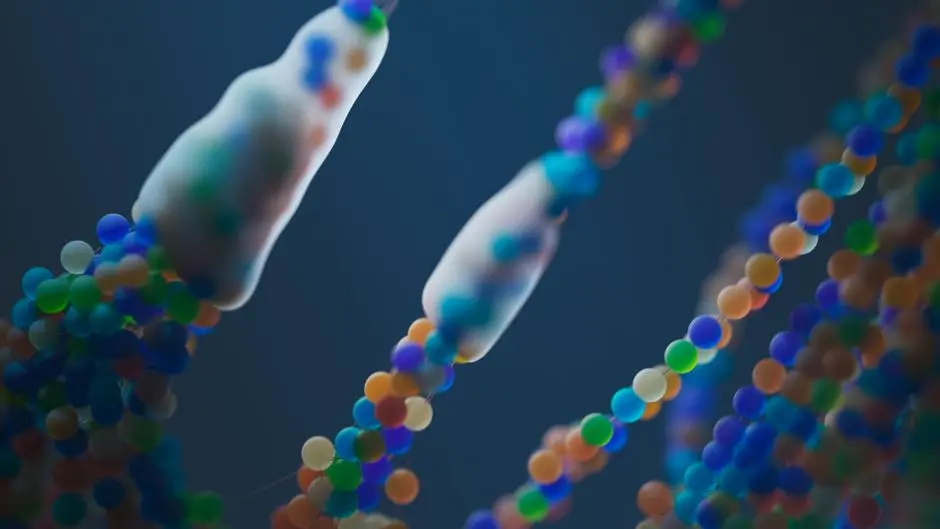
The genetic code itself is the set of rules by which information encoded in genetic material (DNA or RNA sequences) is translated into proteins. It's a three-letter code: each sequence of three nucleotides, called a codon, specifies a particular amino acid or signals for the termination of protein synthesis. There are 64 possible codons, generated from the four nucleotide bases—Adenine (A), Uracil (U, in RNA; Thymine T, in DNA), Guanine (G), and Cytosine (C). Of these, 61 code for the 20 common amino acids, and three are 'stop' codons that signal the end of protein synthesis. This intricate yet elegantly simple system ensures that the correct proteins are synthesized, driving all cellular functions.
The Universal Language: Unpacking the Characteristics and Specificity of the Genetic Code
The genetic code possesses several remarkable characteristics that underpin its efficiency and evolutionary success. Foremost among these is its universality. With minor exceptions, the genetic code is virtually identical across all forms of life, from bacteria to plants to humans. This astounding fact underscores our common evolutionary heritage and allows for groundbreaking biotechnological applications, such as inserting human genes into bacteria to produce insulin.
Another key feature is its degeneracy, or redundancy. While each codon specifies only one amino acid, a single amino acid can often be specified by more than one codon. For example, both UUA and UUG codons specify the amino acid Leucine. This redundancy is not a flaw; it provides a crucial buffer against the detrimental effects of point mutations. A change in a single nucleotide might still result in the same amino acid being incorporated into the protein, effectively 'silent' mutation, thus protecting the organism from potentially harmful alterations.
The code is also non-overlapping and comma-less. This means that ribosomes read each codon sequentially, one after another, without skipping any nucleotides (non-overlapping) and without any 'punctuation' between codons (comma-less). Once translation begins at a specific start codon (typically AUG, which codes for Methionine), the sequence is read in a continuous frame of three nucleotides at a time until a stop codon is encountered. This precise reading frame is absolutely critical; even a single nucleotide insertion or deletion can shift the entire frame, leading to a completely different, often non-functional, protein.

From Blueprint to Building Block: Transcription and Translation in Action
The journey from a DNA sequence to a functional protein is a meticulously orchestrated two-step process: transcription and translation. Let's delve into the mechanics. Transcription initiates when an enzyme called RNA polymerase binds to a specific region of a gene, unwinding the DNA double helix. It then synthesizes an mRNA molecule by reading the DNA template strand and incorporating complementary RNA nucleotides. For instance, if the DNA template has Adenine (A), RNA polymerase adds Uracil (U) to the mRNA; if DNA has Guanine (G), it adds Cytosine (C), and so forth. This newly synthesized mRNA is a faithful, albeit single-stranded, copy of the gene's coding information.
Once the mRNA leaves the nucleus (in eukaryotes), translation commences. This intricate process involves ribosomes, transfer RNA (tRNA) molecules, and amino acids. Ribosomes, composed of ribosomal RNA (rRNA) and proteins, are the molecular machines that move along the mRNA, reading each codon. For every codon on the mRNA, there's a specific tRNA molecule carrying a complementary three-nucleotide sequence called an anticodon, along with its specific amino acid attached. When a tRNA's anticodon matches an mRNA codon, the tRNA delivers its amino acid to the ribosome. The ribosome then catalyzes the formation of a peptide bond between the incoming amino acid and the growing polypeptide chain.
This precise matching and sequential addition of amino acids continues until a stop codon (UAA, UAG, or UGA) is reached. At this point, release factors bind to the stop codon, signaling the termination of protein synthesis. The completed polypeptide chain detaches from the ribosome, folds into its unique three-dimensional structure, and becomes a functional protein, ready to perform its specific role within the cell. This entire process, from DNA to protein, is executed with astounding speed and accuracy, forming the bedrock of all cellular life.
Mastering the Code: Implications, Mutations, and Future Horizons
Understanding the genetic code transcends basic biology; it unlocks profound implications for health, disease, and biotechnology. The precision of this code is paramount. Even a seemingly minor alteration, a mutation, can have significant consequences. For example, a 'missense' mutation replaces one nucleotide, leading to a different amino acid, which can alter protein function. A 'nonsense' mutation introduces a premature stop codon, resulting in a truncated, often non-functional, protein. Frameshift mutations, caused by insertions or deletions of nucleotides not in multiples of three, are particularly devastating as they change the entire downstream reading frame, rendering most proteins useless. Diseases like cystic fibrosis and sickle cell anemia are direct manifestations of such genetic code alterations.
Beyond disease, the genetic code is central to gene expression regulation, allowing cells to turn genes on or off as needed, adapting to environmental changes or fulfilling specific developmental roles. This regulatory complexity ensures that only necessary proteins are produced at the right time and in the right amounts. Modern biotechnology leverages this understanding extensively. Techniques like CRISPR-Cas9 gene editing directly manipulate the genetic code, offering unprecedented potential for correcting genetic defects and developing new therapies.
We are constantly refining our mastery of this code. From synthetic biology, where scientists design new genetic circuits, to personalized medicine, tailoring treatments based on an individual's unique genetic blueprint, the genetic code remains the central pillar. The insights we forge into its mechanics and implications propel us toward a future where we can not only read but also write and edit the very language of life, optimizing biological outcomes with unparalleled precision and foresight.
Key Takeaways
The Central Dogma: Information Flow
The core concept is the central dogma: information flows from DNA → RNA → Protein. DNA holds the master blueprint. Transcription copies DNA into messenger RNA (mRNA). Translation converts mRNA into protein sequences. Proteins perform nearly all cellular functions.
Genetic Code Structure and Characteristics
The genetic code uses codons, which are three-nucleotide sequences that specify amino acids or stop signals. It is universal across life forms (few exceptions), degenerate (multiple codons can code for one amino acid, offering mutation protection), non-overlapping, and comma-less (read continuously in groups of three).
Key Players in Protein Synthesis
During translation, ribosomes read mRNA codons. Transfer RNA (tRNA) molecules, each carrying a specific amino acid, have anticodons that match mRNA codons. This precise pairing ensures the correct amino acid sequence, building the polypeptide chain until a stop codon is reached.
Impact of Mutations
Changes in the genetic code (mutations) can alter protein function, leading to diseases. Types include missense (different amino acid), nonsense (premature stop), and frameshift (insertions/deletions altering reading frame). Understanding these is vital for disease research and gene editing technologies like CRISPR-Cas9.
FAQ
-
What is the primary function of the genetic code?
The primary function of the genetic code is to provide the instructions for building proteins. It defines how sequences of nucleotides in DNA and RNA are translated into sequences of amino acids, which are the building blocks of proteins. These proteins then carry out virtually all cellular functions, from structural support to enzymatic reactions and signaling.
-
Why is the genetic code considered 'universal'?
The genetic code is considered universal because, with very few exceptions, the same codons specify the same amino acids across all known life forms. This striking commonality suggests a single origin of life and allows scientists to transfer genes between different species, for example, inserting a human gene into bacteria to produce a human protein like insulin.
-
What does it mean for the genetic code to be 'degenerate'?
Degeneracy, or redundancy, means that multiple codons can specify the same amino acid. While each codon codes for only one amino acid, most amino acids can be coded for by more than one codon. For example, there are six different codons for Leucine. This redundancy is beneficial because it helps buffer against the potentially harmful effects of point mutations, where a single nucleotide change might not alter the resulting amino acid.
-
What is the difference between transcription and translation?
Transcription is the process where the genetic information from a DNA segment (gene) is copied into an RNA molecule, specifically messenger RNA (mRNA). This occurs in the nucleus of eukaryotic cells. Translation is the subsequent process where the mRNA sequence is read by ribosomes and converted into a specific sequence of amino acids, forming a protein. This occurs in the cytoplasm at the ribosomes.
-
How do mutations in the genetic code affect an organism?
Mutations, which are changes in the DNA sequence, can significantly affect an organism by altering the genetic code. Depending on the type and location of the mutation, it can lead to changes in the amino acid sequence of a protein, resulting in a protein that is non-functional, partially functional, or even has a new, harmful function. This can cause genetic diseases, developmental abnormalities, or even be lethal. However, some mutations can also be silent or beneficial, contributing to evolutionary adaptation.