
> Basic Biology Concepts > DNA and Genetic Information Basics > Unraveling Genetic Variation: Mechanisms Driving Biological Diversity
Unraveling Genetic Variation: Mechanisms Driving Biological Diversity
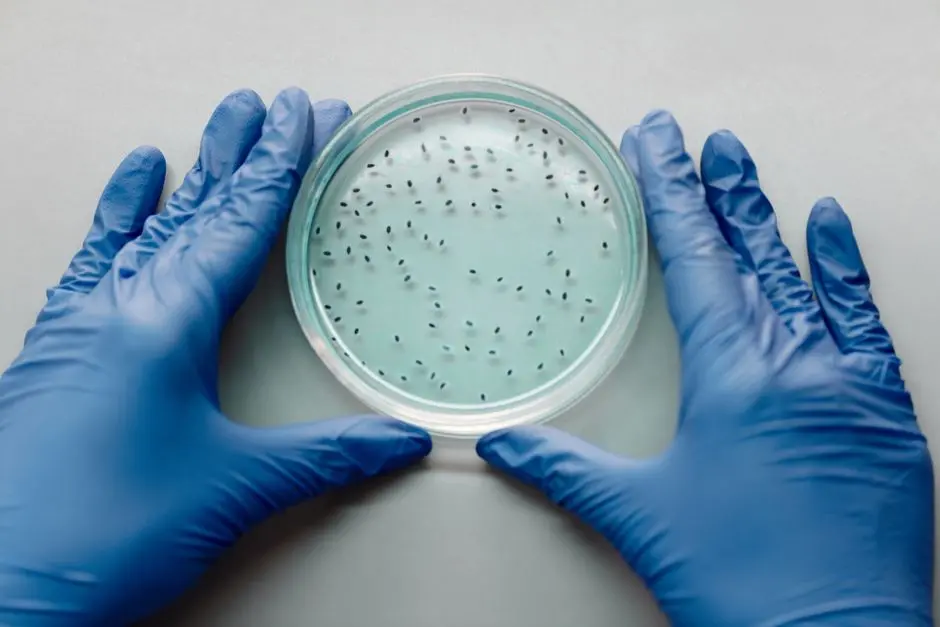
Dive deep into the bedrock of life's incredible diversity. Every organism, from the simplest bacterium to the most complex mammal, carries a unique blueprint—its genome. But how does this immense variability arise? What are the invisible forces that constantly reshape the genetic landscape, fueling evolution and adaptation? We unlock the intricate mechanisms behind genetic variation, the very engine of biodiversity. This article empowers you with a specialist's understanding of how new traits emerge, species evolve, and life continually innovates.
Understanding these processes is not merely academic; it is crucial for fields ranging from medicine and agriculture to conservation biology. We dissect the key cellular and molecular events that introduce novelty into genomes, exploring both random and directed influences. Forge a profound comprehension of how life continually rewrites its own code. Prepare to command an expert perspective on the genesis of life's most compelling story: its unending adaptation and diversification, built upon the fundamental principles of genetic material in living systems. This journey will equip us with an unparalleled insight into the dynamic nature of heredity.
Unveiling Genetic Variation: The Bedrock of Life's Diversity
Genetic variation stands as the quintessential force driving evolution, adaptation, and the breathtaking biodiversity we observe across Earth. Without this inherent variability in DNA sequences among individuals within a population, life would stagnate, unable to respond to environmental shifts or seize new opportunities for survival and proliferation. We recognize genetic variation as the raw material upon which natural selection operates, enabling populations to adapt, differentiate, and ultimately speciate. It is the fundamental difference in an organism's genetic makeup, manifesting as distinct alleles for genes, or even large-scale chromosomal alterations.
Consider any trait—eye color, disease resistance, metabolic efficiency—and trace its origins back to variations in genetic code. These differences translate into distinct proteins, altered regulatory pathways, or modified cellular functions, yielding a spectrum of observable characteristics, or phenotypes. Our mission is to dissect the two overarching categories of genetic variation: the creation of genuinely novel genetic information and the sophisticated reshuffling of existing genetic material. We embark on this exploration with the surgical precision required to understand both the molecular genesis of new traits and the population-level dynamics that distribute and refine them. This intricate dance of molecular events and population shifts continuously sculpts the genetic landscape, offering an inexhaustible wellspring of biological innovation.
Grasping these core principles is not just about understanding biology; it’s about comprehending the very mechanism that makes life resilient, dynamic, and endlessly fascinating. We unlock these secrets to empower a deeper, more actionable insight into the living world, moving beyond superficial observation to decipher the profound genomic blueprints that dictate existence.
Engineering Novelty: The Power of Mutation as a Primary Driver
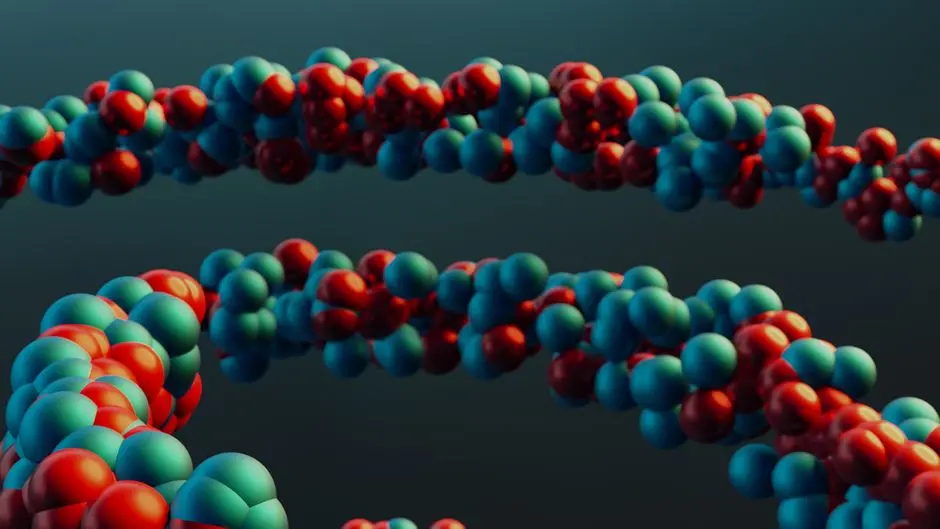
Mutation represents the ultimate wellspring of new genetic information, a stochastic yet indispensable process that introduces permanent alterations into the nucleotide sequence of DNA. This is where truly novel alleles originate, providing the raw material that was not previously present in the gene pool. We categorize mutations based on their scale and impact, each type contributing uniquely to genetic diversity.
- Point Mutations: These involve a change in a single nucleotide base.
- Substitutions: One base is swapped for another. These can be silent (no change in amino acid due to redundancy of the genetic code), missense (changes amino acid, potentially altering protein function), or nonsense (introduces a premature stop codon, leading to a truncated, often non-functional protein).
- Frameshift Mutations: Involve the insertion or deletion of one or more nucleotides (not in multiples of three). These drastically alter the reading frame of the ribosome, leading to a completely different sequence of amino acids downstream of the mutation, almost invariably resulting in a non-functional protein.
- Chromosomal Mutations: These are large-scale changes affecting entire segments of chromosomes or even whole chromosomes. Examples include duplications (a segment is repeated), deletions (a segment is lost), inversions (a segment is reversed), and translocations (a segment moves to a different chromosome).
These transformative events arise from two primary sources. Spontaneous mutations occur due to inherent errors during DNA replication (e.g., DNA polymerase mistakes, tautomeric shifts of bases) or chemical instability of DNA bases. Induced mutations result from exposure to environmental agents called mutagens, such as ionizing radiation (X-rays, gamma rays), non-ionizing radiation (UV light), or various chemical compounds (e.g., base analogs, intercalating agents). While many mutations are neutral or deleterious, a critical few prove beneficial, conferring an adaptive advantage and becoming the cornerstone of evolutionary progression. Organisms have evolved sophisticated DNA repair mechanisms to correct most mutations, yet an irreducible minimum persists, driving the evolutionary engine forward. We command this understanding to appreciate mutation as the relentless architect of genomic innovation.
Reshuffling the Genetic Deck: Recombination and Independent Assortment in Sexual Reproduction
While mutation introduces entirely new genetic variants, sexual reproduction meticulously shuffles and recombines existing alleles, generating an immense array of novel combinations. This process, primarily orchestrated during meiosis, stands as a pivotal mechanism for increasing genetic diversity within a population. We identify two principal phenomena that fuel this reshuffling:
- Crossing Over (Genetic Recombination): This critical event unfolds during Prophase I of meiosis. Homologous chromosomes, precisely aligned, physically exchange segments of their non-sister chromatids. This breakage and reunion of DNA strands, occurring at specific points called chiasmata, creates new combinations of alleles on the same chromosome. Imagine a pair of socks, each carrying different patterns; crossing over allows us to stitch parts of one pattern onto the other. The result is recombinant chromatids that possess a unique blend of parental alleles, fundamentally altering the linkage relationships between genes and significantly boosting the diversity of gametes produced. Without crossing over, genes located on the same chromosome would always be inherited together, severely limiting variation.
- Independent Assortment: Occurring during Metaphase I of meiosis, independent assortment refers to the random orientation and subsequent segregation of homologous chromosome pairs at the metaphase plate. Each pair aligns independently of every other pair. For an organism with 'n' pairs of homologous chromosomes, there are 2^n possible combinations of chromosomes that can end up in the gametes. In humans, with 23 pairs of chromosomes, this translates to over 8 million (2^23) unique combinations of chromosomes in gametes, even before considering crossing over. This profound randomness ensures that parental alleles are not simply passed on as fixed blocks, but rather as independently assorted units, further amplifying the genetic diversity within the offspring.
Together, crossing over and independent assortment ensure that each gamete produced is genetically unique, except in the case of identical twins. This elaborate genetic lottery guarantees that the offspring of sexually reproducing organisms are distinct from their parents and siblings, providing a constantly renewed pool of diverse genotypes for natural selection to act upon. We decipher these intricate meiotic processes as essential pillars supporting the adaptive capacity of sexually reproducing species.
Beyond Traditional Inheritance: Horizontal Gene Transfer and Genomic Plasticity Elements
While vertical gene transfer—the transmission of genetic material from parent to offspring—is the cornerstone of heredity, other profound mechanisms significantly contribute to genetic variation, particularly in specific domains of life. We investigate these alternative pathways that fuel genomic plasticity and evolutionary innovation.
- Horizontal Gene Transfer (HGT): Also known as lateral gene transfer, HGT involves the transfer of genetic material between organisms in ways other than traditional reproduction. This phenomenon is extraordinarily prevalent and impactful in prokaryotes (bacteria and archaea), radically accelerating their evolution. We identify three primary mechanisms:
- Transformation: Bacteria directly take up naked DNA fragments released by other bacteria into their environment.
- Transduction: Bacteriophages (viruses that infect bacteria) inadvertently transfer bacterial DNA from one host cell to another during infection cycles.
- Conjugation: A direct, cell-to-cell transfer of genetic material (often plasmids) through a temporary physical bridge called a pilus.
- Transposable Elements (Transposons or 'Jumping Genes'): These are segments of DNA that possess the remarkable ability to move from one location to another within a genome. Their activity can cause mutations by inserting into existing genes, disrupting their function, or altering gene regulation. Transposons can also carry other genes with them, contributing to the rearrangement and evolution of genomes, acting as potent agents of genomic plasticity and contributing substantially to variation within and between species.
- Polyploidy: A condition where an organism possesses more than two complete sets of chromosomes. This often arises from errors in cell division (e.g., nondisjunction). While rare in animals, polyploidy is a major evolutionary mechanism in plants, often leading to the rapid formation of new species due to instantaneous reproductive isolation. Polyploid organisms can have increased vigor and create a fertile ground for gene duplication, providing redundant gene copies that can then mutate and acquire new functions.
- Gene Duplication: The accidental duplication of a gene or a segment of DNA is a fundamental driver of evolutionary innovation. The redundancy provided by a duplicate gene means one copy can maintain its original function, while the other is free to accumulate mutations and potentially evolve a completely new function (neofunctionalization) or become a non-functional pseudogene. This process has been critical in the expansion of gene families and the emergence of complex traits throughout evolutionary history.
These mechanisms underscore the dynamic and multifaceted nature of genetic variation, extending far beyond simple inheritance to encompass a broader spectrum of genomic alterations that drive adaptation and diversification.
Population Dynamics: Genetic Drift and Gene Flow as Modulators of Variation
While mutations introduce new alleles and recombination shuffles them, population-level processes critically influence the distribution, frequency, and persistence of this variation within and among populations. We focus on two key evolutionary forces that sculpt the genetic landscape, particularly in the absence of strong selective pressures: genetic drift and gene flow.
- Genetic Drift: This refers to random fluctuations in allele frequencies from one generation to the next, a process driven entirely by chance. Its impact is inversely proportional to population size; drift is significantly more pronounced and rapid in small populations. Imagine drawing marbles from a bag to represent alleles passed to the next generation; in a small sample, the ratio of marble colors can deviate significantly from the original bag's ratio purely by chance. Over time, genetic drift can lead to the loss of some alleles (reducing genetic diversity) and the fixation of others, regardless of their adaptive value.
- Founder Effect: This occurs when a new population is established by a very small number of individuals. The genetic makeup of this new population will likely not be representative of the original, larger source population, carrying only a subset of its genetic diversity.
- Bottleneck Effect: A sudden and drastic reduction in population size, often due to environmental catastrophe, can lead to a significant loss of genetic diversity. The surviving population's gene pool is a random, smaller sample of the original, with certain alleles potentially over- or under-represented, or even lost entirely.
- Gene Flow (Migration): This involves the movement of alleles between populations through the migration of individuals or their gametes. When individuals from one population migrate and successfully reproduce in another, they introduce new alleles into the recipient population's gene pool. The consequences are multifaceted:
- Gene flow can introduce novel alleles into a population, thereby increasing its genetic diversity and potentially rescuing it from the deleterious effects of inbreeding or genetic drift.
- Conversely, substantial gene flow between populations can homogenize their allele frequencies, making them more genetically similar and reducing genetic differentiation. This can counteract local adaptation if alleles suited to specific environments are swamped by migrants carrying less advantageous alleles.
We recognize that genetic drift and gene flow do not create new genetic material in the way mutations do, but they are powerful determinants of how existing variation is distributed and maintained within populations. Together with mutation and recombination, these forces orchestrate the grand symphony of evolution, providing a comprehensive framework for understanding the dynamic nature of life's genetic blueprint.
Key Takeaways
Core Mechanisms of Genetic Variation
Genetic variation, the engine of evolution, arises primarily through:
- Mutation: The ultimate source of new alleles, involving permanent changes to DNA sequences (point, frameshift, chromosomal). Driven by replication errors or mutagens.
- Recombination: In sexually reproducing organisms, meiosis shuffles existing alleles through crossing over (exchange of segments between homologous chromosomes) and independent assortment (random orientation of chromosome pairs).
- Horizontal Gene Transfer (HGT): Predominantly in prokaryotes, allowing rapid acquisition of new traits via transformation, transduction, or conjugation.
- Transposable Elements: 'Jumping genes' that move within genomes, causing mutations or rearrangements.
- Polyploidy & Gene Duplication: Increase gene copy number, providing raw material for new functions.
- Genetic Drift & Gene Flow: Population-level forces that modulate the frequency and distribution of existing variation.
Why Genetic Variation Matters
Genetic variation is indispensable because:
- It provides the raw material for natural selection, enabling populations to adapt to changing environments.
- It fuels evolution, leading to the diversification of life and the emergence of new species.
- It underlies the immense biodiversity observed on Earth, contributing to ecosystem resilience.
- It is crucial for understanding disease susceptibility, drug resistance, and the development of new treatments in medicine.
- It forms the basis for improving crops and livestock in agriculture.
FAQ
-
What is the primary difference between mutation and recombination in creating genetic variation?
Mutation is the ultimate source of all new genetic material, introducing novel alleles or sequences not previously present in the gene pool through changes in the DNA sequence. Recombination, primarily through crossing over and independent assortment during meiosis, shuffles and rearranges existing alleles into new combinations on chromosomes, generating new genotypic and phenotypic diversity without creating entirely new alleles.
-
Can genetic variation occur without sexual reproduction?
Absolutely. Genetic variation is not solely dependent on sexual reproduction. Mutation is a constant source of variation in both sexually and asexually reproducing organisms. Additionally, in prokaryotes, Horizontal Gene Transfer (HGT) mechanisms like transformation, transduction, and conjugation enable the rapid acquisition of new genetic material from other organisms, profoundly driving their evolution and increasing variation.
-
Are all mutations harmful to an organism?
No, not all mutations are harmful. While many mutations can be deleterious or have no discernible effect (neutral), a small but critical fraction can be beneficial. These beneficial mutations confer an adaptive advantage, allowing organisms to better survive, reproduce, or thrive in their environment, and are the raw material for natural selection and evolution.
-
How does horizontal gene transfer impact bacterial evolution?
Horizontal Gene Transfer (HGT) profoundly impacts bacterial evolution by enabling the rapid acquisition of new genetic traits from unrelated individuals or species. This allows bacteria to quickly adapt to new environments, develop antibiotic resistance, acquire virulence factors, or gain novel metabolic capabilities much faster than would be possible through mutation and vertical inheritance alone. HGT is a major driver of bacterial diversification and adaptation.