
> Basic Biology Concepts > Cell Structure and Cellular Organization > Architecting Cellular Life: The Indispensable Role of Organelles
Architecting Cellular Life: The Indispensable Role of Organelles
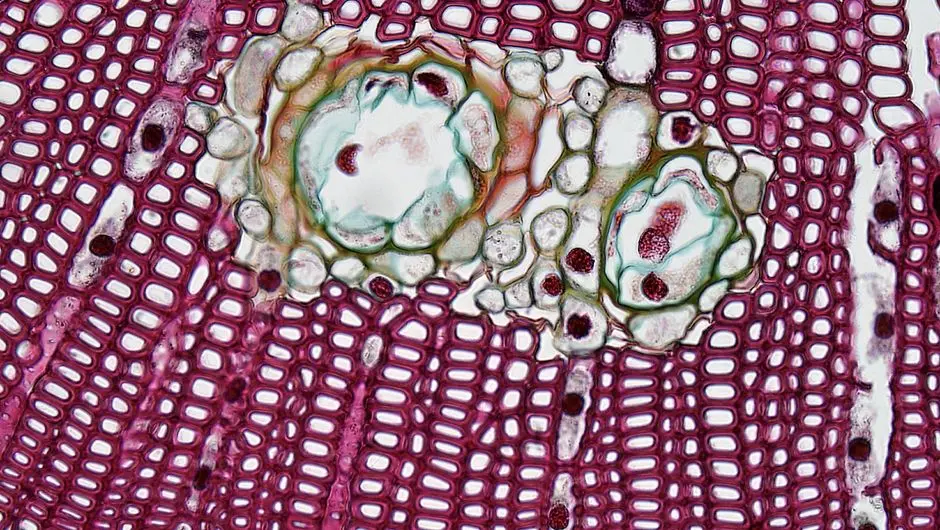
We delve into the very essence of cellular existence, where order dictates survival and efficiency propels function. Imagine a bustling metropolis, yet without distinct districts for power generation, waste management, or communication – chaos would reign. This stark analogy mirrors the unorganized cell, a hypothetical entity incapable of sustaining life. Our journey today illuminates the profound necessity of organelles, the specialized internal structures that transform a simple cytoplasmic soup into a marvel of biological engineering.
We will dismantle common misconceptions and forge a crystalline understanding of how these microscopic marvels compartmentalize, specialize, and synchronize every critical life process, from energy conversion to genetic information management. Discover how the absence of even one key organelle could cascade into cellular collapse, undermining the very foundation of existence. This deep dive empowers us to grasp the intricate ballet of molecular machinery, revealing why these internal divisions are not merely advantageous, but fundamentally indispensable. To truly comprehend life's intricate fabric, we must first master the fundamental units of life, the cells, in their full complexity.

The Principle of Compartmentalization: Unlocking Unprecedented Cellular Efficiency
We confront the foundational truth: life demands order. In the eukaryotic cell, this order manifests as relentless compartmentalization, a strategic division of labor orchestrated by organelles. Without these specialized internal environments, the cell would resemble a chaotic biochemical soup, riddled with conflicting reactions and toxic byproducts. Imagine the colossal inefficiency if protein synthesis, lipid metabolism, and energy production all occurred simultaneously in an undifferentiated space. Crucial biochemical pathways, each requiring precise pH levels, specific enzyme concentrations, and controlled substrate availability, would be perpetually compromised.
Organelles resolve this by creating distinct microenvironments. The lysosome, for instance, maintains an acidic pH (around 4.5-5.0) optimal for its hydrolytic enzymes, a stark contrast to the neutral pH (around 7.2) of the cytoplasm. This strict isolation prevents these powerful digestive enzymes from indiscriminately destroying vital cellular components. Similarly, the peroxisome’s role in detoxifying harmful reactive oxygen species is paramount; it sequesters enzymes like catalase that convert hydrogen peroxide into water and oxygen, protecting the rest of the cell from oxidative damage. This partitioning is not merely a convenience; it is a critical survival mechanism. It allows for the concurrent execution of mutually incompatible reactions, vastly increasing the cell's metabolic capacity and overall responsiveness. We forge cellular optimization by embracing this strategic division, ensuring each biological process operates at its peak potential, unimpeded by extraneous influences.
Orchestrating Genetic Information and Protein Synthesis: The Central Dogma's Command Center
The nucleus stands as the cell's undisputed command center, an organelle whose very existence underscores the essentiality of protected genetic information. Encased within a double membrane, the nuclear envelope, it safeguards the cell's entire genetic blueprint – DNA. This protection is not passive; it is an active mechanism ensuring the integrity of the genome against cytoplasmic enzymes and environmental stressors. Inside, DNA replication and transcription occur within a precisely regulated environment, insulated from the bustling cytoplasm where protein translation takes place. This spatial and temporal separation is critical. Transcription factors and regulatory proteins operate within the nucleus, dictating gene expression with surgical precision, while ribosomes in the cytoplasm translate messenger RNA into proteins.
The intricate journey of protein synthesis extends beyond the nucleus. Proteins destined for secretion, insertion into membranes, or delivery to specific organelles embark on a tightly regulated pathway. The rough endoplasmic reticulum (RER), studded with ribosomes, is the initial staging ground. Here, newly synthesized proteins undergo initial folding and modification. Chaperone proteins within the RER lumen ensure correct folding, preventing the accumulation of misfolded proteins that can trigger cellular stress and apoptosis. From the RER, proteins transit to the Golgi apparatus, the cell's sophisticated sorting and packaging facility. The Golgi further modifies, sorts, and targets proteins to their final destinations via vesicles. This precise, multi-organelle relay ensures that every protein arrives correctly folded and at the right place, at the right time. We harness this orchestrated flow to maintain cellular identity and execute complex biological functions.
Energy Production and Metabolic Powerhouses: Fueling Life's Relentless Demands
Every cellular process, from protein synthesis to active transport, demands energy. The relentless pulsate of life hinges upon a continuous, efficient supply of adenosine triphosphate (ATP). We pinpoint the mitochondria as the undisputed powerhouses of eukaryotic cells, organelles whose unique structure is fundamentally engineered for ATP generation. These double-membraned organelles possess an inner membrane highly folded into cristae, dramatically increasing the surface area for the electron transport chain. This architectural marvel maximizes the efficiency of oxidative phosphorylation, producing the vast majority of cellular ATP. Without mitochondria, cells would rely solely on glycolysis, an inefficient anaerobic process that yields a mere fraction of the ATP required to sustain complex cellular functions. The outcome would be a rapid energy crisis, rendering the cell metabolically bankrupt and incapable of survival.
Beyond ATP, mitochondria also play critical roles in calcium signaling, programmed cell death (apoptosis), and the synthesis of certain lipids and amino acids. Their dynamic nature, constantly fusing and fissioning, allows them to adapt their energy output to the cell's fluctuating demands. Similarly, in plant cells, chloroplasts fulfill a parallel, equally vital role. These organelles harness light energy to perform photosynthesis, converting carbon dioxide and water into glucose and oxygen. Their internal thylakoid membranes, arranged into grana, are also precisely structured to maximize light absorption and energy conversion. These energy-generating organelles are not merely components; they are the literal engines driving the machinery of life. We optimize cellular vitality by securing these power plants, recognizing their critical design for sustained biological activity.
Maintaining Cellular Integrity and Waste Management: The Cell's Recycling and Detoxification Units
Cellular life generates an incessant stream of waste products, damaged components, and potentially harmful substances. Without efficient waste management and detoxification systems, cells would quickly accumulate toxic debris, leading to functional impairment and eventual demise. Lysosomes are the cell's dedicated recycling centers, spherical organelles packed with potent hydrolytic enzymes capable of breaking down virtually all types of biological polymers – proteins, nucleic acids, carbohydrates, and lipids. These enzymes operate optimally in the lysosome’s acidic lumen, a condition maintained by proton pumps in its membrane. Lysosomes are crucial for autophagy, the process by which cells degrade and recycle their own old or damaged organelles and macromolecules, and for phagocytosis, the engulfment and digestion of external particles, pathogens, or cellular debris.
Complementing lysosomes, peroxisomes play a critical role in detoxification and lipid metabolism. These small, membrane-bound organelles specialize in carrying out oxidative reactions that produce hydrogen peroxide, a powerful oxidant. Crucially, peroxisomes also contain catalase, an enzyme that rapidly converts hydrogen peroxide into harmless water and oxygen, thereby preventing cellular damage. They are also instrumental in breaking down fatty acids and synthesizing certain lipids. The controlled environment within these organelles prevents harmful intermediates from contaminating the rest of the cytoplasm. In plant cells, large central vacuoles serve a multi-faceted role, acting as storage sites for water, nutrients, and waste products, while also maintaining turgor pressure. This integrated waste management and recycling system is non-negotiable for cellular homeostasis and survival. We fortify cellular resilience by empowering these vital cleansing systems, ensuring optimal function and longevity.
Dynamic Support, Transport, and Communication: The Interconnected Network of Cellular Operations
Beyond specific metabolic functions, organelles are integral to the cell's dynamic structure, internal transport, and communication networks. The cytoskeleton, while not a membrane-bound organelle itself, is a complex network of protein filaments (microtubules, microfilaments, intermediate filaments) that works in intimate concert with organelles. It provides structural support, maintaining cell shape and enabling cell motility. Crucially, the cytoskeleton also acts as a highway system for intracellular transport, with motor proteins (like kinesins and dyneins) actively moving organelles, vesicles, and other cellular components to precise locations within the cell. Without this intricate scaffolding and transport network, organelles would be adrift, unable to reach their sites of action or interact effectively. This coordinated movement is fundamental to processes like cell division, nutrient distribution, and signaling.
Vesicles, small membrane-bound sacs, function as the cell's internal delivery and export system. They bud off from various organelles (ER, Golgi, endosomes) and ferry cargo, such as proteins, lipids, and neurotransmitters, to other organelles, the plasma membrane, or outside the cell. This vesicular transport ensures precise and timely delivery, preventing premature activation or degradation of crucial molecules. This dynamic interplay between the cytoskeleton and vesicles, guided by specific signaling cues, underpins cellular communication, nutrient uptake, waste excretion, and the maintenance of cell polarity. The cell membrane itself, though often considered separately, collaborates with these internal organelles to facilitate crucial exchanges with the external environment. We leverage these sophisticated transport and communication mechanisms to ensure every cellular operation is seamlessly integrated and optimally executed, propelling biological performance to its apex.
Key Takeaways
Compartmentalization: The Core Principle
Organelles create distinct internal environments, allowing incompatible biochemical reactions to occur simultaneously with maximum efficiency. This prevents chaos, isolates toxic byproducts, and maintains optimal conditions (e.g., pH, enzyme concentration) for specific processes, vastly enhancing cellular metabolic capacity.
Genetic Control & Protein Lifecycle
The nucleus protects and regulates genetic information, ensuring DNA integrity and controlled gene expression. The rough ER initiates protein folding and modification, while the Golgi apparatus sorts, packages, and targets proteins, forming an indispensable pathway for protein synthesis, processing, and delivery.
Energy Production: The Cellular Fuel Source
Mitochondria are the primary sites of ATP production through oxidative phosphorylation, essential for powering all cellular activities. Their unique structure maximizes energy yield. Chloroplasts in plant cells similarly capture light energy for photosynthesis. These organelles are fundamental to sustaining life's energy demands.
Waste Management & Cellular Integrity
Lysosomes act as the cell's recycling centers, breaking down waste, damaged components, and pathogens. Peroxisomes detoxify harmful substances and manage reactive oxygen species. This integrated system ensures cellular cleanliness and integrity, preventing toxic accumulation and maintaining homeostasis.
Dynamic Support & Interconnected Transport
The cytoskeleton provides structural support, maintains cell shape, and facilitates organelle movement. Vesicles serve as intracellular transporters, moving cargo between organelles and to the cell exterior. This dynamic network enables precise localization, communication, and coordinated action across the cell, vital for all life processes.
FAQ
-
What happens to a cell if it lacks organelles?
Without organelles, a cell would be incapable of sustaining life. It would lack the ability to compartmentalize essential biochemical reactions, produce energy efficiently, manage genetic information, synthesize and process proteins, or eliminate waste. Such a cell would quickly succumb to metabolic chaos and breakdown. -
Are all organelles found in every type of cell?
No, the presence and abundance of specific organelles vary significantly depending on the cell type and its specialized function. For instance, muscle cells have abundant mitochondria for energy, while pancreatic cells have extensive rough endoplasmic reticulum and Golgi apparatus for protein secretion. Plant cells possess chloroplasts and a large central vacuole, which are absent in animal cells. -
How do organelles communicate and coordinate their activities?
Organelles communicate through a sophisticated network of signaling pathways and physical interactions. Vesicular transport plays a primary role, ferrying molecules between organelles. The cytoskeleton provides tracks for organelle movement and positioning, facilitating interactions. Signal molecules, such as hormones and neurotransmitters, can also trigger organelle responses, ensuring their activities are tightly coordinated for overall cellular function. -
Can organelles be considered 'mini-organs' of the cell?
Yes, this analogy is highly fitting. Just as organs in a multicellular organism perform specialized tasks (e.g., heart for pumping, lungs for gas exchange), organelles within a cell carry out distinct, essential functions (e.g., mitochondria for energy, nucleus for genetic control). This specialized division of labor is fundamental to the efficient operation of both complex organisms and individual cells.