
> Basic Biology Concepts > Cell Structure and Cellular Organization > Forge Cell Duplication: Blueprint for Life's Renewal
Forge Cell Duplication: Blueprint for Life's Renewal
Every living organism, from the simplest bacterium to the most complex human, hinges upon a fundamental biological imperative: the ability of its cells to replicate with unfailing precision. Before a cell can embark on the momentous journey of division, it orchestrates an intricate ballet of molecular events to create an exact copy of its genetic material and cellular machinery. This preparatory phase is not merely a prelude; it is the cornerstone of life's continuity, ensuring genetic integrity across generations and enabling growth, repair, and reproduction.
We dive deep into the strategic processes that define how cells meticulously replicate before division, unveiling the molecular command center that dictates this cellular triumph. Understanding this foundational mechanism is crucial for comprehending life itself, and it reinforces our appreciation for the intricate dance of cellular components that define life's fundamental units. Prepare to optimize your grasp of cell biology, uncovering the critical steps, regulatory checkpoints, and the very essence of cellular self-renewal. We dissect this process with surgical precision, transforming complex biochemistry into actionable biological insight.
The Imperative of Replication: Initiating Cellular Destiny
Before any cell commits to division, it must undergo an exhaustive replication phase, known as Interphase. This stage, far from being a quiescent period, is a hyperactive hub of preparation, meticulously partitioned into three critical sub-phases: G1 (Growth 1), S (Synthesis), and G2 (Growth 2). Our focus zeroes in on the S-phase, the strategic crucible where the cell's entire genome is duplicated. This isn't a mere copying exercise; it's a high-stakes operation demanding flawless execution. Errors here risk genetic instability, a precursor to cellular dysfunction and disease.
During G1, the cell grows, synthesizes proteins, and assesses its internal and external environment, ensuring conditions are optimal for replication. It acts as a critical checkpoint, a biological gatekeeper determining if the cell is ready to commit to division. Once given the green light, it enters the S-phase. Here, DNA replication unfurls, transforming a single set of chromosomes into two identical sister chromatids. Post-S-phase, the G2 phase serves as another vital preparation window, where the cell synthesizes final proteins necessary for division and doubles its organelles, meticulously preparing for symmetrical partitioning. This orchestrated sequence is the bedrock of cellular proliferation, allowing us to build, repair, and expand biological structures with unparalleled fidelity.
To master this, visualize the cell cycle as a factory line with stringent quality control at each station. The G1 checkpoint scrutinizes resource availability and DNA integrity. The S-phase orchestrates the construction of a new genetic blueprint. The G2 checkpoint then verifies the completion and accuracy of this blueprint, alongside the readiness of cellular machinery for deployment. Any deviation at these junctures triggers arrest or programmed cell death, a testament to the cell's inherent wisdom in safeguarding its genetic legacy. We must recognize these checkpoints not as mere pauses, but as active decision-making nodes that dictate the cell's very fate.
Orchestrating DNA Duplication: The Molecular Command Center
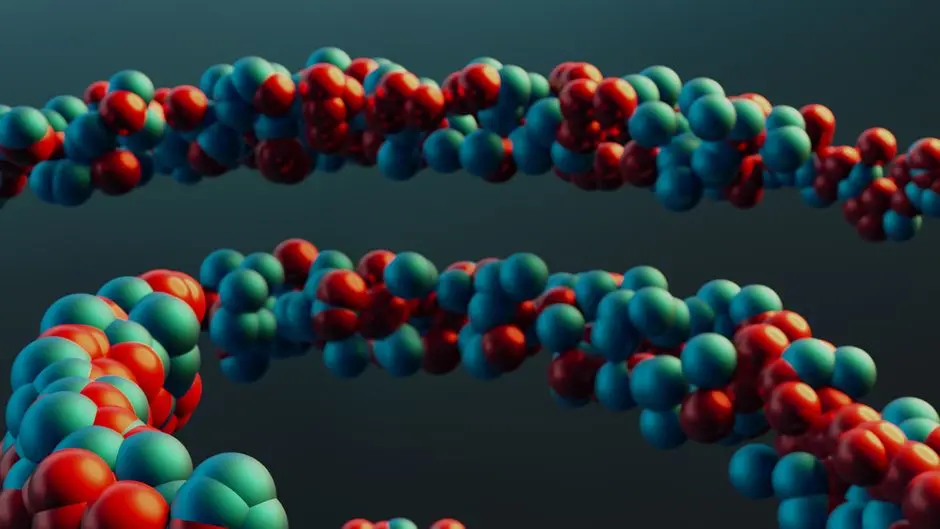
The S-phase orchestrates DNA replication through an intricate choreography of enzymes and proteins, transforming a single DNA molecule into two identical copies. This process is semi-conservative, meaning each new DNA strand comprises one original (template) strand and one newly synthesized strand. It commences at multiple origins of replication along the DNA molecule, ensuring efficient and timely duplication of the vast eukaryotic genome. Imagine a highly synchronized molecular assembly line, with each enzyme performing a specific, irreplaceable task.
We initiate the process with DNA helicase, a molecular unzipper that unwinds the double helix, separating the two strands and creating a replication fork. Single-strand binding proteins then stabilize these separated strands, preventing them from re-annealing. Next, DNA primase synthesizes short RNA primers, providing the essential starting points for DNA synthesis. This is where DNA polymerase takes center stage, the primary enzyme responsible for synthesizing new DNA strands. It adds complementary deoxyribonucleotides in the 5' to 3' direction, faithfully following the template strand.
However, the antiparallel nature of DNA dictates distinct synthesis mechanisms for each strand. The leading strand is synthesized continuously towards the replication fork. The lagging strand, in contrast, is synthesized discontinuously in short segments called Okazaki fragments, moving away from the fork. Each Okazaki fragment requires its own RNA primer. Once these fragments are formed, DNA polymerase removes the RNA primers and fills the gaps with DNA nucleotides. Finally, DNA ligase seals the nicks between fragments, creating a continuous, intact DNA strand. This meticulous process ensures genomic fidelity, but not without robust error-correction mechanisms. DNA polymerase itself possesses proofreading activity, immediately correcting mispaired bases, drastically reducing the mutation rate to an astonishingly low 1 error per 10^7-10^9 base pairs.
The efficiency of DNA replication is a marvel of biological engineering. Hundreds of thousands of replication origins activate in a staggered fashion, preventing replication forks from colliding and ensuring complete genome duplication within a limited timeframe. Optimizing our understanding means appreciating not just the components, but their synchronized, multi-tasking performance. Common pitfalls include underestimating the sheer volume of base pairs replicated, or the speed at which these molecular machines operate, typically thousands of nucleotides per minute in eukaryotes. We must grasp the orchestration, not just the individual instruments, to truly comprehend cellular mastery over its genetic blueprint.
Chromosomal Architects: Condensation and Organelle Duplication
Following the successful duplication of DNA in the S-phase, the cell enters the G2 phase, a critical period for final preparations before the dramatic events of cell division. While DNA synthesis is complete, the cell is far from ready. This phase is characterized by significant cellular growth, robust protein synthesis, and the meticulous duplication and allocation of organelles. It’s a period of intense internal logistics, ensuring that when the cell ultimately divides, each daughter cell receives a complete and functional set of cellular machinery.
A key transformation during G2, which extends into prophase of mitosis, is the condensation of chromatin into visible chromosomes. During Interphase, DNA exists as a diffuse, accessible chromatin network within the nucleus, facilitating gene expression and replication. However, for precise and equitable distribution during division, this vast length of DNA must be tightly packed. Proteins called condensins play a crucial role, supercoiling and compacting the DNA-histone complexes into discrete, rod-like structures. Each duplicated DNA molecule now appears as two sister chromatids, genetically identical, joined at a central constricted region called the centromere. This condensation is vital; it prevents tangling and breakage of chromosomes during the vigorous movements of mitosis.
Concurrently, the cell actively duplicates its centrosomes, the primary microtubule-organizing centers in animal cells. A single centrosome, containing two centrioles, duplicates during S-phase and matures during G2. These two centrosomes will migrate to opposite poles of the cell during mitosis, forming the spindle poles that orchestrate chromosome segregation. Furthermore, organelles such as mitochondria, endoplasmic reticulum, and Golgi apparatus are synthesized and dispersed throughout the cytoplasm. This expansion ensures that both nascent daughter cells receive an adequate complement of these vital structures. The cell also stockpiles energy reserves, primarily ATP, to power the energy-intensive processes of mitosis and cytokinesis. We observe here a cellular strategy of redundancy and preparation, anticipating the demands of division by pre-emptively manufacturing and organizing all necessary components. Failure in any of these steps compromises the viability of daughter cells, underscoring the absolute necessity of this meticulous preparation.
Regulating Replication: Checkpoints and Safeguards for Genomic Integrity
The cellular replication process is not a runaway train; it operates under stringent regulatory control, enforced by a sophisticated network of cell cycle checkpoints. These checkpoints are critical surveillance mechanisms that monitor the cell's internal state and external environment, ensuring that each phase of the cell cycle is completed accurately and in the correct order before progressing to the next. They act as guardians of genomic integrity, preventing the propagation of errors that could lead to mutations, uncontrolled growth, and disease.
We identify three primary checkpoints: the G1 checkpoint (or restriction point), the G2 checkpoint, and the M-phase checkpoint (or spindle assembly checkpoint). The G1 checkpoint is arguably the most crucial, determining whether the cell commits to division or enters a quiescent G0 state. It scrutinizes DNA integrity, cell size, and nutrient availability. If conditions are unfavorable or DNA is damaged, the cell cycle is halted until repairs are made, or it initiates apoptosis. The G2 checkpoint, positioned before entry into mitosis, ensures that DNA replication is complete and any DNA damage incurred during replication has been repaired. This is our final verification of the genetic blueprint before deployment.
The orchestration of these checkpoints relies on a core set of regulatory molecules: cyclins and cyclin-dependent kinases (CDKs). Cyclins are proteins whose concentrations fluctuate throughout the cell cycle, while CDKs are always present but only active when bound to specific cyclins. The cyclin-CDK complexes phosphorylate target proteins, driving the cell through different phases. For instance, G1/S cyclins activate CDKs that promote entry into S-phase, while mitotic cyclins activate CDKs that trigger entry into M-phase. Disruptions in this delicate balance, such as mutations in cyclin or CDK genes, or in genes encoding checkpoint proteins (like p53), can bypass these safeguards, leading to uncontrolled cell proliferation – the hallmark of cancer. Our mission is to recognize these regulatory circuits as the ultimate bio-optimizing system, ensuring stability and preventing catastrophic errors. Understanding their function illuminates the biological basis of disease and opens avenues for targeted therapeutic interventions, leveraging the cell's own internal logic against its dysfunctions. This deep dive solidifies our grasp on why precision in replication is non-negotiable for life itself.
Key Takeaways
Interphase: The Master Preparation Phase
Before cell division, cells undergo Interphase, consisting of G1 (growth and resource assessment), S (DNA replication), and G2 (final growth, organelle duplication, and checkpoint review). The S-phase is the critical period for duplicating the entire genome.
DNA Replication: A Semi-Conservative Masterpiece
DNA replication is semi-conservative, producing two new DNA molecules, each with one original and one new strand. Key enzymes include DNA helicase (unwinds DNA), DNA primase (lays RNA primers), DNA polymerase (synthesizes new DNA, proofreads), and DNA ligase (seals fragments). This process proceeds via leading and lagging strands, with Okazaki fragments on the latter.
Chromosomal Organization and Organelle Duplication
Post-DNA replication (G2 phase), chromatin condenses into visible, paired sister chromatids, facilitated by condensins, for organized segregation. Centrosomes duplicate to form spindle poles. Essential organelles like mitochondria and ER also duplicate and are distributed, ensuring each future daughter cell is fully equipped. This is critical for robust cellular function after division.
Cell Cycle Checkpoints: Guardians of Genomic Integrity
Cell cycle progression is tightly regulated by checkpoints (G1, G2, M) that monitor DNA integrity, replication completeness, and chromosome alignment. Cyclins and Cyclin-Dependent Kinases (CDKs) are key regulatory molecules that activate progression through phosphorylation. Failures in these checkpoints can lead to genetic instability and diseases such as cancer, highlighting their vital role in maintaining biological fidelity.
FAQ
-
What is the primary goal of cell replication before division?
The primary goal is to produce two exact copies of the cell's genetic material (DNA) and duplicate essential organelles, ensuring that each daughter cell receives a complete and functional set of chromosomes and cellular components. This ensures genetic continuity and proper cellular function post-division.
-
Why is the S-phase considered the most critical part of interphase?
The S-phase (Synthesis phase) is critical because it is when the cell's entire genome is replicated. Any errors in DNA replication during this phase can lead to mutations, genetic instability, and potentially serious consequences for the cell or organism, including disease states like cancer. Flawless execution here is paramount for life's renewal.
-
How do cells ensure the accuracy of DNA replication?
Cells employ multiple mechanisms to ensure accuracy. DNA polymerase enzymes have built-in proofreading capabilities, allowing them to correct mispaired nucleotides immediately. Additionally, DNA repair mechanisms operate throughout and after replication to fix any remaining errors or damage. Cell cycle checkpoints also halt progression if DNA integrity is compromised, enforcing precision.
-
What happens if a cell fails a checkpoint during its replication process?
If a cell fails a checkpoint (e.g., due to DNA damage or incomplete replication), its progression through the cell cycle is typically halted. The cell attempts to repair the damage or complete the necessary processes. If these efforts fail, or the damage is too extensive, the cell may initiate programmed cell death (apoptosis) to prevent the propagation of faulty genetic material, safeguarding the organism's health.